

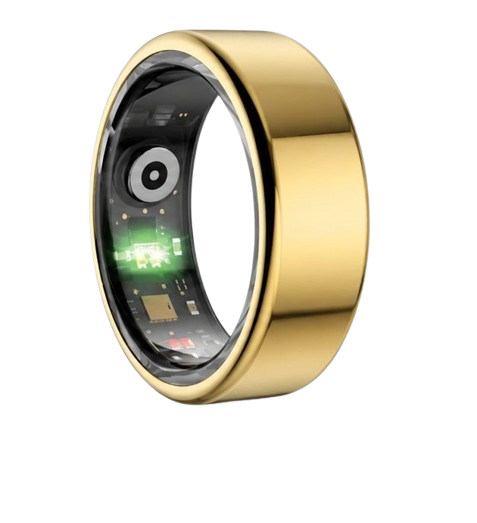
Can a simple kitchen staple like apple cider vinegar truly stabilize your glycemic response? Factual evidence from randomized clinical trials suggests that acetic acid helps mitigate postprandial glucose rises by up to 34%. For those seeking to optimize their metabolic fitness, understanding how dietary shifts impact daily recovery is essential. The premium, subscription-free Herz P1 Smart Ring allows you to monitor downstream biometric responses like heart rate variability (HRV) and deep sleep architecture in real time, helping you bridge the gap between nutrition and systemic recovery.
Built to Last. Save Up to 69% Today.
The Herz P1 Smart Ring tracks HRV, Sleep, Heart Rate & SpO2 around the clock. No subscriptions. No renewals. Ever.
In This Article
- The Scientific Truth: How acetic acid targets enzymes to balance glucose curves.
- Glycemic Impact on Recovery: Why post-meal spikes directly degrade sleep quality.
- Practical Protocols: The optimal timing and dosage for daily wellness integration.
- Biometric Insights: How smart wearable technology reveals your metabolic trends.
Does Apple Cider Vinegar Lower Blood Sugar and Prevent Spikes? Here’s What the Science Says

To understand the connection between apple cider vinegar blood sugar management and systemic metabolic health, we must dissect the biochemical properties of acetic acid.
Acetic acid represents the primary active compound within apple cider vinegar, constituting roughly five to six percent of the liquid solution.
Clinical studies published by the American Heart Association and major research institutions confirm that acetic acid slows down gastric emptying rates.
This physiological delay means that carbohydrates are digested more gradually, releasing glucose into the bloodstream at a controlled pace.
Furthermore, acetic acid inhibits the activity of disaccharidases, which are the specialized enzymes responsible for breaking down starches in the small intestine.
By temporarily blocking these digestive enzymes, a portion of the starch passes through the digestive tract unabsorbed, directly preventing a sudden surge in your glucose curve.
At the muscular level, research demonstrates that vinegar improves insulin sensitivity by up to thirty-four percent during high-carbohydrate meals.
It encourages skeletal muscle tissues to upregulate GLUT-4 transporter proteins, which rapidly clear glucose from the blood stream and store it as glycogen.
This dynamic mechanism is particularly useful for individuals managing prediabetes, as it lessens the burden placed on pancreatic beta cells.
Using apple cider vinegar blood sugar management strategies can be a simple, drug-free way to flatten daily glycemic curves.
Clinical trials suggest that taking just fifteen to thirty milliliters of diluted vinegar before meals can lower overall postprandial glucose spikes by up to one-third.
Understanding does-vinegar-lower-blood-sugar research helps us appreciate how small, accessible dietary interventions support daily vascular health.
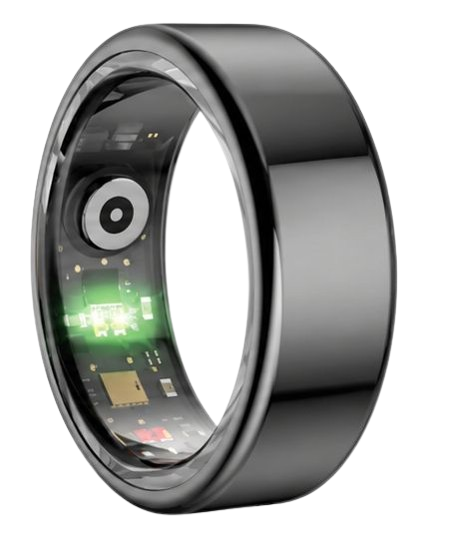
If you want to track the downstream physiological impact of these metabolic shifts in real time, the Herz P1 Smart Ring monitors cardiovascular metrics and recovery trends around the clock — explore it here.
90-Day 100% Money-Back Guarantee
“The Herz Smart Ring helps me manage stress easily. It’s accurate, stylish, and lightweight—perfect for my busy life!”
— Jennifer P. | ✔ Verified Customer
- ✓ 6-Day Battery Life
- ✓ Detailed Sleep Analysis
- ✓ Fast 1-Hour Charging
- ✓ iOS & Android Ready
Questions? Call: 1-866-479-1629
How Glycemic Variability Directly Disrupts Your Overnight Sleep Architecture

Many individuals do not realize that what they eat for dinner directly dictates their deep sleep quality and cardiovascular recovery.
When you consume a meal high in simple carbohydrates without fiber, fats, or acetic acid, your blood sugar spikes dramatically.
In response to this surge, your pancreas secretes a massive bolus of insulin to clear the excess glucose.
This flood of insulin often causes an overcorrection known as reactive hypoglycemia, where blood sugar crashes below baseline levels.
When glucose levels drop precipitously during the night, your brain perceives this as a life-threatening energy crisis.
To raise circulating sugar, the adrenal glands release counter-regulatory stress hormones like cortisol and adrenaline.
This stress response activates the sympathetic nervous system, shifting your body out of the restorative parasympathetic state.
As a result, your heart rate rises, your Heart Rate Variability (HRV) plummets, and your sleep architecture becomes severely fragmented.
You may not wake up fully, but you will be kicked out of deep slow-wave sleep and REM sleep into light sleep.
According to research from the National Sleep Foundation, these micro-arousals prevent physiological cellular repair and memory consolidation.
By using acv glucose spike prevention tactics, you stabilize overnight glucose levels and protect your sleep stages.
Fewer glucose fluctuations mean fewer nocturnal adrenaline spikes, allowing your heart to remain in a deeply relaxed state.
A smart wearable device like the Herz P1 Smart Ring helps you visualize this exact metabolic-sleep connection.
By tracking your sleep staging and HRV trends overnight, you can see if your pre-dinner ACV routine improves your recovery metrics.
This data-informed feedback loop allows you to make precise dietary adjustments to optimize your daily energy levels.
Understanding What is Metabolic Health Through Smart Wearable Biometrics

To grasp the true picture of your systemic wellness, we must define what is metabolic health from a biometric perspective.
Metabolic health refers to how efficiently your body generates and utilizes energy at the cellular level.
Traditional blood tests only provide a single snapshot of fasting glucose or HbA1c taken once every few months.
However, modern digital health science focuses on real-time glycemic variability and continuous biometric trend analysis.
Developing high-level metabolic fitness involves monitoring how your autonomic nervous system reacts to daily food, stress, and sleep.
Your Heart Rate Variability (HRV) is one of the most sensitive biomarkers of metabolic stress.
When your body is dealing with chronic inflammation, glycemic swings, or poor sleep, your HRV scores drop significantly.
A high HRV score indicates a resilient, adaptable nervous system that recovers quickly from physical and metabolic stressors.
Conversely, a low HRV score signalizes that your body is trapped in a fight-or-flight state, often exacerbated by blood sugar spikes.
By stabilizing glucose via apple cider vinegar, you reduce systemic inflammation and support higher overnight HRV readings.
Additionally, monitoring your blood oxygen saturation (SpO2) ensures that your tissues are receiving optimal oxygenation during sleep.
The Herz P1 Smart Ring utilizes multispectral optical sensors to capture these critical signals directly from your finger.
Because the finger has a rich capillary network, it provides highly accurate PPG biometric readings compared to bulky wrist-worn devices.
Tracking these metabolic indicators allows you to see how your body benefits from dietary adjustments and proactive wellness habits.
The Optimal Apple Cider Vinegar Protocol: Timing, Dosage, and Alternatives
Implementing a natural glucose management strategy requires consistency and precise timing to achieve optimal physiological results.
The most effective method involves consuming vinegar approximately ten to fifteen minutes before your largest, carbohydrate-rich meal.
To prepare the solution, dilute one to two tablespoons of raw, unfiltered apple cider vinegar in a large glass of warm or room-temperature water.
Dilution is critical to protect your vocal cords, esophagus, and delicate tooth enamel from the highly acidic pH of the vinegar.
For those managing chronic insulin resistance, applying this protocol consistently can support long-term acv and diabetes management protocols.
If you find the taste of apple cider vinegar too strong, there are several dietary alternatives that offer similar glycemic benefits.
For example, some research suggests that adding specific foods to your diet can support glucose clearance.
You might wonder, do beets lower blood sugar? While beets contain beneficial nitrates that support nitric oxide production and blood flow, they also contain natural sugars.
Therefore, they do not match the direct carbohydrate-blocking power of the acetic acid found in apple cider vinegar.
Similarly, you may explore whether does lemon water lower blood sugar levels before meals.
Lemon water contains citric acid, which also helps slow gastric emptying slightly, but it lacks the robust clinical evidence associated with acetic acid.
The table below provides a clear, evidence-based comparison of these common pre-meal wellness drinks.
| Wellness Beverage | Primary Active Compound | Glycemic Impact Rating | Primary Biological Mechanism |
|---|---|---|---|
| Apple Cider Vinegar (Diluted) | Acetic Acid (5-6%) | Excellent (High) | Delays gastric emptying; blocks digestive starch enzymes; improves insulin sensitivity. |
| Lemon Water | Citric Acid / Vitamin C | Moderate | Mildly slows carbohydrate digestion; supports antioxidant pathways. |
| Beet Juice | Dietary Nitrates | Mild to Neutral | Improves vascular endothelial function; contains some simple natural carbohydrates. |
For the best results, stick to the proven pre-meal apple cider vinegar before meals protocol when eating starches.
By tracking your post-meal recovery metrics on the Herz P1 companion app, you can directly compare how different pre-meal beverages affect your body.
Overcoming Wearable Pitfalls: Why Smart Rings Triumph Over Smartwatches
Many health-conscious individuals try to track their sleep and recovery metrics using traditional, bulky smartwatches.
However, wearing a large, heavy watch to bed often creates a major tracking pitfall by disrupting your natural sleep movements.
The physical discomfort of a thick wrist strap can cause micro-arousals, artificially lowering your sleep quality scores.
Furthermore, smartwatches must be charged daily, meaning users frequently leave them on the charger overnight, missing valuable sleep data.
Another major frustration in the wearable market is the hidden cost of ongoing monthly app subscription fees.
Many popular brands charge users a recurring fee just to view their own health data, creating a frustrating financial barrier.
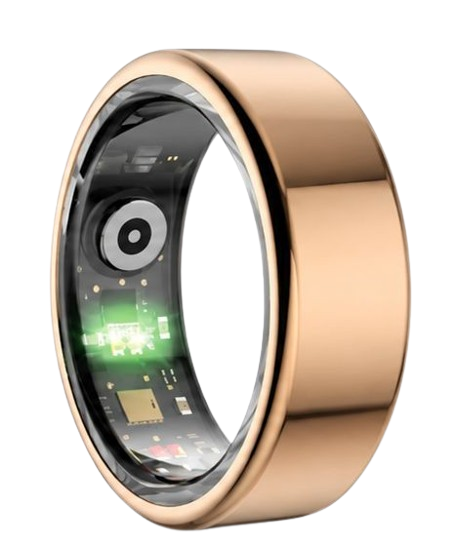
The Herz P1 Smart Ring solves these common pain points by offering a sleek, lightweight alternative crafted from military-grade steel.
Weighing only a few grams, it sits comfortably on your finger, allowing you to sleep naturally without any physical distraction.
With an IP68 waterproof rating, you can wear it in the shower, pool, or while washing dishes without worrying about water damage.
The Herz P1 App is completely free for lifetime, providing deep biometric analysis with absolutely zero monthly subscription fees.
By choosing a subscription-free smart ring, you invest in a durable tool that keeps your health data private, accessible, and secure.
Frequently Asked Questions
Is the Herz P1 Smart Ring waterproof?
Yes, the Herz P1 Smart Ring is fully IP68 waterproof and rated for submersion up to 164 feet (50 meters).
You can confidently wear it while swimming, showering, washing your hands, or relaxing in a hot tub or sauna.
How long does the battery last on a single charge?
The ultra-efficient battery inside the Herz P1 lasts up to 6 days under normal continuous tracking conditions.
When the battery runs low, the custom magnetic charging cradle charges the ring back to 100% in under 1 hour.
Which finger is best to wear the smart ring on for maximum accuracy?
The index finger of your non-dominant hand is the preferred choice for the highest sensor signal quality.
However, the middle and ring fingers also work exceptionally well, provided the ring fits snugly without rotating easily.
Does the Herz P1 store my health data offline if my phone is disconnected?
Yes, the ring features local offline storage capable of saving up to 7 days of continuous biometric data.
Once you open the companion app on your phone, the ring will automatically sync all stored metrics via secure Bluetooth.
Can apple cider vinegar cause any stomach discomfort during overnight recovery?
Some individuals may experience mild acid reflux or stomach irritation if they consume ACV too close to bedtime.
To avoid this, always dilute the vinegar properly and ensure you take it at least two hours before lying down to sleep.
Conclusion
Stabilizing glycemic curves with apple cider vinegar supports healthier metabolic baselines and deeply restorative sleep stages.
Ready to monitor your health every day? Explore the Herz P1 Smart Ring and see if it fits your lifestyle. Call: 1-866-479-1629 — our team can help you advise on the correct ring size and set personalized health goals.
Note: Individual results may vary depending on individual health conditions, age, and lifestyle habits. This article is intended for general health reference purposes only.
