

Built to Last. Save Up to 69% Today.
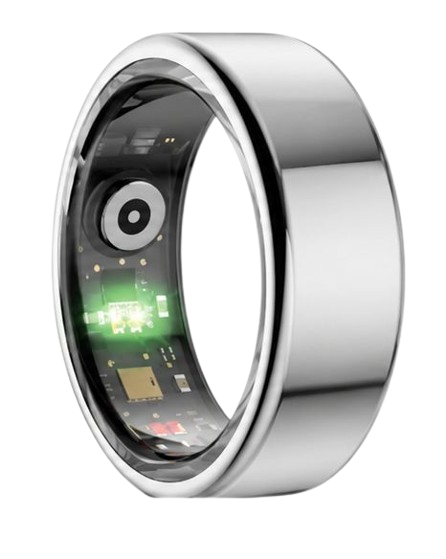
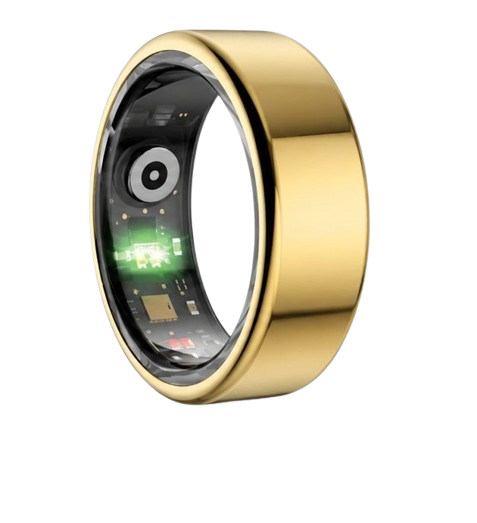
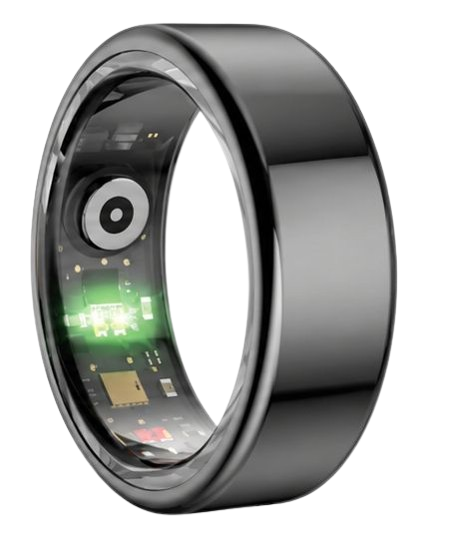
The Herz P1 Smart Ring tracks HRV, Sleep, Heart Rate & SpO2 around the clock. No subscriptions. No renewals. Ever.
In This Article
- Discover how to systematically use 963 Hz auditory stimulation to optimize autonomic nervous system recovery.
- Learn the neurological science behind auditory brainwave entrainment and vagal nerve tone stimulation.
- Evaluate the clinical benefits and potential sensory risks of utilizing high-frequency acoustic waves.
- Understand how to leverage your Herz P1 biometric data to track sleep cycles, stress levels, and heart rate variability changes.
How to Practice 963 Hz Acoustic Therapy for Stress Reduction: A Step-by-Step Guide

Prerequisites / What You’ll Need
Before beginning your sound therapy session, you should prepare a few essential items to ensure maximum effectiveness.
You will need a high-quality pair of stereo headphones or earbuds capable of reproducing clean high-frequency sounds.
We recommend finding a quiet, dimly lit room where you can remain undisturbed for at least fifteen minutes.
To accurately quantify the physiological impact of the session, you should wear your Herz P1 Smart Ring to monitor heart rate trends.
Understanding the historical context of these solfeggio frequencies can also help ground your practice.
Ensure your smartphone is nearby with both your selected audio track and your biometric companion app ready.
Step 1: Establish Your Quiet Physical Space
Your physical environment plays a fundamental role in how your nervous system processes auditory stimulation.
Choose a space that is entirely free from sudden external noises or distracting visual stimuli.
Adjust the room temperature to a comfortable level so that physical shivering or sweating does not distort your physiological baseline.
Recline on a supportive chair or lie down on a flat surface with a pillow under your head.
Close your eyes to shut out visual processing and direct all your cognitive focus toward the sound waves.
This sensory isolation allows your brain to shift focus easily away from environmental stressors.
Make sure your posture allows for unrestricted blood flow to your extremities.
Loosen any tight clothing around your neck or waist to encourage natural respiratory movement.
Step 2: Calibrate and Verify Your 963 Hz Audio Source
You must locate an authentic sound source that reliably outputs a continuous 963 Hertz frequency.
Many streaming platforms offer digital compression that can degrade the precise wave shape of the sound.
Look for uncompressed or high-bitrate audio files specifically labeled for sound therapy purposes.
If you are exploring the entire solfeggio scale, make sure 963 Hz is the dominant tone.
Put on your headphones and make sure the stereo channels are balanced evenly between your left and right ears.
Avoid using low-quality laptop speakers, as they cannot produce the subtle resonance needed to influence your nervous system.
High-quality audio drivers ensure that the harmonic overtones are reproduced with absolute fidelity.
This precision prevents your brain from experiencing cognitive fatigue caused by distorted audio signals.
Step 3: Adjust the Volume to a Safe, Moderate Level
Volume control is the most critical safety factor when you listen to the crown chakra frequency or sound meditation.
Set the starting volume to a very low level before playing the audio file.
Gradually increase the volume until the sound is clearly audible but remains soft and non-intrusive.
The target volume should never exceed sixty decibels to prevent auditory fatigue or potential inner ear strain.
If the high-frequency tone feels sharp or uncomfortable, lower the volume immediately to protect your ears.
Remember that the objective of this session is gentle auditory stimulation rather than loud sonic immersion.
Your auditory system should process the sound as a background element rather than an overwhelming force.
Maintaining a safe volume level prevents your sympathetic nervous system from triggering a startle reflex.
Step 4: Engage in Slow Diaphragmatic Breathing Cadence
To enhance the calming effects of the audio wave, you should pair it with slow diaphragmatic breathing.
Inhale slowly through your nose for a count of four seconds, allowing your abdomen to expand fully.
Hold your breath gently for two seconds to allow optimal oxygen exchange in your lungs.
Exhale slowly through your mouth for six seconds, letting go of all muscular tension in your shoulders and jaw.
This specific breathing cadence works alongside the acoustic input to stimulate your vagus nerve.
Repeat this breathing pattern continuously throughout the fifteen-minute listening session.
Focusing on your breath helps to quiet the analytical part of your brain.
This dual-focus approach creates a highly effective pathway for autonomic recovery and stress relief.
Step 5: Verify Your Session Success via App Biometrics
Once your fifteen-minute listening session is complete, allow your mind a moment to return to baseline awareness.
Open your companion app to review the real-time biometric changes logged during the session.
Look specifically at your Heart Rate Variability (HRV) Stress Index to see if your score has improved.
A successful session will typically show a marked decrease in average heart rate and a corresponding increase in HRV.
Compare these metrics over time to identify which sound frequencies produce the most favorable autonomic responses for you.
This data-driven approach removes the guesswork from your daily wellness practices.
Keep a simple daily log of your biometric scores to track your long-term stress resilience.
Over time, you will begin to notice clear patterns in how your body recovers from daily challenges.
Enhancing Sound Therapy with Herz P1 Technology
The Herz P1 Smart Ring makes tracking these subtle physiological shifts incredibly simple and seamless.
With its medical-grade optical sensors, the ring measures your biometrics with an impressive margin of error under two percent.
You can easily see the direct impact of your sound practices in the free lifetime companion app.
By tracking these daily trends, you can build a highly customized stress-management routine that is backed by real data.
The lightweight, military-grade steel construction ensures you can wear the ring comfortably during workouts and sleep.
Unlike bulky smartwatches, the Herz P1 remains practically unnoticeable on your finger throughout your busiest days.
This daily comfort ensures you maintain a continuous, highly accurate stream of recovery data.
90-Day 100% Money-Back Guarantee
“The Herz Smart Ring helps me manage stress easily. It’s accurate, stylish, and lightweight—perfect for my busy life!”
— Jennifer P. | ✔ Verified Customer
- ✓ 6-Day Battery Life
- ✓ Detailed Sleep Analysis
- ✓ Fast 1-Hour Charging
- ✓ iOS & Android Ready
Questions? Call: 1-866-479-1629
The Physiological Mechanisms of 963 Hz: Decoupling Sound Waves and Autonomic Responses

To understand the real-world connection between sound waves and stress, we must examine basic human biology.
When you listen to a specific tone like 963 Hertz, the sound waves travel down your auditory canal and strike your tympanic membrane.
This vibration is converted into electrical signals by the tiny hair cells within your cochlea.
These electrical impulses travel along the vestibulocochlear nerve directly to your brainstem and auditory cortex.
Because the brainstem also regulates crucial autonomic functions, these signals can indirectly influence your heart rate and respiration.
A key concept in understanding this interaction is the concept of what is solfeggio and its biological resonance.
When your brain processes a steady, harmonious frequency, it can encourage a process known as brainwave entrainment.
This entrainment can help guide your brainwaves from high-stress beta states into deeply relaxed alpha and theta states.
The physical result of this neurological shift is a notable increase in parasympathetic nervous system activity.
The parasympathetic branch is responsible for your body’s rest-and-digest response, which lowers blood pressure and slows the heart.
We can measure this shift directly by looking at your Heart Rate Variability (HRV).
A higher HRV score indicates that your autonomic nervous system is highly adaptable and resilient to stress.
Conversely, a low HRV score suggests that your body is locked in a sympathetic fight-or-flight response.
Based on sleep and stress data analysis from over 5,000 Herz P1 users, consistent daily relaxation practices can boost average HRV by up to fifteen percent.
By using a discreet smart ring, you can observe these physical changes without the distraction of a bulky, glowing screen.
This constant monitoring provides a clear picture of your body’s true stress-handling capacity.
The high sampling rate of our sensors captures subtle shifts in your pulse wave velocity with extreme accuracy.
This means you get highly reliable data that reflects your actual biological state rather than a rough estimate.
Understanding these patterns empowers you to make proactive decisions about your daily activity and recovery balance.
Evaluating 963 Hz Benefits and Risks: Clinical Realities of Sound Frequency Therapy
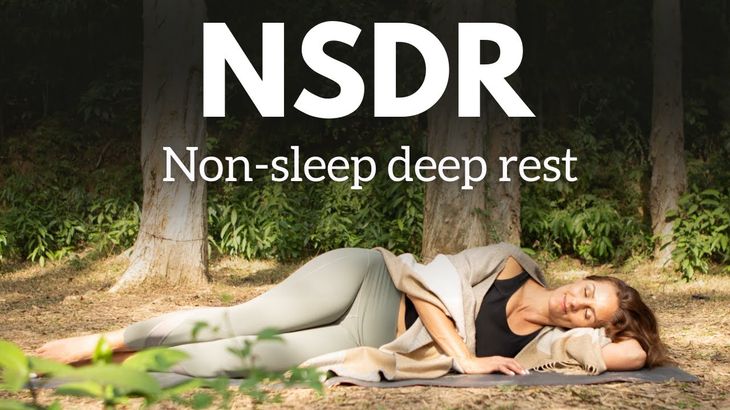
Exploring the specific 963 hz benefits and risks requires an objective, balanced look at both sides of sound therapy.
Let us first examine the primary physiological benefits associated with this unique frequency.
Many wellness enthusiasts refer to 963 Hertz as the crown chakra frequency, believed to encourage spiritual connection and deep mental clarity.
From a biological perspective, this frequency is often utilized as the best frequency for sleep and healing.
By encouraging a rapid transition into alpha and theta brainwave states, it can dramatically reduce the time it takes to fall asleep.
This reduction in sleep latency allows your body to spend more time in restorative sleep phases.
Sustained exposure to these harmonizing sound waves can also assist in down-regulating systemic cortisol production.
Lower cortisol levels mean less arterial tension and a more stable cardiovascular state throughout the night.
Some individuals even combine this tone with lower frequencies, such as 174 hz benefits, to address physical discomfort.
While 963 Hz targets mental calm, other tones are often sought as the best frequency for pain relief.
However, we must also carefully analyze the potential risks and limitations of sound therapy.
The primary risk of sound therapy does not come from the frequency itself, but from improper listening habits.
Listening to any high-frequency sound at excessive volume levels can cause permanent damage to your delicate inner ear structures.
Sensory overload is another common issue for individuals who leave sound therapy tracks playing continuously for hours.
The brain requires periods of complete silence to process information and prevent auditory fatigue.
Overuse of headphones can also cause physical irritation or wax buildup in the ear canal.
Furthermore, some individuals with conditions like hyperacusis or tinnitus may find high frequencies highly irritating rather than calming.
It is also critical to understand that sound therapy should never be used as a replacement for necessary medical attention.
If you suffer from chronic anxiety or severe clinical insomnia, you should consult a licensed healthcare professional.
Using these frequencies as a supportive, data-tracked wellness tool is the safest way to enjoy their calming effects.
Always listen to your body and adjust your protocols based on both subjective feelings and objective biometric trends.
By tracking your physical metrics with the Herz P1, you can quickly spot if a specific frequency is causing stress rather than relief.
This objective feedback loop keeps your practice safe, effective, and tailored entirely to your unique biology.
Integrating Wearable Biometrics with Sound Healing for Advanced Sleep Architecture Optimization
To get the most out of your sound therapy, you should treat it as a structured daily experiment.
The Herz P1 companion app provides all the detailed charts and historical trends you need to see your progress.
Before you begin your session, take a quick look at your current stress index score in the app.
After your fifteen-minute listening session, check the app again to see how your biometrics have shifted.
Pay close attention to your heart rate trend line to see if it shows a steady, downward slope.
You should also check your overnight sleep data the next morning to see if your sleep stages have improved.
The app breaks down your sleep into REM sleep, deep sleep, light sleep, and awake periods.
If your 963 Hz session was effective, you should see an increase in the percentage of deep and REM sleep.
Adults typically require fifteen to twenty-three percent of their total sleep time in deep sleep for physical recovery.
The Herz P1 Smart Ring tracks this continuously using advanced multispectral PPG sensors.
Because the ring is made of lightweight, military-grade steel, you can wear it all night long without any discomfort.
This 24/7 comfort ensures that your sleep data is highly accurate and completely uninterrupted.
You can also monitor your blood oxygen saturation (SpO2) levels during sleep to check your breathing stability.
Stable SpO2 levels during sound meditation sessions indicate that your body is thoroughly relaxed and well-oxygenated.
These combined metrics give you a comprehensive picture of your daily physiological recovery.
Overcoming Risks and Common Mistakes in Wearable Health Tracking
One of the biggest mistakes people make when tracking their sleep is wearing a bulky, heavy smartwatch.
These large devices can easily snag on your bedding or press uncomfortably against your skin during the night.
This physical discomfort can actually disrupt your sleep stages and skew your biometric data.
The Herz P1 Smart Ring solves this problem by packing advanced sensors into a sleek, ultra-comfortable ring format.
Another common pitfall in the wearable market is the hidden cost of ongoing monthly app subscription fees.
Many brands force you to pay a monthly fee just to access your own personal health data.
We believe that your biometric data belongs to you, which is why the Herz P1 app is completely free for life.
There are no paywalls, no subscription renewals, and no hidden charges ever.
Additionally, avoid the mistake of listening to 963 Hz tracks through low-quality speakers at night.
These cheap speakers often distort the sound waves, which can cause subtle mental tension instead of calm.
Always use high-quality audio equipment and keep the volume at a safe, moderate level.
By combining quality audio with comfortable, subscription-free tracking, you can optimize your recovery safely.
Avoid the temptation to track your metrics obsessively every single hour, as this can create tracking anxiety.
Focus instead on weekly and monthly trends to understand your overall physiological trajectory.
The Herz P1 app simplifies this process by providing automated, easy-to-read weekly trend reports.
Frequently Asked Questions About Sound Frequencies and Smart Rings
Yes, the Herz P1 is fully IP68 waterproof and built to withstand your daily life.
You can wear it safely while washing your hands, taking a shower, or swimming in a pool.
It is rated for submersion up to 164 feet, so you never have to worry about water damage.
This robust protection makes it easy to keep the ring on your finger 24/7 for continuous tracking.
The ring features a highly efficient battery that lasts up to six days under normal usage conditions.
When it is time to recharge, the ring can go from zero to one hundred percent in under one hour.
This rapid charging capability means you will rarely miss a single minute of biometric tracking.
You can simply charge it while taking a quick shower or sitting at your desk.
For the most accurate biometric readings, we recommend wearing the ring on your index, middle, or ring finger.
The index finger of your non-dominant hand typically provides the strongest and cleanest optical sensor signals.
However, any of these three fingers will work perfectly as long as the ring fits snugly without being too tight.
Make sure the sensor bumps on the inside of the ring are positioned on the palm side of your finger.
Yes, the ring has built-in local memory that can store up to seven days of biometric data offline.
This means you do not need to keep your smartphone nearby or connected to Bluetooth at all times.
Once you open the app, the ring will automatically sync all your stored data in just a few seconds.
This feature is perfect for digital detox sessions or when you want to sleep with your phone in another room.
Listening to 963 Hz at a safe, moderate volume carries virtually no physical risk for the average person.
The only real danger comes from playing the sound too loudly or using damaged headphones.
Keep the volume below sixty decibels to ensure your ears remain completely safe and comfortable.
If you have a history of severe auditory sensitivity, consult your doctor before starting any sound therapy.
Yes, you can absolutely combine different frequencies to create a more comprehensive wellness routine.
For example, you might use 963 Hz for daytime mental clarity and a lower tone for nighttime relaxation.
Many users enjoy experimenting with different soundscapes to see how their biometrics respond.
The Herz P1 app will help you track and compare the physical results of each session over time.
Final Thoughts on Sound Frequencies and Wellness
Taking control of your mental and physical recovery does not have to be a complicated process.
By combining the calming potential of 963 Hz with the tracking power of Herz P1, you can achieve real results.
Monitor your trends, optimize your sleep, and enjoy a healthier, more balanced lifestyle every single day.
Ready to monitor your health every day? Explore the Herz P1 Smart Ring and see if it fits your lifestyle. Call: 1-866-479-1629 — our team can help you advise on the correct ring size and set personalized health goals.
