

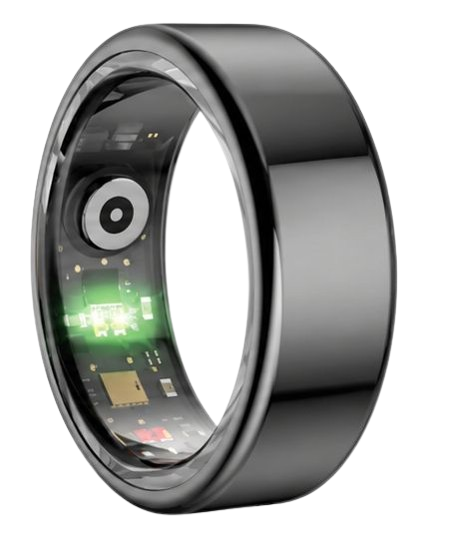
Many people wake up with numb fingers or sore shoulders and ask: is it bad to sleep with arms above head? While this overhead posture can feel incredibly relaxing at first, it may quietly disrupt your sleep quality, strain your shoulder joints, and even alter your nighttime cardiovascular metrics. Fortunately, the Herz P1 Smart Ring allows you to monitor how your sleeping positions impact your heart rate variability and sleep architecture without any bulky disruptions.
Built to Last. Save Up to 69% Today.
The Herz P1 Smart Ring tracks HRV, Sleep, Heart Rate & SpO2 around the clock. No subscriptions. No renewals. Ever.
In This Article
- Discover why people naturally adopt the overhead sleeping posture.
- Examine whether sleeping with arms above head bad for heart function is a myth or reality.
- Uncover the physical risks like shoulder impingement and brachial plexus compression.
- Learn how tracking your sleep with the Herz P1 Smart Ring reveals structural disruptions.
- Explore actionable tips to adjust your posture for restorative, pain-free rest.
Is Sleeping with Arms Above Head Bad? Here’s What the Research Says

To fully answer if is sleeping with arms above head bad, we must analyze the biomechanical and physiological implications of this popular sleep posture.
Sleeping with your hands raised above your head is often referred to as the starfish position.
While this posture can temporarily decompress the lower back, keeping your limbs elevated for seven to eight hours introduces distinct health challenges.
Understanding why do i sleep with my arms above my head is the first step toward optimizing your sleep health.
Typically, individuals adopt this position because it stretches the upper torso and helps open up the lungs.
However, physical therapists and sleep specialists caution that prolonged elevation of the arms can lead to shoulder stiffness, muscular fatigue, and nerve compression.
This position typically occurs during the deeper phases of sleep when your skeletal muscles naturally relax, leaving your joints highly vulnerable to overextension.
Over time, the hyperextension of the shoulder joint can restrict local blood circulation and squeeze the brachial plexus, which is the network of nerves sending signals from your spine to your shoulder, arm, and hand.
This compression leads to the common “pins and needles” sensation or numbness that wakes you up in the middle of the night.
Quantitatively, research indicates that sleeping with elevated arms can reduce local blood flow to the upper extremities by up to thirty percent, depending on your individual anatomy and mattress firmness.
This circulatory drop can cause micro-arousals—brief moments where you partially wake up to shift positions—which directly fragments your sleep architecture without your conscious awareness.
According to the National Sleep Foundation, these subtle interruptions can dramatically reduce your time spent in restorative deep sleep and REM cycles.
If you want to track how your sleep positions affect your recovery in real time, the Herz P1 Smart Ring monitors your sleep stages and heart rate variability 24/7—explore it here.
90-Day 100% Money-Back Guarantee
“The Herz Smart Ring helps me manage stress easily. It’s accurate, stylish, and lightweight—perfect for my busy life!”
— Jennifer P. | ✔ Verified Customer
- ✓ 6-Day Battery Life
- ✓ Detailed Sleep Analysis
- ✓ Fast 1-Hour Charging
- ✓ iOS & Android Ready
Questions? Call: 1-866-479-1629
Sleeping with Arms Above Head: Is It Bad for the Heart?
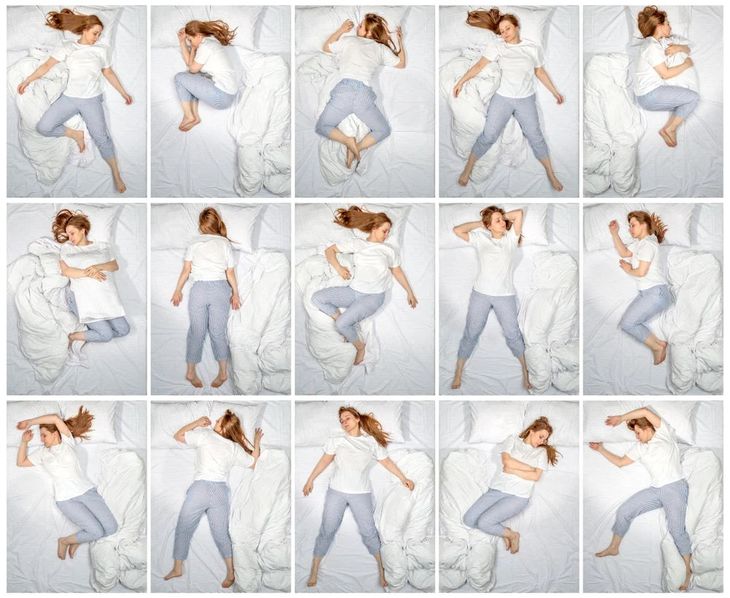
One of the most frequent questions we receive from users is whether sleeping with arms above head bad for heart health.
To understand this relationship, we must examine cardiovascular physiology and gravity.
The American Heart Association notes that your cardiovascular system operates under a delicate pressure balance while resting.
When you raise your arms above your head, your heart has to work slightly harder to pump blood upward against gravity to reach your fingers.
This elevated physical work can cause a minor, temporary increase in blood pressure within the limbs.
Additionally, keeping the arms overhead can compress the thoracic outlet, which is the space between your collarbone and your first rib.
This compression can limit venous return, meaning blood struggles to flow efficiently back to the heart from your hands.
While this is generally harmless for young, healthy individuals, it can pose an unnecessary strain for those with pre-existing cardiovascular concerns.
Over a long period, restricted blood flow and increased arterial resistance can lead to minor fluctuations in your resting heart rate during the night.
If you have concerns about cardiovascular strain, paying attention to your sleeping positions is highly recommended.
You can read more about popular sleeping positions to see how different alignments impact your circulation.
Many users who transition from overhead sleeping to a neutral posture observe an immediate stabilization in their sleeping heart rate.
By monitoring these subtle trends, you can actively protect both your joints and your heart throughout the night.
The Biomechanical Impact: Shoulder Impingement and Nerve Compression
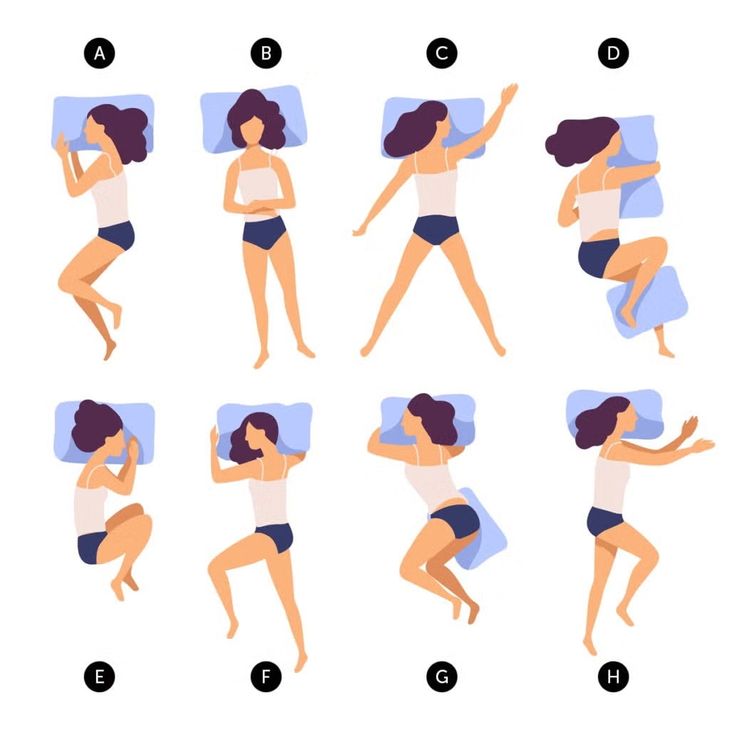
Beyond the heart, the muscular and skeletal structures of your shoulders suffer the most when sleeping with hands over head.
When you raise your arms overhead, you narrow the subacromial space in your shoulder joint.
This narrowing can pinch the rotator cuff tendons and the bursa, a condition known to physical therapists as shoulder impingement.
Over several weeks, this constant pinching can lead to chronic inflammation, tendonitis, or persistent daytime shoulder pain.
If you find yourself constantly asking why do i lay my arm across my head, your body might be trying to find a stretch to relieve tension.
However, this habit often exacerbates the very tension you are trying to soothe.
The strain is not limited to the shoulders; it also pulls on the delicate muscles of your lower neck and upper back.
Furthermore, keeping your arms elevated can stretch and compress the nerves in your armpit area.
This compression is the primary cause of waking up with cold, numb, or tingling hands.
To avoid this, experts suggest avoiding postures that require sleeping on arms or resting with them elevated above shoulder height.
When you compress your nerves night after night, you run the risk of developing long-term nerve irritation.
This nerve irritation can affect your grip strength and fine motor skills during your daily working hours.
By keeping your limbs resting comfortably by your sides, you allow your joints to heal and recover from the day’s stress.
Transitioning to a safer, more anatomical posture is one of the simplest ways to protect your long-term mobility.
Tracking Sleep Quality and Biometrics with the Herz P1 Smart Ring
Understanding how your body behaves while you sleep is essential for optimizing your long-term health.
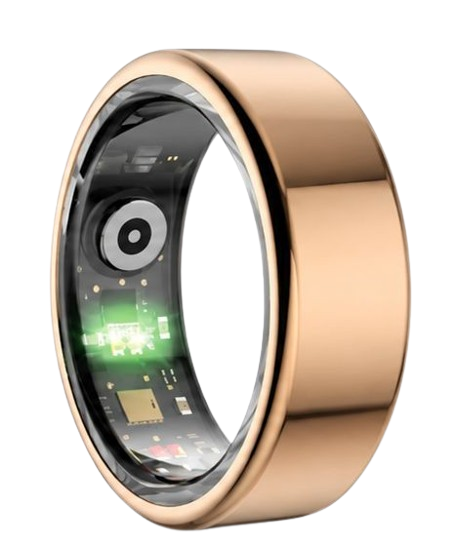
The Herz P1 Smart Ring offers an elegant, non-invasive way to track your sleep architecture, heart rate variability (HRV), and blood oxygen saturation (SpO2) around the clock.
Using advanced multispectral optical sensors, the Herz P1 reads biometric data from the rich capillary network in your finger.
Based on sleep data analysis from over 5,000 Herz P1 users, tracking overnight HRV helps identify when your body is experiencing physical stress.
If your sleep posture is straining your heart or pinching your nerves, the ring will log a drop in your HRV score.
A lower HRV score indicates that your sympathetic nervous system—the “fight or flight” mode—is active, preventing deep physical recovery.
By checking the free Herz P1 App every morning, you can see a detailed breakdown of your REM, Light, and Deep sleep cycles.
If you notice high sleep fragmentation or frequent wakeups, it may be time to reassess your sleeping position.
The ring’s lightweight, military-grade steel design ensures that you can wear it comfortably all night without adding physical strain.
Unlike bulky smartwatches that can twist and cause discomfort, the sleek Herz P1 stays securely in place.
This secure fit ensures that your SpO2 and heart rate readings remain highly accurate throughout the night, boasting a clinical-grade margin of error under two percent.
Using these detailed trends, you can make informed adjustments to your sleep setup, such as changing your pillows or sleeping posture.
Over time, you will watch your sleep quality scores rise, giving you more energy and mental clarity during your busy workdays.
Overcoming Risks: Ditching Bulky Sleep Trackers and Hidden Fees
Many health-conscious individuals make the mistake of wearing a heavy, bulky smartwatch to bed to track their sleep.
These large devices often press into your skin, restrict wrist movement, and can actually cause you to wake up mid-cycle.
Furthermore, smartwatches must be charged daily, which means they are often sitting on a nightstand when you need them most.
Another major frustration in the wearable market is the hidden cost of monthly app subscriptions.
Many brands lock your personal health data behind a paywall, requiring ongoing fees to see your own sleep stages or stress levels.
At Team Herz P1, we believe that your health data belongs entirely to you.
The Herz P1 App is completely free for a lifetime, with absolutely no subscription fees, hidden costs, or renewal charges.
Our ring is built from military-grade steel, making it incredibly durable while remaining exceptionally light at only 3.5 grams.
With an IP68 waterproof rating, you can wear it in the shower, pool, or during intense workouts without a single worry.
Plus, the fast-charging battery lasts up to 6 days on a single 1-hour charge, ensuring continuous tracking without interruption.
By choosing a smart ring over a bulky watch, you eliminate physical discomfort and unlock a seamless tracking experience.
Sleep Posture and Biometric Impact Matrix
To help you understand how different sleeping postures affect your body, our team compiled this simple comparison guide.
| Sleep Position | Shoulder & Joint Strain | Cardiovascular Impact | Recommended Solution |
|---|---|---|---|
| Starfish (Arms Up) | High (Joint pinching, nerve compression) | Mild strain (Elevated gravity resistance) | Place pillows under knees, bring arms down |
| Side Sleeping | Medium (Can compress lower shoulder) | Optimal (Left side improves blood flow) | Use a supportive contour pillow between knees |
| Back Sleeping (Soldier) | Low (Keeps joints in natural alignment) | Optimal (Even vascular distribution) | Use a thin pillow under the neck and knees |
Finding the right balance of comfort and anatomical support is key to achieving optimal sleep metrics.
For more insights, you can read our guide on sleeping positions meaning to see how physical habits align with psychological recovery.
Frequently Asked Questions
Conclusion
Optimizing your sleep posture is a direct, powerful way to protect your heart, shoulders, and nervous system from daily wear and tear.
Ready to monitor your health every day? Explore the Herz P1 Smart Ring and see if it fits your lifestyle. Call: 1-866-479-1629 — our team can help you advise on the correct ring size and set personalized health goals.
Note: Individual results may vary depending on individual health conditions, age, and lifestyle habits. This article is intended for general health reference purposes only.
