

Clinical evidence indicates that sleep disruptions and physiological shifts can predict bipolar manic episodes up to three days before symptoms fully manifest. Utilizing the premium Herz P1 bipolar episode detection smart ring allows individuals to track real-time sleep architecture and daily heart rate variability safely. By monitoring these critical biomarkers at home, you can bridge the knowledge gap and manage your mental health proactively.
Built to Last. Save Up to 69% Today.
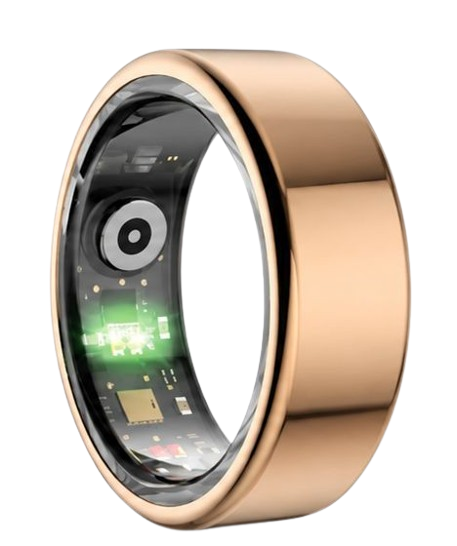
The Herz P1 Smart Ring tracks HRV, Sleep, Heart Rate & SpO2 around the clock. No subscriptions. No renewals. Ever.
In This Article
- How-To Guide: Track physiological baselines and sleep cycles step-by-step.
- Biometric Science: Understand autonomic regulation, sleep architecture, and skin temperature.
- Clinical Studies: Learn how clinical photoplethysmography tracks neurological and mood changes.
- Practical Recovery: Map biometric reports and manage daily stress patterns at home.
How to Monitor Autonomic and Sleep Trends to Predict Mood Shifts: A Step-by-Step Guide
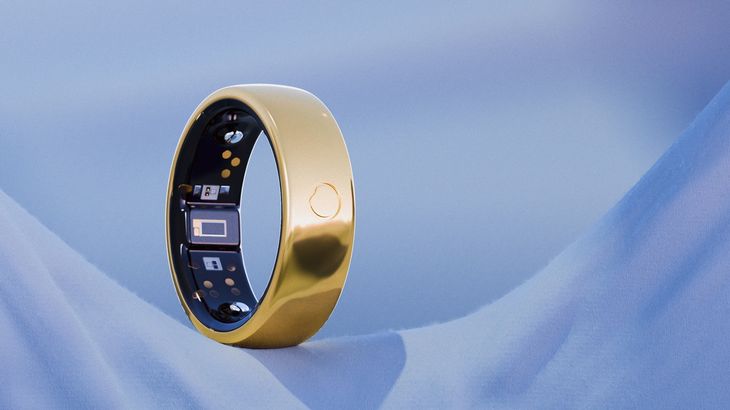
To begin tracking psychiatric and wellness trends, you need a high-precision smart ring and a basic routine.
A mobile device is required to display your continuous daily biometric charts and trends.
Consistent overnight wearing habits are crucial to allow the algorithms to map your unique physiological blueprint.
Finally, keeping a basic physical journal will help you correlate your physical data with subjective mental states.
Step 1: Set Your Personal Biometric Baseline
First, you must wear your smart ring consistently for a minimum of fourteen days during stable mood periods.
This baseline period allows the optical sensors to establish your unique average resting heart rate and daily HRV.
Your body possesses a distinct cardiovascular signature that varies based on age, fitness levels, and biological rhythms.
Establishing this baseline prevents the algorithm from triggering false warnings during minor daily fluctuations.
Always review your initial baseline data during quiet, calm periods to ensure the device has calibrated correctly.
Step 2: Track Nocturnal Sleep Architecture and REM Latency
Next, you must analyze your nightly sleep staging reports for sudden, unexpected decreases in total sleep time.
Clinical studies show that a drastic reduction in deep slow-wave sleep and highly fragmented REM sleep often precedes manic transitions.
Look specifically for patterns where you wake up feeling completely energized despite sleeping for less than five hours.
A high-quality tracking ring will immediately flag these sudden sleep architecture disruptions in your daily report.
Monitoring these nocturnal patterns gives you a massive head start in identifying autonomic nervous system hyper-arousal.
Step 3: Monitor Heart Rate Variability Trends
Additionally, you must inspect your waking heart rate variability trends every morning on your mobile dashboard.
A sudden, sustained drop in your daily HRV indicates that your body is experiencing extreme physiological stress.
Conversely, a massive and erratic spike in HRV combined with physical restlessness can signal an oncoming manic phase.
By measuring the precise milliseconds between each heartbeat, the ring assesses the balance of your autonomic system.
Consistent monitoring helps you catch these subtle cardiac warning signs before subjective mood shifts even register.
Step 4: Check for Elevated Resting Heart Rate and Activity Spikes
Furthermore, you must monitor your resting heart rate and step count for unusual daytime activity patterns.
If your resting heart rate remains elevated while sitting quietly, your sympathetic nervous system is highly overactive.
Cross-reference this physical data with your active movement logs to check for excessive, frantic daytime pacing.
Continuous physiological restlessness and a high heart rate are classic biological markers of hypomania and physical anxiety.
Identifying these spikes early allows you to implement relaxation techniques and restore physiological balance quickly.
Step 5: Review Weekly Biometric Reports for Systemic Trends
Finally, you must analyze your integrated physiological data over weekly and monthly intervals on the companion application.
While single-day biometric anomalies are common, multi-day downward trends indicate a systemic neurobiological shift.
Compile these long-term reports into clear digital charts that you can easily share with your clinical healthcare team.
Using objective, continuous biometric data removes the natural bias and memory errors of traditional self-reported mood journals.
This structural approach empowers you to co-create a proactive wellness plan with your medical providers.
The Herz P1 smart ring is designed to make this step-by-step tracking process completely seamless and highly accurate.
By offering military-grade steel construction and a lifetime free app with no monthly fees, we ensure you always have access to your health metrics.
The Autonomic Nervous System and Mood Shifts: How HRV Identifies Neurological Trends
Your autonomic nervous system acts as the primary control center for all involuntary biological processes in your body.
This complex neurological network is divided into the sympathetic pathway and the parasympathetic pathway.
The sympathetic system governs your fight-or-flight response, raising heart rate and blood pressure when survival is threatened.
The parasympathetic system acts as the rest-and-digest mechanism, lowering heart rate and encouraging deep cellular repair.
Heart rate variability represents the tiny, millisecond fluctuations in the intervals between consecutive heartbeats.
A highly variable heart rate indicates a healthy, resilient autonomic system that adapts easily to environmental demands.
In contrast, a low heart rate variability shows that your body is locked in a state of chronic stress and depletion.
When researchers attempt to predict depression and anxiety, they look closely at these autonomic imbalances.
During a hypomanic or manic transition, the sympathetic nervous system enters a state of continuous, uninhibited activation.
This persistent activation causes your resting heart rate to climb while your average HRV drops to historic lows.
Learning to recognize these subtle physical cues helps you differentiate between bad stress vs good stress.
Furthermore, early detection of these autonomic spikes allows you to learn how to manage anxiety before it impacts your daily functioning.
Clinical studies from major neuro-psychiatric institutions show that autonomic monitoring can identify upcoming mood shifts up to 48 hours early.
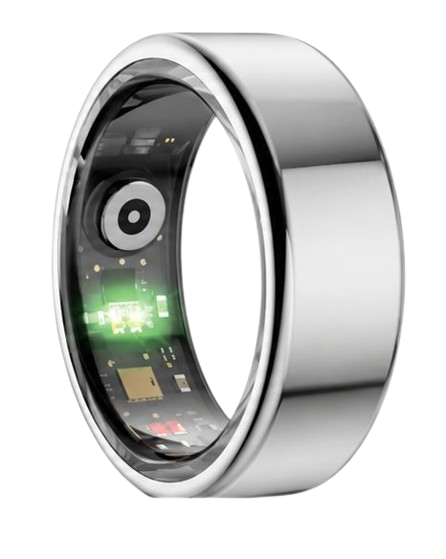
A specialized bipolar episode detection smart ring tracks these delicate cardiac changes continuously from the blood vessels in your finger.
This unique anatomical position provides a much stronger signal-to-noise ratio than traditional wrist-mounted fitness trackers.
By reviewing these continuous trends daily, you gain an objective, scientific window into your nervous system’s health.
Clinical Research: How Photoplethysmography Studies Track Mood Dysregulation
Clinical researchers around the globe are increasingly utilizing photoplethysmography to study psychiatric and neurological trends.
Photoplethysmography works by emitting light into the skin to measure micro-volume changes in your blood vessels.
These optical sensors capture high-resolution pulse wave patterns that reveal your exact respiratory and cardiovascular rates.
Recent psychiatric clinical trials show that these optical sensors can map sleep architecture changes with incredible accuracy.
In patients diagnosed with bipolar disorder, researchers observed that dramatic drops in deep slow-wave sleep correlate closely with oncoming mania.
Slow-wave sleep is the crucial stage where the brain restores its physical energy and clears metabolic waste products.
When this restorative phase is truncated, the brain enters a state of neuro-chemical hyper-arousal.
To capture these fleeting physical events, you must utilize an exceptionally sensitive and lightweight stress monitor.
This is especially critical when examining recent statistics on women’s mental health, which show high rates of stress-induced sleep fragmentation.
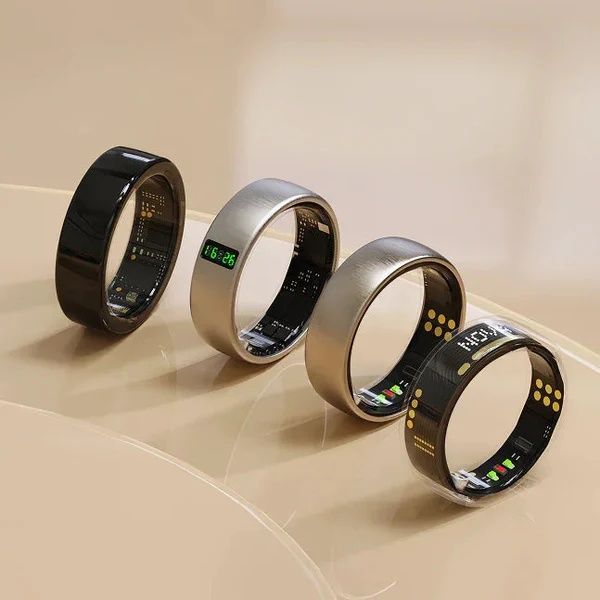
A dedicated bipolar episode detection ring provides the continuous, uninterrupted monitoring required to map these complex patterns.
Unlike clinical sleep labs, a smart ring allows you to collect this vital data in your own comfortable home environment.
By collecting data over months, these studies demonstrate that wearable biometrics can predict mood cycles before they cause distress.
This proactive tracking model shifts psychiatric care from reactive treatment to timely, preventative wellness interventions.
Ultimately, clinical studies prove that optical finger-sensing technology is highly reliable for long-term health tracking.
Circadian Biology and Blood Oxygen: The Role of SpO2 in Mood and Energy Regulation
In addition to HRV and sleep staging, blood oxygen saturation represents a vital metric for monitoring your systemic health.
Continuous oxygen monitoring ensures that your brain and tissues receive a steady supply of oxygen during sleep.
Fluctuations in your nightly oxygen levels can indicate underlying breathing disruptions or high physiological strain.
In circadian biology, poor oxygenation is closely linked to daytime fatigue, brain fog, and sudden mood drops.
A sudden drop in overnight oxygen levels forces the heart to pump harder, causing a spike in physical stress markers.
This cardiovascular strain disrupts your sleep architecture and prevents you from entering deep slow-wave sleep stages.
For individuals tracking mood stability, these oxygenation dips can exacerbate feelings of irritability and cognitive exhaustion.
A high-precision bipolar episode detection smart ring measures these blood oxygen shifts continuously throughout the night.
By emitting red and infrared wavelengths, the ring measures the exact percentage of oxygenated hemoglobin in your bloodstream.
Monitoring these trends over time helps you identify whether poor sleep quality is rooted in oxygen fluctuations or mental stress.
This comprehensive biological view allows you to address the root physical causes of your daytime energy drops.
Understanding your blood oxygen trends completes the physiological puzzle, giving you full control over your wellness journey.
Data-Driven Wellness: How to Read App Insights and Build Long-Term Autonomic Resilience
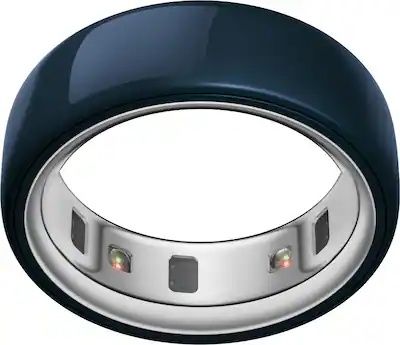
Reviewing your biometric charts on the Herz P1 companion app is simple and highly rewarding.
The app integrates your raw sleep stages, HRV spikes, and oxygen trends into a clear daily readiness score.
If your daily readiness score drops for multiple consecutive days, you must adjust your daily routine.
This is your cue to reduce workout intensity, avoid caffeine, and establish a quiet wind-down routine before sleep.
Using this data helps you proactively recover from stress before it impacts your nervous system.
Additionally, wearing a smart ring for stress reduction ensures you receive real-time insights into physical triggers.
This consistent physiological feedback is highly valuable for building resilience against daily emotional demands.
You can track exactly how dietary choices, alcohol intake, or late-night screen time affect your overnight recovery.
For example, eating a heavy meal late at night typically suppresses your HRV and delays your deep sleep onset.
By adjusting your lifestyle based on hard data, you directly support your body’s delicate circadian clock.
Our military-grade steel ring is light and ergonomic, making it completely comfortable for 24/7 wear.
This continuous, effortless wear ensures that your physiological data streams remain unbroken and fully accurate.
By taking control of your daily habits, you transform raw physical data into lasting mental and physical wellness.
Overcoming Technical Hurdles: Avoiding Bulky Devices and Costly Subscriptions
Many health-conscious individuals begin their biometric tracking journey using heavy, oversized smartwatches.
Unfortunately, wearing a bulky watch to bed often disrupts your natural sleep patterns and causes frequent waking.
This physical irritation can introduce significant errors and anomalies into your overnight sleep reports.
Furthermore, large wrist-based sensors frequently slide during sleep, resulting in highly inaccurate readings.
This sensor slippage can lead to miscalculated sleep stages and falsely reported heart rate spikes.
Another common hurdle in the fitness wearable market is the unexpected addition of monthly subscription fees.
Many prominent brands lock your personal historical charts behind premium paywalls after purchase.
This coercive practice forces you to pay continuously just to view your own biological data trends.
Team Herz P1 believes that access to your health metrics should be completely free and unrestricted.
Our companion application is entirely free for your entire lifetime, with absolutely no hidden monthly charges.
The military-grade steel smart ring fits snugly on your finger to provide precise, error-free optical tracking.
This elegant design ensures a perfect balance of comfortable nightly wear, outstanding durability, and clinical-grade accuracy.
Frequently Asked Questions About Smart Rings and Biometric Tracking
Is the Herz P1 Smart Ring waterproof?
Yes, the Herz P1 features a certified IP68 waterproof rating.
This standard guarantees complete protection against continuous water immersion up to 164 feet.
You can wear it confidently while showering, lap swimming, or washing your hands.
The seamless military-grade steel outer shell protects the delicate inner optical sensors from moisture damage.
How long does the battery last on a single charge?
The Herz P1 battery lasts up to 6 full days of continuous use under normal monitoring conditions.
It utilizes advanced low-energy Bluetooth technology to preserve power and sync data efficiently.
When the battery drains, the magnetic charging dock restores it to full power in under 1 hour.
This rapid charging capability ensures you never have to miss a night of critical sleep tracking.
Which finger is best to wear the smart ring on for accurate tracking?
The index finger of your non-dominant hand is the absolute best choice for clinical accuracy.
This finger contains highly superficial blood vessels that produce the clearest optical sensor signals.
The middle finger is also an excellent alternative if your index finger is unavailable.
Ensure the ring fits snugly but comfortably without spinning freely during normal daily activities.
Does the smart ring store biometric data offline?
Yes, the Herz P1 features local storage capacity that holds up to 7 days of biometric data offline.
You do not need to keep your smartphone constantly connected via Bluetooth to protect your metrics.
The ring will automatically upload and sync all stored data once it reconnects to the companion app.
This feature ensures your physical data stream remains unbroken during outdoor excursions or travel.
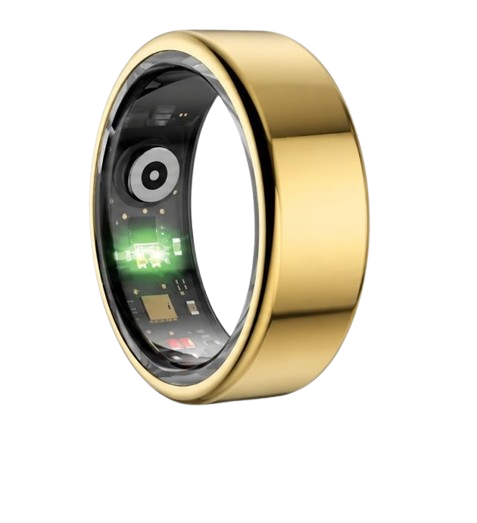
90-Day 100% Money-Back Guarantee
“The Herz Smart Ring helps me manage stress easily. It’s accurate, stylish, and lightweight—perfect for my busy life!”
— Jennifer P. | ✔ Verified Customer
- ✓ 6-Day Battery Life
- ✓ Detailed Sleep Analysis
- ✓ Fast 1-Hour Charging
- ✓ iOS & Android Ready
Questions? Call: 1-866-479-1629
Conclusion: Your Subscription-Free Wellness Journey Starts Here
Tracking biometrics with a subscription-free companion is the ultimate strategy for health. The Herz P1 delivers clinical-grade accuracy and military-grade durability. Ready to monitor your health every day? Explore the Herz P1 Smart Ring. Call: **1-866-479-1629** — our team can advise on the correct ring size and set personalized health goals.
