

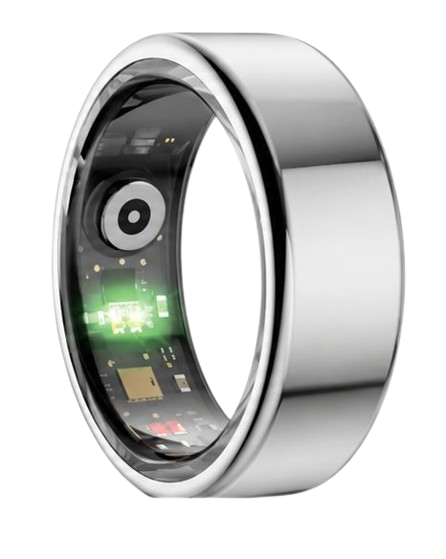
Managing chronic gut conditions requires a vigilant eye on your body’s subtle warnings. The revolutionary Herz P1 Smart Ring provides continuous bio-tracking that acts as an early warning system. By monitoring core metrics, an ibd flare prediction smart ring empowers you to track changes before physical symptoms disrupt your life. We designed this guide to help you recognize these crucial physiological trends early.
Built to Last. Save Up to 69% Today.
The Herz P1 Smart Ring tracks HRV, Sleep, Heart Rate & SpO2 around the clock. No subscriptions. No renewals. Ever.
In This Article
- Tracking Early Signs: Discover how an ibd flare prediction ring tracks systemic inflammation before you feel symptoms.
- How-To Guide: Learn the exact steps to monitor, log, and analyze your baseline biometric data.
- The Science: Understand how temperature fluctuations and autonomic stress relate to gut health flares.
- Clinical Utility: Explore the evidence linking wearable optical sensors to early disease tracking.
How to Track and Predict Inflammatory Bowel Disease Flares Using a Smart Ring
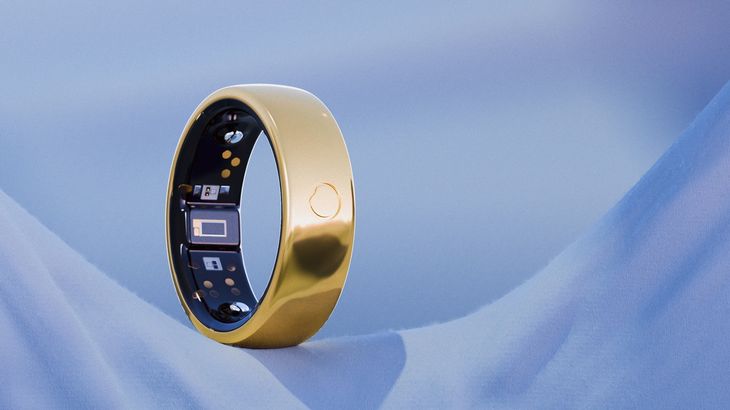
Before you begin, you must acquire a smart wearable device capable of reading continuous, high-resolution biometric signals.
You also need a basic understanding of your own body’s standard physiological rhythms to ensure accurate baseline tracking.
Establishing this baseline is the foundation of early disease tracking and proactive health management.
Step 1: Establish Your Biometric Baseline for Temperature
Your body maintains a stable temperature rhythm that fluctuates predictably throughout the day.
To track subtle internal shifts, you must record your waking skin temperature at the same time each morning.
A high-quality ibd flare prediction ring establishes this baseline automatically over a two-week period.
You should avoid drinking alcohol or exercising heavily right before sleep, as these activities distort your baseline data.
Consistently logging your resting state helps the device filter out external environmental factors.
Over time, the ring learns your physiological normal, which makes identifying sudden changes simple.
Once your baseline is established, you can move on to tracking other critical markers.
Recognizing minor changes in skin temperature is often the first indicator of systemic immune activation.
If your temperature spikes even slightly above your baseline for several days, your body may be fighting inflammation.
This systematic method is essential for spotting an impending flare before clinical symptoms emerge.
Tracking this daily temperature trend builds a solid foundation for your overall digestive health strategy.
With consistent logging, you can identify patterns that might otherwise go unnoticed.
Step 2: Monitor Daily Heart Rate Variability (HRV) Trends
Heart rate variability measures the time variation between consecutive heartbeats in milliseconds.
A high HRV generally indicates a relaxed and resilient nervous system.
Conversely, a sudden drop in HRV indicates that your body is experiencing significant physical stress.
To utilize this metric, check your HRV score in your smart ring app every morning.
Look for a steady downward trend over three to five consecutive days.
This prolonged decline often reflects autonomic nervous system strain, which is linked to gut inflammation.
Always compare your current HRV to your established monthly average rather than daily numbers.
Understanding this trend allows you to predict inflammatory bowel disease flares before they progress.
An early drop in HRV acts as a silent alarm, urging you to rest and recover.
Tracking this nervous system feedback is a crucial pillar of early disease tracking.
By watching these trends, you can make lifestyle adjustments to support your recovery.
This proactive observation is incredibly valuable for maintaining long-term wellness.
Step 3: Analyze Sleep Quality and Resting Heart Rate (RHR)
Sleep architecture and resting heart rate are deeply connected to systemic immune responses.
When your body experiences underlying inflammation, your resting heart rate will often elevate.
At the same time, your deep sleep and REM sleep cycles will likely decrease in duration.
To analyze this, check your daily sleep score and track your overnight RHR trends.
An elevated RHR combined with fragmented sleep is a classic sign of systemic stress.
This combination often occurs days before gastrointestinal symptoms physically manifest.
A reliable fda cleared sleep ring can measure these transitions with clinical accuracy.
Make a note of any nights where your deep sleep drops below fifteen percent of your total sleep time.
Persistent poor sleep quality hinders your body’s ability to regulate inflammatory pathways.
Monitoring these resting metrics provides a clear picture of your overall physiological strain.
Quality sleep is your body’s natural defense mechanism against systemic physical stress.
By prioritizing recovery, you help your body manage chronic conditions more effectively.
Step 4: Evaluate Your Daily Physical Stress Index
A modern smart ring calculates a daily stress index by combining HRV, heart rate, and movement data.
This index reflects how hard your body is working to maintain internal balance.
Review your stress index graph to identify patterns of sustained high stress during rest periods.
If your stress levels remain high while you are sitting quietly, your immune system may be highly active.
This elevated state of alert is a key signal that your body is dealing with internal irritation.
By identifying these hidden stress spikes, you can take immediate action to support your recovery.
Adjust your daily schedule to include deep breathing, meditation, or light walking during these times.
Reducing your physical and emotional load helps mitigate the severity of impending digestive issues.
This proactive management style is the core philosophy of modern proactive wellness tracking.
Consistently reviewing your stress levels keeps you one step ahead of chronic condition flares.
Recognizing these subtle cues prevents you from pushing your body past its physical limits.
Taking early action is the best way to safeguard your overall physical well-being.
Step 5: Synthesize Your Data and Take Proactive Action
The final step involves bringing all your tracked metrics together into a single, cohesive action plan.
When you observe a simultaneous drop in HRV, a rise in RHR, and elevated skin temperature, pay close attention.
This cluster of biometric changes strongly indicates that your body is entering an inflammatory state.
Use these early warnings to adjust your diet, prioritize sleep, and reduce high-intensity workouts.
You should also share these digital reports with your healthcare provider during regular checkups.
Having concrete data makes it much easier to discuss your symptoms and refine your management plan.
This data-driven approach removes the guesswork from managing chronic gastrointestinal health.
It allows you to make informed lifestyle adjustments before a flare forces you to stop.
Consistent tracking is the key to maintaining control over your wellness journey.
By following these steps, you transform raw metrics into a powerful shield against chronic inflammation.
Empowering yourself with continuous data ensures you can navigate your health with complete confidence.
A proactive mindset is your greatest asset when dealing with chronic health tracking.
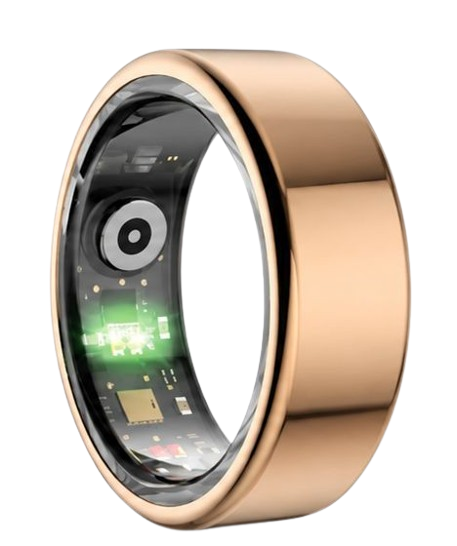
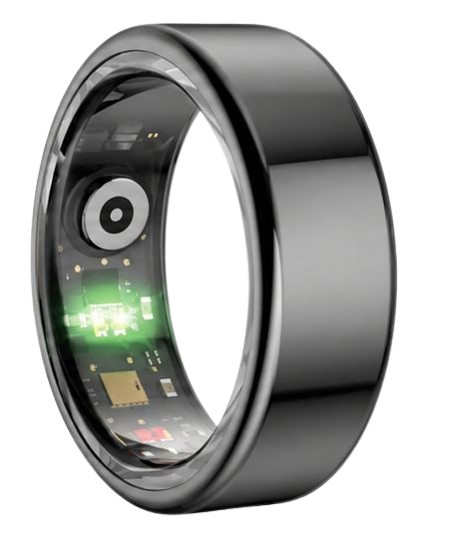
To implement this advanced protocol seamlessly, you need a reliable device like the Herz P1 Smart Ring.
Our subscription-free ring continuously tracks your HRV, sleep, and heart rate without any hidden fees.
Explore the Herz P1 Smart Ring today to start your journey toward advanced, proactive health tracking.
The Science of Using Optical Sensors to Predict Inflammatory Bowel Disease Flares
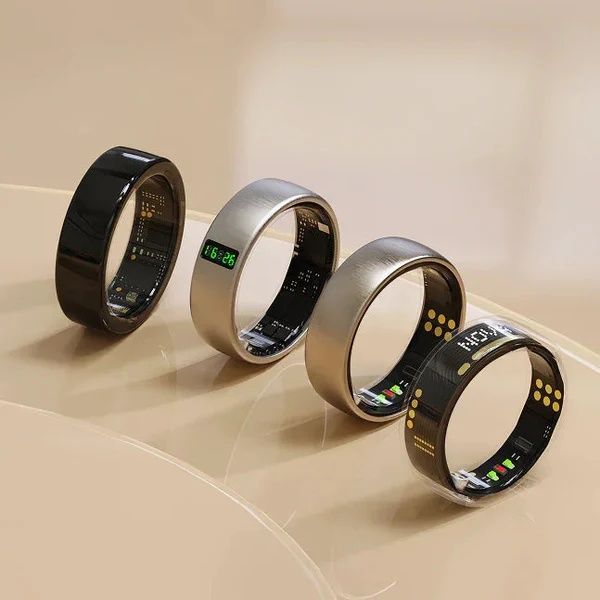
Predicting inflammatory bowel disease flares requires highly sensitive sensors that can detect minute physiological changes.
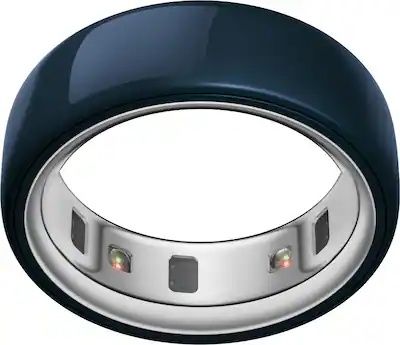
Optical PPG sensors embedded in a smart ring project multi-wavelength light into the capillaries of your finger.
By measuring how this light bounces back, the ring calculates blood volume changes with incredible accuracy.
The capillaries in the finger are highly sensitive to autonomic nervous system signals and core temperature shifts.
This makes the finger an ideal location for continuous, medical-grade biometric monitoring.
When systemic inflammation begins, your body redirects blood flow to vital organs and alters peripheral circulation.
These vascular changes cause distinct alterations in the PPG waveform that a smart ring can detect.
Researchers have found that tracking these blood volume variations provides early clues about immune system activity.
These findings show great promise for individuals looking to manage chronic digestive conditions proactively.
By leveraging this technology, you can identify the body’s warning signs long before you feel physical discomfort.
This optical approach is changing how we think about long-term wellness and chronic disease tracking.
With the right wearable, you can gain a deeper understanding of your body’s complex internal environment.
This scientific foundation is why so many people are turning to smart rings for continuous health tracking.
Using an ibd flare prediction ring provides continuous peace of mind throughout your busy week.
It allows you to live actively while the device silently monitors your internal vitals.
This technological leap represents the future of highly personalized and preventative consumer health tracking.
How Core Skin Temperature Correlates with Gut Inflammation
Your body’s circadian temperature rhythm is regulated by the hypothalamus in response to internal signals.
When the immune system detects irritation in the gut, it releases signaling proteins called cytokines.
These cytokines travel through the bloodstream and signal the brain to raise the body’s thermostat.
This process results in a subtle but measurable rise in overnight skin temperature.
While you may not feel a full fever, a smart ring can easily detect a fraction of a degree increase.
By tracking this metric during sleep, you can spot the earliest stages of an inflammatory response.
Consistently elevated overnight skin temperature is often a primary indicator of an upcoming flare.
By monitoring these subtle temperature shifts, you can make early adjustments to your daily routine.
This continuous monitoring helps you avoid the sudden surprises that often accompany chronic conditions.
Understanding this temperature connection is key to masterfully managing your long-term health.
Even tiny shifts can signal a major change in your internal physiological climate.
A reliable temperature sensor is an indispensable tool for early tracking efforts.
The Role of the Autonomic Nervous System in Digestive Health
The autonomic nervous system controls your body’s involuntary functions, including digestion and heart rate.
It is divided into the sympathetic branch, which drives stress, and the parasympathetic branch, which governs rest.
A healthy gut relies on a strong parasympathetic tone to digest food and keep inflammation in check.
When gut inflammation begins, it triggers a strong sympathetic response, putting your body in a stressed state.
This shift causes your heart rate to become more rigid, which lowers your overall heart rate variability.
By tracking HRV, a smart ring measures the balance between these two vital nervous system branches.
A sustained drop in HRV means your body is struggling to manage the physical stress of inflammation.
This nervous system feedback is invaluable for anyone tracking chronic digestive issues.
It provides a clear, real-time picture of how your body is responding to internal challenges.
By watching these HRV trends, you can actively support your body’s recovery process.
This continuous insight keeps you informed about your body’s immediate physical needs.
A strong autonomic balance is essential for maintaining overall digestive and immune health.
Clinical Utility and Early Tracking of Chronic Inflammatory Conditions
The clinical landscape is rapidly shifting toward continuous, remote patient monitoring to improve outcomes.
Traditional spot-check measurements in a clinic often miss the critical daily fluctuations of chronic diseases.
Using clinical utility smart rings bridges this gap by gathering round-the-clock physiological data.
This continuous stream of metrics provides clinicians with a much richer picture of a patient’s daily health.
For individuals managing smart ring medical conditions, this data is incredibly empowering.
It allows for personalized tracking that fits perfectly into a modern, busy lifestyle.
Furthermore, this technology offers a less intrusive alternative to hospital continuous monitoring systems.
Patients can track their recovery in the comfort of their own homes while maintaining a high level of accuracy.
For those dealing with a medical ring chronic pain lifestyle, early tracking is life-changing.
Knowing when a flare is starting allows for timely interventions that can reduce the severity of pain.
This proactive tracking is proving to be a cornerstone of modern chronic disease management.
As optical sensor technology continues to advance, the clinical utility of these devices will only grow.
They represent a major step forward in personalized medicine and proactive wellness tracking.
By keeping a close eye on these signals, you can take control of your health journey.
The transition from reactive care to proactive tracking is a massive benefit for chronic disease sufferers.
Continuous remote monitoring will likely become the standard for modern healthcare systems.
Having this power on your finger keeps you connected to your body’s health every single second.
How to Apply Smart Ring Biometrics to Your Daily Wellness Routine
Gathering health data is only the first part of achieving a healthier, more balanced lifestyle.
The real power of a smart ring lies in how you apply these metrics to your daily habits.
Begin by checking your companion app every morning to review your overnight recovery and sleep scores.
If you see that your sleep quality is poor, consider making adjustments to your evening wind-down routine.
For example, you might avoid bright screens, heavy meals, or caffeine late in the day.
If you or a loved one is using a smart ring for elderly family members, look for patterns of high resting heart rates.
These patterns can signal dehydration, physical fatigue, or the early stages of a common cold.
Additionally, some users may qualify for a letter of medical necessity wearables program through their health insurance.
This can help offset the cost of the device, making continuous tracking highly accessible.
Always remember to wear your ring on the recommended finger to ensure consistent, high-quality data.
We recommend the index finger of your non-dominant hand for the most reliable optical sensor readings.
Keep the ring clean and dry, especially after workouts, to maintain optical clarity.
By incorporating these simple tips, you can maximize the value of your daily biometric data.
This consistent approach is the best way to support your long-term health and vitality goals.
You will quickly see how small, positive choices can lead to massive improvements in your daily energy.
Using these metrics to direct your lifestyle choices is the ultimate way to stay healthy.
Our wellness team is always available to help you interpret your unique data trends.
Avoiding Common Wearable Mistakes and Optimizing Your Tracking
Many people struggle with biometric tracking because they make common, easily avoidable mistakes.
One major error is wearing a bulky smartwatch to bed, which often disrupts natural sleep patterns.
A lightweight, sleek ring offers a far more comfortable solution for overnight tracking.
Another common pitfall is falling for devices that require ongoing monthly app subscription fees.
These hidden costs can add up quickly, making long-term tracking unnecessarily expensive.
At Team Herz P1, we believe that your health data should belong to you without any extra fees.
That is why our companion app is completely free for a lifetime, with no hidden paywalls.
Another mistake is wearing a ring that is either too loose or too tight on your finger.
A loose ring will slide around, causing gaps in your optical sensor data throughout the day.
A ring that is too tight can restrict blood flow, leading to uncomfortable swelling and inaccurate readings.
To avoid this, use our complimentary sizing kit to find your perfect fit before ordering your ring.
Wear the sample ring for twenty-four hours to see how your finger size changes during the day.
This simple step ensures maximum comfort and clinical-grade data accuracy for years to come.
By avoiding these mistakes, you can focus on what truly matters: improving your daily health.
A proper fit guarantees that you receive the most accurate data from your optical sensors.
Investing a small amount of time in finding your size pays massive rewards in long-term satisfaction.
Do not let poor sizing hold you back from achieving your health optimization goals.
Frequently Asked Questions About Smart Rings
Is Herz P1 waterproof?
Yes, the Herz P1 is fully IP68 waterproof and rated for depths up to 164 feet.
You can wear it safely while swimming, showering, washing your hands, or visiting the sauna.
The seamless military-grade steel construction ensures that water never damages the delicate internal sensors.
This durable design makes it the perfect health companion for active lifestyles and daily tasks.
How long does the battery last?
The Herz P1 battery lasts up to 6 full days on a single charge.
It charges from zero to one hundred percent in under one hour using the included magnetic charger.
This long-lasting battery life eliminates the daily charging anxiety associated with traditional smartwatches.
You can confidently track your sleep and daily activity without worrying about your device dying.
Which finger is best to wear it on?
We recommend wearing the Herz P1 on your index, middle, or ring finger.
The index finger of your non-dominant hand typically provides the strongest and most accurate optical signal.
Ensure the ring fits snugly against the skin without being uncomfortably tight or restricting circulation.
A proper fit ensures that the optical sensors maintain continuous contact with your blood vessels.
Does it store data offline?
Yes, the Herz P1 can store up to 7 days of health data directly on the device.
This means you do not need to keep your phone nearby or connected to Bluetooth at all times.
Once you open the app, the ring will automatically sync all stored metrics to your digital dashboard.
This offline storage capability ensures that you never lose your valuable health history.
90-Day 100% Money-Back Guarantee
“The Herz Smart Ring helps me manage stress easily. It’s accurate, stylish, and lightweight—perfect for my busy life!”
— Jennifer P. | ✔ Verified Customer
- ✓ 6-Day Battery Life
- ✓ Detailed Sleep Analysis
- ✓ Fast 1-Hour Charging
- ✓ iOS & Android Ready
Questions? Call: 1-866-479-1629
Conclusion
The Herz P1 Smart Ring is your ultimate companion for proactive, subscription-free health tracking.
Ready to monitor your health every day? Explore the Herz P1 Smart Ring and see if it fits your lifestyle. Call: 1-866-479-1629 — our team can help you advise on the correct ring size and set personalized health goals.
Note: Individual results may vary depending on individual health conditions, age, and lifestyle habits. This article is intended for general health reference purposes only.
