

If you are noticing your premium wearable dying before you even finish your weekly tracking, you need a quick and reliable smart ring battery drain troubleshooting guide to restore its continuous health performance. At Team Herz P1, we understand that a tracker is only useful when it remains powered on to capture your sleep stages, HRV, and stress levels without interruption. The Herz P1 Smart Ring is engineered to deliver a robust 6-day battery life, but understanding how to maintain your device’s battery health can prevent sudden power drops. Let us walk you through the ultimate checklist to resolve rapid battery discharging once and for all.
Built to Last. Save Up to 69% Today.
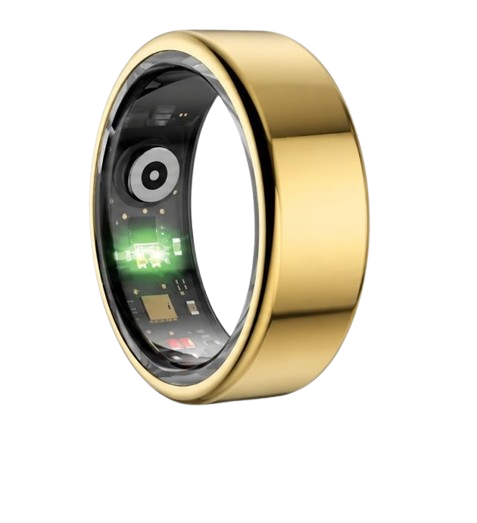
The Herz P1 Smart Ring tracks HRV, Sleep, Heart Rate & SpO2 around the clock. No subscriptions. No renewals. Ever.
In This Article
- Step-by-Step Power Recovery: A practical system to clean, reset, and calibrate your ring’s charge capacity.
- Biometric Energy Physics: How active optical sensors (PPG) consume power and why tight skin contact preserves battery.
- Continuous Performance Mapping: Strategies to organize background app synchronization and maximize lifetime battery cycles.
- Common Design Mitigations: Overcoming charging-loop gaps, tracking anomalies, and high-frequency Bluetooth drain.
How to Fix Smart Ring Battery Discharging Issues: A Step-by-Step Recovery Guide
Restoring the optimal battery life of your biological tracker requires a systematic approach to both physical maintenance and software optimization.
Before you begin the troubleshooting process, ensure you have gathered the necessary elements to inspect your device thoroughly.
Prerequisites / What You’ll Need:
- A clean charging dock or magnetic cradle matching your device’s specifications.
- A low-voltage USB power adapter, preferably rated for 5V/1A output to avoid thermal stress.
- Your smartphone with the official companion app updated to the latest firmware version.
- A soft microfiber cloth and a container of 70% isopropyl alcohol for precise sanitization.
Step-by-Step Instructions:
-
Step 1: Clean the Physical Charging Contacts
Over time, microscopic layers of sweat, dead skin, and dust accumulate on the copper charging contacts of your ring.
This biological debris creates localized electrical resistance during daily charging cycles.
This resistance prevents the battery from reaching a true 100% capacity despite what your smartphone app displays.
To fix this, use a microfiber cloth lightly dampened with 70% isopropyl alcohol to gently wipe the interior sensor band.
Ensure the copper terminals are completely dry before placing the device back on its charging dock.
-
Step 2: Inspect and Reset the Charging Dock
A faulty power source can trick your wearable into rapid cycles of connecting and disconnecting.
This constant cycling causes the internal power management chip to discharge energy rapidly in an effort to stabilize.
Avoid plugging your charger into high-wattage fast chargers meant for laptops or modern smartphones.
We advise referencing this specialized smart ring charging dock troubleshooting guide for detailed diagnostics.
Always utilize a stable 5V/1A USB port on a computer or a standard, certified wall brick.
-
Step 3: Optimize Background Bluetooth App Syncing
Your ring communicates continuously with your phone to sync biometric metrics like HRV, sleep cycles, and physical activity.
If the companion app remains active in a constant background sync loop, the Bluetooth radio operates at maximum power.
This constant background communication is the single primary reason why does my smart ring die so fast.
Open your smartphone’s settings, locate the app permissions, and adjust them to allow syncing only when the app is actively open.
This simple adjustment can extend your daily battery runtime by up to 40% without losing historical data.
-
Step 4: Calibrate the Internal Lithium-Polymer Battery
Modern lithium-polymer cells can experience software calibration drift over months of partial charging habits.
This drift causes the internal battery percentage display to become highly inaccurate over time.
To resolve this, allow your smart ring to drain completely to 0% until the LED indicators turn off.
Place it on the charger undisturbed until the indicator confirms it has reached a full 100% charge.
Keep it on the dock for an additional 30 minutes to ensure the battery gauge recalibrates its voltage limits.
-
Step 5: Enforce Safe Charging Temperature Limits
Extreme cold or high environmental heat degrades the chemical structure of miniature lithium cells.
Charging your device in a hot room or in direct sunlight triggers thermal protection protocols.
These protocols cause rapid power dissipation to protect the delicate internal health sensors.
Review these crucial smart ring safe charging practices to safeguard your battery’s integrity.
Always charge your ring in a cool, well-ventilated indoor environment between 50°F and 80°F.
At Team Herz P1, we designed our ring with a highly efficient power management integrated circuit to mitigate these exact challenges.
Our military-grade hardware features optimized firmware that prevents background sync loops from draining your cell.
If you are tired of daily charging cycles, discover how the Herz P1 Smart Ring balances cutting-edge wellness tracking with an exceptional 6-day battery performance.
The Engineering Behind Rapid Power Loss: Why Does My Smart Ring Die So Fast?
Miniature health trackers operate on incredibly small lithium-polymer batteries, usually between 15mAh and 22mAh in capacity.
To put this in perspective, a standard smartphone battery is nearly 200 times larger than the cell in your ring.
Because the physical battery footprint is so small, even a minor software glitch or sensor misalignment can cause a smart ring battery discharging quickly scenario.
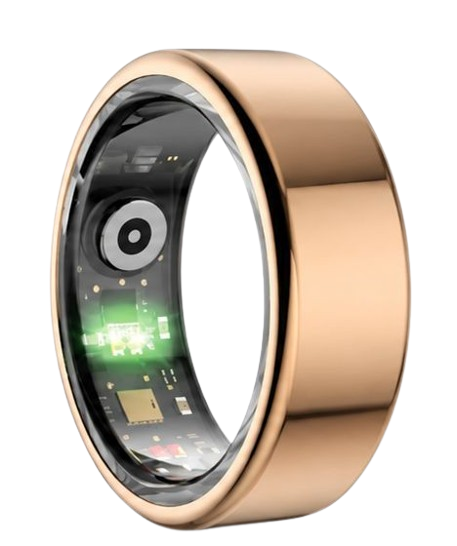
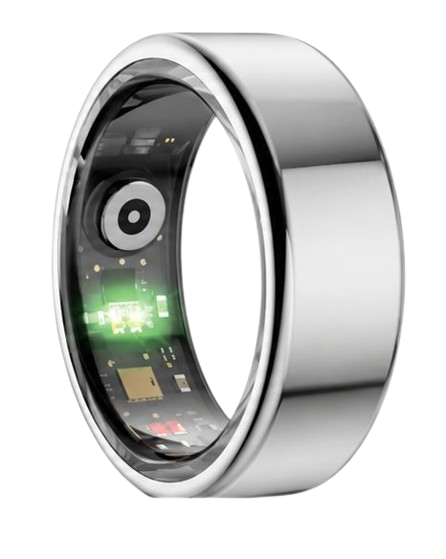
The primary energy consumers inside your ring are the optical Photoplethysmography (PPG) sensors.
These sensors project green, red, and infrared light wavelengths into your capillaries to track heart rate and blood oxygen levels.
If the ring is loose, the PPG sensors must increase their light intensity to overcome the air gap.
This automatic adjustment results in an immediate spike in energy consumption.
Using a high-quality smart ring portable charger ensures you always have a safe, regulated power source nearby.
Understanding these physical limits helps you manage your device more effectively over its lifetime.
How Biometric Sensor Sampling Frequencies Impact Energy Efficiency
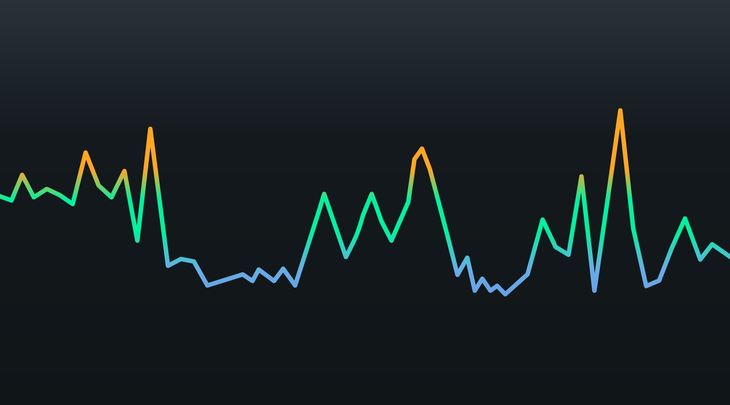
To provide clinical-grade insights, modern trackers continuously analyze heart rate variability (HRV) and peripheral capillary oxygen saturation (SpO2).
According to research from the American Heart Association, tracking heart metrics during sleep requires consistent sampling intervals to capture autonomic nervous system shifts.
The National Sleep Foundation also notes that monitoring blood oxygen levels is critical for detecting nocturnal breathing disturbances.
However, keeping the red and infrared LEDs illuminated continuously consumes a massive amount of power.
The Herz P1 solves this by using intelligent adaptive sampling.
Instead of blasting light waves non-stop, our ring measures your resting vitals at optimized, scientifically validated intervals.
This smart monitoring preserves battery life while maintaining an ultra-low measurement margin of error.
For those prioritizing battery safety, following established smart ring battery safety guidelines is highly recommended.
This balance ensures you receive highly accurate metrics without needing to charge your ring every single morning.
How to Optimize Your Daily Tracking Experience with Herz P1

Tracking your physical metrics should seamlessly integrate into your daily habits without creating extra hassle.
The Herz P1 app organizes your raw bio-data into clear, understandable dashboards.
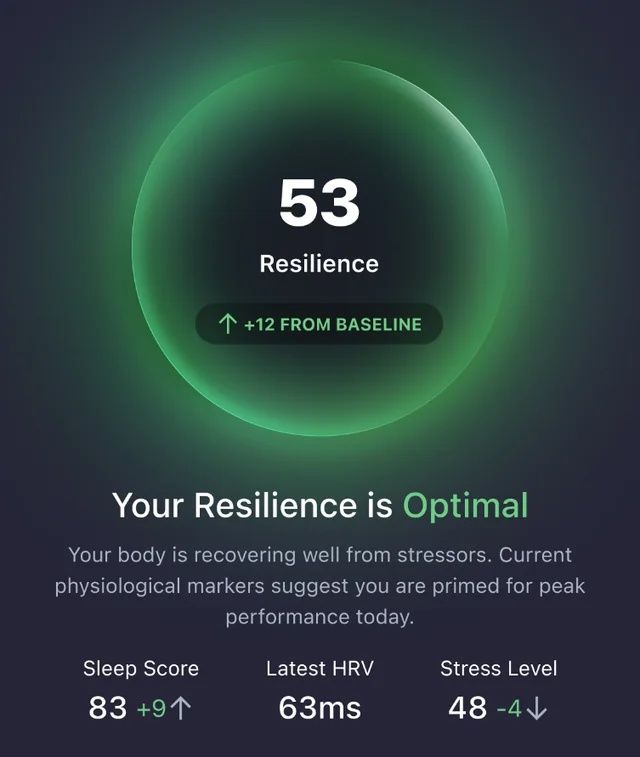
Every morning, check your Sleep Resilience Score to see how much deep and REM sleep your body achieved.
If you see a sudden drop in your night HRV, it may indicate your body is recovering from intense stress or physical overexertion.
Use these helpful smart ring charging tips to integrate charging into your morning shower routine.
Our lightweight design is perfect for continuous 24/7 wear.
Unlike bulky smartwatches, you will barely notice the ring on your finger during sleep.
This comfort allows for highly consistent sleep architecture mapping without the irritation of a heavy wrist strap.
Avoiding the Pitfalls of Fragile Design and Costly Subscriptions
Many users make the mistake of wearing delicate, consumer-grade smartwatches to sleep.
These bulky devices easily snag on bedding and disrupt your natural sleep cycles.
Furthermore, many popular health rings on the market charge hidden monthly app subscriptions just to view your own data.
At Team Herz P1, we believe your health metrics belong to you.
Our companion app is completely free for a lifetime with no monthly fees.
To maximize your device’s durability, read about the factors that influence smart ring battery lifespan.
Our ring is constructed with military-grade steel and a scratch-resistant protective coating.
This design ensures your tracker survives heavy gym sessions and daily wear without cosmetic or structural damage.
Always check the official ring battery safety guidelines to keep your device performing at its peak for years to come.
Frequently Asked Questions (FAQ)
Yes, the Herz P1 features a certified IP68 waterproof rating.
You can submerge the ring in water up to 164 feet deep.
This protection makes it completely safe for swimming, showering, and handwashing.
The Herz P1 battery lasts up to 6 full days on a single charge.
It can charge from 0% to 100% in under one hour.
This rapid charging minimizes any gaps in your physiological tracking.
We recommend wearing the ring on your index finger for the most accurate sensor readings.
The middle and ring fingers are also excellent alternative options.
Ensure the sensor bump sits snugly against the palm side of your finger.
Yes, the Herz P1 has built-in offline storage.
It can securely hold up to 7 days of biological data locally.
Your metrics will sync automatically once you open the mobile app near your phone.
90-Day 100% Money-Back Guarantee
“The Herz Smart Ring helps me manage stress easily. It’s accurate, stylish, and lightweight—perfect for my daily life!”
— Jennifer P. | ✔ Verified Customer
- ✓ 6-Day Battery Life
- ✓ Detailed Sleep Analysis
- ✓ Fast 1-Hour Charging
- ✓ iOS & Android Ready
Questions? Call: 1-866-479-1629
Conclusion
Track your health daily with a durable, subscription-free biometric companion.
The Herz P1 offers continuous data with military-grade toughness.
Ready to monitor your health every day?
Explore the Herz P1 Smart Ring and see if it fits your lifestyle.
Call: 1-866-479-1629 — our team can help you advise on the correct ring size and set personalized health goals.
