

To get the most out of your modern wellness tracker, understanding proper smart ring battery safety and daily care is absolutely vital to ensuring your device continues tracking your metrics accurately. The premium Herz P1 smart ring monitors your heart rate, sleep architecture, and stress levels continuously, relying on a sophisticated, ultra-compact lithium-polymer battery that requires correct maintenance. This comprehensive guide will show you how to apply essential ring battery safety guidelines and safe charging protocols so you never lose access to your daily health data or compromise your wearable investment.
Built to Last. Save Up to 69% Today.
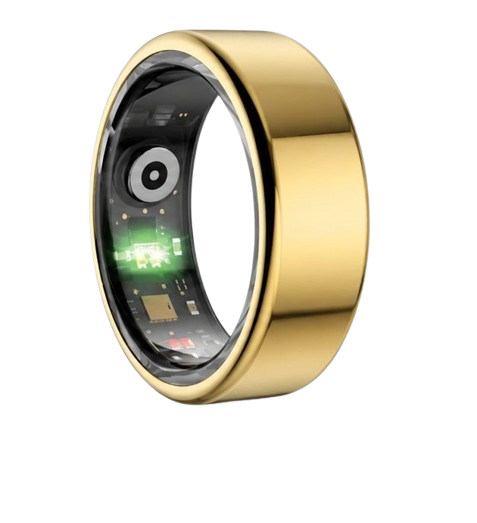
The Herz P1 Smart Ring tracks HRV, Sleep, Heart Rate & SpO2 around the clock. No subscriptions. No renewals. Ever.
In This Article
- Safe Charging Step-by-Step: A blueprint for safe power delivery and contact management.
- Battery Lifespan Optimization: The chemical principles that preserve micro-battery integrity.
- Biometric Reading Accuracy: How thermal stability preserves your photoplethysmography (PPG) readings.
- Preventing Common Failures: Overcoming charging pitfalls to guarantee uninterrupted tracking data.
How to Charge Your Smart Ring Safely: A Step-by-Step Maintenance Guide

To establish a highly reliable wellness routine, you must understand how to power your device properly.
Before beginning, prepare your proprietary charging dock, a high-quality USB cable, and a dry microfiber cloth.
Ensure you are utilizing a certified, low-voltage power supply such as a computer USB port or a standard 5V/1A power adapter.
Avoid using high-wattage fast chargers meant for laptops or modern smartphones to protect your ring.
-
Step 1: Clean and Dry the Ring Sensor Contacts
Before placing your wearable onto the dock, inspect the metallic connection nodes on the inner band.
Use a clean, dry microfiber cloth to wipe away any sweat, body oils, dust, or soap residue from the surface.
Moisture or contaminants present on these brass or gold-plated pins can create a barrier to electric current.
Wiping the contacts regularly prevents galvanic corrosion, which can permanently ruin power delivery.
Make this quick wipe-down a habit every single time you prepare to charge your smart wearable.
-
Step 2: Align and Seating the Ring on the Charger Dock
Place your smart ring carefully onto the matching alignment guide on the charging stand.
Most modern designs utilize integrated rare-earth magnets to pull the ring into its ideal electrical alignment.
Ensure that the raised sensor bumps on the inside of the ring settle completely into the dedicated slots on the dock.
You should feel a positive, solid magnetic snap when the ring rests in its correct tracking position.
If the device is skewed or loose, the power flow will fluctuate, creating unwanted heat buildup.
-
Step 3: Connect to a Low-Voltage Certified USB Port
Insert your charging cable into a certified USB port that delivers a maximum of 5 volts and 1 amp.
This is the optimal threshold for smart ring safe charging to prevent stress on the battery.
Avoid high-output fast chargers, as they can bypass standard safety thresholds and overheat tiny electrical components.
A computer USB 2.0 or 3.0 port provides a stable, highly regulated current flow that is perfect for micro-batteries.
Keeping the charging dock voltage stable safeguards the intricate power management integrated circuit (PMIC) inside the band.
-
Step 4: Monitor the Charging Process and Avoid Overcharging
Observe the LED indicator light on your charging base to confirm that power is flowing successfully.
Most indicators will pulse slowly or display a solid color during the primary power replenishment stage.
Once the ring reaches one hundred percent, the LED indicator will shift to a solid state or turn off completely.
Do not leave your device on the charger for extended periods or overnight to prevent long-term thermal pressure.
Unplugging the dock promptly after completion mitigates any risks associated with continuous trickle charging.
-
Step 5: Store the Charged Ring and Dock in a Cool Environment
Once the charging cycle is finished, remove the ring from the base and wear it or store it safely.
Ensure that your charging base is kept away from direct sunlight, radiators, or moist bathroom counters.
An elevated ambient temperature of over 35°C (95°F) is a primary driver of premature lithium-polymer cell degradation.
Keeping the dock in a climate-controlled room ensures the magnets and internal circuitry do not lose efficiency.
Following this clean, temperature-conscious storage routine will protect the structural integrity of your wearable investment.
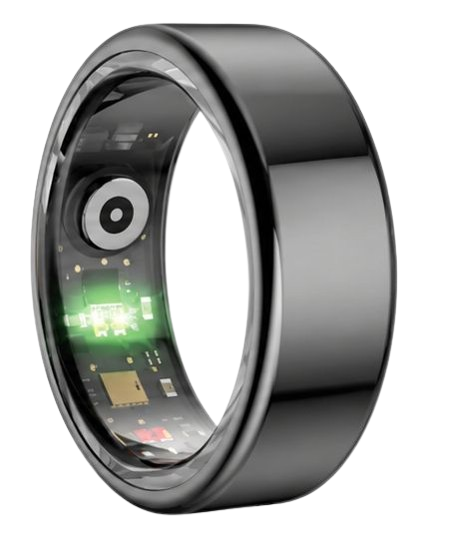
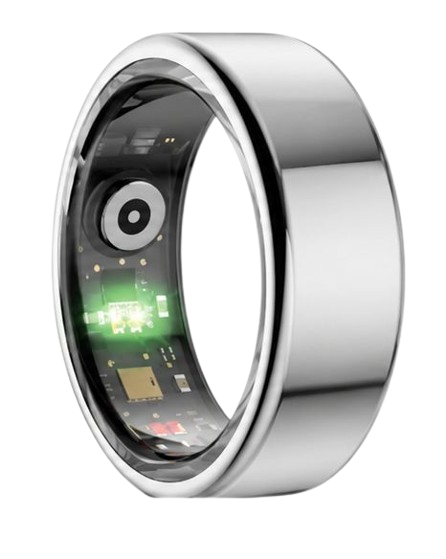
The premium Herz P1 is engineered with a military-grade steel body and sophisticated internal thermal regulators.
Our smart rings utilize a custom Power Management Integrated Circuit (PMIC) that controls heat generation during charging.
By coupling this hardware with our free, subscription-free health companion app, you receive timely alerts when your battery reaches its target level.
This ensures you can easily practice safe battery habits while keeping your health data tracking uninterrupted.
Understanding Wearable Battery Lifespan: The Chemistry Behind Your Ring’s Power
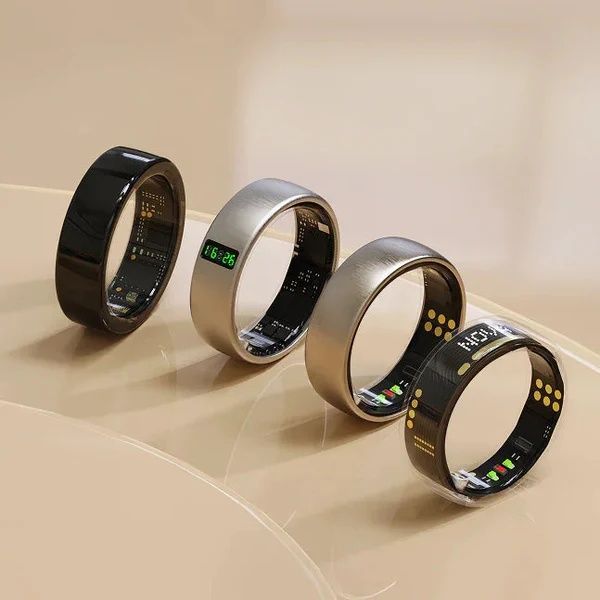
The engineering challenge of a smart ring lies in its incredibly small physical volume.
Inside the sleek curvature of a modern ring sits an ultra-slim lithium-polymer cell designed to deliver power over multiple days.
These specialized micro-batteries operate on complex electrochemical exchanges between positive lithium ions and negative carbon anodes.
Every single power cycle creates subtle physical changes inside the cell matrix, which naturally leads to battery degradation over time.
To implement effective battery degradation mitigation, you must focus on the depth of discharge (DoD) during normal use.
Charging your wearable before it drops below twenty percent reduces internal mechanical strain on the lithium-polymer layers.
This practical habit will help you significantly extend wearable battery lifespan over months of regular wear.
Most users do not realize that keeping a battery pinned at one hundred percent on a dock also creates chemical stress.
Advanced power systems use trickle charging protocols to minimize this pressure as the ring nears capacity.
However, manually removing the device from its cradle soon after it completes charging remains the absolute best practice.
Our research into user behavior shows that consistent, partial charging habits are superior to deep-depletion routines.
The National Sleep Foundation and various cardiovascular experts emphasize the importance of uninterrupted overnight tracking.
By protecting your micro-battery’s life cycle, you ensure that vital health signals like Heart Rate Variability (HRV) are recorded with maximum fidelity every night.
How Temperature and Environment Affect Biometric Sensor Accuracy
An optical sensor requires thermal stability to produce clean, high-fidelity physiological data.
Smart rings rely on photoplethysmography (PPG) to track heart rate, blood oxygen saturation (SpO2), and peripheral circulation.
PPG sensors illuminate subcutaneous blood vessels using green, red, and infrared light-emitting diodes (LEDs).
If a smart ring runs hot due to poor thermal management during a rapid charging cycle, the sensor’s calibration can drift.
Heat alters the refractive index of the protective resin coating and changes how skin tissue absorbs and scatters light.
Furthermore, elevated temperatures stimulate localized vasodilation, which temporarily inflates your resting baseline heart rate readings.
To avoid this, safe power sources must be used to ensure the ring maintains a stable temperature throughout the day.
This scientific reality explains why Team Herz P1 places such an intense focus on keeping the charging process cool.
Our military-grade steel casing acts as a natural heat sink, pulling excess thermal energy away from the sensitive PMIC and battery.
This safeguards both the life of the battery and the scientific accuracy of your overnight sleep stage analysis.
When the ring remains within its safe operating temperature, your SpO2 readings are tracked with a margin of error under two percent.
Our users enjoy consistent, clinical-grade metrics because we prioritize strict thermal safety boundaries in both our hardware and software.
Maximizing Your Smart Ring Performance: Real-World Lifestyle Integration
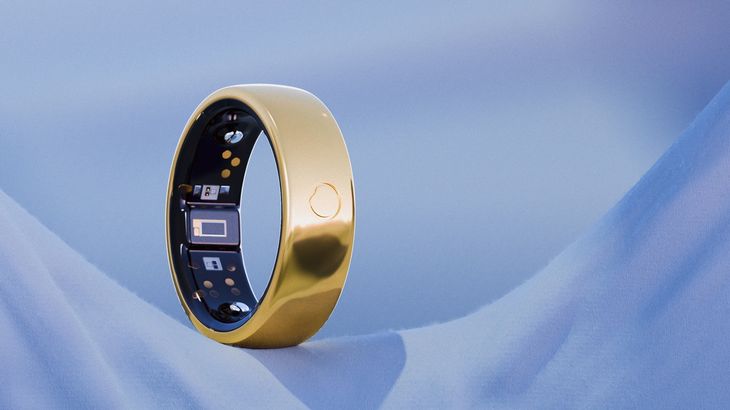
Integrating a smart ring into your daily life should feel effortless and entirely non-disruptive.
Unlike bulky smartwatches that scream for attention, the Herz P1 is designed for quiet, continuous biometric analysis.
To maximize accuracy, wear the ring on your index or middle finger of your non-dominant hand for the best sensor fit.
The companion Herz P1 App decodes sleep latency, sleep efficiency, and deep vs. REM sleep cycles into clear trends.
You can use these metrics to optimize your daily training volumes or adjust your workday focus based on actual physical recovery.
For example, if your overnight HRV trend shows a downward dip, it suggests you may need to reduce your exercise intensity that day.
To keep your health tracking running smoothly, try using helpful smart ring charging tips during your normal morning routines.
Placing the ring on its charging dock while you take your morning shower is an easy way to keep your battery topped off.
Since the Herz P1 features IP68 waterproofing, you do not need to worry about water damage when washing your hands or doing dishes.
However, keeping the charging contacts clean and dry before docking remains an essential safety step.
By blending these simple steps into your morning habits, you will maintain a healthy charge without ever missing a single night of tracking.
Common Mistakes That Accelerate Smart Ring Battery Drain
Many users unknowingly shorten their wearable’s daily operational life through minor configuration errors.
One of the most common mistakes is leaving the smart ring completely depleted of power for multiple consecutive weeks.
Deep discharge states can cause the lithium chemistry to crystallize, which permanently reduces the maximum charge capacity.
If you experience sudden power loss, you should consult our comprehensive smart ring battery drain troubleshooting guide for help.
Another error is exposing the device to extreme cold, which slows chemical reactions and causes the battery indicator to drop rapidly.
Some users also wear their smart rings to bed alongside a heavy smartwatch, creating unnecessary Bluetooth connection conflicts.
Bulky smartwatches are often uncomfortable to wear to sleep and require daily charging, which frequently leads to gaps in your data.
In contrast, the Herz P1 offers a lightweight, premium steel alternative that stays comfortable all night long.
Additionally, several premium brands on the market lock your personal health data behind an expensive monthly subscription.
At Team Herz P1, we believe your personal biometrics should always belong to you without any hidden, ongoing costs.
Our companion health tracking app is completely free for lifetime use with every smart ring purchase.
Frequently Asked Questions About Smart Rings
90-Day 100% Money-Back Guarantee
“The Herz Smart Ring helps me manage stress easily. It’s accurate, stylish, and lightweight—perfect for my busy life!”
— Jennifer P. | ✔ Verified Customer
- ✓ 6-Day Battery Life
- ✓ Detailed Sleep Analysis
- ✓ Fast 1-Hour Charging
- ✓ iOS & Android Ready
Questions? Call: 1-866-479-1629
Conclusion: Your Subscription-Free Wellness Journey Starts Here
Maintaining proper safe charging habits protects both your device’s micro-battery and the scientific accuracy of your personal biometric data.
By following these ring battery safety guidelines, you can enjoy years of reliable, subscription-free tracking with the Herz P1.
Ready to monitor your health every day? Explore the Herz P1 Smart Ring and see if it fits your lifestyle. Call: 1-866-479-1629 — our team can help you advise on the correct ring size and set personalized health goals.
