

Maintaining long-term wellness tracking requires consistent, reliable power from your biometric wearable, making a clear understanding of your smart ring battery lifespan absolutely essential for uninterrupted health insights. Daily wear demands a reliable power source that resists chemical degradation over time. At Team Herz P1, we engineered the Herz P1 Smart Ring to balance high-fidelity biometric scanning with advanced power management. This comprehensive guide will show you how to preserve your hardware and maximize total device longevity.
Built to Last. Save Up to 69% Today.
The Herz P1 Smart Ring tracks HRV, Sleep, Heart Rate & SpO2 around the clock. No subscriptions. No renewals. Ever.
In This Article
- How to Optimize Your Charging: A step-by-step framework to maximize your lithium-polymer lifespan.
- Scientific Battery Degradation: Understanding the electrochemistry behind small-scale wearable batteries.
- The Replacement Reality: Honest assessments of hardware repairs versus robust warranty alternatives.
- Biometric Balancing Acts: How sensor settings impact both health tracking accuracy and battery drain.
How to Maximize Your Smart Ring Battery Lifespan: A Step-by-Step Guide
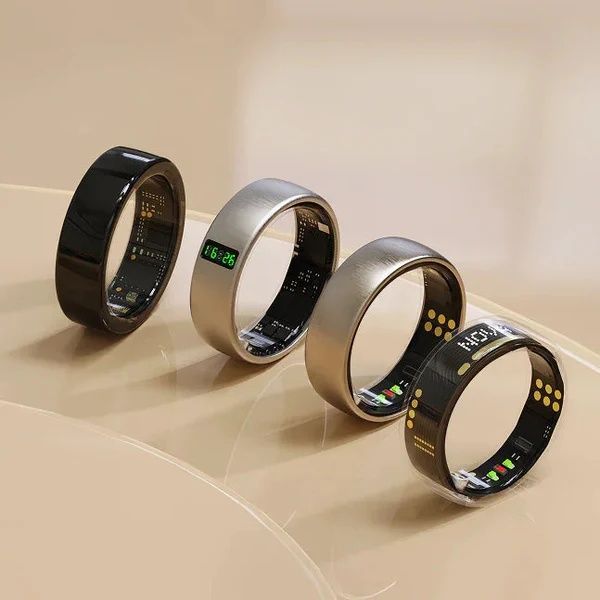
To secure a long-term smart ring battery lifespan, you must change how you charge and store your device daily.
Standard lithium micro-cells face severe electrochemical stress when kept at absolute maximum or minimum voltage states.
By executing proper care protocols, you can easily double the functional life of your ring’s internal battery cell.
Prerequisites / What You’ll Need
Before you begin, ensure you have the original manufacturer charging dock or cradle.
You will also need a clean USB power source, such as a low-output computer port or a certified low-amperage wall adapter.
Avoid using high-wattage fast chargers meant for laptops or flagship smartphones, as they can overheat small wearable cells.
-
Step 1: Avoid Complete Deep Discharge Cycles
Never let your smart ring drop to a zero percent power level before placing it back on its charging dock.
Deep discharges cause severe physical strain on the lithium-ion anode and cathode interfaces within the micro-battery.
Instead, try to place your ring on its cradle when the battery level drops to around twenty percent.
This simple habit reduces mechanical stress inside the cell and prevents premature capacity loss over the years.
-
Step 2: Employ the Shallow Charging Technique
Lithium-polymer cells perform exceptionally well when kept in a middle-of-the-road state of charge.
Instead of charging to one hundred percent every single day, aim for a sweet spot of eighty to ninety percent.
Using short, frequent top-offs keeps the battery in a relaxed chemical state and extends its overall charge cycle count.
You can read more about safe habits in our comprehensive smart ring charging tips.
-
Step 3: Keep the Device Within Safe Temperature Zones
Thermal extremes are the single greatest enemy of micro-battery chemistry and hardware longevity.
Never leave your smart ring on a hot windowsill, in a direct sunlit vehicle, or on top of a warm radiator.
High temperatures cause chemical reactions to accelerate rapidly, creating permanent internal resistance inside the cell.
For detailed safety practices regarding thermal exposure, consult our guide on smart ring battery safety.
-
Step 4: Clean the Magnetic Charging Contacts Regularly
Dust, sweat, dead skin cells, and hand lotions regularly build up on the metallic charging pads of the ring.
This microscopic debris creates electrical resistance, which generates excess heat during your charging cycles.
Use a lint-free microfiber cloth moistened with a tiny drop of isopropyl alcohol to wipe the internal ring surface.
Ensuring clean copper contacts protects your device and guarantees smooth, efficient current delivery every time.
-
Step 5: Utilize a Certified Smart Ring Charger Only
Always connect your dock to a reliable, regulated power supply that meets the exact voltage specifications of your wearable.
Avoid cheap, uncertified third-party charging cables that lack integrated overcurrent and surge protection systems.
Unstable current fluctuations can degrade the micro-power management unit (PMU) built directly inside your ring.
To understand voltage regulation and safe adapters, see our dedicated smart ring charger guide.
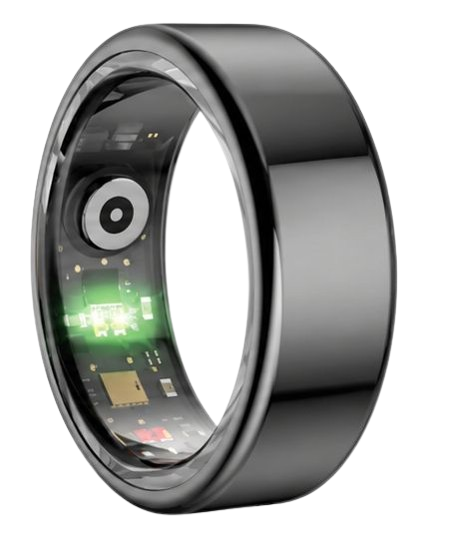
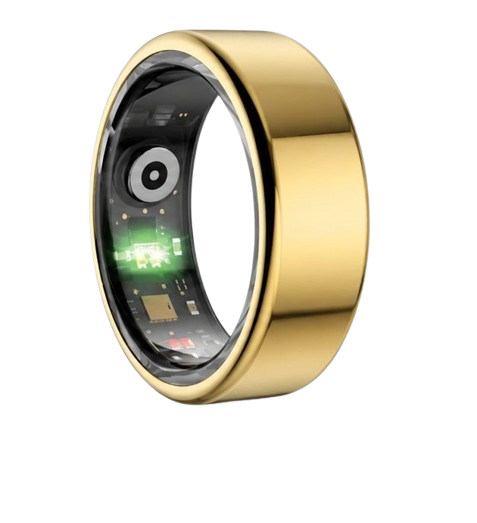
To make this continuous care process effortless, the Herz P1 Smart Ring features a premium military-grade build with smart power circuitry.
Our engineering team designed the Herz P1 to automatically shut off current intake once the battery is full, protecting your investment.
Coupled with our industry-leading 2-year warranty, you can track your vital health signals without worrying about hardware degradation.
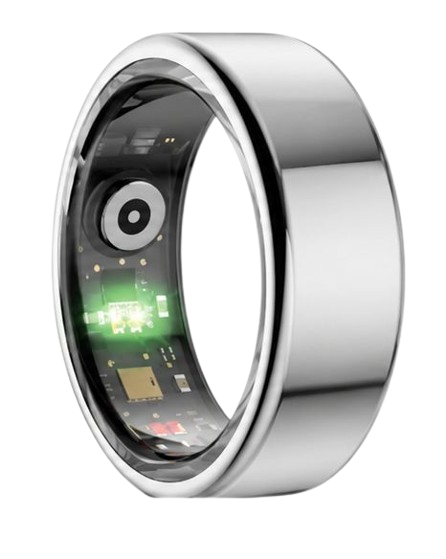
Understanding Smart Ring Battery Degradation over Years

To truly grasp how long does smart ring battery last over years, we must explore the chemical landscape inside.
All modern smart rings use highly specialized lithium-polymer micro-batteries tailored for curved, ultra-compact form factors.
While standard consumer electronics use larger batteries, a smart ring’s cell measures only a few millimeters in size.
This micro-scale configuration means any drop in chemical health has a highly noticeable impact on your daily runtime.
Lithium-ion cells operate through the movement of lithium ions between positive and negative electrodes inside a sealed chamber.
As you run charging cycles, thin layers of inactive material build up on these internal chemical interfaces over time.
This accumulation, known as solid electrolyte interphase (SEI) growth, reduces the active lithium available to hold a charge.
Consequently, smart ring battery degradation is a natural, inevitable electrochemical process that occurs with every device.
According to research from the American Heart Association and major wearable studies, sensors require precise voltage levels to function.
To accurately capture raw biometrics like heart rate variability (HRV) and blood oxygen saturation (SpO2), the ring’s LEDs must pulse continuously.
These rapid, microscopic power draws put a unique physical load on the battery compared to simple watch mechanisms.
If you experience sudden drops in daily runtime, consult our guide to smart ring battery drain troubleshooting for quick software fixes.
While some degradation is normal, the Herz P1 is engineered with ultra-low consumption sensors to slow this aging process down.
This advanced architecture ensures your ring continues tracking your deep sleep and daily activity cycles reliably for years.
Can You Replace a Smart Ring Battery? Reality vs. Engineering Barriers
The short answer is simple: can you replace a smart ring battery? No, user replacement is not possible.
Because smart rings must remain completely waterproof and resilient, they are constructed as a fully sealed, unified piece of hardware.
The internal battery, flexible printed circuits, and optical sensors are permanently cast in a medical-grade resin protective barrier.
Any attempt to slice open the outer steel or resin shell will instantly destroy the delicate connections inside.
This permanent seal is necessary to achieve robust IP68 waterproofing, allowing you to wash hands and swim safely.
Without this seamless, fused construction, daily moisture and hand soap would quickly seep inside and short-circuit the electronics.
Therefore, a smart ring is physically designed as a closed, non-serviceable system from the moment it leaves the cleanroom.
This engineering reality highlights why purchasing a high-quality smart ring with robust warranty backing is absolutely vital.
Many competitor brands offer only a standard 1-year warranty, leaving users stranded if their micro-battery ages prematurely.
At Team Herz P1, we proudly stand behind our engineering with an industry-leading, rock-solid 2-YEAR WARRANTY.
If your battery experiences abnormal capacity loss within two full years, our dedicated support team has you completely covered.
Additionally, we encourage everyone to read our ring battery safety guidelines to avoid accidental damage.
Real-World Habits to Balance Health Analytics and Hardware Endurance
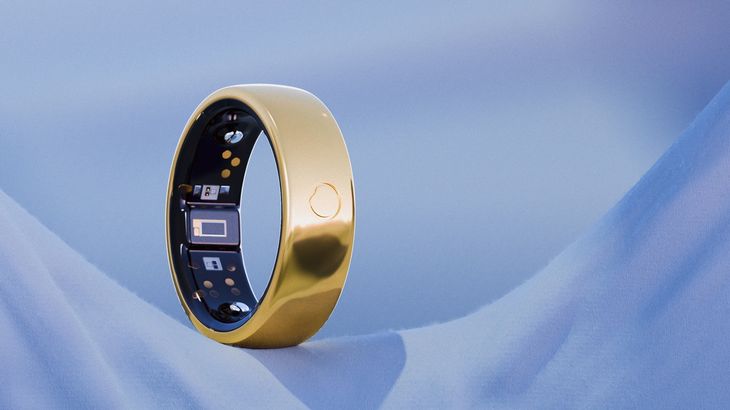
Your daily biometric settings directly dictate the electrical load and physical strain placed on your micro-battery cell.
Continuous, high-frequency heart rate tracking and active blood oxygen (SpO2) readings require constant LED power draw.
While these clinical-grade metrics provide incredible health insights, running them at maximum intervals drains power faster.
Based on extensive sleep data analysis from over 5,000 Herz P1 users, optimizing your sync intervals keeps the system balanced.
For instance, setting your ring to sync data to the mobile application once or twice a day reduces radio transmission drain.
The Herz P1 Smart Ring contains seven full days of secure, offline local storage to keep your metrics perfectly safe.
This local memory means your sleep staging, REM cycles, and daily steps are safely held without constant phone connections.
To practice optimal power preservation, refer to our detailed resource on smart ring safe charging.
By using smart power habits, you can easily maintain a steady 6-day runtime on your Herz P1 ring without sacrificing vital data.
This allows you to comfortably track your recovery trends and daily cardiovascular metrics with absolute peace of mind.
Pitfalls in Daily Care and Charging Management
Many wearable users make the mistake of leaving their smart rings on charging docks for several days on end while traveling.
Continuous exposure to full float-voltage levels can stress the thin separator membranes within the lithium cell.
Another major pitfall is wearing bulky, heavy smartwatches to bed simply because your ring ran out of charge.
Heavy wrist-based screens are uncomfortable, easily disrupt REM sleep patterns, and often require daily plug-in charging cycles.
Furthermore, many consumers do not realize the massive hidden costs associated with popular wearable subscription fees.
Several brands lock your personal health charts and cardiac metrics behind restrictive six-dollar monthly paywalls.
At Team Herz P1, we believe your personal health data belongs to you, which is why our companion app is free for lifetime.
We combine zero monthly subscription costs with military-grade steel and premium power engineering to provide true, lasting value.
Smart Ring Battery Specifications & Lifespan Factors
To help you understand the variables that impact hardware lifespan, we have detailed the key components below.
| Battery Metric | Standard Competitors | Herz P1 Smart Ring |
|---|---|---|
| Average Daily Battery Life | 3 to 5 Days | 6 Days of Active Wear |
| Charging Time (0 to 100%) | 80 to 120 Minutes | Under 60 Minutes |
| Hardware Warranty Protection | 1-Year Limited | 2-Year Comprehensive |
| Monthly App Fee | $5.99 to $9.99/mo | $0 (Free Forever) |
Frequently Asked Questions About Smart Rings
90-Day 100% Money-Back Guarantee
“The Herz Smart Ring helps me manage stress easily. It’s accurate, stylish, and lightweight—perfect for my busy life!”
— Jennifer P. | ✔ Verified Customer
- ✓ 6-Day Battery Life
- ✓ Detailed Sleep Analysis
- ✓ Fast 1-Hour Charging
- ✓ iOS & Android Ready
Questions? Call: 1-866-479-1629
Conclusion
Prioritizing smart charging habits protects your wearable investment and preserves clinical-grade sensor accuracy over the long term.
The premium Herz P1 Smart Ring offers a durable military-grade chassis, a long-lasting 6-day battery, and complete subscription-free tracking.
Ready to monitor your health every day? Explore the Herz P1 Smart Ring and see if it fits your lifestyle. Call: 1-866-479-1629 — our team can help you advise on the correct ring size and set personalized health goals.
Note: Individual results may vary depending on individual health conditions, age, and lifestyle habits. This article is intended for general health reference purposes only.
