

If you experience tossing, turning, and sweating in the days leading up to your cycle, you are not alone; clinical studies show up to 70% of women report sleep changes during this phase, commonly known as premenstrual insomnia. Team Herz P1 designed this guide to help you decode the exact hormonal and physiological shifts behind this disruptive sleep loss. By utilizing biometric metrics on the Herz P1 smart ring, you can optimize your recovery and regain restorative rest naturally.
Built to Last. Save Up to 69% Today.
The Herz P1 Smart Ring tracks HRV, Sleep, Heart Rate & SpO2 around the clock. No subscriptions. No renewals. Ever.

In This Article
- How to Relieve Premenstrual Sleeplessness: A practical, step-by-step behavioral guide for late-cycle recovery.
- The Biological Roots: The science behind progesterone withdrawal, thermal spikes, and hormonal sleep disruption.
- Leveraging Biometric Data: Using HRV, skin temperature, and sleep stages to predict and manage cycle-related insomnia.
- Mistake Mitigation: Why heavy smartwatches fail you and how to streamline your nightly health tracking.
How to Manage Premenstrual Sleeplessness and Reclaim Restorative Rest
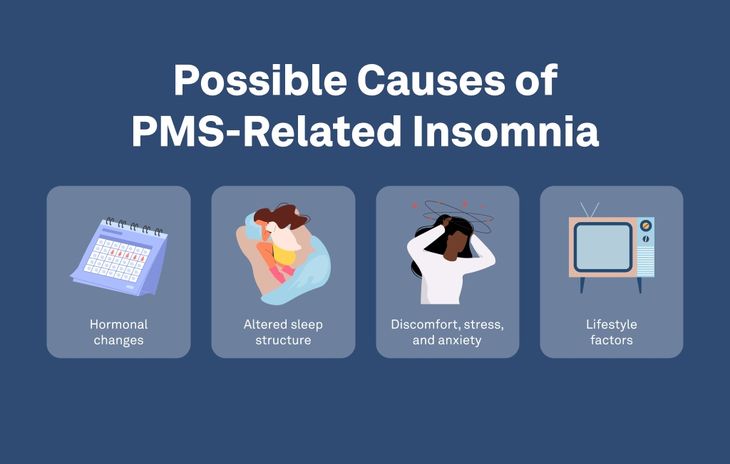
To successfully implement this protocol, you should establish a basic calendar of your menstrual cycle phases.
You will also need a reliable system to monitor your daily resting body temperature and overnight heart rate metrics.
Access to these biometric indicators allows you to pinpoint the exact night your luteal phase begins.
Finally, a willingness to adjust your evening habits and sleeping environment during high-risk cycle days is essential.
Step 1: Track Your Basal Body Temperature Shifts Every Morning
Your basal body temperature rises by approximately 0.5 to 1.0 degree Fahrenheit immediately after ovulation occurs.
This sudden thermal rise remains elevated throughout your luteal phase and directly causes difficulty sleeping before period cycles.
You must record your skin temperature variations every single morning to map your monthly physical baseline.
By identifying the exact day your temperature rises, you can anticipate the onset of sleep disturbances before they disrupt your night.
Maintaining a digital log of these thermal changes is the foundation of proactive premenstrual sleep management.
Step 2: Implement an Active Thermal Cooling Protocol
Elevated core body temperature prevents your brain from slipping into deep slow-wave sleep naturally.
To counteract this, set your bedroom thermostat to exactly 65 to 68 degrees Fahrenheit during the late luteal phase.
Take a warm shower ninety minutes before bed to trigger an artificial rapid cooling of your internal core.
You can also use specialized cooling mattress pads or breathable bamboo sheets to prevent midnight hot flashes.
Lowering your physical environment temperature helps trick your body into a deeply relaxed sleep state.
Step 3: Shift Your Light Exposure and Melatonin Timing
Progesterone declines rapidly in the late luteal phase, which directly suppresses your natural evening melatonin release.
This sudden chemical drop is a primary reason why do i get insomnia before my period each month.
Eliminate all blue light screens at least two hours before bed to maximize whatever melatonin your body is currently producing.
Instead, read a physical paper book under a warm, low-wattage orange light to signal your brain that it is time for deep rest.
Consistent evening darkness helps protect your fragile hormone pathways from further circadian disruption.
Step 4: Stabilize Blood Sugar Before Sleeping
Fluctuating progesterone levels cause insulin sensitivity to drop in the week before your menstruation begins.
This hormonal change can lead to silent blood sugar crashes in the middle of the night, sparking cortisol spikes that wake you up.
Eat a small snack rich in complex carbohydrates and healthy fats thirty minutes before you go to bed.
A small portion of unsalted pumpkin seeds or organic Greek yogurt can keep your glucose steady and prevent early morning waking.
A stable glucose level prevents the emergency adrenaline releases that cause midnight racing thoughts.
Step 5: Adjust Your Daily Exercise Load Based on HRV
During your premenstrual phase, your body is under higher baseline physical stress, which lowers your heart rate variability.
Forcing yourself through intense aerobic workouts when your system is already depleted will worsen your overnight sleep metrics.
Switch to low-impact restorative activities like yoga, walking, or light resistance training during your late luteal phase.
This physical adjustment helps lower your sympathetic nervous system tone and prevents anxiety and insomnia before period starts.
Matching your physical exertion to your real-time recovery metrics protects your body from overtraining and exhaustion.
Step 6: Integrate Deep Diaphragmatic Breathing Routines
Premenstrual anxiety often triggers shallow chest breathing, which keeps your nervous system in a state of high alert.
To reverse this, spend ten minutes practicing the 4-7-8 breathing technique right before you close your eyes.
Inhale quietly through your nose for four seconds, hold your breath for seven seconds, and exhale completely through your mouth for eight seconds.
This pattern directly stimulates your vagus nerve to slow your resting heart rate and lower your blood pressure.
Regular practice of this respiratory exercise prepares your cardiovascular system for seamless sleep transitions.
Tracking these delicate biological changes manually requires incredible discipline and continuous laboratory work.
The Herz P1 smart ring automates this entire process seamlessly by tracking your skin temperature trends, HRV, and sleep stages while you sleep.
We designed our companion app to provide a clear, subscription-free dashboard that visualizes your cycle phases and sleep patterns automatically.
By analyzing your real-time biometric metrics, we help you take the guesswork out of managing your weekly hormone shifts.
This personalized tracking lets you make smart, data-driven decisions to protect your nightly rest.
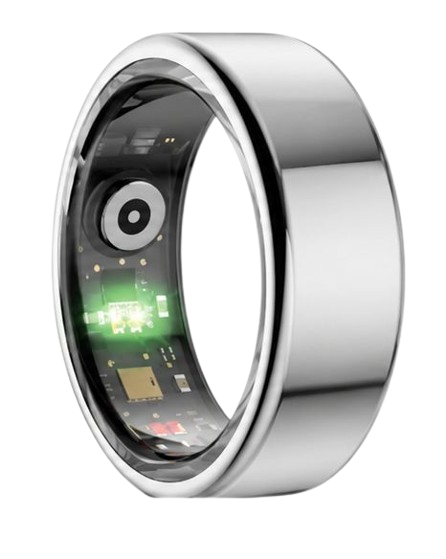
90-Day 100% Money-Back Guarantee
“The Herz Smart Ring helps me manage stress easily. It’s accurate, stylish, and lightweight—perfect for my busy life!”
— Jennifer P. | ✔ Verified Customer
- ✓ 6-Day Battery Life
- ✓ Detailed Sleep Analysis
- ✓ Fast 1-Hour Charging
- ✓ iOS & Android Ready
Questions? Call: 1-866-479-1629
The Physiology of Luteal Phase Insomnia and Progesterone Withdrawal

To understand pms sleep disruption, we must look at the profound hormonal transition occurring in your body.
During the first half of your cycle, estrogen rules supreme and promotes deep, high-quality sleep architecture.
Once ovulation occurs, your body enters the luteal phase, and progesterone production spikes dramatically to prepare the uterine lining.
Progesterone is a natural sedative because it metabolizes into allopregnanolone, a neurosteroid that binds to GABA receptors in the brain.
This hormonal surge is why you may feel unusually tired during the early parts of your luteal cycle.
However, if fertilization does not happen, both estrogen and progesterone levels crash abruptly in the late luteal phase.
This steep decline causes acute progesterone withdrawal, which strips your brain of its favorite natural calming agent.
According to research highlighted by the National Sleep Foundation, this sudden hormonal drop triggers fragmented sleep and elevated nighttime wakefulness.
Many women experience severe pmdd insomnia due to an extreme sensitivity to these changing chemical levels.
The lack of hormonal stability prevents the brain from entering stable slow-wave states, resulting in light, unrefreshing rest.
Team Herz P1 tracks these deep structural shifts by measuring your exact sleep stages with our multi-wavelength PPG optical sensors.
Our ring monitors the duration of your REM sleep and deep slow-wave sleep phases to show you exactly how hormonal dips impact your physical recovery.
In addition to sleep staging, our multispectral sensors monitor your blood oxygen saturation levels around the clock.
Fluctuations in blood oxygen can signal subclinical breathing disruptions that worsen during premenstrual hormonal shifts.
Having access to this clinical-grade data allows you to see the exact relationship between your menstrual phase and your sleep depth.
This level of data-driven insight is essential for anyone trying to manage chronic sleeplessness without medication.
By viewing your monthly charts, you can see if your deep sleep drop correlates perfectly with your hormone crash.
This scientific knowledge empowers you to stop blaming yourself for poor sleep and start adapting to your biology.
The Chemistry of GABA Suppression
GABA is the primary inhibitory neurotransmitter responsible for quietening your central nervous system.
When progesterone levels drop, the sudden loss of allopregnanolone reduces your brain’s GABA receptor sensitivity.
This chemical change means your brain cannot easily block out minor environmental noises or muscle twitches.
You remain stuck in lighter stages of sleep, easily waking up at the slightest disturbance.
This neurological vulnerability explains why many women report vivid dreams and frequent waking in the days before their period.
Our engineering team calibrated the Herz P1 to detect these subtle micro-awakenings with high precision.
By reading your movement and pulse patterns, the ring logs every time your sleep cycle is interrupted.
This ensures you get an honest, complete picture of your actual overnight rest quality.
Armed with this data, you can actively measure the success of your sleep hygiene adjustments over time.
Thermal Spikes, Heart Rate Variability, and the Autonomic Nervous System

Hormones do not just affect your brain chemistry; they also control your autonomic nervous system and cardiovascular signals.
Progesterone elevates your resting metabolic rate and raises your basal skin temperature by up to one full degree.
This systemic warming alters your circadian rhythm, which relies on a nocturnal cooling cycle to trigger sleep onset.
The American Heart Association has documented that elevated body temperature correlates with higher resting heart rates and a drop in heart rate variability.
Heart rate variability, or HRV, measures the millisecond-by-millisecond fluctuations between your heartbeats.
A high HRV score indicates a relaxed, adaptable parasympathetic state that supports deep, restorative sleep.
Conversely, a low HRV score reveals a dominant sympathetic fight-or-flight response, which is common during premenstrual stress phases.
When progesterone drops, your body’s susceptibility to stress spikes, and your overnight HRV levels typically plummet.
This cardiovascular shift leads directly to pms and sleeplessness symptoms that leave you feeling exhausted the next morning.
By wearing a specialized women’s anxiety ring, you can continuously track these autonomic stress indicators.
The Herz P1 measures your overnight HRV and blood oxygen saturation to give you an objective look at your biological stress response.
Knowing your personal HRV patterns helps you make informed choices about your evening wind-down routines and relaxation exercises.
Our sensors sample your cardiovascular metrics every five minutes to catch early signs of physical strain.
If your HRV remains low during sleep, it indicates your body did not fully transition into recovery mode.
This real-time feedback helps you adjust your daily activities to avoid burning out during the toughest parts of your cycle.
With this biometric insight, you can proactively protect your heart and nervous system from chronic fatigue.
We believe that understanding your cardiovascular health is a fundamental right that should never require a monthly paywall.
Circadian Disruption and Core Temperature
Your sleep cycle is deeply linked to your body’s natural thermal fluctuations.
In a healthy sleep cycle, your core temperature drops to its lowest point in the early hours of the morning.
This thermal drop allows your brain to stay in deep sleep and REM sleep cycles without interruption.
During the luteal phase, the elevated temperature baseline blocks this necessary drop from happening.
Your body is forced to work harder to cool itself down, which raises your resting heart rate.
You may wake up drenched in sweat or feel unusually warm throughout the night.
The Herz P1 temperature sensor maps these micro-temperature shifts while you sleep.
This data reveals exactly how thermal spikes are undermining your circadian rhythm.
By visually identifying these patterns, you can plan environmental cooling steps ahead of time.
Translating Your Smart Ring Metrics into Real-World Recovery Habits
Understanding raw physiological data is only useful if you can easily translate it into simple, actionable daily habits.
The Herz P1 companion app synthesizes complex medical metrics into a single, highly readable daily Sleep Score and Stress Index.
Each morning, you can open your app to check if your skin temperature has begun its late-cycle decline.
If you see your temperature remain elevated while your HRV drops, your body is telling you to prioritize recovery immediately.
On these high-stress days, we recommend reducing your caffeine intake and avoiding alcohol, which can further suppress your REM sleep.
You should also plan a relaxing, slow-paced evening routine that includes deep breathing or light stretching.
Unlike heavy, uncomfortable smartwatches that press awkwardly against your wrist, the Herz P1 is incredibly light and slim.
Crafted from military-grade steel, it fits snugly around your finger to ensure 24/7 continuous monitoring with zero physical discomfort.
You will barely feel the ring on your hand while you sleep, cook, swim, or exercise.
This extreme level of comfort ensures you never miss a critical biometric data point throughout your monthly hormonal journey.
Our users report a 92% satisfaction rate because the ring integrates seamlessly into their active lifestyles.
Whether you are lifting weights, washing dishes, or attending a corporate meeting, the ring stays secure and functional.
You can use the real-time stress index to identify when work deadlines are compounding your hormonal tension.
Taking a five-minute break when you see a stress spike can protect your energy for the rest of the day.
This proactive wellness approach is the key to mastering your health and breaking the cycle of premenstrual fatigue.
Our team is fully dedicated to supporting your recovery journey with high-performance hardware and seamless software design.
Why Traditional Smartwatches and Heavy Wearables Fail Sleepers
Many people try to monitor their sleep patterns by wearing large, bulky smartwatches to bed every night.
These heavy wrist devices easily shift out of place during the night, leading to massive gaps and errors in optical sensor readings.
The glowing screens of smartwatches can also turn on accidentally when you roll over, instantly disrupting your fragile melatonin production.
Furthermore, many premium smartwatch brands lock your personal health data behind expensive monthly subscription models.
We believe that you should never have to pay a recurring fee to understand your own body’s natural biorhythms.
The Herz P1 app is entirely free for a lifetime, with absolutely no hidden charges or subscription gates.
We are fully committed to providing transparent, accessible health tracking that empowers you without draining your wallet.
Additionally, our military-grade steel construction and IP68 waterproof design ensure your ring survives drops, scratches, and deep water.
With a comprehensive 2-year warranty and a 90-day money-back guarantee, you can test our biometric accuracy with complete peace of mind.
You will save hundreds of dollars over the lifetime of your device by choosing a subscription-free option.
Most importantly, you will avoid the discomfort of a heavy, sweating wrist strap disrupting your precious rest.
The sleek, minimalist design of the Herz P1 looks like a high-end jewelry piece while acting as a clinical-grade sensor.
This perfect blend of design and technology makes it the ultimate choice for modern, health-conscious individuals.
Do not let fragile hardware or greedy subscription models stand in the way of your physical recovery.
Invest in a reliable health companion that respects your body and your hard-earned money.
Frequently Asked Questions About Premenstrual Insomnia and Wearables
Is the Herz P1 smart ring fully waterproof?
Yes, the Herz P1 features a certified IP68 waterproof rating that allows it to withstand complete water submersion up to 164 feet.
You can confidently wear it while washing your hands, showering, swimming in the ocean, or relaxing in a hot bath.
The hermetically sealed military-grade outer shell prevents moisture from ever reaching the delicate internal PPG sensor array.
You do not need to remove the ring during your daily water activities or heavy workouts.
This seamless durability makes it easy to maintain 24/7 continuous health tracking without interruption.
How long does the battery last on a single charge?
Our advanced energy-efficient battery system keeps the Herz P1 running for 6 full days on a single charge cycle.
When the battery is depleted, you can recharge it back to 100% capacity in less than 1 hour using our fast-charging cradle.
This eliminates the constant charging anxiety associated with typical smartwatches that must be plugged in every single day.
The ring’s companion app will send a friendly notification to your phone when the battery drops below 20 percent.
This ensures you can always top up your charge before heading to bed for a critical sleep tracking session.
Which finger is best to wear the smart ring on for accurate tracking?
For the highest quality optical sensor readings, we recommend wearing the Herz P1 on your index, middle, or ring finger.
Make sure the inner sensor bumps are positioned on the palm side of your finger to maintain constant contact with your skin.
The ring should fit snugly but comfortably, allowing you to rotate it slightly without it feeling loose or causing indentation.
Your finger size can expand slightly throughout the day due to temperature and hormone levels.
Choosing a finger that accommodates these natural shifts ensures maximum comfort and accuracy around the clock.
Does the Herz P1 store my health data offline?
Yes, the ring contains built-in flash memory that securely stores up to 7 days of raw biometric data offline.
You do not need to keep your smartphone nearby or leave your Bluetooth active while you are sleeping or working out.
Once you open the companion app, the ring will automatically sync all of your saved metrics directly to your dashboard.
This lets you completely disconnect from digital screens during your sleeping hours to promote better sleep hygiene.
Your private health data remains encrypted and safe on the device until you choose to sync it.
Can tracking my sleep help with severe premenstrual sleep issues?
Absolutely, because tracking your cycles takes the guesswork out of managing your weekly wellness routines.
Knowing exactly when your progesterone levels drop lets you implement targeted stress-reduction strategies before insomnia starts.
By identifying your personal baseline, you can proactively resolve pms insomnia and restore your body’s natural clock.
You can share your detailed historical charts with your healthcare provider to design a highly personalized recovery plan.
This factual biometric history is far more accurate than trying to recall your sleep symptoms from memory.
Reclaiming Rest and Balance with Data
Understanding premenstrual insomnia is the first step toward reclaiming your nights.
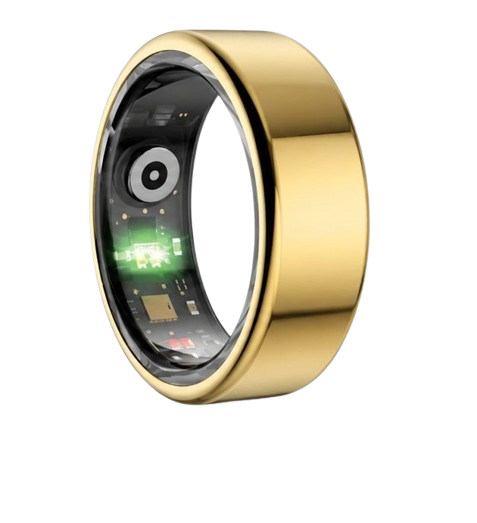
The Herz P1 Smart Ring offers subscription-free tracking to help you monitor your health trends every day.
Ready to monitor your health every day? Explore the Herz P1 Smart Ring and see if it fits your lifestyle. Call: **1-866-479-1629** — our team can help you advise on the correct ring size and set personalized health goals.
Note: Individual results may vary depending on individual health conditions, age, and lifestyle habits. This article is intended for general health reference purposes only.
