

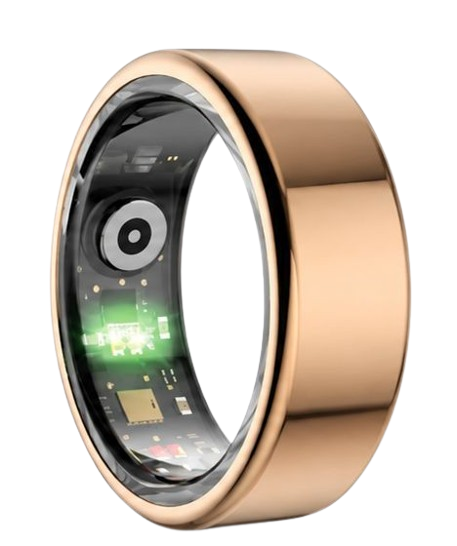
Have you ever wondered why your heart rate lower at night occurs when you rest? It is a normal physiological phenomenon that indicates excellent cardiovascular recovery and proper autonomic nervous system regulation. If you want to effortlessly track these nocturnal shifts, the Herz P1 smart ring monitors your resting heart rate and sleep architecture continuously without bulky watches or restrictive bands. Let’s explore why this drop happens and what it means for your health.
Built to Last. Save Up to 69% Today.
The Herz P1 Smart Ring tracks HRV, Sleep, Heart Rate & SpO2 around the clock. No subscriptions. No renewals. Ever.
In This Article
- The fundamental scientific reasons why your heart rate naturally drops at night.
- How autonomic nervous system shifts impact nocturnal cardiovascular recovery.
- Deciphering physiological metrics like HRV and SpO2 using wearable smart rings.
- Practical daily routines to optimize your nighttime cardiac recovery and sleep quality.
- Answers to crucial questions about bradycardia and overnight pulse fluctuations.
Why Is Your Heart Rate Lower at Night? Here Is What the Science Says
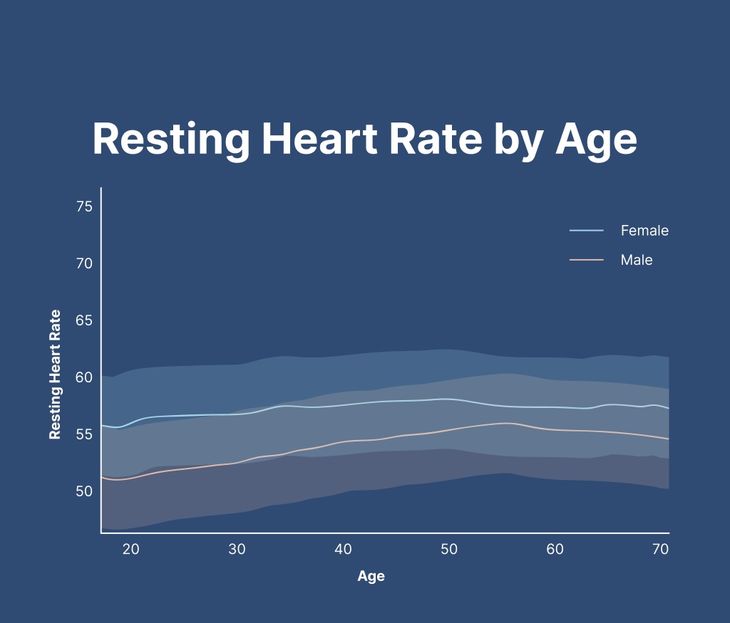
Nocturnal heart rate dipping is the biological phenomenon where your pulse slows down significantly during sleep.
This biological rhythm is a fundamental marker of your body’s internal clock and cardiovascular health.
According to the American Heart Association, a heart rate lower when sleeping is a prime indicator of a resilient cardiac system.
This biological process ensures that your cardiac muscle is not working under continuous high pressure during your resting hours.
This cardiovascular change affects everyone, but tracking it is especially crucial for active adults and those managing high stress.
Individuals who struggle with morning fatigue or poor sleep quality can find valuable clues in their nocturnal pulse trends.
Clinical studies show that people without a proper nighttime heart rate drop face higher risks of chronic cardiovascular strain.
By monitoring these changes, you can understand how well your body recovers from physical workouts and daily mental anxiety.
The descent in your heart rate typically begins during the wind-down period before you even close your eyes.
It peaks in depth during the middle of the night, specifically during deep slow-wave sleep cycles.
This drop becomes less pronounced during REM sleep when vivid dreaming can cause temporary pulse spikes.
Understanding these timing variations allows you to evaluate your overall sleep architecture and recovery efficiency.
The control center for this vital adjustment lies deep within your brainstem and the autonomic nervous system.
From there, electrical signals travel down the spinal cord and vagus nerve to interact directly with the heart’s natural pacemaker.
At the same time, blood vessels throughout your muscular tissue dilate to lower peripheral resistance.
This combined action reduces the workload on your left ventricle as blood flows smoothly throughout your body.
Your body slows your heart rate to conserve energy and initiate cellular repair protocols while you rest.
During the day, your sympathetic nervous system drives the fight-or-flight response to keep you alert.
At night, the parasympathetic nervous system takes over to initiate the rest-and-digest phase.
Without this critical shift, your organs would remain in a state of chronic stress, hindering systemic recovery.
The vagus nerve acts as a biological brake by releasing a chemical neurotransmitter called acetylcholine.
This chemical slows the firing rate of the sinoatrial node, which is your heart’s native pacemaker.
As a result, the time between each heartbeat lengthens, leading to a slower and more variable pulse.
This healthy mechanism is what allows the heart muscle to rest between beats and repair microscopic cellular damage.
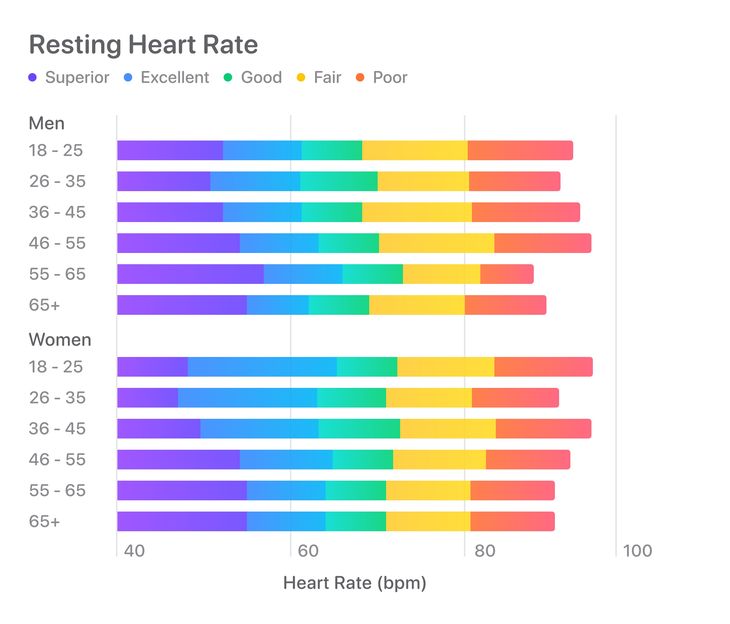
A healthy heart rate should drop by 10% to 20% compared to your average daytime resting heart rate.
For most healthy adults, this means seeing a sleeping heart rate 50 beats per minute or slightly lower.
In highly trained athletes, a sleeping heart rate 40 beats per minute is often observed and considered safe.
If your heart rate does not drop by at least 10%, medical professionals refer to this as a non-dipping pattern.
A non-dipping pattern is often linked to elevated daytime stress, poor sleep hygiene, or potential underlying medical conditions.
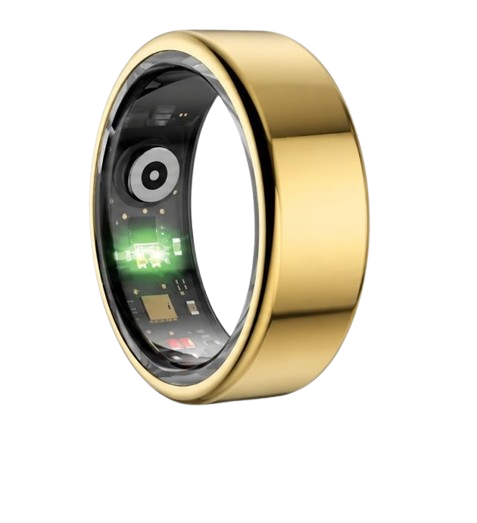
If you want to track this in real time, the Herz P1 Smart Ring monitors resting heart rate 24/7 — explore it here.
90-Day 100% Money-Back Guarantee
“The Herz Smart Ring helps me manage stress easily. It’s accurate, stylish, and lightweight—perfect for my busy life!”
— Jennifer P. | ✔ Verified Customer
- ✓ 6-Day Battery Life
- ✓ Detailed Sleep Analysis
- ✓ Fast 1-Hour Charging
- ✓ iOS & Android Ready
Questions? Call: 1-866-479-1629
Understanding Nocturnal Pulse Variations and the Parasympathetic Shift
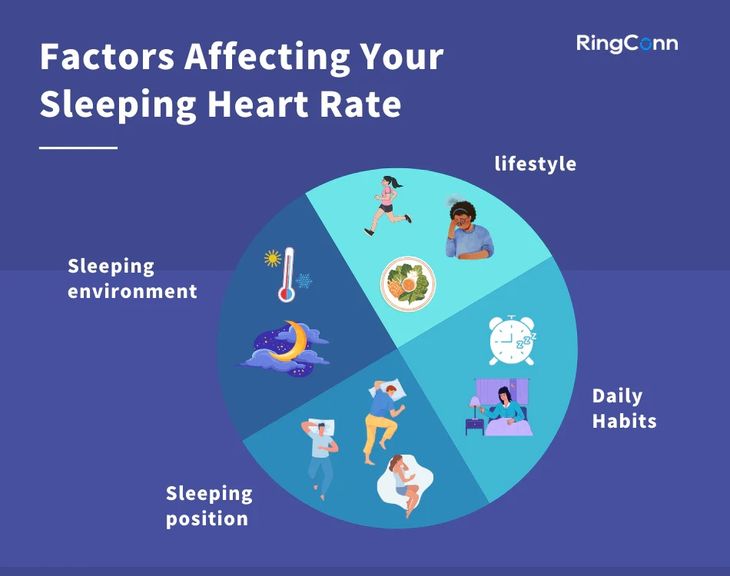
Your body relies on a delicate balance of electrical signals to manage nocturnal pulse variations during the night.
This balance is maintained by the sympathetic and parasympathetic branches of your autonomic nervous system.
When you are awake, the sympathetic branch keeps you ready for action by releasing adrenaline and cortisol.
These hormones keep your blood pressure elevated and your heart pumping quickly to meet physical and mental demands.
As you transition into sleep, your brain signals the parasympathetic system to assume primary control of your body.
This transition is marked by a deep drop in stress hormones and a steady slowing of your respiratory rate.
Consequently, your cardiovascular system experiences a profound sense of relief as the heart muscle relaxes.
This shift is crucial because a heart that beats too quickly at night cannot spend enough time in its diastole relaxation phase.
The National Sleep Foundation emphasizes that this nightly rest phase is essential for preventing long-term arterial stiffness.
If your body fails to make this shift, you may experience a heart rate higher at night than your daytime baseline.
This elevated pulse suggests that your sympathetic system remains hyperactive, often due to high stress, late meals, or blue light exposure.
To identify these patterns, users can track their lowest heart rate during sleep using high-precision optical wearables.
Team Herz P1 designed our smart ring with multispectral sensors to map these exact overnight autonomic shifts without discomfort.
Your circadian rhythm also plays a key role in orchestrating these chemical changes every single evening.
As darkness falls, your pineal gland releases melatonin, which cools your core body temperature and prepares you for slumber.
This temperature drop occurs in tandem with the slowing of your resting heart rate.
These synchronized biological drops allow your heart to pump blood more efficiently with less overall effort.
This is why understanding why does my heart rate drop when i sleep is so vital for assessing your sleep quality.
A healthy, gradual decline throughout the night indicates that your biological clock is perfectly aligned with your sleep schedule.
If you disrupt this cycle with late-night workouts or screen time, your heart rate may remain elevated, robbing you of deep recovery.
The Role of Heart Rate Variability (HRV) and Blood Oxygen Levels in Nighttime Recovery
Heart Rate Variability, or HRV, is the measurement of the tiny, millisecond variations between consecutive heartbeats.
A higher HRV during sleep is a powerful sign that your autonomic nervous system is highly adaptable and resting deeply.
Conversely, a low overnight HRV indicates that your body is struggling to recover from physical or mental stress.
Your HRV typically rises at night as your parasympathetic system takes full control of your cardiac muscle.
This rise matches the natural resting heart rate drop sleeping that occurs during your deepest sleep stages.
By monitoring these subtle changes, you can determine if your lifestyle habits are supporting or hindering your cardiovascular health.
Alongside HRV, blood oxygen saturation, or SpO2, provides critical insights into your respiratory health during the night.
A normal SpO2 level during sleep should remain consistently between 95% and 100%.
If your oxygen levels dip frequently, your heart must pump harder and faster to deliver oxygen to your vital organs.
This extra effort can lead to sudden pulse spikes, interrupting your sleep and leaving you exhausted the next morning.
Many individuals experience these silent drops in oxygen without ever realizing why they wake up feeling tired.
Traditional smartwatches can track these metrics, but their bulky designs often shift and lose skin contact during the night.
The Herz P1 Smart Ring utilizes a lightweight, military-grade steel band that stays perfectly positioned on your finger all night long.
This optimal fit ensures that the optical sensors can read your blood vessels with medical-grade precision and minimal data gaps.
By analyzing the relationship between your heart rate, HRV, and SpO2, you can unlock a comprehensive map of your recovery.
How to Use Nighttime Biometric Data to Optimize Your Daily Wellness
Analyzing your sleep data on the companion app can completely change how you approach your daily routine.
When you wake up, look first at your resting heart rate trend line from the night before.
A classic “hammock” curve shows a heart rate that drops quickly after sleep onset, bottoms out mid-sleep, and rises gently before waking.
This shape represents the gold standard of overnight recovery and indicates excellent sleep quality.
If your curve looks more like a downward slope that only hits its lowest point right before you wake up, your recovery was delayed.
This delayed drop often happens when your body is busy digesting a heavy, late-night dinner or clearing alcohol from your system.
You can use these visual patterns to adjust the timing of your last meal or evening workout for better sleep.
If your heart rate remains elevated all night, it may be a clear signal to schedule a light, low-intensity recovery day instead of a heavy workout.
On the other hand, a beautifully low heart rate and high HRV indicate that your body is primed for a challenging training session.
The Herz P1 App provides these detailed metrics on an intuitive dashboard with absolutely no monthly paywalls or hidden fees.
Because the ring is incredibly lightweight and constructed from military-grade steel, you will barely notice wearing it 24/7.
This exceptional comfort is essential because consistent, round-the-clock wear is what builds the most accurate baseline for your health.
Avoiding the Pitfalls of Bulky Sleep Trackers and Hidden App Fees
Many individuals make the mistake of wearing a bulky, heavy smartwatch to monitor their sleep patterns.
These oversized devices easily snag on blankets, irritate the skin, and shift away from your wrist during movement.
When a sensor shifts, it creates air gaps that lead to highly inaccurate readings or completely missing sleep data.
Furthermore, the bright screens of smartwatches can accidentally light up in the dark, disrupting your natural melatonin production.
The Herz P1 Smart Ring solves these comfort issues with its sleek, ultra-thin profile that fits naturally at the base of your finger.
This secure position offers superior optical contact with your digital arteries, which are much closer to the skin than wrist arteries.
Another major pitfall in the wearable market is the unexpected financial burden of ongoing monthly app subscriptions.
Several leading brands charge customers a recurring fee just to view their own biometric and sleep stage history.
We believe that you should never have to pay a subscription fee to access your personal health data.
The Herz P1 App is completely free for a lifetime, ensuring you have unrestricted access to every single data point and update.
There are no hidden paywalls, no recurring costs, and no surprise renewals to worry about.
This commitment allows you to focus entirely on your health journey without worrying about ongoing wearable expenses.
Frequently Asked Questions About Nighttime Heart Rates and Smart Rings
Is the Herz P1 Smart Ring fully waterproof?
Yes, the Herz P1 is rated IP68 waterproof, meaning it can withstand depths up to 164 feet or 50 meters.
You can confidently wear it while swimming laps, taking hot showers, washing dishes, or relaxing in a sauna.
Its military-grade steel casing and seamless resin interior protect the delicate optical sensors from any water damage.
How long does the battery last and how quickly does it charge?
The Herz P1 Smart Ring features a high-density battery that delivers up to 6 days of continuous tracking on a single charge.
When the battery runs low, you can charge it back to 100% in under one hour using our dedicated magnetic charger.
This quick-charging capability ensures you never have to miss a single night of critical sleep or HRV tracking.
Which finger is best to wear the smart ring on?
We recommend wearing the Herz P1 on your index, middle, or ring finger for the most accurate sensor readings.
The blood vessels in these primary fingers are highly concentrated, providing an exceptionally strong optical pulse signal.
Ensure the inner sensor bumps are positioned on the palm side of your finger to maintain constant skin contact.
Does the Herz P1 Smart Ring store biometric data offline?
Yes, the smart ring can store up to 7 days of detailed biometric data locally on its internal memory chip.
This means you do not need to keep your smartphone nearby or leave Bluetooth on during the night.
As soon as you open the app, all stored offline data will seamlessly sync and populate your health dashboards.

Begin Your Journey to Smarter Health Today
Understanding your nighttime heart rate is a vital window into your cardiovascular health and recovery.
The subscription-free Herz P1 Smart Ring makes it easy to track these patterns and elevate your life.
Ready to monitor your health? Explore the Herz P1 Smart Ring. Call: **1-866-479-1629** — our team can help you advise on ring sizes and health goals.
