

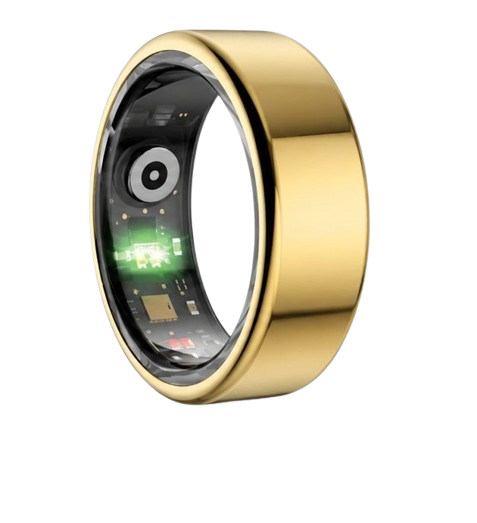
Monitoring your normal heart rate sitting is an essential step in identifying underlying cardiovascular and stress trends. According to cardiology statistics, tracking sedentary heart rate metrics helps detect cumulative fatigue and autonomic strain long before physical symptoms surface. The premium Herz P1 Smart Ring provides continuous, clinical-grade blood oxygen tracking, HRV trends, and sleep stage analysis. In this detailed guide, we decode resting cardiovascular patterns to empower your daily wellness decisions.
Built to Last. Save Up to 69% Today.
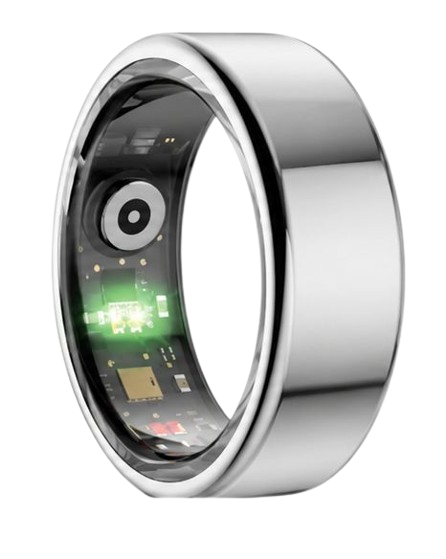
The Herz P1 Smart Ring tracks HRV, Sleep, Heart Rate & SpO2 around the clock. No subscriptions. No renewals. Ever.
In This Article
- How to Measure: A step-by-step physical pulse guide for high accuracy.
- Physiological Dynamics: Sitting heart rates compared to standing heart rates.
- Biometric Benchmarks: Determining what qualifies as a good resting rate.
- Smart Integrations: Using smart ring technology to optimize your lifestyle.
How to Measure Your Sitting Down Heart Rate Correctly: A Step-by-Step Guide
Prerequisites and Materials Needed
To acquire highly accurate cardiovascular readings, you will need a few simple tools and a quiet physical setting.
Ensure you have a comfortable chair with good back support nearby.
Keep a physical stopwatch or your phone timer within arms reach.
Have a notebook ready, or ensure your companion health application is open on your mobile screen.
Avoid drinking caffeinated beverages or smoking for at least thirty minutes before testing.
-
Step 1: Locate a Peaceful Testing Environment
Find a quiet room where you will not be interrupted by family members, pets, or loud notifications.
Sudden loud sounds can trigger small releases of adrenaline that elevate your pulse instantly.
Ensure that the room temperature is neutral and comfortable.
Extreme cold or extreme heat can alter blood flow patterns in your extremities.
-
Step 2: Establish a Correct and Relaxed Sitting Posture
Sit down with your back fully supported against the backrest of your chair.
Keep your feet flat on the floor and avoid crossing your legs at the knees or ankles.
Crossing your limbs can raise your blood pressure and alter peripheral circulation readings.
Relax your shoulders completely and let your neck muscles loosen.
-
Step 3: Rest and Stabilize for Five Complete Minutes
Sit completely still and quiet for five minutes before taking your heart rate measurement.
This rest window allows your cardiorespiratory system to settle into a true sedentary state.
Do not check work emails, read articles, or have active conversations during this time.
Focus on slow, natural nasal breathing to help settle your nervous system.
-
Step 4: Support Your Arm Level with Your Heart
Rest your arm gently on a desk, tabletop, or solid armrest.
Your wrist and hand should remain situated approximately level with your heart.
Positioning your hand too far below or above your heart can artificially change circulatory pressure.
Keep your fingers completely relaxed and open rather than clenched tightly.
-
Step 5: Position Your Fingers on Your Radial Artery
Place the pads of your index and middle fingers gently onto your opposite inner wrist.
Slide them into the hollow area just below the base of your thumb.
Apply soft, consistent pressure until you feel the distinct, rhythmic pulse of your arterial wall.
Do not use your thumb to measure, as your thumb contains its own strong pulse.
-
Step 6: Count the Pulse Beats for a Full Sixty Seconds
Start your stopwatch timer and count each pulsation you feel under your fingers.
Count for a full sixty seconds to ensure the most accurate average calculation.
Avoid counting for only fifteen seconds and multiplying, as this can miss irregular beats.
Write down this beats-per-minute number along with the physical time of your measurement.
Modernizing the Measurement Process
Manually taking your pulse multiple times per day can quickly become a tedious chore.
The premium Herz P1 Smart Ring automates this entire scientific monitoring process for you.
By leveraging advanced optical sensors, it continuously charts your sitting down heart rate throughout the day.
This allows you to gather deep physical data without interrupting your busy daily schedule.
90-Day 100% Money-Back Guarantee
“The Herz Smart Ring helps me manage stress easily. It’s accurate, stylish, and lightweight—perfect for my busy life!”
— Jennifer P. | ✔ Verified Customer
- ✓ 6-Day Battery Life
- ✓ Detailed Sleep Analysis
- ✓ Fast 1-Hour Charging
- ✓ iOS & Android Ready
Questions? Call: 1-866-479-1629
The Physiology of Heart Rate Sitting Dynamics vs. Standing Pulse
When you transition from lying down to a seated position, your circulatory system makes immediate changes.
Gravity pulls a portion of your blood downward toward your legs and pelvic region.
This pooling decreases the volume of blood that returns to your heart chambers.
Your nervous system senses this drop in blood return and quickly responds.
It slightly increases your vascular constriction to maintain steady blood pressure.
As a result, your heart rate sitting is typically higher than your heart rate when lying flat.
In a fully supine position, your heart does not struggle against gravity to pump blood.
This explains why your average human resting heart rate is lowest during deep sleep.
When you sit upright, your heart beats a few times faster per minute to support cardiac output.
When you stand up, gravity pulls blood down with even greater force.
Your blood vessels constrict more, and your pulse rises further to keep blood flowing to your brain.
Therefore, a sitting down heart rate is an intermediate zone between deep rest and standing upright.
Understanding these postural shifts is critical when evaluating your daily physical trends.
Citations from the American Heart Association recommend checking your pulse in a seated posture for consistency.
This posture ensures your cardiovascular readings are highly repeatable day after day.
Understanding What Is a Good Sitting Heart Rate: Analyzing Your Daily Fluctuations
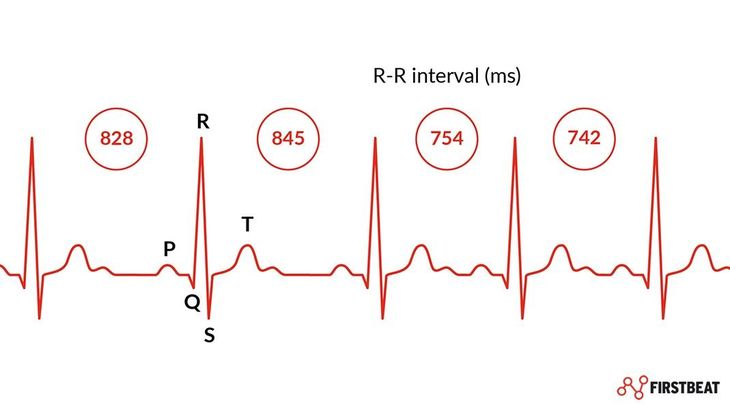
Many health-conscious individuals ask, what is a good sitting heart rate for a healthy adult?
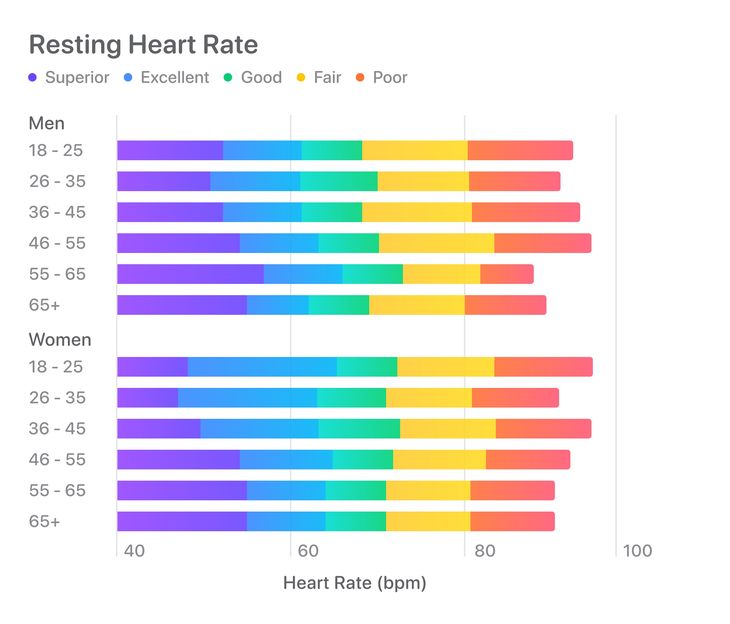
For most men and women, a healthy sitting pulse ranges between sixty and one hundred beats per minute.
This range is widely supported by clinical research and the standard resting bpm chart.
When your cardiovascular fitness levels improve, your heart rate at rest will naturally decline.
Highly active individuals and trained athletes often have sitting pulses between forty and sixty beats per minute.
You may ask, is 60 a good resting heart rate for someone who is moderately active?
Yes, sixty beats per minute is an excellent resting metric that indicates a highly efficient heart muscle.
It means your heart is strong enough to pump ample blood with fewer total beats.
Many healthy adults find their sedentary pulse sits in the mid-seventies.
If you see a consistent daily value, you might ask, is 73 a good resting heart rate?
Seventy-three beats per minute is a completely normal, healthy reading for the vast majority of people.
However, if your sedentary heart rate regularly climbs above one hundred beats per minute, you should take note.
You might wonder, is a resting heart rate of 100 bad when you are just sitting down?
A constant resting rate of one hundred beats per minute or more is classified as tachycardia.
This state can indicate physiological stress, dehydration, lack of sleep, or underlying physical concerns.
Similarly, when your heart rate is 90 at rest, it sits at the higher end of the acceptable spectrum.
This higher number suggests your body is working harder than necessary to maintain baseline circulation.
Consistently monitoring this metric helps you determine if your heart is working under chronic strain.
| Physical Demographic Group | Typical Sitting Heart Rate (BPM) | General Interpretation |
|---|---|---|
| Endurance Athletes | 40 – 60 BPM | Exceptional cardiovascular strength and high stroke volume |
| Highly Active Adults | 60 – 70 BPM | Strong fitness levels and efficient blood circulation |
| Average Healthy Adults | 70 – 85 BPM | Standard baseline range indicating good general health |
| Sedentary Individuals | 85 – 100 BPM | Elevated baseline that may benefit from cardiorespiratory conditioning |
Decoding Your Sitting Heart Rate with Smart Ring Analytics
Trying to log your pulse metrics manually throughout a busy workday can be incredibly difficult.
This is where the seamless convenience of modern smart ring technology becomes a game changer.
Our team at Herz P1 developed a sleek device that tracks your circulatory signals with absolute ease.
By monitoring your pulse continuously, it builds a highly accurate profile of your personal average rhr.
How to Read Pulse Data on the Herz P1 App
Simply open the free companion application on your smartphone to view your health dashboard.
The screen immediately presents your daily sitting heart rate alongside your current heart rate variability.
A high heart rate variability indicates that your autonomic nervous system is relaxed and highly resilient.
A lower heart rate variability coupled with an elevated resting pulse is a primary signal of physical exhaustion.
Our application uses clean, intuitive charts so you can spot these daily wellness trends in seconds.
You can check the timeline to see how your pulse responds to caffeine, meals, or stressful work meetings.
Optimizing Your Daily Recovery and Exercise Intensity
You can use these real-time biometric trends to organize your daily exercise and recovery routines.
If your sitting heart rate is unusually high, prioritize active recovery instead of pushing through a hard workout.
Help your cardiovascular system recover by drinking plenty of water and going to sleep early.
When your sitting heart rate returns to a low and stable baseline, your body is ready for high-intensity training.
You can focus on reducing resting heart rate through structured, consistent aerobic workouts.
Over time, low-intensity cardio like walking or cycling will strengthen your heart and lower your resting pulse.
Wearing a lightweight ring ensures you track these subtle physiological changes without any physical discomfort.
Avoid These Common Mistakes in Heart Rate Tracking
Many well-meaning individuals make the mistake of wearing heavy, bulky smartwatches to bed.
Bulky smartwatches often slide around on your wrist, causing the optical sensors to miss vital beats.
This physical shifting can result in highly inaccurate sleep and resting heart rate data.
Additionally, wearing a large watch can disrupt your natural deep and REM sleep patterns.
Another major frustration with modern wearables is the hidden cost of monthly app subscriptions.
Several major fitness brands require you to pay an ongoing monthly fee just to access your own biometric data.
We believe that you should never have to pay a recurring fee to understand your personal health metrics.
The Herz P1 App is completely free for lifetime use with no hidden payments or locked features.
Additionally, make sure you do not wear a ring that is too loose, as this causes sensor gaps.
Position the flat sensor window of your smart ring securely against the palm side of your finger.
Frequently Asked Questions
Review these highly informative answers to learn more about tracking your metrics with a smart ring.
Is the Herz P1 Smart Ring waterproof?
Yes, the ring features a robust IP68 waterproof rating for ultimate durability.
It is certified to withstand continuous water submersion down to a depth of one hundred and sixty-four feet.
You can safely keep it on your finger while swimming, washing dishes, showering, or working up a sweat.
The military-grade steel construction completely seals the internal sensors against moisture damage.
How long does the battery last on a single charge?
The Herz P1 Smart Ring delivers a highly reliable six-day battery life on a single charge.
It charges fully from zero to one hundred percent in under one hour using its magnetic charging dock.
This long-lasting battery means you do not have to worry about missing key data points while traveling.
The mobile application will send a subtle notification to your phone when the battery falls to twenty percent.
Which finger is best to wear the smart ring on?
We recommend wearing your smart ring on your index finger for the most accurate optical sensor readings.
The middle finger and the ring finger also serve as highly reliable alternative options.
Select a finger that provides a snug, secure fit without squeezing your skin or restricting blood flow.
The ring should stay comfortably in place when you shake your hand or open and close your fist.
Does the smart ring store biometric data offline?
Yes, the smart ring features built-in flash storage that keeps up to seven days of biometric data offline.
Your heart rate, blood oxygen levels, and sleep stages continue to record even if your phone is powered off.
The ring will sync all of its stored data automatically once it connects to your mobile app via Bluetooth.
This offline storage capability is perfect for outdoor hikes, long flights, or when you sleep without your phone nearby.
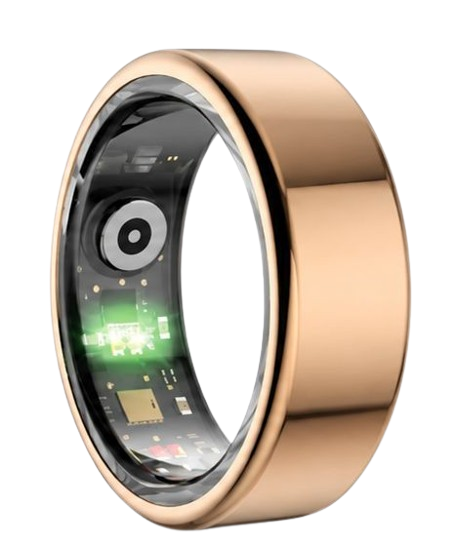
Conclusion: Your Subscription-Free Wellness Journey Starts Here
The Herz P1 Smart Ring helps you master your sedentary pulse metrics without monthly subscription fees.
With military-grade steel and a 2-year warranty, it is your ultimate wellness companion.
Ready to monitor your health every day?
Explore the Herz P1 Smart Ring and see if it fits your lifestyle.
Call: 1-866-479-1629 — our team can help you advise on the correct ring size and set personalized health goals.
Note: Individual results may vary depending on individual health conditions, age, and lifestyle habits. This article is intended for general health reference purposes only.
