

Understanding how alcohol sleep rem patterns interact is essential if you want to wake up feeling genuinely restored. Many people enjoy an evening drink but wonder why they wake up feeling exhausted, a phenomenon closely tied to how alcohol suppresses rem sleep. With the Herz P1 smart ring, you can easily monitor these shifts in your physiological data in real-time, helping you make smart lifestyle adjustments without paying any monthly subscription fees.
Built to Last. Save Up to 69% Today.
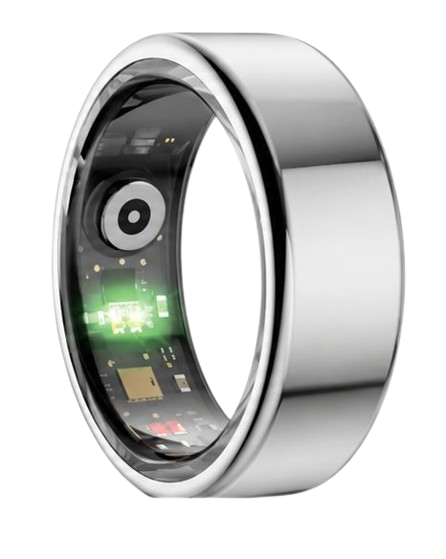
The Herz P1 Smart Ring tracks HRV, Sleep, Heart Rate & SpO2 around the clock. No subscriptions. No renewals. Ever.
In This Article
- How to Restore Your Sleep Architecture: A complete step-by-step physical recovery protocol.
- The Science of Alcohol and REM Sleep: Detailed biological look at neurotransmitters and dream cycles.
- Decoding Heart Rate and HRV: Learn how alcohol affects your cardiovascular metrics while resting.
- Practical Tracking Insights: Utilizing advanced smart ring metrics to transform your lifestyle.
How to Restore Your Sleep Architecture After Drinking: A Step-by-Step Guide

Restoring your natural sleep cycles after consuming alcohol requires a deliberate physiological strategy.
To succeed, you will need a basic understanding of your hydration status, a reliable method to monitor your baseline biometrics, and a commitment to wind-down timing.
The main goal is to help your liver metabolize alcohol fully before your head hits the pillow.
-
Step 1: Implement an Absolute Alcohol Cutoff Window
Stop drinking alcohol at least three to four hours before your planned bedtime.
Your body requires approximately one hour to process a single standard serving of alcohol.
Giving your system this buffer ensures your metabolism can clear toxins before deep rest begins.
This simple timing shift protects your early-night slow-wave sleep from sudden interruptions.
-
Step 2: Hydrate with Targeted Electrolytes
Drink sixteen ounces of water mixed with an unsweetened electrolyte packet immediately after your last alcoholic beverage.
Alcohol is a natural diuretic that drains essential minerals like magnesium, potassium, and sodium from your system.
Replacing these minerals prevents physical muscle tension and keeps your resting heart rate stable overnight.
Avoid highly sugary sports drinks that can spike blood glucose and disrupt your sleep and metabolism.
-
Step 3: Cool Your Core Temperature Environmentally
Lower your bedroom thermostat to between sixty-five and sixty-eight degrees Fahrenheit.
Alcohol naturally dilates your blood vessels, which falsely elevates your internal temperature and disrupts sleep.
A cool sleeping environment counteracts this effect and helps trigger your brain’s natural melatonin production.
Using a lightweight, breathable cotton sheet instead of a heavy duvet will also improve heat dissipation.
-
Step 4: Establish an Extended Wind-Down Practice
Engage in fifteen minutes of deep diaphragmatic breathing or light stretching prior to lying down.
This physical practice helps shift your nervous system from a stressed sympathetic state to a calm parasympathetic state.
Avoid looking at blue-light emitting screens during this time, as they further compound alcohol’s negative cognitive effects.
Dimming your home lights can signal to your circadian biology that it is time to transition into rest.
-
Step 5: Adjust Your Next-Day Activity Goals
Check your recovery biometrics in the morning and reduce your next-day physical training volume by thirty percent.
Pushing through a high-intensity workout after a night of poor sleep can elevate cortisol and damage muscle tissue.
Prioritize gentle walking, mobility work, or active recovery to help flush out metabolic waste safely.
This allows your cardiovascular system to stabilize and prepares your body for a better sleep session the following night.
The Herz P1 smart ring serves as an excellent companion throughout this recovery process.
By wearing this lightweight ring, you can view precise daily trends showing exactly how your sleep cycles and heart rates respond to these adjustments.
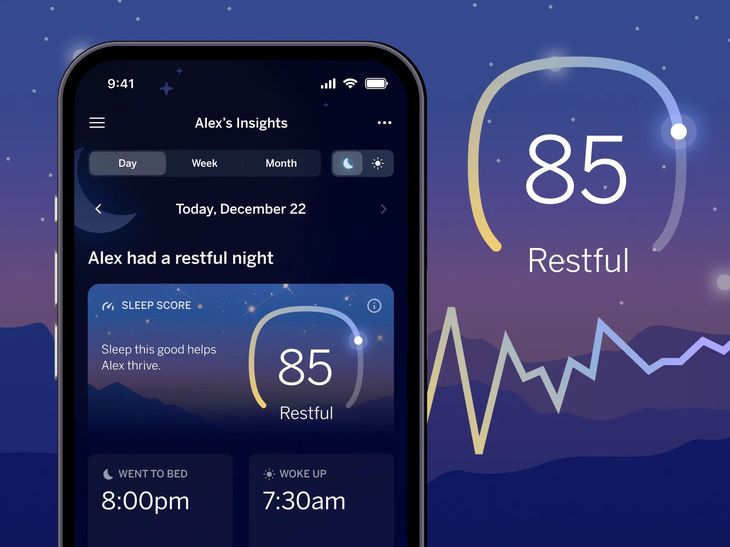
You can discover your custom recovery timeframes by reviewing your historical charts directly in our free companion app.
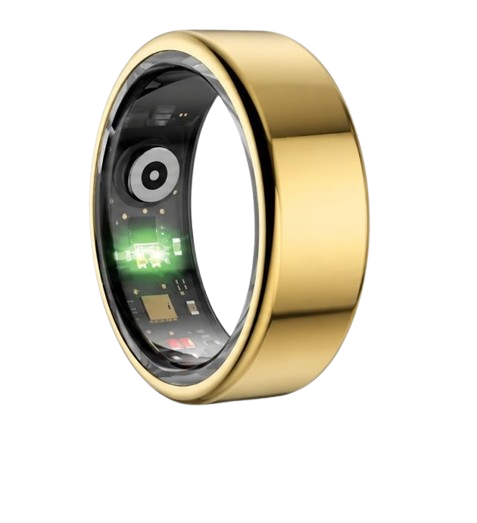
90-Day 100% Money-Back Guarantee
“The Herz Smart Ring helps me manage stress easily. It’s accurate, stylish, and lightweight—perfect for my busy life!”
— Jennifer P. | ✔ Verified Customer
- ✓ 6-Day Battery Life
- ✓ Detailed Sleep Analysis
- ✓ Fast 1-Hour Charging
- ✓ iOS & Android Ready
Questions? Call: 1-866-479-1629
The Science of How Alcohol Disrupts REM Sleep and Dream Cycles
To understand why alcohol suppresses rem sleep, we must look at the delicate balance of chemicals inside your brain.
According to the National Sleep Foundation, normal sleep is divided into distinct, alternating cycles of deep, light, and REM stages.
Each full cycle lasts about ninety minutes, with REM sleep periods growing longer during the final hours of the morning.
During a typical night, your brain relies on REM sleep to process emotions, consolidate memories, and clean out cellular waste.
When you consume alcoholic drinks, the substance is absorbed rapidly into your bloodstream and crosses the blood-brain barrier.
Once inside, alcohol acts as a powerful central nervous system sedative by binding to GABA receptors.
GABA is the chief inhibitory neurotransmitter responsible for making you feel relaxed and physically drowsy.
This GABA boost is the primary reason why many people fall asleep quickly after having a glass of wine or beer.
However, this initial sedative effect creates a false sense of healthy rest, masking the damage done to your sleep quality.
While you may fall asleep fast, the biological cost to your brain’s sleep stages is remarkably high.
During the first half of the night, your body is busy breaking down and clearing the alcohol from your blood.
This metabolic activity completely prevents your brain from slipping naturally into its critical REM cycles.
Instead, your brain is forced to spend far too much time in a shallow, fragmented state of light sleep.
You miss out on the deep, restorative dream states that keep your mental health and mood balanced.
This disruption heavily skews your normal balance of sleep quality vs quantity, leaving you mentally tired.
As the liver finishes metabolizing the alcohol, your body experiences a sudden withdrawal reaction.
This physiological reaction is commonly referred to by sleep scientists as the “REM rebound effect.”
Because your brain was starved of REM sleep earlier in the night, it tries to make up for lost time during the morning hours.
This sudden rush into intense REM sleep cycles causes highly vivid, chaotic, and sometimes terrifying dreams.
It also triggers frequent awakenings, leaving you feeling frustrated, anxious, and physically unrefreshed.
You can see how this erratic brain activity directly relates to your overall rem sleep and heart rate metrics.
Instead of waking up slowly and calmly, your brain and heart are pushed into a state of sudden alertness.
Your unique sleep chronotype also influences how severely alcohol affects your morning recovery.
Morning-type individuals often experience worse disruptions because their bodies naturally clear alcohol differently during early hours.
By understanding this science, you can begin to see why matching tracking data with healthy behavioral choices is so critical.
Decoding HRV and Heart Rate Metrics on Your Smart Ring After Drinking

Your autonomic nervous system is highly sensitive to the presence of alcohol in your blood.
This nervous system consists of two opposing branches: the sympathetic system and the parasympathetic system.
The sympathetic branch acts like a gas pedal, raising your heart rate and preparing your body for action.
The parasympathetic branch works like a brake, slowing your heart rate down so you can rest and digest.
Under healthy, sober conditions, your parasympathetic system dominates your body’s physiology while you sleep.
This parasympathetic dominance creates a highly variable interval between each heartbeat, which is measured as Heart Rate Variability (HRV).
A high overnight HRV score indicates that your body is relaxed, resilient, and recovering well from daily stress.
Conversely, a low HRV score means your body is stuck in a stressed, sympathetic fight-or-flight state.
When you consume alcohol before bed, it severely impairs your parasympathetic nervous system’s ability to take control.
The chemical toxins force your sympathetic nervous system to remain highly active throughout the night.
This persistent sympathetic state causes your resting heart rate to remain elevated by ten to twenty beats per minute.
This elevation explains why you might ask: does alcohol increase heart rate while sleeping?
The clear answer is yes, as your heart is forced to work much harder just to keep your blood circulating.
At the same time, your overnight HRV metrics will plummet to a fraction of your normal baseline.
This drop is a clear sign that your body is struggling to recover from the inflammatory effects of the drink.
Your blood vessel dilation also leads to changes in your alcohol body temperature sleep patterns.
Instead of dropping to its lowest point, your core body temperature stays elevated for hours after drinking.
This persistent heat prevents your body from entering deep, restorative slow-wave sleep cycles.
Your metabolic systems must also work overtime to break down the ethanol, further stressing your organs.
This extra digestive work prevents you from enjoying the full, natural benefits of overnight resting states.
You can easily track these vital cardiovascular trends using the advanced optical sensors on the Herz P1.
The ring’s multi-wavelength PPG sensors continuously record your pulse rate and blood oxygen levels every five minutes.
These data-informed trends show you exactly how many hours it takes for your body to return to baseline after a drink.
Managing Your Daily Habits with Data-Informed Insights
Using the Herz P1 smart ring allows you to transition from guessing about your health to knowing the exact details.
By reviewing your sleep charts in the companion app, you can identify your body’s personal limit for alcohol.
Many users discover that having a drink close to dinner is much less disruptive than having one right before bed.
Learning how late is too late to eat or drink is a major step toward protecting your sleep quality.
When you combine food with alcohol, your stomach takes even longer to process both, which doubles the metabolic stress.
By monitoring your morning recovery score, you can decide whether to proceed with intense exercise or rest.
The lightweight, military-grade steel design of the Herz P1 makes it incredibly comfortable to wear all day and night.
Unlike bulky smartwatches that pinch your skin, the ring sits naturally and securely on your finger without any irritation.
This comfort is essential for getting highly accurate, uninterrupted biometric readings while you sleep.
Over time, these insights can help you identify and bad sleep habits that are holding you back from feeling your best.
By making small, incremental adjustments to your habits, you can steadily improve your overall physical resilience.
Common Pitfalls in Tracking Sleep and Recovery
One major mistake many people make is wearing a heavy, bulky smartwatch to monitor their overnight sleep cycles.
These large devices often shift during the night, which causes optical sensors to lose contact with your skin.
This movement results in highly inaccurate sleep staging charts and missing heart rate data points.
The Herz P1 solves this problem by using a sleek, form-fitting design that stays perfectly in place on your finger.
Another common frustration in the wearable market is the hidden cost of ongoing monthly app subscriptions.
Many popular brands charge a premium for the hardware, then lock your health data behind an expensive paywall.
At Herz P1, we believe your personal health data should always belong to you for free.
That is why our companion app is completely free for lifetime, with no monthly subscription fees or hidden costs.
Frequently Asked Questions About Alcohol and Sleep Tracking
Is the Herz P1 smart ring waterproof?
Yes, the Herz P1 is fully IP68 waterproof, allowing you to wear it safely in the shower, pool, or open water.
The durable, hermetically sealed design can withstand water depths of up to one hundred and sixty-four feet without any issues.
You never have to worry about removing the ring when washing your hands, swimming laps, or doing dishes.
How long does the battery last on a single charge?
The Herz P1 battery lasts up to six full days under normal continuous tracking conditions.
When the battery runs low, you can recharge it back to one hundred percent in under one hour.
This long battery life ensures you never miss critical overnight sleep data due to a dead tracker.
Which finger is best to wear the smart ring on?
We recommend wearing the Herz P1 on your index, middle, or ring finger for the most accurate sensor readings.
Your non-dominant hand is usually the best choice, as it experiences fewer daily impacts and surface friction.
Make sure the ring fits snugly but comfortably, without rotating too easily around the base of your finger.
Does the Herz P1 store my data when it is offline?
Yes, the ring features seven days of local storage, allowing it to save your biometrics even without a phone nearby.
Once you open the companion app, the ring will automatically sync all stored data to your smartphone via Bluetooth.
This means you can sleep with your phone in another room or in airplane mode without losing any of your metrics.
Conclusion: Your Subscription-Free Wellness Journey Starts Here
Monitoring how alcohol impacts your REM sleep and dream cycles is the first step toward reclaiming your energy.
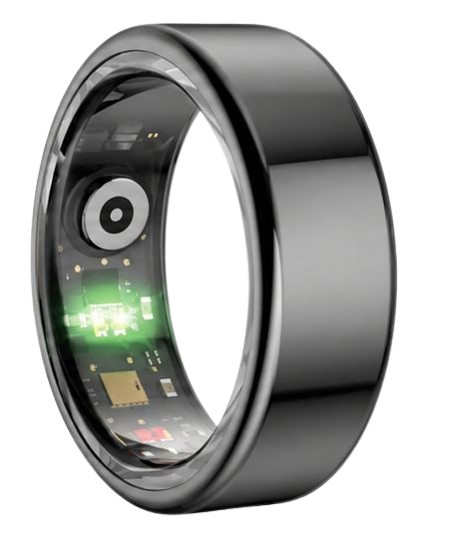
By using the Herz P1 smart ring, you gain clear, personalized insights to help you make healthier choices every single day.
Ready to monitor your health every day? Explore the Herz P1 Smart Ring and see if it fits your lifestyle. Call: 1-866-479-1629 — our team can help you advise on the correct ring size and set personalized health goals.
Note: Individual results may vary depending on individual health conditions, age, and lifestyle habits. This article is intended for general health reference purposes only.
