

Tracking your average skin temperature during rest reveals critical insights about your recovery, hormonal shifts, and early signs of physical stress. With the subscription-free Herz P1 Smart Ring, monitoring these overnight shifts becomes effortless, letting you understand what is normal for your unique body so you can take control of your well-being today.
Built to Last. Save Up to 69% Today.
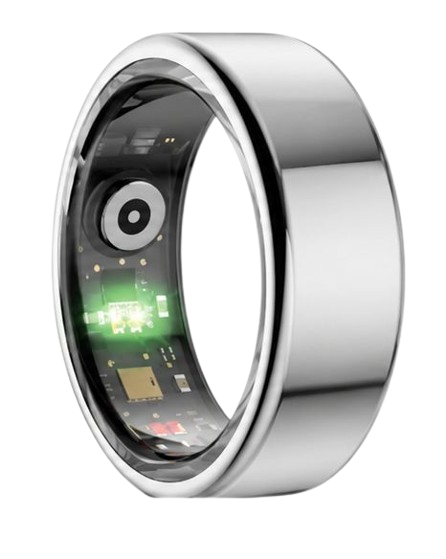
The Herz P1 Smart Ring tracks HRV, Sleep, Heart Rate & SpO2 around the clock. No subscriptions. No renewals. Ever.
In This Article
- Optimizing Your Temperature Trends: How to track daily and nightly changes step-by-step.
- Thermal Science Decoded: The difference between core temperature and surface readings.
- Analyzing Wearable Metrics: Utilizing advanced biometric data to catch early fatigue or health shifts.
- The Herz P1 Advantage: Why subscription-free tracking on a military-grade ring is the future.
How to Track and Optimize Your Average Skin Temperature During Sleep
Prerequisites and Baseline Requirements
Before you begin tracking your thermal metrics, you must establish a baseline.
You will need a highly accurate wearable device that measures peripheral thermal shifts.
You also need a consistent sleep environment with a stable bedroom temperature.
Finally, you should allow at least seven to ten days of continuous wear to let the system learn your body’s personal patterns.
-
Step 1: Choose the Right Finger for Your Wearable Device
Optimal sensor contact is necessary for high-quality thermal readings.
We recommend wearing your smart ring on your index or middle finger.
These fingers have prominent blood vessels near the surface.
This position ensures the optical sensors can read blood flow and temperature shifts accurately.
Make sure the ring fits snugly but comfortably without restricting blood circulation.
-
Step 2: Maintain a Consistent Bedroom Climate
External ambient conditions can easily influence peripheral skin temperature.
Aim to keep your bedroom temperature between 65 and 68 degrees Fahrenheit.
This range is widely recommended by sleep experts for optimal rest.
A room that is too cold will cause your blood vessels to constrict rapidly.
A room that is too hot will prevent your body from releasing heat naturally.
-
Step 3: Wear the Device Continuously for Seven Days
Your body does not have a single fixed temperature value.
Instead, your system relies on baseline averages that shift over time.
Wearing your tracker every night helps establish a reliable baseline.
The algorithm compares each night’s data to your historical average.
This allows the system to highlight meaningful deviations rather than normal fluctuations.
-
Step 4: Check Your Morning Data Trends
Review your temperature metrics first thing every morning.
Look for deviations from your established average skin temperature baseline.
A sudden positive spike of more than one degree could indicate early physical stress.
A sudden drop might suggest that your sleep environment was too cold.
Consistent tracking helps you spot these correlations before they impact your daily energy.
-
Step 5: Adjust Your Evening Routine Based on Biometric Insights
Use your daily thermal data to refine your nighttime habits.
If your temperature remains high, try avoiding heavy meals close to bedtime.
You can also experiment with relaxing warm baths to promote natural heat dissipation.
Monitor how these behavioral changes affect your sleep scores over the following week.
Small lifestyle adjustments can lead to dramatic improvements in your sleep depth.
Integrating the Herz P1 Experience
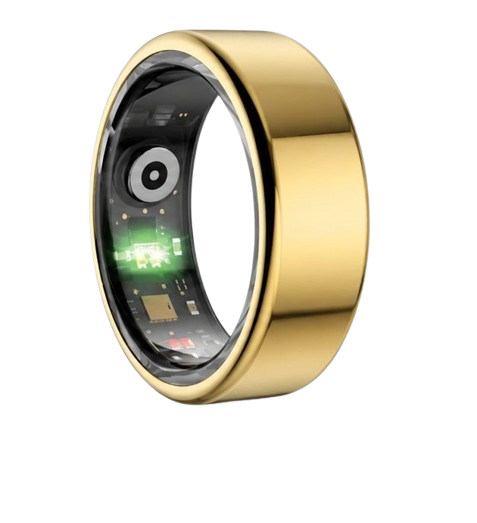
The Herz P1 Smart Ring makes this entire optimization process seamless and simple.
Equipped with advanced multi-spectral sensors, it monitors your skin temperature during sleep with outstanding precision.
There are no monthly subscription fees to access your long-term data trends.
Our military-grade steel construction ensures the device survives daily wear easily.
By choosing the Herz P1, you gain a lifetime of actionable health insights without any hidden costs.
90-Day 100% Money-Back Guarantee
“The Herz Smart Ring helps me manage stress easily. It’s accurate, stylish, and lightweight—perfect for my busy life!”
— Jennifer P. | ✔ Verified Customer
- ✓ 6-Day Battery Life
- ✓ Detailed Sleep Analysis
- ✓ Fast 1-Hour Charging
- ✓ iOS & Android Ready
Questions? Call: 1-866-479-1629
Understanding the Science Behind Your Average Skin Temperature
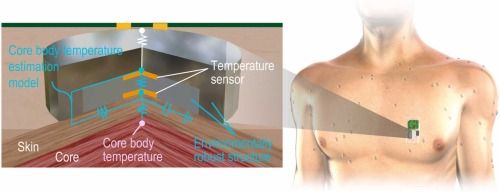
Your body regulates its internal state through a complex process called thermoregulation.
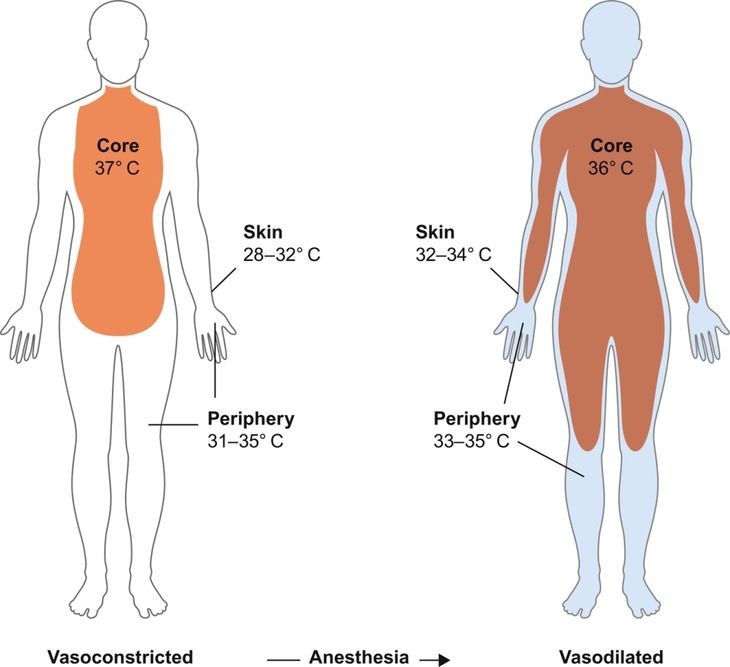
During the day, your brain keeps your vital organs warm by concentrating blood flow in your core.
As bedtime approaches, your body must shed heat to initiate high-quality sleep.
According to research from the National Sleep Foundation, this cooling process is essential for transitioning into deep sleep states.
Your blood vessels dilate, sending warmer blood to your hands, feet, and skin surface.
This thermal shift is why your peripheral average skin temperature typically rises during the early parts of the night.
At the same time, your core body temperature drops to its lowest daily point.
Wearable devices measure this skin-surface warming to help track your sleep stages accurately.
The Connection Between Skin Temp, HRV, and SpO2
Your body’s thermal signals do not operate in a vacuum.
They are deeply connected to other vital biometrics like heart rate variability (HRV) and blood oxygen saturation (SpO2).
When your parasympathetic nervous system is active, your body relaxes and blood vessels dilate.
This state of recovery is marked by a healthy rise in HRV and a stable physiological temp range.
If you are experiencing physical stress or an oncoming illness, your sympathetic nervous system takes over.
This fight-or-flight response constricts peripheral blood vessels, causing sudden body temperature fluctuations during the day and night.
By tracking your average skin temp alongside HRV, the Herz P1 provides a multidimensional view of your recovery.
Our advanced multi-spectral sensors capture these minute vascular shifts with clinical-grade accuracy.
The Role of REM and Deep Sleep in Thermal Regulation
Your body regulates its temperature differently depending on your sleep stage.
During deep slow-wave sleep, your brain maintains stable thermoregulation to allow physical tissue repair.
During Rapid Eye Movement (REM) sleep, however, your active brain temporarily pauses temperature defense mechanisms.
This makes your body highly sensitive to the ambient room climate during REM cycles.
If your room is too hot or too cold, you are much more likely to wake up during REM sleep.
An uncomfortable environment disrupts cognitive restoration and memory consolidation.
The Herz P1 Smart Ring monitors these delicate thermal environments to help you optimize your bedroom setup.
Decoupling Surface Skin Temperature from Internal Core Temperature
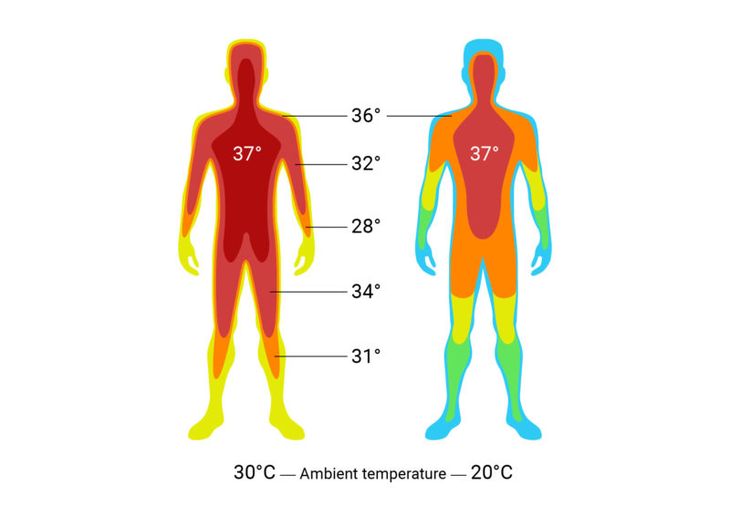
Many people confuse skin temperature with the internal temperature of their vital organs.
It is crucial to understand that normal skin temp behaves very differently from your deep internal state.
Your core organs must stay within a tight range to sustain life safely.
Meanwhile, your limbs and skin act as a radiator to release or conserve heat.
This means your skin temperature can vary widely depending on environment, physical activity, and stress levels.
When you track your biometrics, you are looking at relative trends rather than a single absolute number.
A rise in peripheral warmth often reflects a healthy release of internal body temperature as you prepare for rest.
Conversely, a sudden drop might mean your body is conserving heat due to cold surroundings or stress.
Understanding the Normal Baseline Range
For most healthy adults, the baseline skin temperature normal range fluctuates by about 0.5 to 1.5 degrees Celsius each day.
Your body naturally aligns these variations with your circadian rhythm.
Your temperature begins to fall in the early evening and reaches its lowest point around 4:00 AM.
This downward trend is essential for initiating deep, restorative sleep cycles.
As morning approaches, your system gently warms up to prepare you for waking.
If this rhythm is disrupted, you may experience morning grogginess or mid-day fatigue.
By tracking these subtle shifts, you can identify if your internal clock is out of alignment.
What Causes Your Temperature to Rise Unexpectedly?
There are several lifestyle and physiological factors that can cause your temperature to spike.
Consuming alcohol close to bedtime dilates blood vessels, making your body temperature higher during the first half of the night.
Intense physical workouts late in the evening can also keep your metabolic rate elevated for several hours.
Additionally, hormonal fluctuations during the menstrual cycle naturally raise baseline temperatures.
For women, tracking these subtle shifts can provide valuable clues about ovulation and cycle phases.
An unexpected sustained increase may also serve as an early warning of your immune system responding to an oncoming bug.
Analyzing these daily trends with a smart ring allows you to make informed decisions about your daily training and recovery needs.
How to Read and Apply Thermal Data on the Herz P1 App
Our user-friendly companion app translates complex biometric data into clear, actionable advice.
When you open the app each morning, you will see a detailed breakdown of your sleep metrics.
The dashboard displays your nightly temperature trend as a deviation from your personal baseline.
This deviation is calculated using data from your previous seven nights of sleep.
This approach helps you focus on meaningful trends rather than worrying about minor daily fluctuations.
The app also provides insights into how your thermal patterns correlate with your daily internal temperature of the human body.
By viewing these trends side-by-side, you can easily identify what factors are disrupting your sleep.
Optimizing Your Rest with Daily Insights
You can use your personalized data to make immediate improvements to your sleep environment.
If you notice your temperature is consistently above baseline, try adjusting your bedding.
Switching to breathable, moisture-wicking sheets can help your body release heat more efficiently.
You might also consider adjusting your thermostat or opening a window for better airflow.
If your temperature drops significantly below baseline, consider wearing light socks to bed.
Warming your extremities actually dilates blood vessels, helping to lower your core temperature for better sleep.
The Herz P1 app will track the impact of these adjustments over time, showing you exactly what works best.
The Comfort of 24/7 All-Day Wear
To get the most accurate insights, you need a device that you can wear comfortably all day and night.
Bulky smartwatches can feel heavy, trap sweat, and disturb your sleep when you roll over.
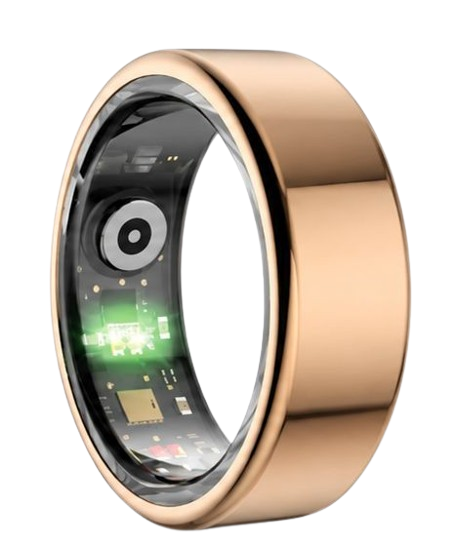
The Herz P1 Smart Ring is ultra-lightweight, weighing only 3.5 grams.
It is crafted from military-grade steel, making it incredibly durable and scratch-resistant.
The smooth, hypoallergenic inner lining prevents skin irritation even during intense workouts.
With its sleek and minimal profile, you will quickly forget you are even wearing a tracker.
This seamless comfort ensures you get continuous, uninterrupted data for a complete picture of your health.
Common Mistakes in Wearable Health Tracking
Many people make the mistake of wearing a bulky, heavy smartwatch to bed.
These large devices often shift during the night, leading to inaccurate sensor readings.
They can also press uncomfortably against your wrist, waking you up during light sleep stages.
Additionally, most smartwatches require daily charging, meaning you have to take them off at night.
This creates gaps in your health data, making it difficult to establish a reliable baseline.
Choosing a sleek, lightweight smart ring solves these issues completely.
The Herz P1 sits securely at the base of your finger, keeping the sensors in perfect contact with your skin.
Avoiding the Trap of Hidden Subscription Fees
Another common pitfall is purchasing a device only to discover it requires an ongoing monthly subscription.
Several premium brands lock your detailed health metrics behind a paywall.
This means you must pay a recurring fee just to view your own sleep and temperature trends.
These hidden costs can add up to hundreds of dollars over the lifetime of the device.
We believe that you should own your health data completely without any ongoing financial burden.
The Herz P1 App is entirely free for a lifetime, with no subscription fees or hidden paywalls.
You get full access to all advanced tracking metrics, historical charts, and AI-driven insights from day one.
The Cost-Effectiveness of a Premium Device
Investing in a high-quality, subscription-free tracker is highly cost-effective over time.
With the Herz P1, you pay once for the hardware and enjoy premium health tracking forever.
We stand behind the quality of our product with an industry-leading 2-year warranty.
We also offer a 90-day money-back guarantee, allowing you to try the ring completely risk-free.
Our commitment to durable materials ensures your device is built to last through all of life’s adventures.
This makes the Herz P1 a reliable and smart investment in your long-term health and well-being.
How Herz P1 Compares to Typical Competitors
Choosing the right wearable is about finding the best value, durability, and comfort.
Here is a direct look at how the Herz P1 compares to standard industry alternatives.
| Key Metric / Feature | Herz P1 Smart Ring | Typical Smartwatch / Ring |
|---|---|---|
| Monthly Subscription Fee | $0 (Free App For Life) | $5.99 to $9.99/month |
| Warranty Period | 2-Year Warranty | 1-Year Standard Warranty |
| Waterproof Rating | IP68 (Up to 164 Feet) | Basic Splash-Proof |
| Battery Charge Time | Under 1 Hour | 1.5 to 2.5 Hours |
| Sleep Comfort Profile | Ultra-Light (3.5g Ring) | Bulky & Heavy Wrist Strap |
Frequently Asked Questions About Smart Rings
We have collected the most common questions our wellness advisors receive about smart rings.
These answers will help you understand how to get the most out of your health tracker.
Is the Herz P1 Smart Ring waterproof?
Yes, the Herz P1 has an advanced IP68 waterproof rating.
It is certified for safe use in water depths up to 164 feet.
You can wear it confidently while swimming, showering, washing your hands, or visiting the sauna.
Our military-grade steel outer casing ensures that water cannot penetrate the internal sensors.
How long does the battery last on a single charge?
The Herz P1 features a long-lasting battery that lasts up to 6 days on a single charge.
It charges incredibly fast, going from empty to full in under 1 hour.
This quick charge time means you never have to miss a single night of sleep tracking.
We recommend charging the ring while you shower to keep it fully powered effortlessly.
Which finger is the best option to wear the smart ring on?
We recommend wearing the Herz P1 on your index or middle finger.
The non-dominant hand is usually the best choice to minimize daily wear and tear.
These fingers provide the most stable contact between the optical sensors and your blood vessels.
Ensure the ring fits comfortably and does not rotate too easily during movement.
Does the Herz P1 store health data when offline?
Yes, the ring contains built-in local storage that can save up to 7 days of data offline.
You do not need to keep your smartphone nearby or connected to Bluetooth continuously.
The ring will record your sleep, temperature, and HRV trends automatically throughout the night.
Once you reopen the app, all of your saved data will sync automatically and seamlessly.
Conclusion
Tracking your skin temperature is a powerful way to unlock deeper daily recovery. The Herz P1 Smart Ring delivers precise tracking with zero monthly fees and total comfort. Ready to monitor your health? Explore the Herz P1 Smart Ring today. Call: 1-866-479-1629 — our team will help you choose your size and set personalized goals.
Note: Individual results may vary depending on individual health conditions, age, and lifestyle habits. This article is intended for general health reference purposes only.
