

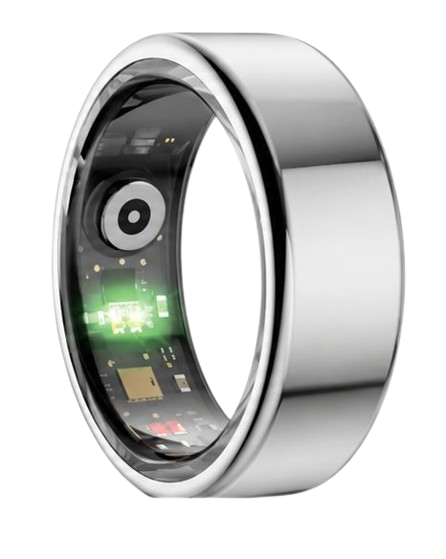
If you are constantly exhausted, you might wonder: can being tired elevate your heart rate? Clinical research shows that physical exhaustion directly stresses your nervous system, causing a noticeable spike in your pulse. Fortunately, the Herz P1 Smart Ring continuously tracks your biometric trends to help you identify these critical warning signs before burnout sets in.
Built to Last. Save Up to 69% Today.
The Herz P1 Smart Ring tracks HRV, Sleep, Heart Rate & SpO2 around the clock. No subscriptions. No renewals. Ever.
In This Article
- The Heart-Fatigue Connection: Discover how sleep debt and physical exhaustion trigger autonomic nervous system shifts.
- Hormonal Stress Spikes: Understand the role of adrenaline and cortisol in elevating resting pulse rate.
- Tracking with Precision: Learn how the Herz P1 Smart Ring decodes heart rate, HRV, and SpO2 without subscription fees.
- Practical Recovery Habits: Implement actionable lifestyle adjustments to calm your cardiovascular system.
Does Being Tired Really Elevate Your Heart Rate? Here is the Science

When your body experiences systemic fatigue, your autonomic nervous system struggles to maintain equilibrium.
This disruption can cause your resting pulse rate to climb significantly higher than your typical baseline metrics.
You might notice your resting heart rate suddenly increased after a night of poor, fragmented sleep.
This phenomenon occurs because fatigue acts as an internal biological threat, altering what affects resting heart rate on a daily basis.
To understand why this happens, we must look at the balance between the sympathetic and parasympathetic nervous systems.
Normally, your parasympathetic system acts as a brake, slowing down cardiac rhythms during rest and relaxation.
However, when you suffer from acute sleep deprivation, this protective braking system relaxes, allowing the sympathetic system to dominate.
The sympathetic nervous system is responsible for your body’s fight-or-flight response, preparing you to face perceived external dangers.
When sleep debt accumulates, the brain misinterprets physical fatigue as an active threat to survival.
In response, your adrenal glands flood your bloodstream with stress hormones like cortisol and epinephrine.
These hormones constrict your peripheral blood vessels, which forces your heart to contract faster and work much harder.
As a direct result, your cardiac output increases, raising your overall resting pulse rate.
According to the American Heart Association, a normal resting heart rate for healthy adults ranges between 60 and 100 beats per minute.
When chronic exhaustion compromises your body, this number can easily rise by 10 to 15 beats per minute above your unique baseline.
If you want to track this in real time, the Herz P1 Smart Ring monitors heart rate and pulse variability 24/7 — explore it here.
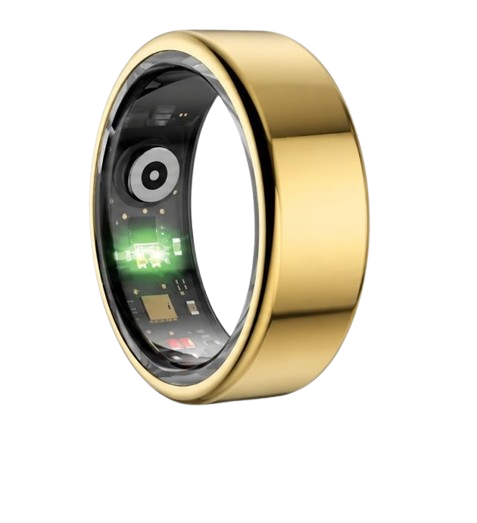
90-Day 100% Money-Back Guarantee
“The Herz Smart Ring helps me manage stress easily. It’s accurate, stylish, and lightweight—perfect for my busy life!”
— Jennifer P. | ✔ Verified Customer
- ✓ 6-Day Battery Life
- ✓ Detailed Sleep Analysis
- ✓ Fast 1-Hour Charging
- ✓ iOS & Android Ready
Questions? Call: 1-866-479-1629
How Chronic Fatigue and Exhaustion Alter Your Pulse Rate

To fully comprehend fatigue and heart rate, we must examine the physiological changes that occur during physical burnout.
When you push your physical limits without adequate rest, muscle fibers sustain microscopic damage.
The body responds by initiating localized inflammatory pathways to repair this muscle tissue.
This constant inflammatory state requires a higher volume of oxygen and nutrient delivery to peripheral muscles.
Consequently, your heart is forced to increase its stroke volume and contraction speed, raising your overall exhaustion pulse rate.
You might find yourself wondering, why would my resting heart rate be elevated when I am simply trying to relax?
This elevation happens because systemic exhaustion suppresses your vagus nerve activity, which is the primary driver of cardiac relaxation.
The suppression of vagal tone directly causes your resting pulse rate to hover at a resting heart rate higher than normal.
Furthermore, dehydration often accompanies periods of extreme fatigue and extended working hours.
When your body is dehydrated, your total circulating blood volume drops significantly.
To maintain adequate blood pressure and oxygenate vital organs, your heart must pump faster to compensate for the lower fluid volume.
This physiological response explains how simple can tiredness raise pulse rate values even when you are sitting quietly at a desk.
Our team at Herz P1 has observed these precise cardiovascular dynamics in thousands of individuals utilizing wearable health trackers.
By analyzing daily trends, you can begin to pinpoint the exact moment your body transitions from normal fatigue to profound cardiovascular strain.
Sleep Debt and Your Morning Cardiovascular Metrics

Many people experience a frustrating phenomenon: they wake up feeling completely drained, only to find their heart racing.
This occurrence leads to a common question: why did my resting heart rate increase during a night meant for recovery?
The answer lies in your sleep architecture, specifically the balance of Deep and REM sleep cycles.
The National Sleep Foundation emphasizes that deep sleep is the time when the cardiovascular system fully rests.
During deep slow-wave sleep, your blood pressure drops, and your heart rate falls to its lowest daily levels.
This recovery period allows cardiac tissues to repair and prevents long-term arterial strain.
However, if your sleep is fragmented, you miss out on these essential deep recovery phases.
Your body remains in a light sleep state, where sympathetic activity dominates, keeping your cardiovascular metrics elevated.
As a result, you might notice a remarkably high heart rate in the morning as soon as you open your eyes.
Additionally, sleep apnea or poor airway alignment can cause your blood oxygen saturation (SpO2) to plunge overnight.
When SpO2 drops below 95%, your brain triggers an immediate survival reflex by releasing a burst of adrenaline.
This adrenaline spike wakes you up gasping or micro-aroused, forcing your heart rate to jump instantly.
The Herz P1 Smart Ring utilizes advanced optical sensors to monitor your overnight SpO2 levels and sleep phases with high fidelity.
By tracking these overnight metrics, you can understand if your morning fatigue is tied to structural sleep disruptions.
Distinguishing Fatigue from Illness and Stress Response
It is highly critical to recognize that fatigue is not the only factor that alters your cardiovascular rhythm.
You must learn to distinguish between general exhaustion, onset of illness, and psychological stress.
When your body fights an infection, your immune system releases proteins called cytokines to coordinate a defense.
These cytokines alter your body’s temperature regulation, often producing a fever and elevating metabolic demand.
This elevated state explains why you might experience an elevated heart rate when sick compared to when you are simply tired.
Conversely, psychological anxiety triggers an acute sympathetic spike, causing rapid, jagged resting heart rate changes within seconds.
Fatigue-induced heart rate elevation, on the other hand, develops gradually over days of cumulative sleep deprivation.
To help you visualize these differences, Team Herz P1 has compiled a quick comparative reference table below:
| Primary Trigger | Heart Rate Pattern | Accompanying Biometric Clues |
|---|---|---|
| Cumulative Fatigue | Gradual increase (5-12 BPM above baseline) | Decreased Heart Rate Variability (HRV), fragmented sleep staging |
| Developing Illness | Sustained elevation (15-20 BPM higher), even at rest | Elevated skin temperature, sudden drop in SpO2 metrics |
| Acute Stress/Anxiety | Sudden, erratic spikes during waking hours | Rapid drop in HRV, normal sleep temperature and SpO2 |
By observing these physiological differences, you can avoid unnecessary anxiety regarding your heart health.
Having access to stable, multi-dimensional biometric data allows you to make informed decisions about when to rest or seek advice.
Managing Burnout: How to Track and Lower Fatigue-Induced Pulse Spikes
If you are currently struggling with persistent exhaustion, there are immediate steps you can take to calm your nervous system.
First, prioritize consistent sleep schedules to help align your circadian rhythm with your cardiovascular needs.
Going to bed and waking up at the exact same time every day stabilizes melatonin production and lowers nighttime cortisol.
Second, integrate slow, deep diaphragmatic breathing exercises into your midday routine, especially during high-stress hours.
Taking six slow, deep breaths per minute stimulates your vagus nerve and activates the parasympathetic response within minutes.
This simple practice has been shown to reduce a racing pulse by up to 10 beats per minute almost immediately.
Third, ensure you are drinking sufficient water throughout the day to support healthy blood volume levels.
We recommend keeping a structured hydration log to make sure you consume at least 2 to 3 liters of water daily.
When tracking these improvements, relying on a bulky smartwatch can actually hinder your long-term success.
Bulky watches are uncomfortable to wear overnight, leading to poor sleep tracking compliance and missing critical overnight data.
The Herz P1 Smart Ring, on the other hand, is ultra-lightweight and fits comfortably on your finger all night long.
Its seamless design allows you to collect accurate HRV and resting heart rate data without disturbing your slumber.
Furthermore, the Herz P1 companion app requires absolutely no monthly subscription fees, giving you free access to your data forever.
Wearable Traps: Why Your Device Might Be Adding to Your Stress
Many health-conscious individuals buy a wearable tracker only to find the experience frustrating and stressful.
Smartwatches often require daily charging, meaning you must take them off right when you need sleep tracking the most.
Additionally, receiving constant, loud notifications on your wrist can exacerbate daily anxiety, raising your pulse further.
Worse yet, many popular wearable brands lock your valuable biometric data behind expensive monthly app paywalls.
We believe you should never have to pay a subscription fee to access your own heart rate or sleep stages.
Team Herz P1 developed our smart ring with a strict “No Subscription Required” philosophy to eliminate these hidden costs.
The Herz P1 is constructed using military-grade steel and is completely IP68 waterproof, ensuring it survives daily life.
Whether you are washing dishes, swimming laps, or sleeping deeply, the Herz P1 remains securely in place, collecting data.
With a 2-year warranty and a 90-day money-back guarantee, you can confidently explore your health metrics risk-free.
Frequently Asked Questions
Is the Herz P1 Smart Ring waterproof?
Yes, the Herz P1 is fully IP68 waterproof and can withstand continuous water submersion up to 164 feet deep.
This makes it completely safe for swimming, showering, bathing, and intensive daily handwashing routines.
How long does the battery last on a single charge?
The Herz P1 battery lasts up to 6 days under normal continuous tracking conditions on a single charge.
When the battery runs low, you can recharge it to 100% in under 1 hour using the included fast-charging cradle.
Which finger is best to wear the Herz P1 on?
For the most accurate biometric readings, we recommend wearing the ring on your index, middle, or ring finger.
Ensure the inner sensor pads of the ring are positioned flat against the palm side of your finger base.
Does the Herz P1 store health data offline?
Yes, the ring features up to 7 days of secure local storage, meaning you do not need your phone nearby at all times.
Once you open the companion app, the ring will sync all stored historical data via Bluetooth in seconds.
Conclusion
Managing your cardiovascular health and daily fatigue requires reliable, continuous biometric tracking.
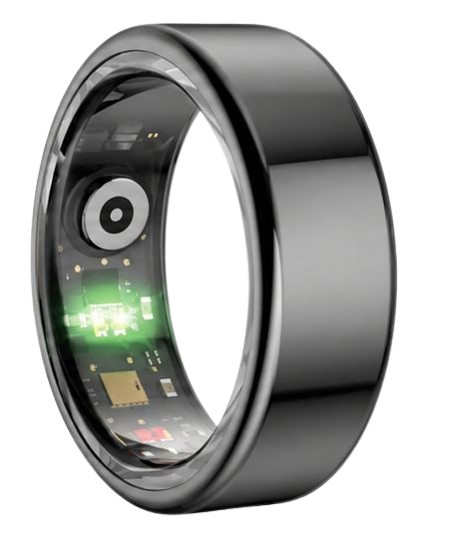
The Herz P1 Smart Ring provides accurate insights into your heart rate, HRV, and sleep stages with no hidden subscription fees.
Ready to monitor your health every day? Explore the Herz P1 Smart Ring and see if it fits your lifestyle. Call: 1-866-479-1629 — our team can help you advise on the correct ring size and set personalized health goals.
