

Do you drag yourself through Monday morning feeling like you crossed three time zones, even though you never left your bed? This exhausting phenomenon is known as circadian misalignment, and understanding what is social jetlag is the first step toward reclaiming your energy. According to sleep studies, over 70% of modern professionals suffer from this silent energy drain, but you do not have to be one of them. The Herz P1 Smart Ring offers a scientifically backed way to track your body clock, helping you identify and resolve sleep imbalances without any monthly subscription fees.
Built to Last. Save Up to 69% Today.
The Herz P1 Smart Ring tracks HRV, Sleep, Heart Rate & SpO2 around the clock. No subscriptions. No renewals. Ever.
In This Article
- Defining Social Jetlag: Learn why your weekend sleep schedule is secretly sabotaging your weekdays.
- Symptoms & Causes: Spot the early warning signs of circadian misalignment before they impact your health.
- Clinical Mitigation Strategies: Practical steps to synchronize your biological clock with your daily calendar.
- Smart Biometric Tracking: How the Herz P1 Smart Ring monitors your HRV and sleep architecture to guide your recovery.
What Is Social Jetlag? Understanding the Disconnect Between Your Clock and Your Calendar

Social jetlag represents the stark discrepancy between your biological clock and your social clock.
Your biological clock is determined by your natural genetic chronotype, which dictates when you naturally feel alert or tired.
Your social clock is dictated by your work, school, or social obligations, which often demand early mornings.
When these two clocks do not align, your body enters a state of chronic circadian distress.
This condition primarily affects busy office workers, students, and shift workers who must adhere to rigid schedules.
Individuals who identify as night owls are highly susceptible to this pattern because their natural rhythm is delayed.
These individuals are forced to wake up early on workdays but sleep late on weekends to catch up.
This sleep disruption occurs consistently throughout the modern workweek as sleep debt accumulates.
The shift typically peaks on Friday and Saturday nights when social activities extend late into the night.
The crash happens on Monday morning when your body is forced back into an early wake routine.
The impact of this disruption is felt deep within your cellular biology, affecting your hormones and metabolism.
It alters your brain chemistry, cardiovascular rhythm, and digestive systems, leaving you chronically fatigued.
The physical manifestation is often noticed at your desk when intense afternoon brain fog sets in.
It happens because the human body is designed to follow the natural light-dark cycle of the earth.
Artificial lighting and late-night digital screens trick the brain into delaying melatonin production.
This artificial delay prevents your body from transitioning into deep rest at a natural, healthy hour.
The physiological mechanism involves a severe disruption to your endocrine system and hormone release.
Cortisol, your primary stress hormone, is released at inappropriate times during the day, causing anxiety.
Melatonin, which prepares you for sleep, is suppressed by evening activities and screen exposure.
This biochemical mismatch degrades your overall sleep architecture and prevents physical cellular repair.
Research shows that even a two-hour shift in sleep timing can increase cardiovascular strain by 11%.
Studies indicate that over 60% of modern adults experience at least one hour of social jetlag every week.
Furthermore, a three-hour weekly shift increases the risk of metabolic issues by roughly 20%.
Accumulating this sleep debt over years can impact your overall wellness and long-term health span.
If you want to know how to fix social jetlag, you must first measure your unique physiological shifts.
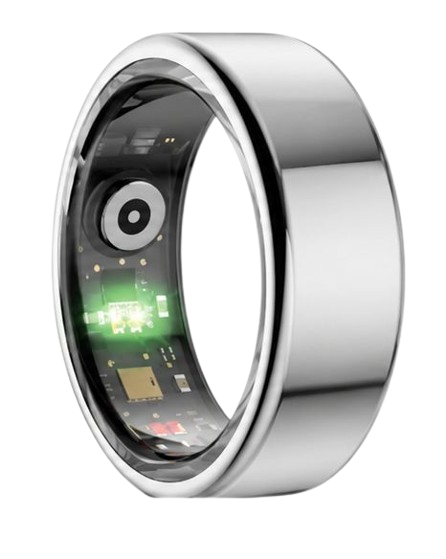
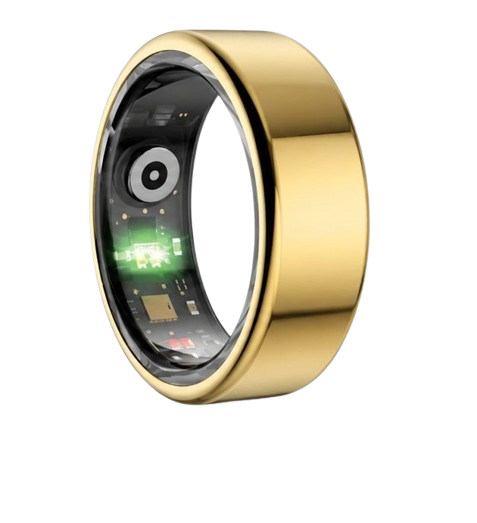
If you want to track this in real-time, the Herz P1 Smart Ring monitors your sleep timing and heart rate variability 24/7 — explore it here.
90-Day 100% Money-Back Guarantee
“The Herz Smart Ring helps me manage stress easily. It’s accurate, stylish, and lightweight—perfect for my busy life!”
— Jennifer P. | ✔ Verified Customer
- ✓ 6-Day Battery Life
- ✓ Detailed Sleep Analysis
- ✓ Fast 1-Hour Charging
- ✓ iOS & Android Ready
Questions? Call: 1-866-479-1629
The Core Symptoms of Social Jetlag: Identifying the Warnings of Circadian Misalignment
The physical indicators of circadian misalignment extend far beyond simply feeling tired on Monday mornings.
Many people ask themselves, why do i wake up tired even after sleeping for eight hours on Sunday night?
The answer lies in the poor overall quality of sleep caused by irregular sleep timing.
A primary symptom of this disruption is severe daylight cognitive impairment and afternoon focus drops.
You may experience a profound lack of focus, memory lapses, and slower reaction times during your workday.
Another common sign is chronic emotional volatility, lower stress resilience, and heightened daily irritability.
When your biological clock is out of sync, your brain becomes more reactive to daily stressors.
You might also suffer from sudden nocturnal awakenings and ask, why do i wake up at 3am with a racing mind?
This midnight wakefulness occurs because your body releases a premature spike of cortisol to compensate for irregular sleep cycles.
Over time, this hormonal fluctuation disrupts your natural heart rate deceleration during sleep.
Your nocturnal resting heart rate should dip to its lowest point during the middle of your sleep cycle.
With social jetlag, this cardiovascular dip is delayed or completely absent, leaving you unrecovered.
This continuous cardiac stress can lead to long-term fatigue and elevated resting heart rates.
Furthermore, gastrointestinal distress is a highly common but rarely discussed symptom of this condition.
Your gut microbiome operates on its own internal circadian schedule, expecting meals at consistent times.
Shifting your sleep and meal times on weekends to match late-night schedules causes gut dysbiosis.
This can lead to acid reflux, bloating, and unexpected sluggishness throughout the week.
By tracking your physiological signals with an advanced sensor, you can spot these subtle physical warnings early.
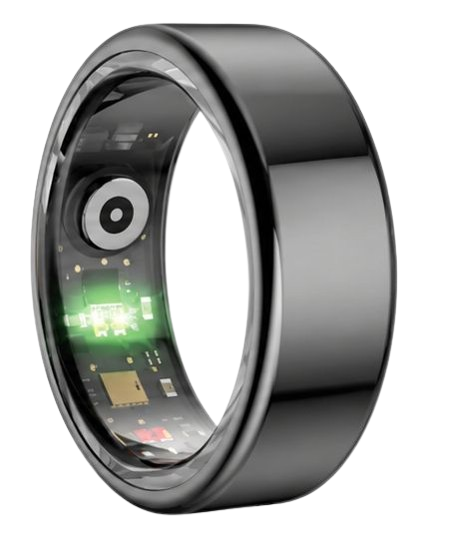
The Herz P1 Smart Ring utilizes a military-grade steel chassis to house advanced optical sensors that monitor your resting heart rate and blood oxygen levels continuously.
The Scientific Causes Behind Your Circadian Sleep-Wake Cycle Disruptions
To implement an effective social jetlag resolution strategy, we must examine the modern causes of this condition.
Our bodies are governed by an internal pacemaker called the suprachiasmatic nucleus located in the brain.
This tiny brain region relies on consistent environmental cues to regulate your circadian sleep wake cycle.
The most powerful external cue for your internal clock is natural, bright morning daylight.
In our modern society, we spend up to 90% of our daytime hours indoors under weak artificial lighting.
At night, we expose our eyes to high-intensity blue light from smartphones, televisions, and laptops.
This evening light exposure tricks the brain into thinking it is still daytime, suppressing rest hormones.
Consequently, the pineal gland delays the release of melatonin by up to two hours.
This delay is known as a circadian phase delay, which shifts your natural sleep onset window.
When the weekend arrives, we naturally stay up later because we do not have to work the next morning.
We then sleep in late to pay off our accumulated weekly sleep debt.
This weekend sleep catch-up shift acts like a self-inflicted time zone travel every single week.
By sleeping in on Sunday, you shift your clock westward by several hours, delaying your clock.
When Monday morning arrives, you must suddenly shift your clock back eastward, causing a shock to your system.
This rapid shift causes severe physiological stress to your nervous and cardiovascular systems.
According to the American Heart Association, irregular sleep patterns are directly linked to increased cardiovascular stress factors.
The Herz P1 Smart Ring tracks these subtle deviations by measuring your Heart Rate Variability (HRV) during sleep.
A lower Heart Rate Variability indicates that your sympathetic nervous system is stuck in a fight-or-flight state due to circadian misalignment.
Tracking these trends allows you to see the exact biological cost of staying up late on weekends.
How to Resolve Social Jetlag: Clinical Strategies for Circadian Realignment
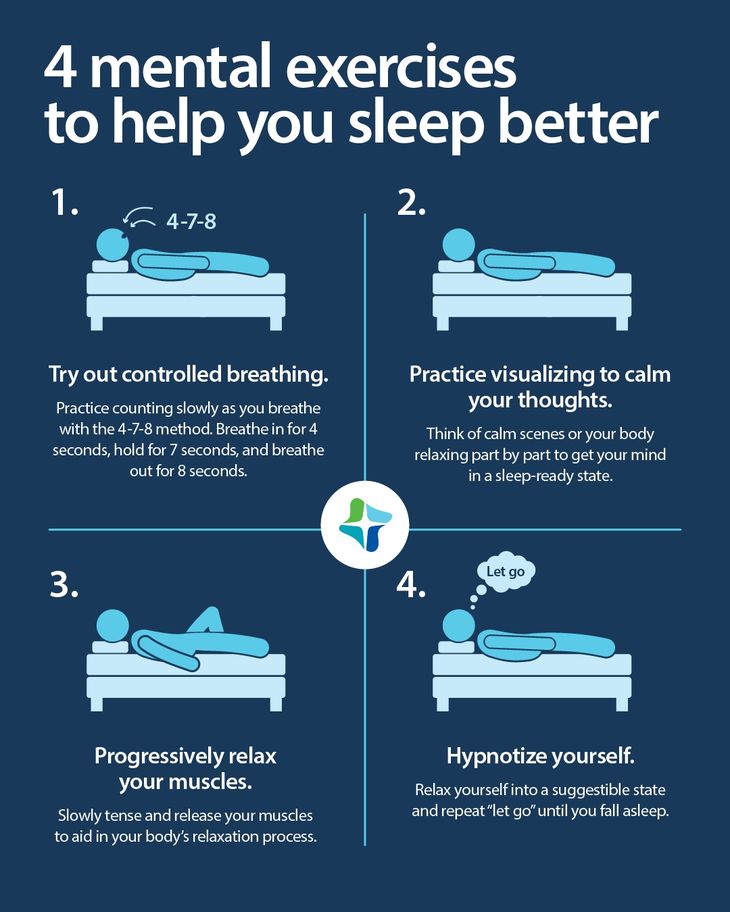
Overcoming circadian misalignment requires a systematic, data-driven approach to sleep hygiene.
The ultimate goal is to minimize the difference between your weekday and weekend sleep midpoint.
Clinical sleep specialists recommend keeping this variance to less than sixty minutes to maintain health.
The first step in your resolution is obtaining bright, natural sunlight within thirty minutes of waking up.
This morning light exposure immediately halts melatonin production and resets your internal timer.
If you wake up before sunrise, you can use a high-lux light therapy box for twenty minutes instead.
The second step is establishing a strict, non-negotiable sleep schedule throughout the week.
You should aim to wake up at the exact same time every day, including on weekends.
If you stay up late on a Saturday night, you should still wake up at your regular Sunday morning time.
To compensate for the lost sleep, you can take a brief twenty-minute nap in the early afternoon.
This strategy prevents your circadian rhythm from shifting while preventing excessive sleep debt accumulation.
The third step involves managing your evening environment to prepare your body for deep rest.
You should eliminate all blue-light-emitting screens at least one hour before your target bedtime.
Replacing screen time with calming offline activities can dramatically improve your sleep onset latency.
You must also monitor your average awake time during sleep to assess your overall sleep efficiency.
Frequent night awakenings indicate that your nervous system is struggling to remain in a deep, restorative state.
By learning how to read sleep graphs, you can visually track your progress toward circadian alignment.
The Herz P1 Smart Ring provides clear, easy-to-read graphs directly inside its free companion app.
These charts display your nightly sleep stages, heart rate dips, and blood oxygen levels without any confusing jargon.
This immediate feedback helps you understand exactly which lifestyle changes are working for your body.
Practical Application Guide & Lifestyle Tips with the Herz P1 Smart Ring
Using the Herz P1 Smart Ring to conquer circadian misalignment is straightforward and highly effective.
When you wear the ring, its multi-wavelength optical sensors collect health-tracking biometric data while you sleep.
Upon waking, simply open the free Herz P1 App to sync your data via secure Bluetooth.
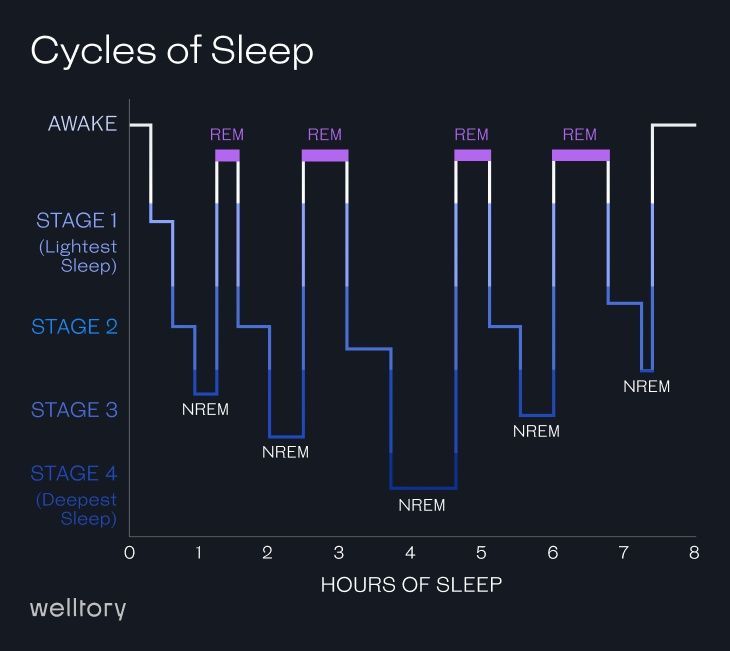
First, check your sleep architecture score to see if your deep and REM sleep cycles are balanced.
Deep sleep is critical for physical recovery, while REM sleep is essential for mental processing.
If you notice a sudden drop in deep sleep after a late night, you know your recovery is compromised.
Second, review your nightly Heart Rate Variability trend line inside the app.
A healthy, aligned circadian system will show a steady rise in Heart Rate Variability as the night progresses.
If your Heart Rate Variability flatlines, your body is still fighting off the stress of an irregular schedule.
Third, use the Blood Oxygen Saturation sensor to ensure you are breathing optimally throughout the night.
The Herz P1 measures SpO2 with a clinical-grade accuracy margin of less than 2% for peace of mind.
This feature is vital for detecting subclinical breathing issues that disrupt your rest cycles.
The lightweight, military-grade steel ring is incredibly comfortable to wear 24/7 during any activity.
Unlike bulky smartwatches that irritate your wrist at night, the Herz P1 feels virtually weightless.
This high comfort level ensures continuous, uninterrupted data collection for the most accurate long-term trends.
Overcoming Risks & Common Wearable Mistakes
Many people make the mistake of wearing a heavy, bulky smartwatch to monitor their sleep patterns.
These large devices frequently shift during the night, leading to inaccurate sensor readings and data gaps.
The tight straps can also restrict local blood circulation, which artificially lowers your recorded Heart Rate Variability.
Additionally, many premium smart rings on the market lock your personal health data behind expensive monthly paywalls.
These ongoing subscription fees can cost you over seventy dollars every year just to view your own sleep scores.
At Team Herz P1, we believe that you should never have to pay a subscription to access your own body signals.
The Herz P1 App is completely free for a lifetime with no hidden charges or premium tier restrictions.
Our ring is constructed from ultra-durable, military-grade steel to survive the toughest daily environments.
It is fully IP68 waterproof, meaning you can wear it while swimming, showering, or washing your hands.
We also back every single purchase with an industry-leading two-year warranty and a ninety-day money-back guarantee.
This comprehensive coverage allows you to test the ring completely risk-free as you work to align your body clock.
Frequently Asked Questions About Social Jetlag and Herz P1
Is the Herz P1 Smart Ring waterproof?
Yes, the Herz P1 features a certified IP68 waterproof rating that allows for continuous submersion in water.
You can safely wear the ring while swimming, showering, bathing, or washing your hands without any risk of damage.
It is designed to withstand water depths of up to 164 feet, making it perfect for active lifestyles and water sports.
How long does the battery last on a single charge?
The Herz P1 Smart Ring is equipped with a highly efficient battery that lasts up to 6 full days of continuous use.
When the battery is depleted, you can recharge it to 100% in under one hour using our fast-charging magnetic cradle.
This long battery life eliminates the daily charging anxiety associated with traditional smartwatches.
Which finger is the best to wear the smart ring on?
For the most accurate biometric readings, we recommend wearing the Herz P1 on your index, middle, or ring finger.
The index finger of your non-dominant hand typically provides the strongest blood flow signal for our optical sensors.
Ensure the ring fits snugly but comfortably without rotating excessively during your daily activities.
Does the Herz P1 store my biometric data offline?
Yes, the ring features advanced onboard storage that securely saves up to 7 days of local biometric data offline.
You do not need to keep your smartphone connected via Bluetooth continuously to prevent data loss.
The next time you open the app, all of your stored sleep, heart rate, and stress metrics will sync automatically.
Conclusion
Conquering circadian misalignment requires consistent sleep patterns and reliable, detailed body data to guide your adjustments.
Ready to monitor your health every day? Explore the Herz P1 Smart Ring and see if it fits your lifestyle. Call: 1-866-479-1629 — our team can help you advise on the correct ring size and set personalized health goals.
Note: Individual results may vary depending on individual health conditions, age, and lifestyle habits. This article is intended for general health reference purposes only.
