

Many health-conscious individuals ask: does sugar free gum raise blood sugar? If you are managing diabetes, practicing intermittent fasting, or tracking your metabolic wellness with the Herz P1 Smart Ring, finding a clear, scientifically validated answer to this question is absolutely essential for your daily routine. Recent metabolic studies indicate that the ingredients in your chewing gum can subtly influence your glycemic response and autonomic stress markers.
Built to Last. Save Up to 69% Today.
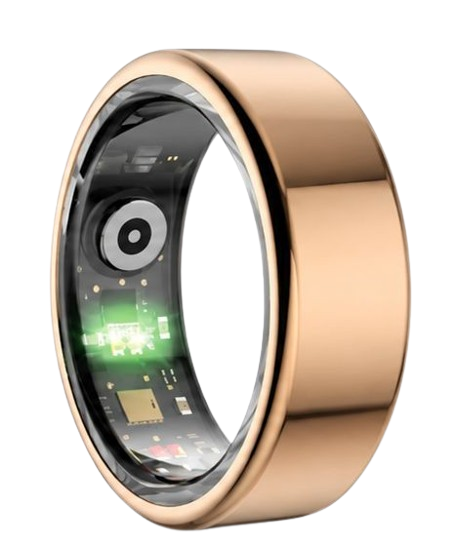
The Herz P1 Smart Ring tracks HRV, Sleep, Heart Rate & SpO2 around the clock. No subscriptions. No renewals. Ever.
In This Article
- Metabolic Truth: A comprehensive assessment of how chewing gum affects glucose stability.
- Sweeteners and Insulin: An expert breakdown of cephalic phase insulin response.
- Biometric Measurement: How physiological signals show your metabolic state.
- Actionable Lifestyle Protocol: Optimizing daily habits to reduce glycemic spikes.
Does Sugar Free Gum Raise Blood Sugar? Here Is the Scientific Truth

To accurately answer this question, we must look closely at the digestive physiology of the human body.
The short answer is that for the vast majority of people, chewing sugar-free gum does not directly cause a sharp increase in blood glucose levels.
This is because sugar-free gum contains non-nutritive sweeteners or sugar alcohols instead of sucrose or high-fructose corn syrup.
These ingredients are not metabolized by your body in the same way as standard carbohydrates.
However, the complete scientific reality is much more nuanced than a simple yes or no.
We need to examine who is chewing the gum, what specific sweetening agents are used, and when the gum is chewed.
For individuals with type 1 or type 2 diabetes, the ingredients list is highly critical.
Certain sugar alcohols, such as maltitol or sorbitol, possess a non-zero glycemic index and can cause mild glucose fluctuations.
In contrast, non-nutritive sweeteners like stevia, monk fruit, aspartame, and sucralose generally do not impact blood sugar directly.
The context of when you chew also matters immensely.
Chewing gum during a strict fast can trigger digestive enzymes and sensory pathways that prepare your system for food.
This biological preparation occurs in the oral cavity and the gut, sending signals to the liver and pancreas.
Understanding why this happens requires a deeper look at your autonomic nervous system.
The simple physical motion of chewing stimulates saliva production and mimics the early stages of eating.
This process can alter your resting heart rate and stress levels, which are closely linked to glucose regulation.
If you are trying to understand how does chewing gum raise blood sugar for your unique body, tracking your overall metabolic markers is key.
If you want to track this in real time, the Herz P1 Smart Ring monitors sleep, heart rate variability, and stress levels 24/7 — explore it here.

90-Day 100% Money-Back Guarantee
“The Herz Smart Ring helps me manage stress easily. It’s accurate, stylish, and lightweight—perfect for my busy life!”
— Jennifer P. | ✔ Verified Customer
- ✓ 6-Day Battery Life
- ✓ Detailed Sleep Analysis
- ✓ Fast 1-Hour Charging
- ✓ iOS & Android Ready
Questions? Call: 1-866-479-1629
How Sweeteners and Gum Impact Your Insulin Levels

To understand insulin behavior, we must discuss a phenomenon called the Cephalic Phase Insulin Response, or CPIR.
Your brain is highly sensitive to the taste of sweetness on your tongue.
When you taste something sweet, sensory receptors in your mouth send an immediate signal to your brain.
Your brain then tells your pancreas to prepare for incoming carbohydrates by releasing a small burst of insulin.
This occurs even before any actual glucose enters your bloodstream.
Because of this reflex, some individuals may experience a temporary dip in blood sugar when they chew sweet gum.
For those managing sugar and metabolism, this minor drop in glucose can sometimes stimulate mild hunger.
The type of sweetener used in the gum plays a critical role in how your body responds over the following hours.
Let us look at the differences between artificial sweeteners and sugar alcohols.
Artificial options like aspartame, acesulfame potassium, and sucralose are non-nutritive and contain zero calories.
These generally do not cause a glycemic spike, similar to what you might observe when drinking a coke zero diabetes friendly beverage.
On the other hand, sugar alcohols like sorbitol, xylitol, and maltitol are partially digested by the body.
Maltitol, for example, has a glycemic index of around 35, which can cause a noticeable rise in blood sugar for highly sensitive diabetics.
Xylitol and erythritol have much lower glycemic indexes and are generally considered highly stable options.
Paying attention to the specific sweetener used in your favorite brand is therefore essential for maintaining metabolic stability.
If you chew multiple pieces of gum containing maltitol throughout the day, the cumulative impact can be significant.
We highly recommend reading the nutritional labels carefully to identify any hidden sugar alcohols that could affect your progress.
Measuring Your Metabolic Health and Glucose Variability
Your glycemic response to foods and lifestyle choices is a key indicator of your overall well-being.
But what is the best way to understand what is metabolic health for your unique biology?
Traditionally, people used standard finger-prick tests or lab markers to evaluate their glucose levels.
Today, advanced technology allows us to gather much more comprehensive physiological data points continuously.
By monitoring biometric trends, we can observe how our bodies respond to daily variables like diet, stress, and sleep.
For instance, your autonomic nervous system plays an incredibly active role in maintaining metabolic balance.
When your body is under stress, it releases hormones like cortisol and adrenaline.
These stress hormones prompt your liver to release stored glucose into the blood to provide quick energy.
This stress-induced glucose release can raise your blood sugar even if you have not consumed any carbohydrates.
By tracking your Heart Rate Variability, or HRV, you can assess the state of your autonomic nervous system.
A higher HRV generally indicates that your body is in a relaxed, recovery-oriented state.
A lower HRV suggests that your body is experiencing elevated physiological stress, which can impair insulin sensitivity.
Improving your metabolic fitness requires looking at these connected systems as a whole.
You cannot look at nutrition in isolation without also addressing physical recovery and sleep quality.
The Herz P1 Smart Ring offers a highly sophisticated, comfortable way to track these underlying biometric patterns continuously.
It records your resting heart rate, active heart rate, HRV, and blood oxygen levels without the bulk of a typical smartwatch.
This continuous tracking gives you the clear, objective data you need to make informed adjustments to your daily routine.
The Nighttime Connection: Sugar-Free Gum, Sleep, and Morning Spikes

Many people are surprised to learn that sleep quality has a profound impact on metabolic health.
If you chew sugar-free gum containing caffeine or strong artificial mint flavors late at night, it could indirectly disrupt your sleep patterns.
Even minor disruptions to your deep sleep or REM cycles can impair how your body handles insulin the following day.
A single night of poor-quality sleep can reduce your insulin sensitivity by up to twenty-five percent.
This can lead to unexplained overnight-glucose-spikes that leave you feeling fatigued in the morning.
When sleep is fragmented, your body produces more cortisol, which stimulates glucose production in the liver.
This metabolic reaction explains why a restless night often correlates with higher fasting blood sugar levels.
Therefore, optimizing your evening wind-down routine is incredibly important for your glucose control.
We recommend avoiding any stimulating gum or artificial sweeteners in the hours leading up to bedtime.
By protecting your sleep architecture, you allow your body to naturally regulate its metabolic hormones overnight.
How to Use Herz P1 to Monitor Recovery and Metabolic Stability
The Herz P1 Smart Ring makes it easy to see exactly how your lifestyle choices affect your recovery.
The ring measures your sleep stages, including Deep, REM, and Light sleep, with high precision.
By reviewing your daily sleep score in the free companion app, you can identify patterns that disrupt your rest.
If you notice your sleep quality drop after consuming late-night sweeteners, you can adjust your habits accordingly.
The Herz P1 requires no monthly subscription fees, ensuring you have lifetime access to your biological trends.
This continuous feedback loop empowers you to take proactive control of your energy levels and metabolic wellness.
Common Pitfalls in Tracking Metabolic Response and Lifestyle Habits
One of the biggest mistakes people make when tracking their health is relying on inconsistent, sporadic data points.
Checking your glucose occasionally does not show the full picture of how your body reacts to stress, sleep, and diet.
Another major mistake is wearing bulky, uncomfortable smartwatches to bed to track sleep metrics.
Bulky wrist-wear can irritate your skin, disrupt your natural sleeping positions, and cause sleep fragmentation.
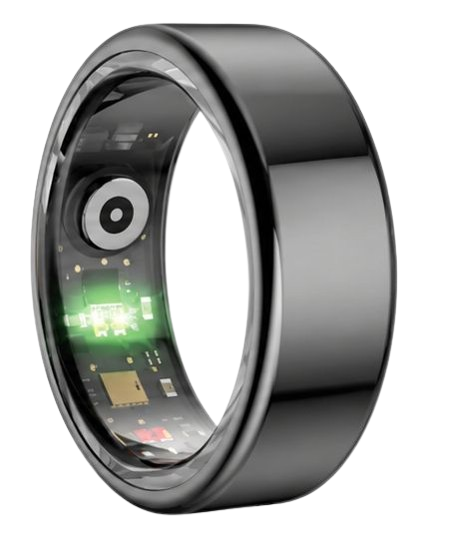
A lightweight, military-grade steel smart ring like the Herz P1 solves this comfort issue entirely.
It sits comfortably on your finger, allowing you to sleep naturally while capturing medical-grade biometric data.
Additionally, many wearable brands charge high monthly subscription fees to access your own biometric trends.
These hidden ongoing costs can turn a helpful health tool into a financial burden over time.
The Herz P1 App is completely free for lifetime, with no locked features or surprise renewals.
By avoiding these common pitfalls, you can build a sustainable, long-term habit of proactive health monitoring.
Biometric Tracker Comparison: Herz P1 vs. Competitors
Choosing the right health-tracking companion is essential for achieving your wellness goals.
The following table compares the essential features of the Herz P1 Smart Ring with typical alternative tracking options.
| Feature / Metric | Herz P1 Smart Ring | Typical Smartwatch | Standard Fitness Band |
|---|---|---|---|
| Monthly Fees | $0 (Free App Lifetime) | Often $5.99 to $9.99/month | Varies by brand |
| Wearability & Comfort | Ultra-lightweight ring, military-grade steel | Bulky wrist strap, prone to skin irritation | Moderate weight, awkward for sleep |
| Battery Performance | 6-day life, charges in under 1 hour | Requires daily charging (18-36 hours) | 3 to 5 days on average |
| Waterproof Rating | IP68 certified, up to 164 feet | Varies, often water-resistant only | IP67 on average |
Frequently Asked Questions About Biometric Tracking and Metabolism
Is the Herz P1 Smart Ring waterproof?
Yes, the Herz P1 is fully IP68 waterproof and built to withstand continuous submersion up to 164 feet (50 meters).
This means you can confidently wear your smart ring while swimming, washing your hands, showering, or sweating during intense workouts.
The military-grade steel construction ensures that the delicate internal sensors remain perfectly sealed against moisture and dust.
How long does the battery last, and how do I charge it?
The Herz P1 features an exceptionally long-lasting battery that provides up to 6 days of continuous monitoring on a single charge.
When the battery is low, simply place the ring on its magnetic charging cradle for under 1 hour to reach a full one-hundred percent charge.
This fast-charging capability makes it incredibly easy to maintain a consistent tracking routine without missing valuable overnight sleep data.
Which finger is best to wear the smart ring on?
For the highest level of biometric accuracy, we recommend wearing the Herz P1 on your index, middle, or ring finger.
These fingers have a higher density of blood vessels near the surface, allowing the optical sensors to capture highly clear signals.
Make sure the ring fits snugly but comfortably, without sliding or rotating too easily around the base of your finger.
Does the Herz P1 store my biometric data offline?
Yes, the Herz P1 is designed with local memory that can safely store up to 7 days of historical biometric data offline.
If you are away from your phone or prefer to turn off Bluetooth, the ring will continue to track your metrics uninterrupted.
Once you open the companion app near your phone, your stored data will automatically sync and update your trends dashboard.
Conclusion
Chewing sugar-free gum generally does not spike blood sugar, but tracking your unique metabolic recovery patterns is the ultimate path to true health mastery.
Ready to monitor your health every day? Explore the Herz P1 Smart Ring and see if it fits your lifestyle. Call: 1-866-479-1629 — our team can help you advise on the correct ring size and set personalized health goals.
