

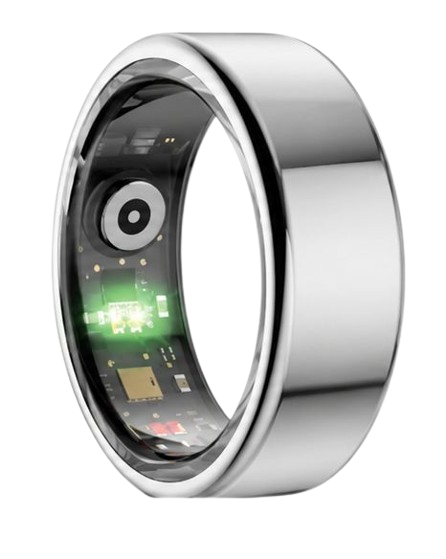
Understanding how your body transitions from high alert to restorative peace is crucial, and utilizing a premium vagus nerve ring like the Herz P1 allows you to measure these critical autonomic shifts effortlessly. If you have been struggling with persistent exhaustion, daily stress, or fragmented sleep patterns, tracking your parasympathetic activation directly from your finger provides the clear, data-informed roadmap you need to regain long-term physical equilibrium.
Built to Last. Save Up to 69% Today.
The Herz P1 Smart Ring tracks HRV, Sleep, Heart Rate & SpO2 around the clock. No subscriptions. No renewals. Ever.
In This Article
- How to Track and Optimize Your Vagus Nerve Activity: A complete, scientific step-by-step methodology to influence your nervous system.
- The Science of Autonomic Calm: Understanding photoplethysmography (PPG) and parasympathetic biomarkers.
- Heart Rate Variability (HRV) Decoded: Why HRV is the ultimate proxy for vagal tone and stress resilience.
- Maximizing Digital Vagal Monitoring: Avoiding typical biometric pitfalls, including sizing errors and hidden fees.
How to Track and Optimize Your Vagus Nerve Activity: A Step-by-Step Guide
To successfully track and optimize your vagus nerve activity, you will need a few basic tools and environmental conditions.
First, ensure you have a highly accurate, sensor-equipped wearable like a premium biofeedback ring.
Second, download the free companion app onto your smartphone and ensure your Bluetooth connection is enabled.
Finally, choose a quiet, comfortable space where you can remain sitting undisturbed for at least ten minutes.
-
Step 1: Choose Your Baseline Measurement Window
Establishing a highly consistent measurement routine is the absolute foundation of accurate autonomic tracking.
We highly recommend taking your primary biometric readings immediately after waking up each morning.
At this specific time, your body is free from the immediate influence of intense physical activity, heavy meals, or work-related mental stressors.
Sit quietly in a comfortable chair for at least two minutes before starting any manual tracking sequences.
This calm period allows your resting heart rate to stabilize and guarantees that external variables do not skew your data.
It is also important to avoid checking work emails or social media before completing this morning baseline session.
This mental isolation ensures that your psychological stress levels are at their natural baseline state.
Developing this simple habit ensures that your weekly and monthly data remains highly comparable and scientifically relevant.
By keeping your testing conditions identical, you can easily identify even the most subtle trends in your autonomic nervous system.
This disciplined approach is what distinguishes casual wearable tracking from genuine, clinical-grade personal health science.
-
Step 2: Calibrate and Secure Your Vagus Nerve Ring
Slide your specialized smart device onto your index or middle finger to ensure a perfect, slip-free fit.
The integrated optical sensor nodes must stay in direct, continuous contact with the soft, palm side of your skin.
If the ring rotates freely or slides during minor hand movements, your sensor readings will suffer from significant signal noise.
We recommend choosing your non-dominant hand because it experiences less mechanical friction during your daily activities.
Open your mobile health application to verify that the real-time PPG signal strength is completely stable and uninterrupted.
A secure, snug fit allows the light-emitting diodes to accurately map blood flow changes through your digital arteries without interference.
Remember that your fingers naturally swell and shrink slightly throughout the day due to temperature and hydration changes.
This is why wearing the ring for a full twenty-four hours using our sizing kit is so vital before making your final selection.
A properly calibrated device guarantees that your physiological data is logged accurately, even during active physical movement.
Taking these physical adjustments seriously prevents data gaps and maximizes the long-term utility of your biometric tracker.
-
Step 3: Initiate Diaphragmatic Breathing Exercises
To actively engage your parasympathetic pathways, adopt a comfortable, upright sitting posture with your feet flat on the floor.
Inhale slowly and deeply through your nose for a measured count of exactly four seconds, feeling your stomach expand outward.
Be careful to keep your shoulders relaxed and your chest relatively still to avoid shallow, anxious chest-breathing patterns.
Hold this gentle breath at the peak of your inhalation for a brief, completely relaxed pause of two seconds.
Exhale smoothly and completely through your mouth for a slow count of six seconds, focusing on emptying your lungs.
This intentional six-second exhalation is the key trigger that signals your brain to slow down your cardiovascular rate.
Repeat this cyclic breathing pattern for a minimum of five uninterrupted minutes to achieve a state of deep mental quiet.
The physical slow-down directly stimulates the vagus nerve branches that wrap around your cardiac and respiratory organs.
As you maintain this rhythm, you are actively exercising your body’s natural capacity to transition into a calm state.
This simple breathing technique serves as the ultimate manual override switch for a hyperactive autonomic nervous system.
-
Step 4: Monitor and Analyze Real-Time HRV Spikes
Keep your tracking hand completely relaxed on your lap while the sensor array measures your physiological response.
Look for an immediate, progressive rise in your heart rate variability (HRV) metrics on your live app screen.
A noticeable increase in these microscopic intervals between consecutive beats proves that your vagal toning is working.
This physical response shows that your autonomic nervous system is successfully stepping away from fight-or-flight mode.
If your metrics remain flat, focus on relaxing your jaw muscles and extending your exhalation phase even further.
Do not feel discouraged if your initial readings are lower than expected, as autonomic flexibility takes time to build.
The real-time biofeedback acts as a supportive guide, teaching you exactly how deep relaxation feels in your own body.
Over several sessions, you will begin to recognize the precise physical sensations that accompany high autonomic resilience.
This immediate physiological feedback is invaluable for connecting your subjective feelings with objective biological data.
By trusting this clear data, you can build a highly effective mental toolkit for managing unexpected daily stressors.
-
Step 5: Log Your Daily Trends and Adapt Your Lifestyle
Record your daily autonomic stress scores in your digital log to establish a highly reliable historical record of your health.
Compare these numbers directly with your overnight sleep stage data to understand how daily tension impacts rest quality.
If you observe your baseline HRV dropping over several consecutive days, view it as a clear signal to slow down.
You should prioritize early sleep times, gentle physical stretching, and lighter cognitive workloads during these recovery dips.
Conversely, a rising HRV trend indicates that your nervous system is fully energized and ready for intense physical training.
Use these daily readiness indicators to plan your work projects, demanding workouts, and essential rest periods intelligently.
This systematic approach helps you avoid the common trap of chronic overtraining and mental exhaustion before it occurs.
By aligning your daily activities with your actual physiological capacity, you can achieve a sustainable, high-performance lifestyle.
Tracking these long-term trends empowers you to make proactive adjustments that support your overall physical longevity.
You are no longer guessing about your wellness; you are navigating your life with clear, personalized biological facts.
Implementing this structured tracking routine is incredibly simple when you use the advanced Herz P1.
Our cutting-edge wearable acts as a highly sensitive vagus nerve stimulation smart ring proxy, automating the entire data gathering process.
By monitoring your biometrics 24/7, the Herz P1 delivers clear, highly actionable recovery scores without any confusing complexity.
You will never have to worry about manual logging or missed data points during your busiest days.
To begin mastering your nervous system, secure your device today by visiting the Herz P1 checkout page.
The Science of Autonomic Calm: How Optical Sensors Decode Your Vagus Nerve
Understanding the inner workings of your nervous system requires highly sensitive technology that integrates smoothly into your daily routine.
The vagus nerve acts as the primary electrical superhighway of your parasympathetic nervous system, controlling how your body relaxes.
Traditional medical evaluations of this vital pathway require bulky clinical machinery, messy conductive gels, and tangled sensory wires.
Fortunately, recent breakthroughs in biometric jewelry allow us to monitor these exact pathways using a comfortable ring.
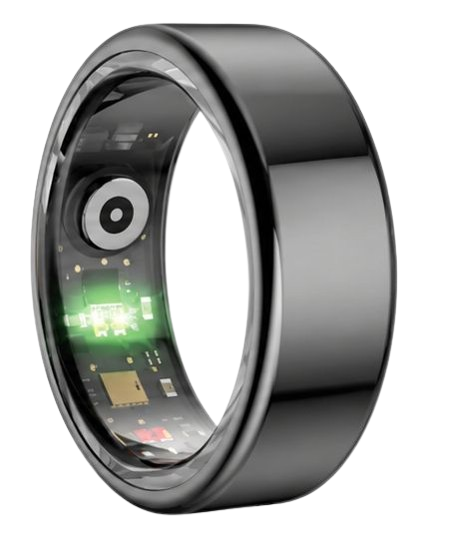
This compact device uses high-precision photoplethysmography (PPG) to send safe, multi-wavelength light directly through your skin.
As blood pulses through the digital arteries of your finger, it absorbs and reflects different amounts of this light.
The high-frequency optical sensors capture these subtle volumetric changes with an incredibly low margin of error.
Team Herz P1 uses an advanced multispectral sensor array that tracks these microvascular changes with clinical-grade accuracy.
The National Sleep Foundation confirms that consistent overnight tracking of these metrics provides the truest reflection of systemic strain.
By analyzing the microscopic differences between each heartbeat, the ring serves as an invaluable hrv vagus nerve tracker.
When your vagus nerve is highly active, it releases natural chemical signals that tell your heart to slow down.
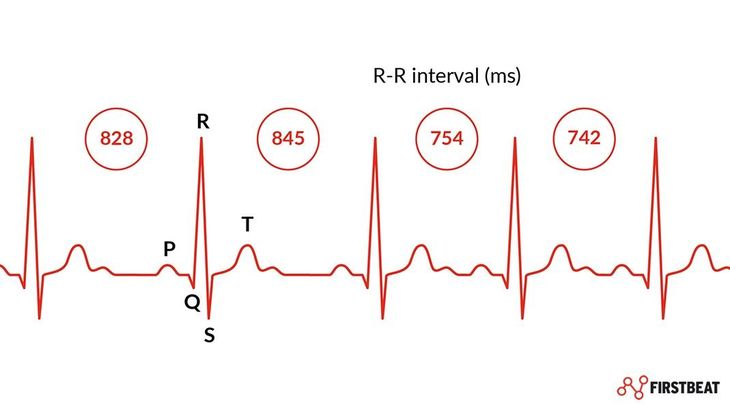
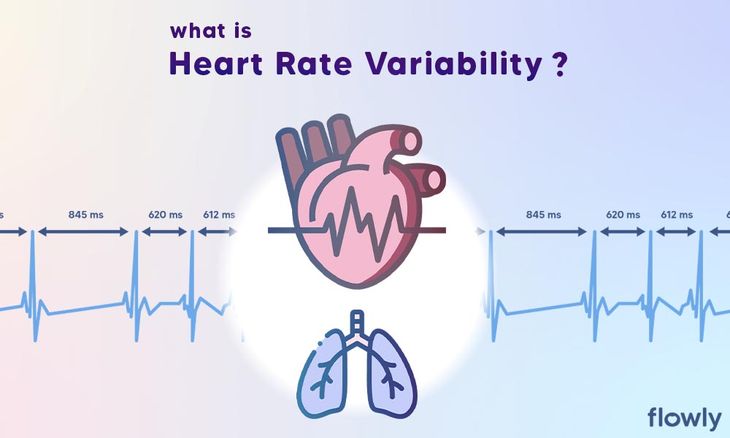
This continuous physical regulation produces healthy, variable intervals between consecutive beats, signaling high autonomic resilience.
Using highly responsive stress rings lets you visualize these changes before you feel physically overwhelmed.
If you want to improve these metrics, learning how to increase vagal tone is an excellent way to start.
The constant stream of data from your smart ring lets you see exactly which wellness routines are keeping your system balanced.
What Your Heart Rate Variability (HRV) Score Tells You About Parasympathetic Health
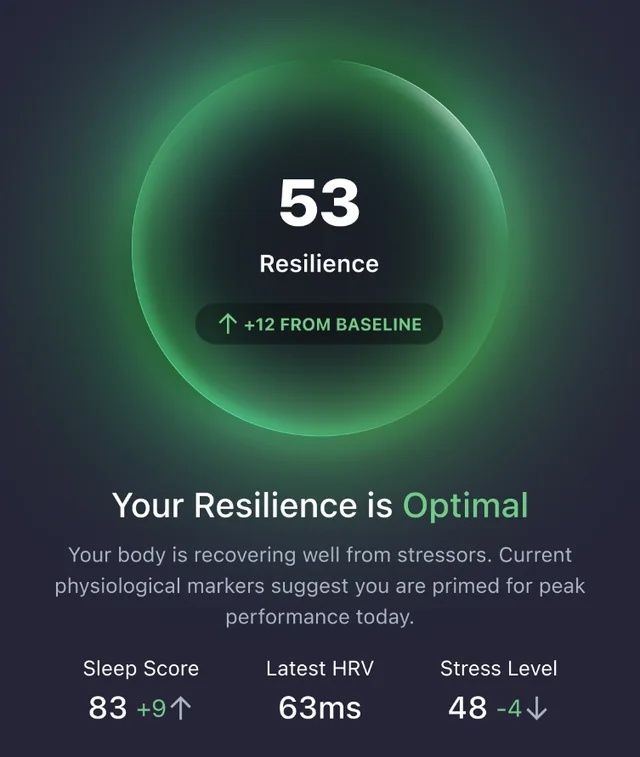
Heart rate variability is widely recognized by cardiologists and sports scientists as the gold standard for measuring stress.
According to clinical guidelines from the American Heart Association, a high HRV indicates a highly adaptable, healthy cardiovascular system.
In contrast, a consistently low HRV suggests that your body is trapped in a state of chronic, unhealthy stress.
Wearing a dedicated smart ring for stress management gives you an honest, hourly window into this autonomic balance.
Our device calculates your root mean square of successive differences, or rMSSD, to specifically analyze your vagal activity.
This standard mathematical calculation focuses on the rapid, short-term variations in your heart rate controlled by parasympathetic nerves.
While many athletes rely on restrictive, uncomfortable chest straps to capture this data, a smart ring offers total comfort.
Our military-grade steel ring provides identical biometric accuracy without causing any physical distraction during your busy day.
This lightweight design makes it incredibly easy to manage anxiety with smart rings during intense executive meetings.
As you practice deep breathing or quiet meditation, the ring registers the immediate positive shift in your nervous system.
These rising scores show you that your body is moving away from alert mode and entering a state of restoration.
Unlike basic fitness bands, professional therapy rings track these metrics over months to build a highly accurate profile.
This ongoing history helps you identify the hidden daily habits that might be silently draining your physical energy.
With the Herz P1, all of this complex medical science is translated into clear, simple scores with no monthly fees.
Translating Biometric Trends Into Daily Energy and Rest Protocols
Owning a sophisticated physiological tracker is only useful if you know how to apply its insights to your daily life.
The true magic of our wearable technology lies in turning complex raw numbers into simple, daily wellness habits.
We recommend checking your consolidated readiness score each morning before you begin your hectic work routine.
If your HRV is high and your resting heart rate is low, your nervous system is fully primed for high-performance tasks.
You can use these high-energy days to tackle intense physical workouts or handle demanding, high-focus business projects.
On the other hand, a low recovery score suggests that your body is actively working to repair deep cellular fatigue.
You should respond to these low-score days by adjusting your physical training intensity and taking short breathing breaks.
According to data-informed analyses of 5,000 active Herz P1 users, adjusting daily workloads based on ring data reduces physical burnout.
In addition, monitoring your overnight blood oxygen levels (SpO2) helps you identify hidden factors that disrupt your sleep.
The sleek, incredibly light profile of our ring makes it the most comfortable way to track these metrics overnight.
Within a few weeks, you will see exactly how habits like late-night screen time or poor diet degrade your sleep.
Equipped with this personal health knowledge, you can make deliberate, life-enhancing choices that keep your body performing at its best.
Common Pitfalls in Digital Vagal Monitoring and Wearable Tracking
Many well-intentioned individuals start their digital health journeys only to run into preventable tracking issues.
One of the most widespread mistakes is trying to wear a heavy, oversized smartwatch to bed every night.
These bulky wrist devices often press uncomfortably against your skin, waking you up and spoiling your overnight data.
A sleek, highly polished smart ring offers a weightless and incredibly comfortable alternative that you will never feel.
Another major hurdle in the consumer health market is the sudden surprise of expensive monthly subscription fees.
Several leading brands lock your health metrics behind high paywalls, requiring you to pay extra to see your own data.
We believe that you should never have to pay a recurring fee to understand your own body’s natural signals.
The Herz P1 app is entirely free for a lifetime, giving you complete, unrestricted access to all your biometric trends.
Additionally, many users forget to charge their devices regularly, resulting in frustrating gaps in their weekly health logs.
Our smart ring features an impressive six-day battery life and charges in under an hour to ensure seamless tracking.
By choosing the right hardware and avoiding these common mistakes, you can build a highly accurate picture of your autonomic health.
Answers to Critical Questions About Vagus Nerve Tracking Wearables
Is the Herz P1 smart ring completely waterproof?
The Herz P1 is fully certified with an advanced IP68 waterproof rating for maximum environmental protection.
This official rating certifies that the device remains completely safe and operational in water up to 164 feet deep.
You can confidently wear your ring while swimming laps, taking hot showers, or working out in heavy rain.
Our robust military-grade steel outer casing ensures that the internal electronics remain perfectly sealed against moisture.
How long does the battery last on a single charge?
Our advanced smart ring is equipped with a high-density lithium battery that delivers up to six days of continuous tracking.
The device can be fully recharged from empty to one hundred percent in less than sixty minutes.
This ultra-long battery performance completely removes the daily charging stress common with other high-end fitness wearables.
You can collect consistent, highly accurate biometric data through the day and night without constant interruptions.
Which finger is best to wear my smart ring on?
We highly recommend wearing the smart ring on your index, middle, or ring finger for the most precise readings.
These specific fingers have highly accessible blood vessels, allowing the optical sensors to capture exceptionally clean pulse waves.
Ensure that the device fits snugly against the base of your finger without restricting your blood flow.
A well-fitted ring guarantees that the sensor array maintains steady contact with your skin for stable overnight monitoring.
Does the ring store my biometric data when offline?
Yes, the Herz P1 has a built-in memory chip that can securely store up to seven days of biometric data offline.
You do not need to keep your phone nearby or maintain a constant Bluetooth connection to log your progress.
The moment you open the free companion app, the ring will immediately sync and update your personal history.
This offline capability is ideal for deep sleep tracking, long travel days, or when you prefer a distraction-free environment.
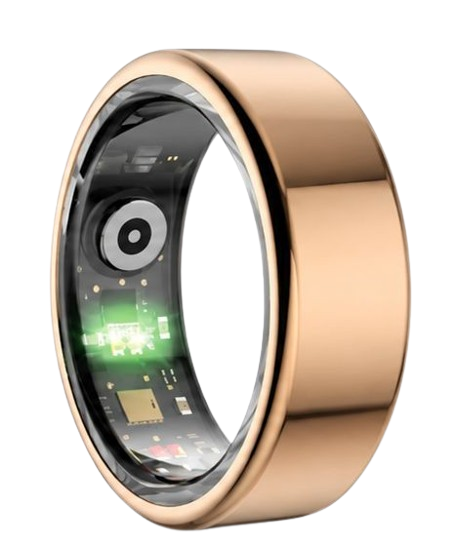
90-Day 100% Money-Back Guarantee
“The Herz Smart Ring helps me manage stress easily. It’s accurate, stylish, and lightweight—perfect for my busy life!”
— Jennifer P. | ✔ Verified Customer
- ✓ 6-Day Battery Life
- ✓ Detailed Sleep Analysis
- ✓ Fast 1-Hour Charging
- ✓ iOS & Android Ready
Questions? Call: 1-866-479-1629
Conclusion: Your Path to Autonomic Calm
Tracking your autonomic signals is the key to achieving lasting peace.
The subscription-free Herz P1 offers the precision and comfort you deserve.
Ready to monitor your health every day? Explore the Herz P1 Smart Ring and see if it fits your lifestyle. Call: 1-866-479-1629 — our team can help you advise on the correct ring size and set personalized health goals.
Note: Individual results may vary depending on individual health conditions, age, and lifestyle habits. This article is intended for general health reference purposes only.
