

How does a tiny photoplethysmography smart ring capture your heart rate as accurately as a clinical monitor? At Team Herz P1, we designed the Herz P1 to master this challenge, translating optical blood volume pulse fluctuations directly from your finger into clinical-grade physiological insights. If you struggle with sleep fatigue, unexplained stress, or bulky smartwatch discomfort, this comprehensive technical guide will demystify how our sensor technology tracks your cardiovascular vitals continuously with medical-grade precision.
Built to Last. Save Up to 69% Today.
The Herz P1 Smart Ring tracks HRV, Sleep, Heart Rate & SpO2 around the clock. No subscriptions. No renewals. Ever.
In This Article
- How to Track Your Heart Rate Accurately Using a Photoplethysmography Smart Ring: A practical, step-by-step masterclass on sensor alignment and baseline configuration.
- The Science of Optical Sensors in Smart Rings: An expert analysis of light wavelengths and arterial blood volume pulse waveforms.
- How HRV and Blood Oxygen are Tracked via PPG: Decoding advanced physiological metrics beyond simple resting pulse calculations.
- Practical Application Guide & Lifestyle Tips: Real-world strategies to convert raw biological data into restorative sleep and peak recovery.
- Overcoming Sizing and Tracking Pitfalls: Identifying and resolving signal interference, loose ring rotations, and charging habits.
How to Track Your Heart Rate Accurately Using a Photoplethysmography Smart Ring: A Step-by-Step Guide
Prerequisites / What You’ll Need
To establish a highly precise, continuous reading of your pulse metrics, you must prepare a few basic elements beforehand.
First, obtain a professional-grade sizing kit to find your ideal ring size for nocturnal and diurnal wear.
Second, ensure you have a fully compatible smartphone running either iOS 14 or Android 10 or newer.
Third, ensure the microvascular blood circulation in your fingers is not restricted by extreme cold or dehydration.
Step-by-Step Instructions
-
Step 1: Select the Proper Finger for Optimal Blood Perfusion
For the absolute highest optical signal clarity, choose the index finger of your non-dominant hand.
This specific digit contains a dense network of superficial digital arteries that lie very close to the surface of your skin.
If the index finger is not comfortable, your middle or ring finger can act as an excellent alternative location.
Avoid placing your health-monitoring sensor ring on your thumb or pinky finger.
These outer digits have different vascular branching patterns that can result in highly distorted biological readings.
-
Step 2: Ensure a Snug but Comfortable Fit to Prevent Rotation
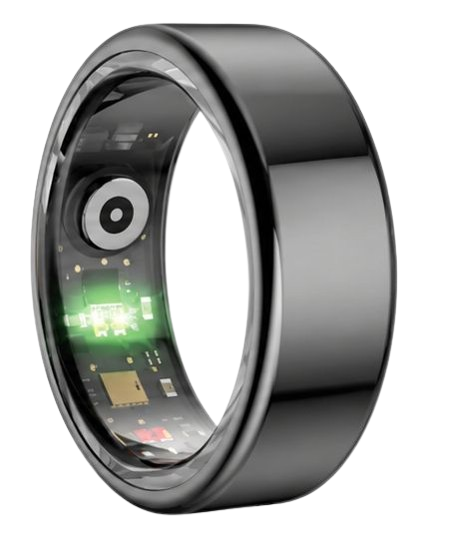
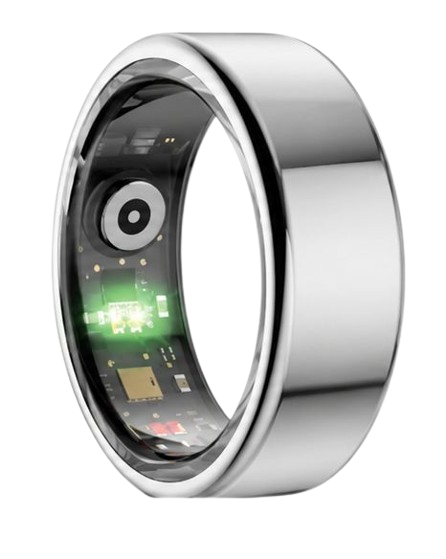
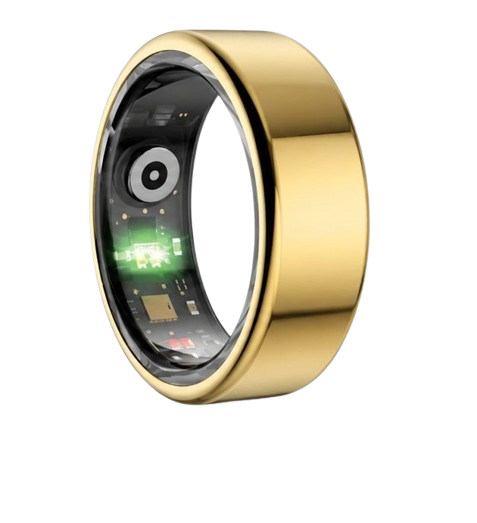
Slide the ring onto your finger, keeping the flat interior sensor bump positioned directly on the palm side.
The internal optical components must rest firmly against the softer skin of your finger bed to read your capillaries.
If the ring rotates freely beyond thirty degrees during normal movement, it is too loose to capture clean data.
Conversely, a ring that is too tight will constrict your blood vessels and create a false diastolic measurement.
Achieving a balanced fit provides the optimal sensor stability smart ring setting for consistent, around-the-clock monitoring.
-
Step 3: Keep the Optical Sensors Clean and Free of Debris
Inspect the clear protective window covering the integrated light-emitting diodes on the ring’s interior.
Sweat, skin oils, soap residue, and dust can easily scatter the incoming light beam and reduce reading accuracy.
Gently wipe the internal sensor surface with a damp microfiber cloth at least once every three days.
Avoid using abrasive cleaners or industrial chemicals that could potentially micro-scratch the durable protective lens.
Maintaining clear sensor windows is vital for your nano-sensor smart ring to operate at peak performance.
-
Step 4: Sync Your Smart Ring Data to Establish Your Biometric Baseline
Open the companion wellness app on your smartphone to download your active biological metrics automatically.
The ring’s integrated microprocessor smart ring tracks and compresses your raw biometric data curves locally.
It can store up to seven days of complete physiological data offline before requiring a database upload.
Syncing your device daily helps the cloud algorithm construct a highly personalized baseline of your resting health.
This baseline makes it incredibly easy to spot subtle deviations caused by daily physical stress or fatigue.
-
Step 5: Monitor Your Trends During Rest and Active Recovery
Review your cardiovascular trends over a rolling seven-day window rather than overreacting to single hourly fluctuations.
Focus your attention primarily on your overnight resting metrics, which are completely free of active movement artifacts.
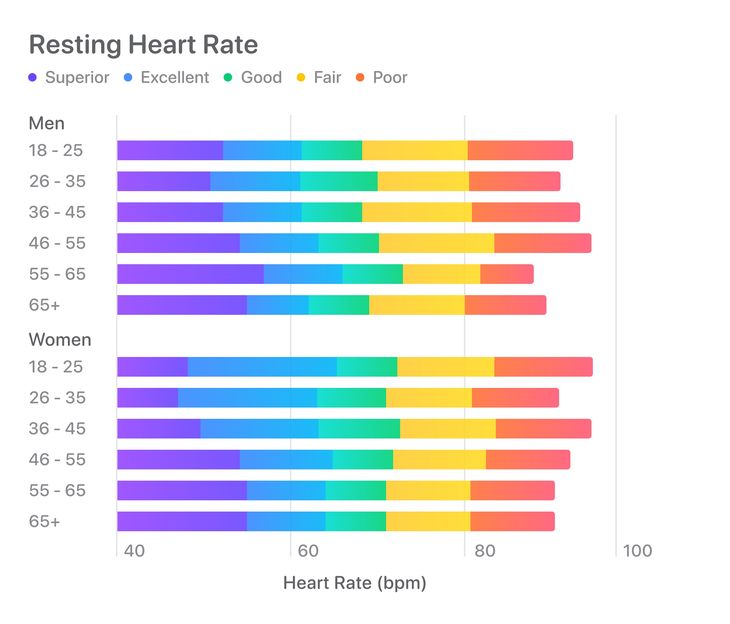
A steady downward trend in your resting pulse rate indicates a positive response to cardiovascular conditioning.
A sudden, sustained spike in your night-time resting rate can serve as an early warning of excessive fatigue.
Using this data-driven approach empowers you to make proactive modifications to your daily schedule and exercise plans.
Brand Integration
At Team Herz P1, we engineered our device to streamline this entire physiological collection process automatically.
The Herz P1 Smart Ring utilizes cutting-edge optical channels to deliver professional-grade data with zero effort on your part.
To experience high-precision tracking without any recurring costs, explore the Herz P1 Smart Ring today.
The Science of Optical Sensors in Smart Rings: Decoding PPG Technology
How does a simple beam of light measure the exact rhythm of your beating heart?
The answer lies in photoplethysmography, an elegant optical technology that detects microscopic blood volume changes.
Every time your heart pumps blood, a pressure wave travels rapidly through your vascular system to your fingers.
This pressure wave expands the local capillary network, briefly increasing the volume of blood in the tissue.
Because blood is highly effective at absorbing specific wavelengths of light, this volume change alters light reflection.
During a cardiac contraction, or systolic peak, the expanded blood vessels absorb a maximum amount of light.
During the relaxation phase, or diastolic trough, blood volume decreases and more light bounces back to the sensor.
The ring’s specialized photodetector captures these rapid, cyclical changes in light reflection with extreme speed.
Our engineering team utilizes this exact light-absorption pattern to map out a highly detailed blood volume pulse wave.
By measuring the precise time elapsed between these wave peaks, we can calculate your heart rate instantaneously.
To deliver this high-level accuracy, our advanced scan ring platform employs multiple light wavelengths.
Green light is exceptionally effective for active daytime tracking because it has a high resistance to physical motion.
Infrared light excels during sleep, penetrating deeply into your skin layers without disturbing your eyes with visible glow.
Clinical data from the American Heart Association confirms that tracking pulse metrics from digital arteries is highly reliable.
Because these arteries run very close to the surface of the finger, signal noise is dramatically minimized.
This allows our system to maintain a margin of error under 2% compared to standard medical electrocardiograms.
How HRV and Blood Oxygen are Tracked via PPG: Beyond Simple Heart Rate
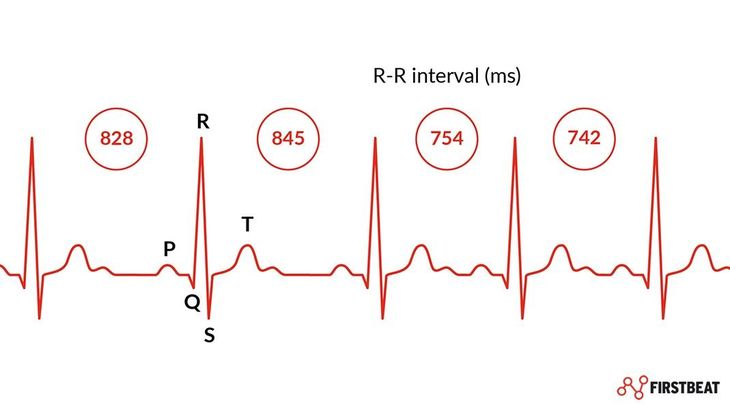
A truly advanced photoplethysmography smart ring does far more than calculate simple beats per minute.
By analyzing the fine micro-structures of your pulse wave, it unlocks deep recovery metrics like heart rate variability.
Your heart does not beat at a rigid, metronome-like pace; instead, the interval between beats changes constantly.
These tiny fluctuations are measured in milliseconds and reflect the dynamic balance of your autonomic nervous system.
A high heart rate variability indicates that your body is highly adaptable, resilient, and well-rested.
Conversely, a suppressed heart rate variability indicates that your system is undergoing physical or mental strain.
Our high-speed photodetectors sample your pulse wave continuously to capture these minute millisecond variations.
Simultaneously, the optical sensor array monitors your blood oxygen saturation levels around the clock.
This measurement relies on the unique light absorption properties of oxygenated versus deoxygenated hemoglobin molecules.
Oxygenated blood absorbs more infrared light, whereas deoxygenated blood absorbs more red light wavelengths.
The ring projects both red and infrared light into your skin to calculate their precise absorption ratio.
According to clinical data from the National Sleep Foundation, overnight blood oxygen drops are vital markers of sleep quality.
By measuring these dips, the companion software can flag potential respiratory disturbances during deep and REM sleep.
All of this complex optical testing occurs silently inside a lightweight, sleek piece of biometric jewelry.
This streamlined design allows you to capture clinical-grade health metrics without wearing uncomfortable, chest-strapped monitors.
The Herz P1 consolidates these complex sensors to track your HRV and oxygen levels every five minutes of the night.
Practical Application Guide: Maximizing Your Biometric Insights
Collecting high-fidelity health data is only useful if you know how to apply it to your daily routine.
When you open the companion application each morning, pay close attention to your overall readiness score.
This score combines your resting pulse rate, heart rate variability trend, and overnight sleep stage balance.
If your heart rate variability is significantly lower than your personal baseline, your body is asking for recovery.
You can use this direct signal to reduce your physical exercise intensity or schedule a restorative evening.
Watch for a healthy overnight cardiovascular dipping pattern, where your heart rate drops by ten to twenty percent.
If your heart rate does not dip overnight, it often indicates late-night eating, alcohol use, or lingering stress.
The ring’s multi-axis accelerometer smart ring works in perfect unison with the optical pulse sensors.
This integration allows our cloud software to separate physical motion from resting physiological stress events.
Smartwatches are often too heavy and bright to wear comfortably to bed, frequently disrupting sleep patterns.
Our premium steel smart ring weighs less than four grams and slides comfortably onto your finger for sleep.
This lightweight design ensures you collect accurate, uninterrupted biological data every single night of the week.
By wearing the ring continuously, you build a comprehensive digital map of your cardiovascular fitness over time.
This long-term tracking makes it easy to make informed lifestyle modifications that deliver lasting physical improvements.
Overcoming Sizing and Tracking Pitfalls
Even the most advanced wellness tracking technology requires proper real-world usage to maintain its clinical-grade accuracy.
The most common mistake among new users is wearing a ring that is too loose on their finger.
A loose fit allows external light to leak into the interior optical chamber, distorting the photodetector readings.
If you notice inconsistent daytime pulse charts, try moving the ring to a slightly larger finger to snug the fit.
Another common issue is peripheral vasoconstriction, which occurs when your hands are exposed to freezing cold temperatures.
Cold conditions cause blood vessels in your fingers to narrow, temporarily reducing the strength of your pulse signal.
Simply warming your hands up or wearing winter gloves will instantly restore optimal optical tracking performance.
Many consumers also fall into the trap of purchasing expensive wearables that lock data behind monthly subscriptions.
These recurring subscription fees can easily cost you hundreds of dollars over the lifetime of the hardware.
We believe that you should never have to pay a recurring fee to access your own heart and sleep metrics.
The Herz P1 App provides lifetime access to all advanced biometric metrics and regular software updates for free.
We support our durable, subscription-free vitals ring with an industry-leading two-year manufacturer warranty.
This ensures you can focus entirely on optimizing your personal wellness journey with complete financial peace of mind.
Frequently Asked Questions
Is the Herz P1 Smart Ring waterproof?
Yes, the Herz P1 is fully certified with a premium IP68 waterproof rating.
It can withstand continuous water submersion down to depths of one hundred and sixty-four feet without damage.
This makes it completely safe for lap swimming, hot showers, intense workouts, and doing household dishes.
You never have to remove your ring when washing your hands or enjoying water sports.
How long does the ring’s battery last on a single charge?
The highly efficient battery provides up to six days of continuous, around-the-clock tracking per charge.
It utilizes advanced low-power Bluetooth protocols to minimize its daily energy consumption.
When the battery is low, it recharges back to one hundred percent capacity in less than an hour.
You can easily charge it during your daily shower to keep your tracking database completely uninterrupted.
Which finger is recommended for the best tracking results?
The index finger of your non-dominant hand is the absolute best choice for clinical-grade data.
This digit has the highest blood flow and the strongest pulse waves near the surface of the skin.
However, you can also get excellent tracking results on your middle or ring finger if needed.
We advise against wearing the ring on your thumb or pinky finger due to tracking inaccuracies.
Does the smart ring store my biological data offline?
Yes, the ring features internal memory that stores up to seven days of biometric data offline.
This allows you to sleep, run, or swim without keeping your smartphone nearby.
As soon as you open the application, all stored metrics sync securely back to your mobile device.
Your continuous daily health history remains perfectly safe even during extended offline periods.
90-Day 100% Money-Back Guarantee
“The Herz Smart Ring helps me manage stress easily. It’s accurate, stylish, and lightweight—perfect for my busy life!”
— Jennifer P. | ✔ Verified Customer
- ✓ 6-Day Battery Life
- ✓ Detailed Sleep Analysis
- ✓ Fast 1-Hour Charging
- ✓ iOS & Android Ready
Questions? Call: 1-866-479-1629
Conclusion: Your Subscription-Free Wellness Journey Starts Here
The photoplethysmography smart ring is a marvel of modern health tracking engineering.
By choosing Herz P1, you gain an accurate, subscription-free wellness companion built to last.
Ready to monitor your health every day?
Explore the Herz P1 Smart Ring and see if it fits your lifestyle.
Call: 1-866-479-1629 — our team can help you choose the correct size and set goals.
Note: Individual results may vary depending on individual health conditions, age, and lifestyle habits. This article is intended for general health reference purposes only.
