

A restless night can ruin your entire day, leaving your body physically exhausted and your mind completely clouded. Many health-conscious individuals are exploring their physical sleep posture to naturally resolve chronic physical discomfort and morning back stiffness. Finding the right alignment is a critical step, which is why understanding the core sleeping-on-your-back-benefits is essential for anyone trying to maximize their nightly physical recovery. The premium, subscription-free Herz P1 smart ring helps you monitor your physiological changes as you test different sleeping positions.
Built to Last. Save Up to 69% Today.
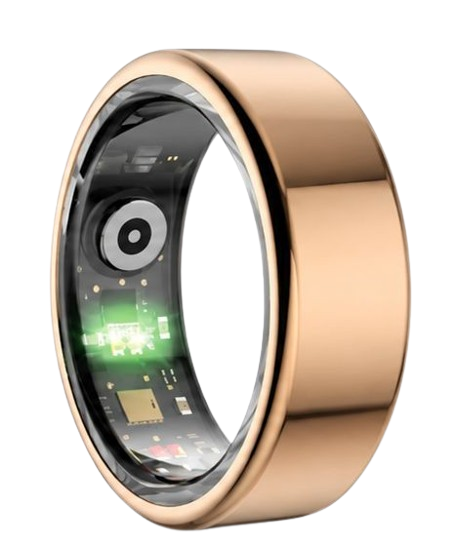
The Herz P1 Smart Ring tracks HRV, Sleep, Heart Rate & SpO2 around the clock. No subscriptions. No renewals. Ever.
In This Article
- The Step-by-Step Transition: How to safely train your body to sleep flat on your back using proper pillow placement.
- Spinal and Digestive Benefits: Why back sleeping helps reduce neck strain, lower back pain, and chronic acid reflux.
- Understanding the Disadvantages: Exploring the airway risks, snoring, and potential oxygen desaturation linked to this posture.
- Smart Biometric Tracking: How to analyze sleep architecture, HRV, and oxygen drops using advanced wearable technology.
How to Transition to Back Sleeping: A Step-by-Step Training Guide

Changing your lifelong physical sleep position is a process that requires patience and the right supportive tools.
Before you begin, you will need a supportive medium-firm mattress that prevents your pelvis from sinking too deeply.
You also need a specialized contouring cervical pillow to support your neck and a small wedge pillow for your lower legs.
A highly accurate health tracking ring is recommended to monitor how your sleep metrics respond to these postural changes.
-
Step 1: Set Up Your Cervical Neck Support
Place a specialized cervical pillow at the head of your bed before you lie down.
This pillow must feature a hollow center for your skull and a raised roll for your neck.
Avoid using thick, fluffy pillows that force your head forward and restrict your airway.
Your goal is to keep your ears aligned with your shoulders in a neutral anatomical posture.
-
Step 2: Place a Support Pillow Underneath Your Knees
Slide a medium-sized semi-roll pillow directly under your knees as you lie down flat.
Elevating your knees reduces the structural strain on your lumbar spine immediately.
This elevation allows your lower back to maintain its natural, slight inward curve.
You should feel your entire lower spine flatten gently against the mattress surface.
-
Step 3: Construct a Lateral Pillow Barrier System
Place two firm standard pillows on either side of your torso to serve as boundaries.
These pillows act as gentle physical blocks that prevent you from rolling onto your side.
Most people instinctively roll back to their accustomed side position during deep sleep stages.
This barrier system keeps your physical body anchored in the back-sleeping position all night.
-
Step 4: Practice Deep Diaphragmatic Breathing
Lie completely flat on your back and place one hand on your lower abdomen.
Inhale slowly through your nose for four seconds, letting your stomach rise fully.
Exhale fully through your mouth for six seconds to activate your parasympathetic nervous system.
This targeted breathing technique relaxes your pelvic floor and lower back muscles for easier sleep onset.
-
Step 5: Track Your Overnight Sleep Data Regularly
Wear an accurate biometric health tracking ring to bed every single night.
Check your sleep metrics every morning to see how your body is adapting.
Look for positive trends in your deep sleep duration and resting heart rate averages.
If you notice frequent physical wakeups, adjust your knee pillow height to find your perfect angle.
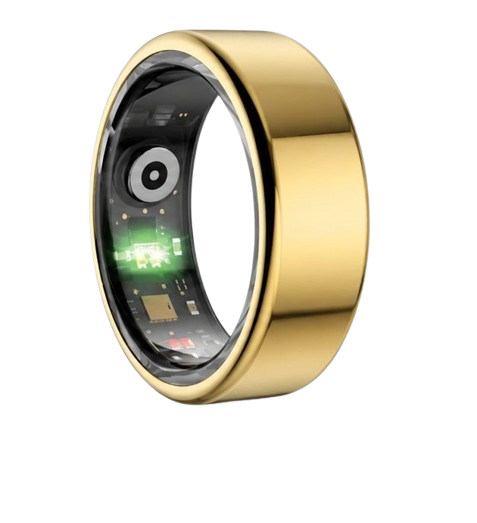
The Herz P1 Smart Ring is the perfect companion for this postural transition journey.
It automatically tracks your resting heart rate and blood oxygen levels without any heavy wrist bands.
You can purchase your Herz P1 Smart Ring today with zero monthly fees and start optimizing your sleep posture.
90-Day 100% Money-Back Guarantee
“The Herz Smart Ring helps me manage stress easily. It’s accurate, stylish, and lightweight—perfect for my busy life!”
— Jennifer P. | ✔ Verified Customer
- ✓ 6-Day Battery Life
- ✓ Detailed Sleep Analysis
- ✓ Fast 1-Hour Charging
- ✓ iOS & Android Ready
Questions? Call: 1-866-479-1629
Evaluating the Benefits of Sleeping on Your Back for Spinal Alignment and Acid Reflux
According to clinical findings published by the National Sleep Foundation, maintaining proper spinal alignment during rest is critical for preventing long-term orthopedic issues.
When you are sleeping flat on back, your body weight is distributed evenly across your entire skeletal frame.
This structural balance prevents localized pressure points from forming in your shoulders, neck, and hips.
It is a stark contrast to alternative positions discussed in our side-sleeping-posture-guide, which can compress nerve pathways over time.
Furthermore, back sleeping is highly superior to face-down postures, as explained in our detailed guide on why is-stomach-sleeping-bad-for-you.
People who suffer from chronic acid reflux also experience profound gastrointestinal relief when sleeping on their back with an elevated head.
Keeping your head elevated above your stomach prevents acidic digestive fluids from traveling upward into your esophagus.
This simple physical angle relies entirely on gravity to keep your stomach acid where it belongs.
Additionally, back sleeping prevents your face from pressing directly against your pillow during the night.
This reduction in friction protects your skin from developing premature sleep wrinkles and helps prevent acne-causing oil buildup.
By monitoring your cardiovascular and physical signals, you can track how these changes improve your overnight recovery index.
We recommend using a smart device to track how your body responds to back sleeping over a thirty-day period.
The Disadvantages of Sleeping on Your Back: Apnea Risks and Blood Oxygen Drops
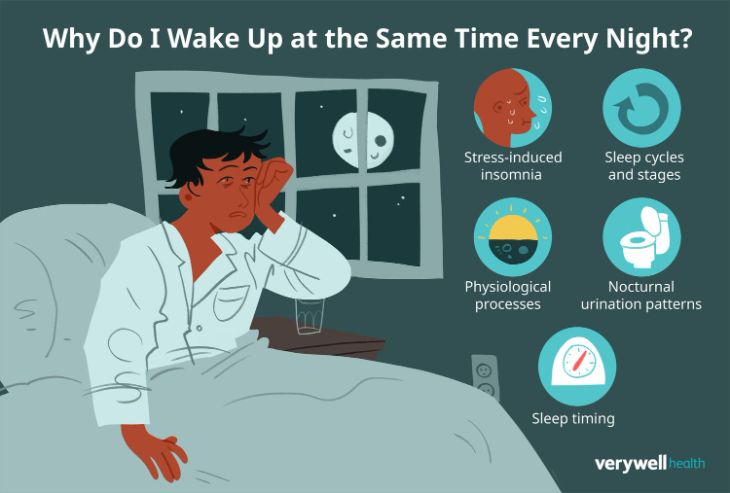
Despite the structural benefits, there are notable disadvantages of sleeping on your back that every individual must consider.
Gravity pulls your tongue and soft tissues toward the back of your throat when you rest in a supine position.
This gravitational pull can narrow your airway and cause heavy snoring throughout the night.
For those with a naturally narrow airway, it can lead to obstructive sleep apnea events.
During these apnea events, your blood oxygen saturation (SpO2) can drop below the healthy threshold of ninety-five percent.
A modern health tracking ring can monitor these sudden SpO2 drops while you are fast asleep.
When your breathing is momentarily interrupted, your autonomic nervous system triggers a sharp stress response to wake you up.
This sudden surge of adrenaline causes a rapid spike in your overnight resting heart rate.
It also causes your heart rate variability (HRV) to plummet, indicating heightened physiological strain on your cardiovascular system.
Understanding these patterns is essential if you want to learn how to improve hrv and protect your heart health.
The American Heart Association notes that chronic untreated sleep apnea is linked to long-term cardiovascular risks like hypertension.
Therefore, tracking these metric fluctuations is vital for anyone practicing a back sleeping posture.
If you observe consistent oxygen drops, you may need to adjust your elevation or consult a sleep specialist.
The Herz P1 Smart Ring provides continuous, medical-grade SpO2 tracking with under two percent margin of error to keep you informed.
How to Analyze Your Sleep Position Biomarkers with Your Smart Ring
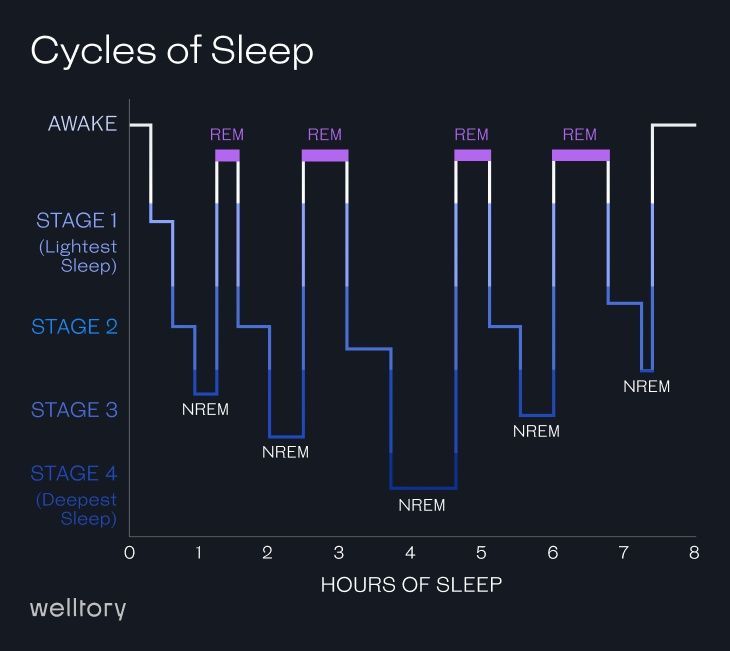
Biometric technology allows you to measure the direct physiological impact of your sleeping posture on your body.
The Herz P1 App provides a clear visual breakdown of your nightly biometric patterns.
When you open the app, look closely at your nightly oxygen saturation and heart rate variability graphs.
Learning how to read sleep graphs helps you pinpoint exactly when airway blockages or physical disruptions occur.
Pay close attention to your daily balance between deep sleep vs light sleep.
Deep sleep is the critical phase where physical tissues repair and muscles recover from strenuous exercise.
If your airway is partially blocked while sleeping flat on your back, your body will constantly pull you out of deep sleep.
You might spend too much time in light sleep and wake up feeling chronically exhausted despite spending eight hours in bed.
By reviewing these trends, you can make informed adjustments to your head elevation or pillow setup.
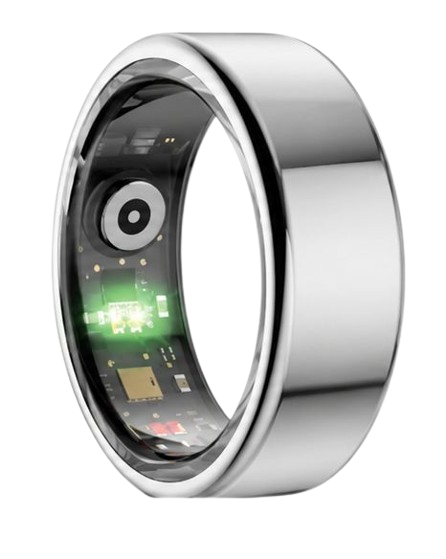
The Herz P1 is designed for comfortable 24/7 wear, making it easy to track these trends without sleep-disrupting bulk.
Our military-grade steel ring is lightweight, ensuring that your tracking device never becomes a source of physical sleep disturbance.
You can wear it during high-intensity workouts and overnight recovery sessions alike.
Overcoming the Pitfalls of Bulky Wearables and Hidden Subscription Costs
Many people try to monitor their sleep quality using bulky, heavy smartwatches.
These heavy wrist-worn devices often cause physical discomfort and skin irritation during sleep.
A large watch can press against your arm or face, causing you to wake up in the middle of the night.
Additionally, smartwatches often run out of battery power during the night, leading to annoying gaps in your sleep history.
Another major hurdle in the modern wearable market is the hidden cost of subscription fees.
Several premium health brands lock your sleep analysis and heart rate data behind a monthly paywall.
We believe that your personal biological data should always belong to you without ongoing costs.
The Herz P1 App is completely free for a lifetime with no monthly fees or hidden paywalls.
Our military-grade steel ring is incredibly lightweight and operates continuously for six days on a single charge.
This long battery life ensures that you never miss a single minute of sleep tracking.
The IP68 waterproof rating means you can wear your ring in the shower, pool, or rain without worry.
It provides a seamless, hassle-free alternative to bulky smartwatches that disrupt your natural sleep patterns.
Frequently Asked Questions About Sleep Posture and Herz P1 Tracking
Is the Herz P1 Smart Ring waterproof?
Yes, the Herz P1 is rated IP68 waterproof and can withstand continuous water immersion up to 164 feet.
This high rating means you can safely wear it while swimming, showering, washing your hands, or visiting a sauna.
How long does the battery last on the Herz P1?
The onboard battery provides a full six days of continuous health monitoring on a single charge.
The ring charges incredibly fast, going from zero to one hundred percent in under one hour.
Which finger is the best option to wear the smart ring?
The index finger of your non-dominant hand is the recommended option for the most accurate biometric readings.
However, you can also wear it comfortably on your middle or ring finger with excellent results.
Does the Herz P1 store health data offline?
Yes, the smart ring features seven days of secure offline storage.
Your biometric data will safely sync to the app the next time your phone connects via Bluetooth.
Can a smart ring detect if my back sleeping is causing breathing issues?
Yes, by monitoring continuous SpO2 levels and resting heart rate spikes, the ring can track indicators of breathing disruptions.
Consistent drops in oxygen followed by sudden heart rate spikes usually suggest airway resistance.
Conclusion
Optimizing your sleep position is a powerful way to enhance physical recovery and daily energy.
The Herz P1 Smart Ring offers a reliable, subscription-free way to monitor your body through every postural transition.
Ready to monitor your health every day? Explore the Herz P1 Smart Ring and see if it fits your lifestyle. Call: 1-866-479-1629 — our team can help you advise on the correct ring size and set personalized health goals.
Note: Individual results may vary depending on individual health conditions, age, and lifestyle habits. This article is intended for general health reference purposes only.
