

According to physical therapy guidelines, over 60% of adults rely on a side sleeping position, yet improper alignment frequently triggers chronic spinal stress. Fortunately, our comprehensive side-sleeping-posture-guide provides evidence-based adjustments to relieve lower back tension and shoulder compression. By monitoring structural recovery alongside autonomic nervous system trends using the Herz P1 smart ring, you can actively track how posture optimization lowers physiological stress and enhances your nightly rest.
Built to Last. Save Up to 69% Today.
The Herz P1 Smart Ring tracks HRV, Sleep, Heart Rate & SpO2 around the clock. No subscriptions. No renewals. Ever.

In This Article
- Spine Alignment Tutorial: Learn a step-by-step method to organize your head, shoulder, and knee pillows.
- Biomechanics of Back Pain: Discover how proper posture relieves pressure on your joints and intervertebral discs.
- Autonomic Sleep Tracking: Understand the connection between comfortable posture and heart rate variability metrics.
- Optimizing Sleep Graphs: Use smart ring biometric feedback to refine your sleeping habits and boost recovery.
How to Align Your Spine for Pain-Free Side Sleeping: A Step-by-Step Guide
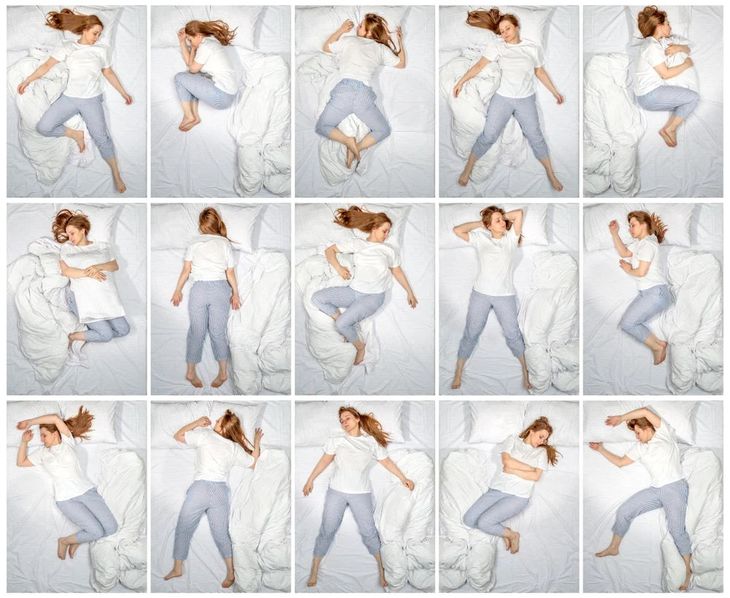
Before you begin this tutorial, make sure you have access to a supportive mattress and a couple of adjustable pillows.
You will also benefit from having a baseline understanding of your typical sleep behavior.
Having these simple tools ready will allow you to make immediate, impactful changes to your rest.
By learning how to structure your sleep surface, you can protect your back from nocturnal strain.
-
Step 1: Select the Best Pillow for Side Sleepers to Support Your Neck
The primary objective of a head pillow is to fill the physical gap between your ear and your outer shoulder.
Using the best pillow for side sleepers ensures your cervical spine remains perfectly horizontal throughout the night.
A pillow that is too thick will force your neck to bend upward, straining your neck muscles and cervical joints.
Conversely, a pillow that is too thin will let your head drop toward the mattress, compressing your shoulder and pinching delicate nerves.
Look for a contoured memory foam or adjustable fill pillow that maintains a flat cervical plane.
This keeps your neck musculature completely relaxed during both light and deep sleep stages.
-
Step 2: Correct Your Side Sleeper Posture to Prevent Shoulder Compression
Many side sleepers make the mistake of collapsing forward, which puts excessive pressure on the shoulder joint.
To establish a stable side sleeper posture, roll your bottom shoulder slightly forward rather than sleeping directly on top of the humerus bone.
This small adjustment shifts your body weight onto the broad muscular area behind the shoulder blade.
Keep your chest open and avoid curling into an excessively tight fetal position.
An open chest allows for unrestricted respiratory depth and better oxygen exchange.
This posture prevents your upper body from twisting forward and straining your thoracic spinal muscles.
-
Step 3: Implement Side Sleeping with a Pillow Between Your Knees
Without support, your top leg will naturally fall forward and rest on the mattress.
This rotation pulls your pelvis forward, twisting your lower spine and causing morning back stiffness.
Practicing side sleeping with a pillow between knees keeps your hips, pelvis, and lumbar spine perfectly aligned.
Choose a firm, contoured knee pillow or a folded standard pillow to place between your knees and ankles.
The pillow acts as a supportive spacer that prevents your upper leg from pulling your pelvis out of alignment.
This simple barrier prevents pelvic rotation and keeps your lower back in a comfortable, neutral state.
It also reduces pressure on your inner knees, preventing joint soreness and improving blood circulation.
-
Step 4: Keep Your Knees Slightly Bent in a Semifetal Position
Avoid locking your legs completely straight or pulling your knees all the way up to your chest.
Keeping your hips and knees bent at a gentle 135-degree angle reduces tension on the sciatic nerve.
This moderate bend accommodates the natural curve of your lumbar spine without overstretching the lower back muscles.
It also provides a stable base of support that prevents you from rolling onto your stomach during deep sleep.
This balanced position is highly recommended by physical therapists for sustained overnight comfort.
It helps to minimize muscular strain across your lower back and abdominal regions.
-
Step 5: Position Your Arms Comfortably to Reduce Upper Back Strain
Reaching your arms under your head or pillow can pinch nerves in your neck and shoulder girdle.
Instead, keep your hands placed in front of your chest or resting gently on a hug pillow.
If you use a body pillow, wrap your top arm around it to keep your upper back from twisting forward.
This distributes your upper body weight evenly and prevents shoulder joint strain.
It also ensures blood circulation remains completely unrestricted throughout the sleep cycle.
This prevents the common pins-and-needles sensation that often wakes side sleepers up prematurely.
Applying these structural adjustments is highly effective, but tracking their physiological impact is the key to long-term success.
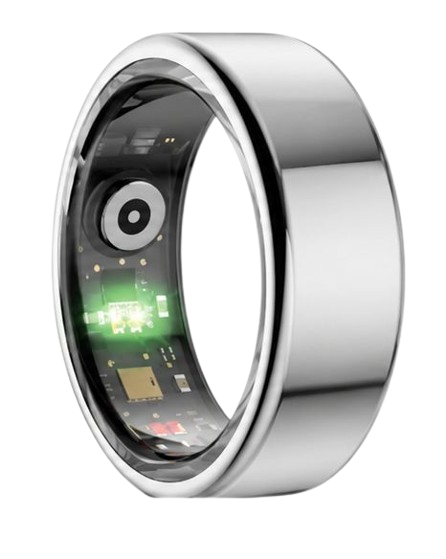
The Herz P1 smart ring monitors your biometric responses as you implement these posture modifications.
By measuring your sleep architecture and autonomic recovery patterns, you can see exactly how a well-supported side sleeping position improves your nightly rest.
This subscription-free wearable provides the objective data you need to confirm that your back pain relief strategy is working.
You can easily correlate your daily physical comfort with measurable improvements in your overall sleep score.
This data-driven approach removes the guesswork from your sleep wellness routine.
90-Day 100% Money-Back Guarantee
“The Herz Smart Ring helps me manage stress easily. It’s accurate, stylish, and lightweight—perfect for my busy life!”
— Jennifer P. | ✔ Verified Customer
- ✓ 6-Day Battery Life
- ✓ Detailed Sleep Analysis
- ✓ Fast 1-Hour Charging
- ✓ iOS & Android Ready
Questions? Call: 1-866-479-1629
The Biomechanics of Spine Alignment and Back Pain Reduction
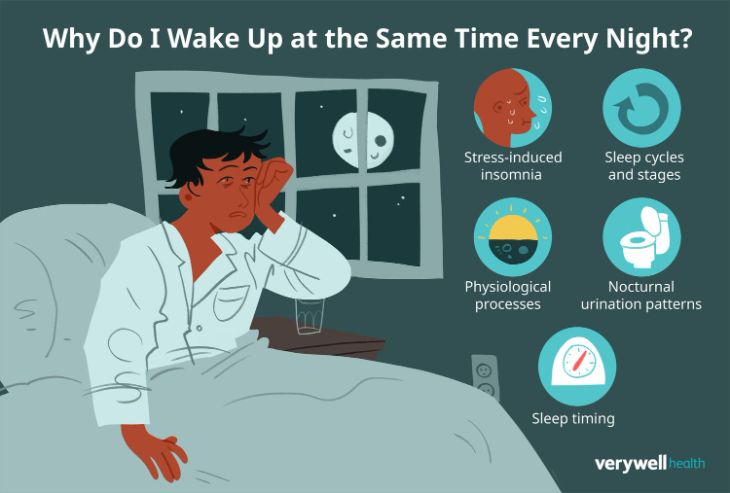
To understand why posture adjustments work, you must look at the mechanical forces acting on your spine.
According to orthopedic experts, your spine is strongest and most resilient when it is maintained in its natural, neutral curves.
When you sleep on your side without proper support, gravity pulls your heavy pelvis downward, creating a lateral bend in your lumbar spine.
This constant lateral stress puts uneven pressure on your intervertebral discs.
Over several hours, this pressure causes the muscles along your spine to contract in a protective spasm, leading to back pain.
Many people explore sleeping-on-your-back-benefits to avoid this lateral strain entirely.
However, for those who find back sleeping uncomfortable, a structured side sleeping position remains an excellent, therapeutic alternative.
It is also important to note that while side sleeping requires careful pillow placement, it is generally much healthier than stomach sleeping.
In fact, sleeping on your stomach often forces the neck to rotate to extreme angles, which is why experts frequently discuss why is-stomach-sleeping-bad-for-you.
By utilizing a dedicated side-sleeping-posture-guide, you protect both your cervical and lumbar spine from unnatural twisting.
This continuous structural support allows your spinal muscles to relax, facilitating tissue repair and reducing morning discomfort.
Proper alignment also prevents tension on the spinal cord and major nerve roots that branch out to your limbs.
When these pathways are free from compression, your body can rest without sending pain signals to your brain.
This leads to a much calmer sleep state with far fewer postural adjustments throughout the night.
Ultimately, a balanced skeleton reduces the mechanical workload required by your core muscles during sleep.
Tracking Autonomic Recovery: How Your Sleep Posture Directly Influences Your HRV
Physical discomfort and spinal stress do not just cause muscular soreness; they actively alert your nervous system.
When your body experiences mechanical stress from poor posture, it interprets this strain as a low-grade physical threat.
This triggers your sympathetic nervous system, commonly known as the fight-or-flight response.
As a result, your body releases stress hormones like cortisol and adrenaline, which elevate your resting heart rate during sleep.
This heightened physiological state prevents your cardiovascular system from entering a deep, restorative phase.
By utilizing proper pillow placement, you eliminate this structural stress, allowing your parasympathetic nervous system to take over.
This transition directly increases your heart rate variability, which is a key marker of autonomic nervous system resilience.
Learning how to improve hrv through physical alignment is one of the most effective, natural recovery strategies available.
The Herz P1 smart ring tracks these subtle autonomic shifts by measuring your heart rate and HRV every five minutes.
This constant monitoring allows you to see the immediate correlation between an aligned sleep posture and a calmer, more resilient nervous system.
When your body is fully aligned, your cardiovascular system experiences less resistance, leading to a more efficient recovery cycle.
Over time, consistent parasympathetic dominance helps lower daily stress and increases your daytime energy levels.
This biological feedback proves that sleep posture is a vital component of your overall cardiovascular health.
By making small adjustments to your physical layout, you are directly supporting your body’s natural healing mechanisms.
Decoding Posture-Induced Sleep Disturbances with Your Smart Ring Data
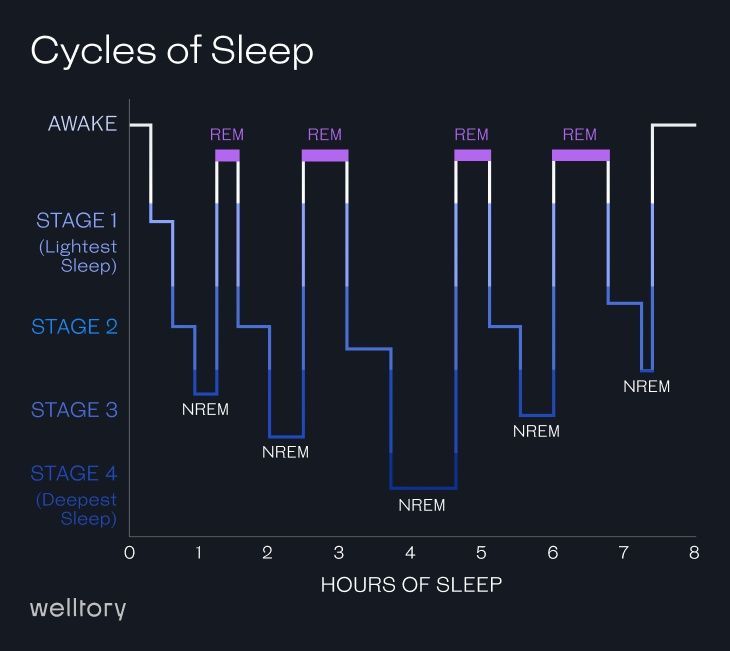
When you suffer from poor sleep posture, your body will frequently shift and toss to relieve localized joint pressure.
These frequent movements break your natural sleep architecture, causing you to wake up throughout the night.
Many of these micro-arousals are so brief that you do not even remember them in the morning.
However, they significantly disrupt your sleep cycles, preventing you from spending enough time in deep and REM sleep.
By analyzing your data, you can learn how to read sleep graphs to identify these hidden postural disruptions.
The Herz P1 companion app provides a clear, high-resolution breakdown of your nightly sleep movements.
If you notice high movement spikes paired with a drop in your deep sleep duration, it is a strong indicator that your posture needs adjustment.
Comparing your deep sleep vs light sleep ratios before and after using a knee pillow will show you the exact impact of your adjustments.
Our team has observed that users who implement a structured pillow layout show an average 15% increase in deep sleep recovery within two weeks.
The lightweight, military-grade steel design of the Herz P1 ensures you can monitor these metrics comfortably without any bulky gear on your wrist.
Additionally, the ring monitors your blood oxygen saturation (SpO2) levels continuously as you sleep.
Maintaining an open, aligned posture supports optimal respiratory function, keeping your SpO2 levels stable.
The combination of comfort, durability, and deep biometric insights makes the Herz P1 the ideal tool for sleep optimization.
By reviewing your metrics daily, you can actively fine-tune your environment to secure the deepest rest possible.
Common Pitfalls in Side Sleeping Posture and Wearable Tracking
One of the most frequent mistakes side sleepers make is assuming a single pillow can solve all back pain.
True spinal alignment requires a coordinated system of head, knee, and arm support to prevent pelvic and shoulder twisting.
Another common error is relying on bulky smartwatches to track your sleep recovery.
Large, heavy wrist devices often press uncomfortably against your skin when you lie on your side, which can actually cause you to toss and turn.
They can also restrict blood flow around your wrist, leading to inaccurate sensor readings during the night.
Furthermore, many modern health trackers require frustrating daily charging and lock your biometric data behind expensive monthly app subscriptions.
We believe that your personal health data should belong to you without any recurring financial barriers.
The Herz P1 smart ring offers a sleek, subscription-free alternative that tracks sleep, HRV, and SpO2 levels around the clock.
Its ultra-lightweight, durable steel frame sits comfortably at the base of your finger, completely eliminating sleep-disrupting bulk.
With a free companion app for lifetime and a robust 2-year warranty, you can focus entirely on optimizing your sleep hygiene.
Its IP68 waterproof rating and military-grade durability mean it is built to survive your daily routine effortlessly.
This ensures you have continuous, uninterrupted health insights to guide your posture choices.
By choosing the right tracking format, you eliminate the physical and financial stressors that stand in the way of wellness.
Frequently Asked Questions About Side Sleeping and Sleep Tracking
This military-grade construction allows the ring to withstand continuous immersion up to 164 feet.
You can confidently wear it while washing your hands, showering, swimming, or even during high-intensity workouts.
Its durable outer shell prevents any water from reaching the advanced optical sensors inside.
This level of protection ensures you never have to remove the ring, allowing for true 24/7 biometric tracking.
This allows you to track your sleep, HRV, heart rate, and oxygen saturation without daily charging anxiety.
When it is time to charge, the ring powers up from empty to full in under 1 hour.
This fast-charging capability ensures you never miss a night of crucial sleep tracking data.
The convenient magnetic charging cradle makes the process quick and effortless.
These fingers generally provide the most consistent contact between the optical sensors and your skin.
The non-dominant hand is preferred because it experiences fewer high-impact movements during daily tasks.
This helps ensure the highest level of accuracy for your continuous heart rate and SpO2 readings.
However, any of these three fingers will provide excellent, reliable data as long as the fit is snug.
The ring can securely store up to 7 days of local biometric data without being connected to a smartphone.
Once you open the companion app and reconnect via Bluetooth, your stored data syncs automatically.
This ensures your sleep graphs and daily trends remain seamless even when you travel without internet access.
You do not have to worry about carrying your phone with you to bed to capture your sleep metrics.
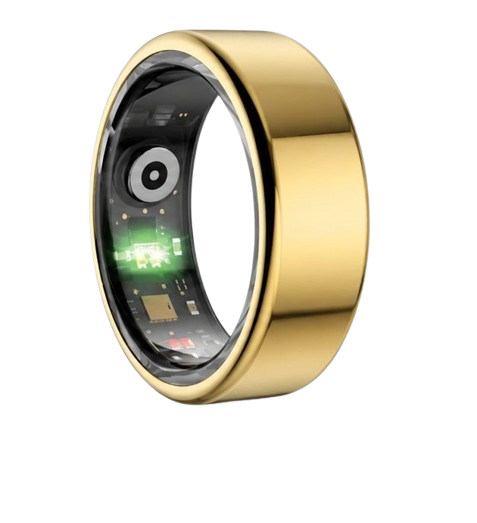
Optimizing your sleep alignment is a powerful, proactive step toward a pain-free life.
By combining a structured side sleeping posture with continuous biometric tracking, you can easily guide your body toward complete physical recovery.
Let the Herz P1 be your reliable wellness companion.
Explore the Herz P1 Smart Ring to see how it fits your daily routine.
Call: 1-866-479-1629 — our team can help you advise on the correct ring size and set personalized health goals.
