

Is Sleeping on Your Stomach Bad for Your Spine? A Biometric Science Guide
Do you wake up feeling stiff, sore, or deeply exhausted despite spending eight hours in bed? If your default position is sleeping on stomach, you might be stressing your spine. Tracking your sleep metrics with a screen-free Herz P1 Smart Ring can reveal how this posture affects your daily recovery score.
Take Back Your Sleep.
Take Back Your Life.
- Fall asleep faster & sleep deeper
- Stop waking up in the middle of the night
- Wake up refreshed & full of energy
- Mechanical Back Strain: Sleeping on your front flattens the natural S-curve of your spine, leading to muscle tension.
- Cervical Rotation: Neck twisting can compress nerve pathways, causing morning stiffness or headaches.
- Biometric Impact: Poor alignment increases physical stress, lowering Heart Rate Variability (HRV) and disrupting Deep/REM sleep.
- Actionable Adjustments: Placing a pillow beneath the pelvis can mitigate strain if you cannot avoid this position.
- Objective Monitoring: Screen-free wearables like the Herz P1 Smart Ring offer a distraction-free way to observe how position changes improve your Recovery Score.
The Real Impact of Sleeping on Stomach on Spinal Alignment

Quick Answer
Yes, the short answer is that sleeping on stomach is widely considered the most taxing position for your spinal health. While it can temporarily reduce snoring, it forces your head to turn and flattens your lower back, causing structural tension. To choose the right product or habit changes, you must understand your body’s overnight autonomic stress patterns.
Detailed Breakdown
When we sleep, our main goal is to let our muscles, ligaments, and joints recover from the daily forces of gravity. Ideally, this requires keeping your head, neck, and lower back aligned. This is known as maintaining a neutral spine.
If you default to sleeping on stomach, this balance is disrupted. First, unless you have a way to breathe through your mattress, you must rotate your head to one side. This twists your neck, straining the muscles and small joints of the cervical spine. Second, gravity pulls your abdomen down into the bed. This flattens the natural curve of your lower back, putting pressure on the surrounding ligaments and nerves.
Over time, this mechanical strain can lead to chronic soreness, tension headaches, and non-restorative sleep. Many people wake up with a stiff neck or a dull ache in their lower back, without realizing that their sleep position is the root cause.
— Team Mind Body Dan
When to Avoid Stomach Sleeping
While some find comfort in this position, certain individuals should avoid stomach sleeping to prevent discomfort:
- People with lower back pain: Hyperextending the lumbar spine can aggravate herniated discs or facet joint issues.
- Individuals with neck issues: Keeping your head turned for hours can lead to nerve compression or muscle spasms.
- Pregnant individuals: Beyond comfort concerns, sleeping on your stomach during later stages of pregnancy is not recommended.
Suggested Mitigation Strategies
If you find it difficult to change your stomach sleeping habits overnight, there are a few ways to reduce the strain on your spine:
- Place a flat pillow under your pelvis: This helps lift your hips, keeping your lower back in a more neutral position.
- Use a thin head pillow (or none at all): Keeping your head flat reduces the angle of extension in your neck.
- Monitor your sleep quality: Keep track of how changes to your setup affect your rest.
Transitioning to a new sleep position can be challenging. By using a screen-free tool like the Herz P1 Smart Ring, you can track how adjustments to your sleep posture impact your deep sleep and daily recovery metrics.
- Lightweight, comfortable titanium design
- Subscription-free model (no ongoing monthly fees)
- Tracks HRV, Sleep Stages, and provides a clear Recovery Score
Frequently Asked Questions
Q: Why does sleeping on my stomach make my lower back ache?
A: Gravity pulls your midsection down, flattening the lower back’s natural curve and putting stress on your joints and ligaments.
Q: Can stomach sleeping cause headaches?
A: Yes. Twisting your neck to the side can compress the nerves at the base of your skull, leading to cervicogenic headaches in the morning.
Q: How do I know if my sleeping position is affecting my recovery?
A: If you wake up with regular stiffness or find yourself waking up frequently during the night, your sleep posture may be preventing you from reaching deeper, restorative sleep stages.
Biomechanical Strain: Why Is Sleeping on Your Stomach Bad?
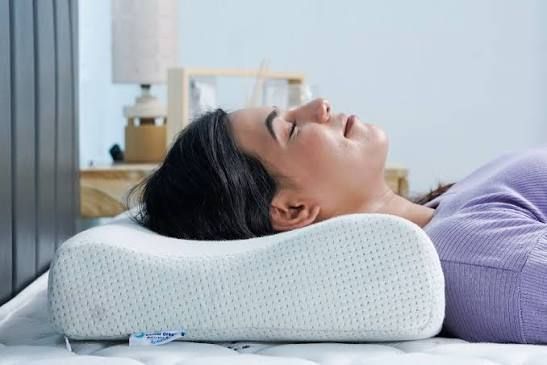
To understand is sleeping on your stomach bad for long-term health, we must look at the mechanics of the musculoskeletal system during rest.
The Cervical Twist
When sleeping on stomach, you must rotate your neck to one side to breathe. This positions your cervical spine at the limit of its range of motion for hours at a time. This twisting motion can compress the small joints (facet joints) of your neck, strain the surrounding muscles, and restrict blood flow.
This position, also referred to as sleeping on belly, forces your body to adapt by tightening your upper back and shoulder muscles. Over time, this constant contraction can lead to persistent soreness, upper back pain, and a limited range of motion during the day.
Lumbar Compression
Your lower back naturally curves inward, a shape known as lordosis. When you lie on your stomach, gravity pulls your hips downward, exaggerating this curve. This pelvic tilt compresses your lumbar vertebrae, pinching nerve roots and straining the surrounding muscles.
For many, this mechanical stress causes microscopic muscle tears and localized inflammation. This is why you might wake up at 3 AM with a dull ache or feel stiff when trying to stand up in the morning. This physical discomfort can also trigger a micro-arousal, causing you to wake up briefly and disrupting your sleep cycle.
How Physical Stress Lowers Your Recovery Score
When your body is in pain, it stays on alert. The continuous mechanical strain from why is sleeping on your stomach bad for spine health can suppress your parasympathetic nervous system, lowering your Heart Rate Variability (HRV) and limiting deep sleep.
Discover how the Herz P1 Smart Ring tracks your recovery without a screen.
Sleep Stages and Autonomic Balance
When your body is constantly adjusting to avoid pain, you may spend less time in restorative sleep stages. Deep sleep is essential for physical recovery, tissue repair, and muscle growth, while REM sleep supports memory and emotional processing.
Physical discomfort can keep your nervous system in a sympathetic state (fight-or-flight), preventing your heart rate from dropping and lowering your Heart Rate Variability (HRV). This means that even if you sleep for eight hours, you may wake up feeling unrefreshed due to a lack of deep, restorative rest.
Practical Fixes and Transitioning Away from Stomach Sleeping
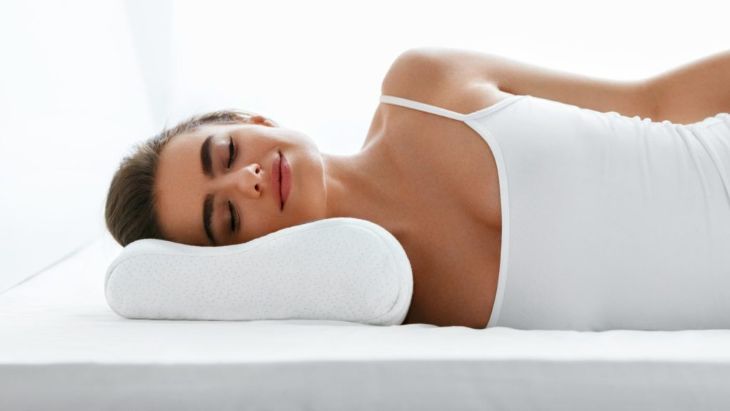
If you want to reduce discomfort and improve your spinal alignment, transitioning away from a persistent sleeping on your stomach guide approach is a great place to start.
Using the Pillow Bridge Method
If you are not ready to switch positions entirely, you can use pillows to improve your alignment:
- The Hip Support: Place a flat, firm pillow under your lower abdomen and pelvis. This lifts your hips and keeps your lower back in a more neutral position.
- The Head Pillow adjustment: Use a very thin pillow for your head, or try sleeping without one to keep your neck flat.
- The Side Guard: Place a long body pillow along one side of your body. This can help prevent you from rolling fully onto your stomach during the night.
Transitioning to Side Sleeping
Many find side sleeping to be a more comfortable and spine-friendly alternative. To make the transition easier:
- Use a supportive pillow: Choose a pillow that fills the gap between your neck and shoulder, keeping your head aligned with your spine.
- Place a pillow between your knees: This helps keep your hips and pelvis aligned, reducing twist in your lower back.
- Give it time: It can take several weeks of practice to change a long-standing sleep position habit.
Monitoring Your Progress Without Distractions
Changing how you sleep is a gradual process. To see how these adjustments affect your rest, it can be helpful to monitor your biometric trends over time.
While smartwatches are popular for tracking, their bulky designs and bright screens can sometimes disrupt sleep. A lightweight, screen-free alternative like a smart ring can monitor your heart rate, HRV, and sleep stages throughout the night, helping you understand how your position changes are improving your recovery.
By focusing on consistent daily habits and keeping track of your biometric trends, you can support your spinal health and enjoy more restful, restorative sleep.
Disclaimer: Results may vary depending on individual physical activity levels, unique health conditions, and daily tracking patterns. The content provided is for informational purposes only and is not intended to replace professional medical advice, diagnosis, or treatment. Always consult with a qualified healthcare provider regarding any concerns you may have about your spine or sleep health.
