

How Do Fish Sleep and Can They Close Their Eyes? Science-Backed Secrets of Aquatic Rest
Have you ever wondered, how do fish sleep without eyelids to shut out the world? While marine life relies on natural, screen-free rest cycles to recharge, humans often struggle with 3 AM awakenings and racing minds. By understanding these primitive resting patterns, we can learn to optimize our own recovery using non-intrusive tracking like the Herz P1 Smart Ring.
Take Back Your Sleep.
Take Back Your Life.
- Fall asleep faster & sleep deeper
- Stop waking up in the middle of the night
- Wake up refreshed & full of energy
Key Takeaways & Article Highlights
- The Eyelid Myth: Most fish do not have eyelids, meaning they sleep with their eyes wide open.
- Suspended Animation: Instead of falling into a deep REM coma, fish enter a state of reduced metabolic activity and suspended vigilance.
- Circadian Biology: Just like humans, aquatic creatures depend heavily on light-dark cycles to regulate their biological clocks.
- The Modern Struggle: Unlike marine life, humans face artificial blue light, screen distractions, and chronic stress that disrupt melatonin and cause non-restorative sleep.
- Our Team’s Recommendation: The screen-free, subscription-free Herz P1 Smart Ring provides elegant, titanium comfort to track Sleep Stages (REM, Deep, Light) and Heart Rate Variability (HRV) without bulky smartwatch distractions.
The Science of Aquatic Rest: How Do Fish Sleep and Evolve Without Eyelids?

Yes, fish do sleep, but not in the way humans do. The short answer is that most fish do not have eyelids, so they cannot close their eyes to rest. However, to choose the right wellness path and understand biological recovery, you need to understand how different aquatic species enter suspended animation, reduce their metabolic rate, and maintain vigilance against predators while sleeping.
When we look at a quiet aquarium or peer into a still lake, it is easy to assume that nothing is happening. We might ask ourselves: how do fish sleep when they are constantly in motion? The reality is that aquatic rest is a highly sophisticated evolutionary adaptation. Unlike terrestrial mammals that curl up in a warm bed and surrender fully to unconsciousness, a fish sleeping must balance the physiological necessity of rest with the immediate threat of survival.
Because they lack a neocortex, marine organisms do not exhibit the complex, slow-wave electroencephalogram (EEG) patterns that define mammalian sleep. Instead, they enter a state characterized by a decreased respiratory rate, lowered heart rate, and reduced responsiveness to external stimuli. In this tranquil state of suspension, their metabolism slows down significantly, allowing their tissues to repair and their cellular energy reserves to replenish. Even though their eyes remain open, their brains filter out the visual noise of the underwater world, creating a state of rest-activity regulation that mirrors our own recovery processes.
— Team Mind Body Dan
Some species, such as the parrotfish, take extreme precautions before resting. They secrete a thick cocoon of mucus around themselves to mask their scent from predators and shield their bodies from parasites. Meanwhile, migratory pelagic species like sharks must practice “obligate ram ventilation.” Because they must constantly move to force oxygen-rich water over their gills, they cannot stop swimming. To sleep, they shut down half of their brain at a time, or utilize strong ocean currents to glide effortlessly while their sensory processing systems drift into a restful haze. The depth of their rest-activity pattern is tailored precisely to their environmental niche.
When to Focus on Aquatic Rhythms (And When Not To)
Understanding these primitive rest-activity patterns is highly beneficial if you want to cultivate a deeper respect for the natural circadian rhythms of life. By recognizing how environmental light tells a marine animal when to rest, you can better appreciate how light impacts your own hormonal balances. However, do not assume that human beings can get away with the semi-conscious, high-vigilance sleep of a shark. When humans try to sleep in a state of high vigilance—such as when we sleep with a phone buzzing by our heads or in a room filled with ambient light—we fail to reach the deep and REM sleep stages required to clear cognitive waste and prevent brain fog.
To achieve true biological recovery, our team emphasizes that humans need complete physical comfort, a screen-free environment, and a relaxed nervous system. While a fish can rest while drifting in a current, your body requires a drop in core temperature and a dramatic shift in your autonomic nervous system from sympathetic “fight-or-flight” to parasympathetic “rest-and-digest.” That is why bulky, vibrating smartwatches that light up in the dark are often counterproductive. Instead, transitioning to a lightweight, screen-free wearable like the Herz P1 Smart Ring allows you to monitor your physiological markers passively, without any screen distractions to wake you at 3 AM.
Frequently Asked Questions About Aquatic Rest
To help demystify the mysteries of underwater slumber, we have compiled answers to the most common questions surrounding this topic:
- Do fish sleep at night or during the day?
It depends entirely on the species. Diurnal fish, like many coral reef species, sleep during the night when light levels drop. Conversely, nocturnal predators like catfish and some sharks hunt under the cover of darkness and find quiet caves to sleep during the bright daytime hours. - Did fish sleep during evolutionary history?
Yes, evolutionary biologists believe that rest-activity cycles are nearly as old as life itself. Neurological studies suggest that sleep evolved over 450 million years ago, meaning that ancient ancestors of modern marine life also entered restorative resting states to survive. - How do fish sleep without drowning or floating away?
Many bony species utilize a specialized gas-filled organ called a swim bladder. By adjusting the pressure in this bladder, they can achieve neutral buoyancy, allowing them to remain completely suspended in the water column without rising or sinking while they sleep.
Human Sleep Architecture vs. Aquatic Rest: Overcoming the 3 AM Awakening

When we contrast the simplistic rest-activity states of fish with the complex sleep architecture of humans, the differences are stark. While a fish sleeping is simply modulating its metabolic rate, the human brain must cycle through distinct neurological stages: Light Sleep, Deep Sleep, and REM (Rapid Eye Movement) Sleep. Each stage plays a critical role in maintaining your cognitive performance, metabolic health, and emotional stability.
Consider what happens to you during a typical night. When you lay down, your heart rate slows, and your body enters Light Sleep, which acts as a bridge to deeper restoration. As you slip into Deep Sleep, your brain waves slow down to synchronized delta waves. This is the stage where tissue growth occurs, physical muscles repair, and growth hormone is released. Finally, during REM sleep, your brain is highly active, processing memories, regulating emotions, and dreaming. This delicate balance is why a single night of disrupted rest leaves you feeling exhausted, irritable, and plagued by persistent brain fog.
Yet, millions of us struggle to achieve this restorative cycle. Many people experience the frustrating phenomenon of a racing mind as soon as their head hits the pillow. You lie in bed, staring at the ceiling, mentally cycling through tomorrow’s tasks or replaying today’s stress. Then comes the dreaded 3 AM awakening—you wake up in a cold sweat, your heart beating fast, unable to drift back to sleep. This chronic stress triggers your sympathetic nervous system, leaving you in a persistent state of hyper-vigilance, similar to the survival mode of a marine animal constantly keeping an eye out for predators.
Why Screen-Free Tracking Changes Everything
In today’s digital era, we are bombarded by notifications, emails, and social media feeds. When you try to track your sleep using a bulky smartwatch with a bright screen, you bring those distractions directly to your bedside. Every time the screen lights up or vibrates, it sends a signal to your brain to wake up, disrupting your circadian rhythm. True wellness recovery begins when you eliminate screen-induced stress and embrace comfortable, passive physiological monitoring.
To break this frustrating cycle, we need to understand the biological mechanisms at play. When you expose your eyes to the blue light of smartphones, tablets, or smartwatches late at night, you trick your brain into believing it is still daytime. This stops the production of melatonin, the hormone that signals to your body that it is time to sleep. To restore your natural biological clock, you must establish clean habits, such as keeping screens out of the bedroom entirely.
If you want to understand how do fish sleep, you quickly realize that they depend completely on natural lighting transitions. When the sun goes down, their metabolic activity drops automatically. Humans can mimic this natural ease by adopting screen-free tracking methods. Rather than looking at a glowing watch face that tells you that you are having a poor night’s rest—which only increases your sleep anxiety—a minimalist, screen-free wearable works quietly in the background, allowing you to focus purely on relaxation and recovery.
This is where the distinction between primitive aquatic rest and human sleep architecture becomes highly practical. Humans need to consciously manage their sleep hygiene, but we shouldn’t have to stress over the data. By monitoring long-term trends rather than stressing over every nightly wake-up, we can gradually reclaim our physical energy and mental clarity.
Biometrics of True Recovery: How a Screen-Free Smart Ring Unlocks Restorative Sleep
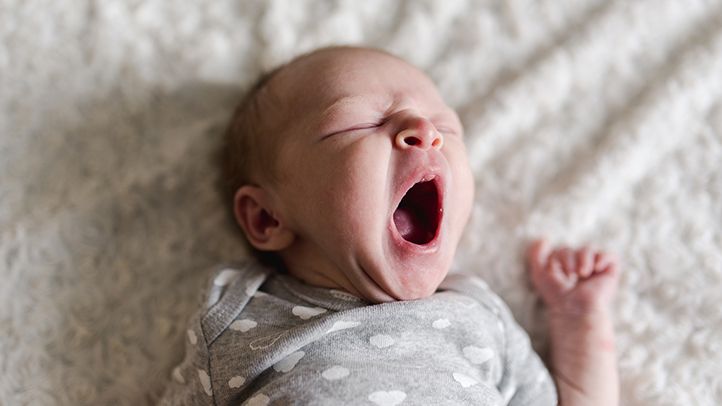
To optimize our health, we must shift our attention to objective, data-informed insights. Just as marine biologists study the precise metabolic shifts of aquatic life, we can measure our daily recovery through key cardiovascular and neurological biometrics. Two of the most critical metrics for measuring this recovery are Heart Rate Variability (HRV) and Sleep Stages.
Heart Rate Variability refers to the variation in time between consecutive heartbeats. Contrary to popular belief, a healthy heart does not beat at a perfectly constant, metronome-like rhythm. When your parasympathetic nervous system is active and your body is in a state of deep recovery, the interval between beats varies naturally. A high HRV indicates that your body is highly adaptable, rested, and ready to take on physical or mental challenges. Conversely, a consistently low HRV is a clear signal that your body is under stress, dehydrated, overtrained, or failing to transition into deep restorative sleep stages.
Historically, tracking these subtle biometric trends required bulky, uncomfortable chest straps or smartwatches that required daily charging and felt intrusive on the wrist. Many users struggle with watch bands that collect sweat, pinch the skin, or cause skin irritation during the night. Furthermore, many wearable brands charge expensive monthly subscription fees to access your own biometric data, causing subscription fatigue and leading to frustration with the entire tracking experience.
Reclaim Your Natural Rhythms
Experience a premium, subscription-free health companion designed for absolute comfort. The Herz P1 Smart Ring features medical-grade biometric sensors inside an ultra-lightweight titanium shell, tracking sleep stages, HRV, and daily recovery without screen distractions.
To address these challenges, we recommend the Herz P1 Smart Ring. Crafted from aerospace-grade titanium, this elegant ring weighs almost nothing on your finger, making it remarkably comfortable to wear while sleeping. Because it has no screen, there are no flashing lights, buzzing notifications, or high-energy displays to disrupt your sleep. It simply sits on your finger, using precise sensors to collect valuable biometric data that is translated into an easy-to-understand Daily Recovery Score.
By measuring your sleep stages, resting heart rate, and overnight HRV, the ring’s companion app calculates exactly how prepared your body is for the day ahead. If your recovery score is low, it signals that it might be a good day to focus on gentle movement and relaxation. If your score is high, your body is fully recovered and prepared for intense focus or physical exertion. This simple, actionable score eliminates the stress of reading confusing medical charts and graphs, helping you make informed decisions about your daily activity.
Furthermore, the Herz P1 Smart Ring operates on a 100% subscription-free model. Unlike other wearables that hide your detailed biometric analysis behind a monthly paywall, when you purchase the Herz P1, you own all of your data forever. Combined with an impressive multi-day battery life that eliminates the annoyance of daily charging, it is the ideal companion for health-conscious individuals who want to reclaim their mental and physical energy naturally.
In our quest to understand how do fish sleep, we learn a valuable lesson about simplicity. Aquatic animals do not overcomplicate their rest; they simply adjust to their environment and let biology do the rest. By utilizing a quiet, screen-free smart ring, you can embrace a similar simplicity in your own life. You can step away from screen distractions, sleep in absolute comfort, and let medical-grade sensors translate your biometrics into a clear path toward optimal health.
How Our Daily Recovery Score Empowers Your Life
- Uncovers Hidden Stress: By tracking changes in your resting heart rate and HRV, the ring reveals how stress affects your body long before you feel physical symptoms.
- Optimizes Your Workouts: Use your Daily Recovery Score to plan your physical training. Know when to push your limits and when to prioritize active rest.
- Identifies Disrupted Sleep: See exactly when your sleep is interrupted during the night, allowing you to adjust your evening habits for deeper rest.
- Promotes Screen-Free Melatonin: Removing glowing screens from your bedroom environment allows your natural melatonin production to thrive, leading to deeper, uninterrupted sleep.
If you are ready to break free from the cycle of non-restorative sleep, brain fog, and midnight awakenings, it is time to make a change. By simplifying your sleep habits and utilizing a screen-free, subscription-free health tracker, you can align your daily choices with your body’s natural circadian rhythms. Step into a world of elegant comfort, understand your physical needs, and wake up refreshed, energetic, and fully prepared to enjoy every day.
Disclaimer: Results may vary depending on individual physical activity levels, unique health conditions, and daily tracking patterns. The information provided in this article is for educational purposes only and is not intended to track, monitor, or replace professional medical advice.
