

How to Implement Sleep Restriction Therapy for Chronic Insomnia Relief
Is a racing mind keeping you awake at 3 AM? If you are battling chronic sleep struggles, sleep restriction therapy is a scientifically validated solution. By matching your time in bed with actual biometric sleep data—easily tracked screen-free with the Herz P1 Smart Ring—we can rebuild your natural sleep drive and finally end the cycle of non-restorative rest.
Take Back Your Sleep.
Take Back Your Life.
- Fall asleep faster & sleep deeper
- Stop waking up in the middle of the night
- Wake up refreshed & full of energy
Key Article Highlights
- Consolidating Your Sleep Window: Learn why spending less time in bed actually leads to deeper, more restorative sleep.
- The Science of Sleep Drive: Understand how homeostatic pressure resets your body’s natural circadian rhythm.
- Step-by-Step Implementation: A clear, calculated approach to adjusting your sleep-wake schedule safely.
- Screen-Free Tracking: Discover why monitoring your recovery metrics without digital distractions is vital for overcoming sleep anxiety.
What Is Sleep Restriction Therapy and How Does It Reset Your Body Clock?

For millions of people worldwide, nightfall does not bring peace. Instead, it signals the start of a nightly battle. You crawl into bed exhausted, yet your mind begins to race. You stare at the ceiling, watch the minutes tick by to 3 AM, and feel a heavy sense of dread about how you will function the next day. This agonizing cycle of non-restorative sleep leaves you with persistent brain fog, energy crashes, and a growing dependency on poor habits like excessive caffeine or daytime naps.
When dealing with persistent insomnia, our natural instinct is to spend *more* time in bed to “catch up” on lost rest. However, this is one of the most common behavioral mistakes. By spending nine hours in bed when you are only capable of sleeping for five, you unconsciously train your brain to associate your bed with frustration, anxiety, and wakefulness. This is where sleep restriction therapy becomes a game-changer.
At its core, sleep restriction therapy is a highly structured behavioral intervention designed to limit the amount of time you spend in bed to match your actual sleep duration. While the term “restriction” might sound counterintuitive or even intimidating to someone who is already sleep-deprived, the goal is not to deprive you of actual rest. Instead, we are restricting sleep fragmentation. By shrinking your sleep window, you build up a powerful biological “sleep drive”—the homeostatic pressure that forces your brain to fall asleep quickly and stay asleep throughout the night.
This method is widely recognized as one of the most effective components of cognitive behavioral therapy for insomnia (CBT-I). Rather than turning to pharmaceutical aids, this specialized sleeping therapy targets the root neurological mechanisms of your sleep-wake cycle. By consolidating your sleep, you increase your sleep efficiency, transforming a shallow, broken night of tossing and turning into a solid block of deep, restorative rest.
To understand why this is so effective, we must look at how the brain regulates sleep. The body relies on two primary systems: the circadian rhythm (your internal 24-hour clock) and the homeostatic sleep drive. Every hour you are awake, a chemical called adenosine builds up in your brain, acting as a natural sleep pressure gauge. When you lie awake in bed for hours, you dissipate this pressure without actually sleeping. By strictly limiting your bedtime, we maximize this adenosine accumulation, ensuring that when your head finally hits the pillow, your brain has no choice but to transition smoothly into deep sleep stages.
The Step-by-Step Blueprint to Executing Sleep Restriction Safely

Prerequisites: What You Need Before You Begin
Before implementing sleep restriction for insomnia, it is critical to prepare. Do not attempt this therapy if you suffer from untreated sleep apnea, bipolar disorder, parasomnias like sleepwalking, or have a job that requires absolute vigilance (like commercial driving), as initial daytime sleepiness can be profound. Your primary goal is to gather baseline data. For one week, do not alter your habits. Simply track how many hours you actually sleep versus how many hours you spend in bed.
Step 1: Calculate Your Baseline Sleep Efficiency
To begin, we must determine your current sleep efficiency. This is calculated using a simple formula:
Sleep Efficiency (%) = (Total Time Asleep ÷ Total Time in Bed) × 100
For example, if you spend 8 hours in bed (480 minutes) but only sleep for 5 hours (300 minutes), your sleep efficiency is 62.5%. A healthy target for sleep efficiency is 85% or higher.
Step 2: Establish Your New, Restricted Sleep Window
Now, set your new time-in-bed window to equal your average total sleep time from the previous week. If your average was 5.5 hours, your new allowed time in bed is exactly 5.5 hours. Note: Under clinical guidelines, never set your sleep window to less than 5 hours, as severe sleep deprivation can present safety hazards during the day.
Step 3: Anchor Your Wake-Up Time
Choose a wake-up time that you can realistically stick to every single day—including weekends. Consistency is paramount. If your wake-up time is 6:30 AM, and your restricted sleep window is 5.5 hours, your new bedtime is exactly 1:00 AM. Do not get into bed until 1:00 AM, even if you feel sleepy earlier. If 1:00 AM arrives and you do not feel tired, wait until you do, but still wake up precisely at 6:30 AM.
Step 4: Tracking Your Biometrics with the Herz P1 Smart Ring
Executing this strategy requires precision. Manual paper sleep diaries can be inaccurate because we are notoriously poor at estimating when we actually fall asleep. This is where smart wearables are incredibly useful. However, wearing a bulky, glowing smartwatch to bed often defeats the purpose. The constant notifications, the bright screen lighting up when you roll over, and the daily battery charging routine only serve to heighten sleep-related anxiety.
The Herz P1 Smart Ring offers a modern, elegant, and completely screen-free solution. Crafted from ultra-lightweight, medical-grade titanium, it sits comfortably on your finger, allowing you to monitor your body without digital distractions. The Herz P1 uses highly accurate optical sensors to track your real-time physiological indicators:
- Sleep Stages (REM, Deep, Light): See exactly how much time you spend in restorative deep and REM sleep cycles, helping you track how your sleep architecture consolidates during therapy.
- Heart Rate Variability (HRV): A crucial indicator of autonomic nervous system health. An improving HRV trend shows that your body is adapting positively to the therapy and reducing systemic stress.
- Daily Recovery Score: An intuitive, simplified metric that translates complex biological data into an actionable readiness indicator, showing you how your physical battery is recovering each day.
- Subscription-Free Model: Unlike other major smart rings on the market, the Herz P1 has no hidden monthly fees. You buy the hardware once and own all of your health data forever.
By leveraging a screen-free ring, you can easily monitor your adaptation to restricting sleep without the burden of extra blue light exposure or notification pings in the middle of the night.
Golden Rules of Sleep Restriction
- Never set the window below 5 hours: Going below this limit can cause extreme, unsafe daytime drowsiness.
- Maintain consistency: The wake-up time must remain identical every single day, including weekends. No sleeping in.
- Absolutely no daytime naps: Napping acts as a safety valve that releases the sleep pressure you need to fall asleep tonight.
Common Pitfalls & Mistakes
The most common mistake people make during sleep restriction is giving up too early. The first week of this protocol is notoriously difficult. You will likely feel tired, irritable, and frustrated during the day. This is a normal part of the process—similar to the muscle soreness you feel when starting a new exercise regimen. Another mistake is “cheating” on weekends by sleeping in or taking afternoon naps. Doing so completely resets your homeostatic sleep drive, erasing your hard-earned progress.
Managing the Psychological Toll and Tracking Long-Term Sleep Efficiency
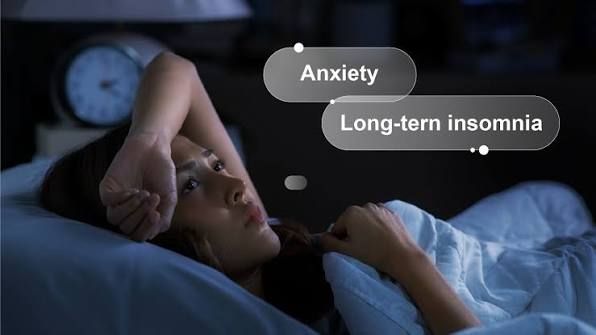
Implementing a rigid sleep schedule is as much a mental challenge as it is a physical one. When you suffer from chronic sleep issues, bedtime becomes a source of anxiety. The thought of deliberately staying awake until 1:00 AM can feel overwhelming. However, understanding the psychology of insomnia can help you navigate this transition. Insomnia thrives on effort; the harder you try to sleep, the more awake you feel. By limiting your time in bed, we remove the pressure to sleep. If you are only allowed to be in bed for 5.5 hours, you no longer spend hours trying to force sleep—instead, the natural biological drive takes over.
During this challenging adaptation phase, having access to clear, objective data is incredibly reassuring. When you wake up feeling tired, your mind might tell you that the therapy is failing. However, checking your biometric trends can show a different story. You might notice that while your total sleep time is shorter, your Deep Sleep duration has actually increased, or your heart rate reached its resting baseline much earlier in the night. This objective feedback shifts your focus away from anxious thoughts and grounds you in real physiological progress.
As you progress with cognitive behavioral therapy for insomnia, you will gradually begin to expand your sleep window. Once your sleep efficiency consistently reaches 85% to 90% over a weekly average, you can safely add 15 minutes to your sleep window by moving your bedtime 15 minutes earlier. Maintain this new schedule for a week. If your sleep efficiency remains high, you can add another 15 minutes. If your efficiency drops below 80%, you tighten the window by 15 minutes to rebuild that sleep pressure.
This methodical approach ensures that you never slip back into the habit of lying awake in bed. Over several weeks, you will find your optimal sleep window—the perfect balance where you fall asleep within 15 minutes of your head hitting the pillow and wake up feeling genuinely refreshed and restored.
Empower Your Sleep with the Herz P1 Smart Ring
Ditch the bulky screen-heavy trackers. Get medical-grade biometric insight into your REM, Deep, and Light sleep stages without subscription fees or nightly charging hassles.
Your Sleep Restriction Checklist
To help you stay on track, use this quick daily checklist to guide your journey back to healthy sleep:
- Determine Your Window: Calculate your average sleep time from the past week and set this as your strict bed window.
- Anchor Your Wake-Up: Pick a fixed wake-up time and set your alarm. Do not change this on weekends.
- Calculate Bedtime: Count backward from your wake-up time to find your exact bedtime.
- No Early Bedtime: Stay out of the bedroom until your calculated bedtime, even if you feel tired.
- Eliminate Naps: Avoid sleeping during the day to preserve homeostatic sleep pressure.
- Monitor Biometrics: Check your weekly sleep efficiency and HRV trends using a comfortable tracker like the Herz P1 Smart Ring.
- Adjust Gently: Only increase your time in bed by 15-minute increments when your weekly efficiency consistently exceeds 85%.
Conclusion
Overcoming chronic insomnia requires moving past temporary quick fixes and embracing strategies that target your body’s natural sleep mechanics. By consolidating your sleep schedule and utilizing screen-free, subscription-free tracking tools like the Herz P1 Smart Ring, you can successfully navigate this journey. Respect your body’s natural sleep drive, stay consistent with your wake-up times, and give your biological clock the structure it needs to thrive. You deserve deep, restorative sleep—and with patience, consistency, and the right tools, you can reclaim it.
Disclaimer: Results may vary depending on individual physical activity levels, unique health conditions, and daily tracking patterns. This article is for informational purposes only and does not constitute medical advice. Consult with a qualified healthcare professional before beginning any new behavioral therapy or sleep protocol.
