

How to Rotate and Flip Your Mattress for Better Sleep and Longevity
Waking up at 3 AM with a racing mind, stiff joints, and brain fog is a frustrating experience. While we often blame stress, the physical surface beneath us is frequently the silent culprit. Determining if should you flip your mattress or rotate it is key to restoring spinal alignment and optimizing your sleep metrics naturally.
Take Back Your Sleep.
Take Back Your Life.
- Fall asleep faster & sleep deeper
- Stop waking up in the middle of the night
- Wake up refreshed & full of energy
Key Highlights:
- Construction Dictates Care: Traditional double-sided mattresses require flipping and rotating, whereas modern one-sided designs should only be rotated.
- Prevent Body Impressions: Regularly rotating your sleeping surface prevents sagging, which is a major contributor to spinal misalignment and micro-arousals.
- Sleep Metric Connection: Deep sleep quality and Heart Rate Variability (HRV) drop significantly when the body continuously adjusts to an uneven surface.
- Track Your Improvements: Using a comfortable, screen-free wearable can help you verify how mattress adjustments improve your actual recovery score.
Table of Contents
The Ultimate Guide: Should You Flip Your Mattress or Rotate It?
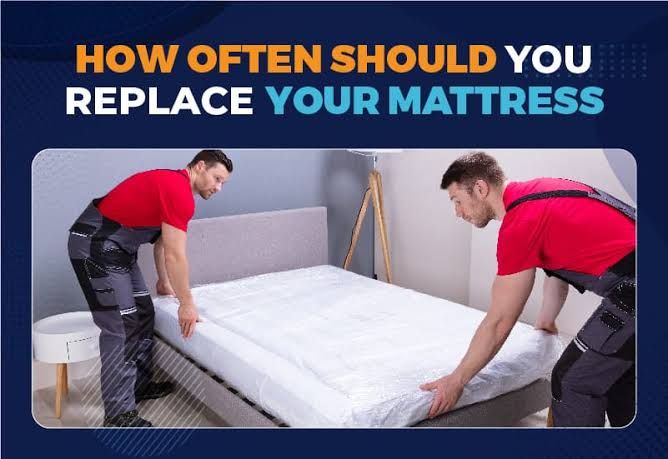
When you sit on the edge of your bed, do you sink deeper than you used to? Or maybe you have noticed a permanent valley in the center of the bed where your lower back usually rests. If you are experiencing these physical changes, the question of should you flip your mattress is highly relevant. Over time, the layers of comfort foam and coiled springs compress under our body weight. This leads to structural degradation, which ruins your sleeping posture and forces your muscles to work overtime even while you are unconscious.
At Team Mind Body Dan, we focus on identifying the physical, environmental, and behavioral bottlenecks that disrupt human recovery. Before you commit to a lifestyle change, you must evaluate the mechanical foundation of your sleep hygiene. To answer the query, should you flip your mattress, we must look closely at how the mattress was built.
Prerequisites: Know Your Mattress Anatomy
Modern beds are engineered differently than the traditional mattresses of a few decades ago. If you own an older double-sided model, the response to should you flip your mattress is a resounding yes. These older designs contain identical comfort structures on both the top and bottom. However, if your mattress has a pillow top, memory foam layers, or a hybrid layout, the answer to should you flip your mattress is different. Flipping a modern, one-sided mattress would place the hard, structural support core on top and the soft memory foam layers on the bottom, rendering the mattress uncomfortable and damaging its internal layers.
Therefore, understanding whether you should rotate mattress setups instead of flipping them is critical to extending their longevity. While flipping mattress systems is reserved for dual-sided constructions, the act of rotating—meaning turning the bed 180 degrees from head to toe—is beneficial for nearly every mattress type on the market today.
Quick Rule of Thumb for Your Mattress Type
- Innerspring (Double-Sided): Flip and rotate every 3 to 6 months.
- Memory Foam / Latex (One-Sided): Do not flip. Rotate 180 degrees every 6 months.
- Hybrid (Coils + Foam): Do not flip. Rotate 180 degrees every 3 to 6 months to prevent sagging where heavy body parts rest.
- Pillow-Top: Do not flip. Rotate 180 degrees every 3 months.
Step-by-Step Execution Guide: How to Turn a Mattress
If you have determined that your mattress is suitable for rotation or flipping, executing this chore safely will protect both your spine and the mattress core. Here is how to turn a mattress without damaging its interior or throwing out your back:
- Clear the Area: Remove all pillows, blankets, and sheets. Ensure the surrounding floor space is free of bedside tables or breakable items.
- Check the Direction: If you are performing a simple rotation, pull the mattress slightly away from the headboard, spin it 180 degrees, and realign it with the frame.
- The Flipping Maneuver: If you are working with a flippable model, lift the mattress on its side, slide it across the bed base, and let it down on the opposite side before rotating it 180 degrees to equalize wear.
- Evaluate the Support Base: While the mattress is shifted, examine your slatted foundation or box spring. A sagging foundation can mimic a worn mattress and ruin your spinal alignment.
- Verify the Structural Integrity: Check the surface for deep indentations. If a rotation does not eliminate the physical valleys in the foam, it may be time to replace the mattress.
When implementing these physical changes, it helps to track how they affect your actual sleep quality. Rather than relying on guesswork, a screen-free biometric tool like the Herz P1 Smart Ring provides objective feedback. Its lightweight, medical-grade titanium construction measures your sleep phases and recovery patterns without the distraction of an active display screen or a heavy watch band on your wrist.
Common Pitfalls & Mistakes
- Attempting to Flip One-Sided Beds: This is a common mistake. If you ask yourself, should you flip your mattress, and it has a built-in pillow top, flipping it will crush the soft layers and leave you sleeping on a rigid support foundation.
- Neglecting Helper Safety: Mattresses are surprisingly heavy and awkward to handle. Do not attempt a rotation or flip on your own if the mattress is heavy. Always ask a family member or friend for assistance to avoid injury.
- Ignoring the Foundation: Placing a brand-new or newly rotated mattress on a broken, worn-out foundation will cause it to sag prematurely, regardless of how often you turn it.
- Relying on Screen-Heavy Trackers: Wearing a bulky smartwatch to check your sleep metrics can introduce blue light, which can disrupt melatonin production. Focus instead on screen-free tracking methods.
Your Bedding Care Checklist
To help you stay organized, keep this quick checklist in mind when managing your mattress rotation schedule:
| Action Item | Frequency | Primary Goal |
|---|---|---|
| Rotate Mattress 180° | Every 3–6 Months | Even out body impressions |
| Flip Double-Sided Bed | Every 6 Months | Restore comfort layer shape |
| Inspect Foundation Support | Once a Year | Ensure flat, solid backing |
| Track Sleep & HRV Changes | Daily (with Smart Ring) | Correlate mattress care to sleep quality |
Ultimately, answering the question of should you flip your mattress requires analyzing its structural construction. While double-sided systems require a physical flip, modern one-sided systems require a simple rotation to keep you supported. Taking these small steps will help protect your back and promote restorative sleep.
How Physical Support Directly Impacts Your HRV

When we discuss sleep quality, we often talk about caffeine intake, blue light, or temperature. However, the physical support of your mattress has a direct, measurable impact on your cardiovascular recovery and autonomic nervous system. To understand this connection, we need to look at Heart Rate Variability (HRV) and how sleep stages are disrupted when your bed is uneven.
When you lie on a sagging mattress, your spine falls out of alignment. If you do not should you rotate your mattress regularly, your pelvis sinks too deep, compressing your lower back. In response, your muscles tighten to protect the spinal cord. This continuous muscular engagement keeps your body in a low-grade state of physical stress.
This structural stress prevents your body from fully transitioning into parasympathetic (rest-and-digest) dominance, which leads to a lower nighttime HRV. A low HRV indicates that your autonomic nervous system is struggling to recover from daily stress. On the other hand, a higher HRV is a sign of a well-rested, resilient body. By understanding when and how to rotate or flip your mattress, you can improve physical support, lower muscle tension, and naturally support healthy HRV recovery trends.
Physical Sinking vs. Neurological Arousal
If your sleep setup is uneven, you may suffer from non-restorative sleep signs. Even if you don’t fully wake up, physical discomfort causes micro-arousals. These are brief spikes in brain activity that shift you from deep sleep or REM sleep back into light sleep. These frequent transitions disrupt your sleep architecture, leaving you dealing with morning brain fog remedies that only mask the symptom rather than addressing the physical cause: an unsupported spine.
To help visualize this, let’s look at how spinal alignment impacts sleep stages:
- Deep Sleep (Stage 3 NREM): This is when your body repairs tissue and releases growth hormones. Physical discomfort can pull you out of deep sleep, leaving your muscles feeling sore and unrecovered.
- REM Sleep: Important for memory consolidation and emotional processing. Micro-arousals caused by physical discomfort can disrupt your dreams and limit your cognitive recovery.
- Autonomic Balance: Proper spinal support allows your heart rate to drop and your HRV to rise, helping you wake up feeling genuinely refreshed.
Choosing Screen-Free Biometrics to Validate Your Recovery
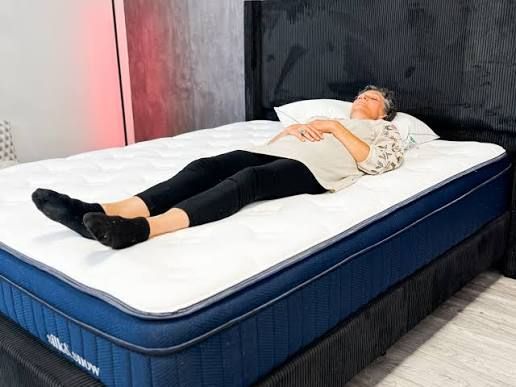
If you are working to optimize your sleep, you may be tempted to track your metrics using a modern smartwatch. However, screen-heavy devices present their own challenges. Checking a screen on your wrist can expose you to stimulating light, and charging a bulky smartwatch daily can be a chore. Additionally, many fitness trackers come with expensive monthly subscription fees to access your own sleep data.
This is where screen-free health trackers, such as the Herz P1 Smart Ring, offer a distinct advantage. This premium, subscription-free wearable is designed to deliver medical-grade biometric insights without the distraction of an active display screen. Its lightweight titanium design sits comfortably on your finger, allowing you to monitor your sleep without adding bulk or light to your bedtime routine.
The Screen-Free Tracking Paradigm
By removing screens from your bedroom, you support natural melatonin production and protect your circadian rhythm. True recovery begins when you disconnect from digital noise and allow your body to rest naturally.
Focusing on screen-free sleep hygiene is an effective way to protect your body’s natural rest cycle. By using an elegant smart ring, you can easily track how physical changes, like rotating your mattress or adjusting your optimal sleeping temperature, influence your rest. This data-informed approach helps you find the right balance for your recovery.
Correlating Bed Support to Biometric Shifts
Once you begin tracking your rest, you can look for patterns in your sleep data. For example, if you see a drop in your daily recovery score guide metrics, it may be a sign that your bedding setup needs attention. Keeping an eye on these trends helps you make timely adjustments:
- Establish a Biometric Baseline: Wear your smart ring for two weeks to establish your baseline sleep architecture, average HRV, and deep sleep ratios.
- Perform a Bed Rotation: Rotate your mattress 180 degrees to restore physical support and spinal alignment.
- Monitor Your Recovery Trends: Over the next week, watch your heart rate and sleep phases to see if your deep sleep cycles lengthen and your micro-arousals decrease.
- Fine-Tune Your Sleep Environment: If your recovery metrics remain low, you can adjust other factors, such as light levels or room temperature, to find what works best.
- Keep a Consistent Routine: Regular mattress care, combined with tracking your circadian rhythm alignment, supports healthy, restorative sleep over the long term.
Making simple, mindful changes to your sleeping surface can lead to noticeable improvements in your sleep quality. Monitoring your rest with a screen-free biometric tool allows you to make adjustments based on your own body’s feedback, helping you wake up feeling truly restored.
Disclaimer: Results may vary depending on individual physical activity levels, unique health conditions, and daily tracking patterns. The content provided in this article is for informational purposes only and is not intended to substitute for professional medical advice, diagnosis, or treatment. Always consult with a qualified healthcare professional regarding any medical questions or concerns.
