

What Mattresses Do Hotels Use for Ultimate Comfort?
Struggling with non-restorative sleep and foggy mornings? Many of us look to luxury hotels for the answer, wondering what mattresses do hotels use to deliver such blissful rest. While upgrading your bed is vital, pairing it with screen-free biometric tracking like the Herz P1 Smart Ring helps verify if your new setup is truly deep-cleaning your brain each night.
Take Back Your Sleep.
Take Back Your Life.
- Fall asleep faster & sleep deeper
- Stop waking up in the middle of the night
- Wake up refreshed & full of energy
- The Hybrid Secret: Most luxury hotels rely on custom-designed hybrid innerspring and pocket-coil mattresses with plush pillow-tops.
- Brand Partnerships: Top chains partner with legacy manufacturers like Serta, Beautyrest, and Tempur-Pedic to build commercial-grade, double-sided beds.
- Tactile Layers: High-thread-count cotton sheets, down duvets, and temperature regulation create the signature “sleeping on a cloud” feeling.
- Biometric Connection: Tracking sleep cycles (REM, Deep) and HRV allows you to scientifically measure if your bedding upgrades are actually resolving non-restorative sleep.
The Sleep Oasis: What Mattresses Do Hotels Use to Deliver Elite Comfort?
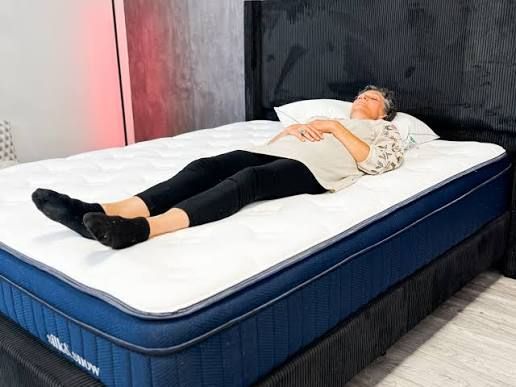
Quick Answer
Yes, luxury hotel beds really are different. The short answer is that most high-end hospitality brands use custom-engineered hybrid or innerspring mattresses designed in partnership with premier brands like Serta, Simmons Beautyrest, and Tempur-Sealy. However, to choose the right product for your own home, you need to understand that hotels focus on medium-firm tactile configurations coupled with heavy-duty edge support and plush top layers to accommodate every sleeping posture.
Detailed Explanation
Have you ever checked into a hotel room after a exhausting day of travel, collapsed onto the bed, and woke up the next morning feeling incredibly refreshed? That experience often leaves people asking, what mattresses do hotels use, and why does my home mattress make me feel stiff and sluggish by comparison?
The secret to hotel mattresses lies in their deliberate construction. Unlike consumer-facing retail models, which are often single-sided and tailored for highly specific sleep preferences, commercial hotel beds are built to be heavy-duty crowd-pleasers. They are typically double-sided (allowing the hotel staff to flip and rotate them to preserve their structural integrity) and feature dense pocketed coil systems.
These pocketed coils provide robust deep-compression support, keeping your spine aligned whether you sleep on your back, side, or stomach. To balance this heavy-duty core, hotels add a thick, breathable pillow-top or Euro-top layer made of premium foam or gel-infused memory foam. This unique combination contours to your pressure points while maintaining an active push-back, preventing that “sinking into quicksand” feeling that causes tossing and turning.
Additionally, hotels pay great attention to temperature regulation. Traditional memory foam traps body heat, causing micro-arousals during the night where you awaken sweating at 3 AM. Commercial-grade hybrids resolve this by pairing highly breathable open-cell foams with structural coils that naturally encourage continuous airflow.
When to Use vs. Not to Use Hotel-Style Mattresses
While mimicking a luxury hotel suite sounds ideal, it is important to evaluate if this specific setup matches your personal physiological profile:
- When to Use: If you are a back or combination sleeper who values a balanced, “floating” feel. It is also excellent for couples, as pocketed-coil commercial beds offer exceptional motion isolation, meaning your partner’s shifts won’t wake you.
- When Not to Use: If you are an ultra-lightweight side sleeper who requires deep, sink-in shoulder contouring. In this case, a standard medium-firm hotel hybrid might feel too rigid, and a dedicated soft latex or high-density memory foam bed would serve your skeletal structure better.
Suggested Solutions & Reclaiming Your Sleep Architecture
To recreate this luxury at home, you can purchase mattresses directly from hospitality collection lines (such as the Westin Heavenly Bed or the Marriott Bed). However, buying a new mattress is only half the battle. If your mind is racing at night or your autonomic nervous system is stressed, even a $5,000 hotel mattress won’t prevent non-restorative sleep.
To understand if your sleep environment is truly supporting your physical recovery, you need objective data. This is where many wellness enthusiasts run into a frustrating operational issue: typical smartwatches are bulky, uncomfortable to wear in bed, and demand daily charging. Their glowing screens can also create a bad habit cycle—urging you to check your notifications if you wake up at 3 AM, which only spikes your cortisol and further delays sleep.
At Team Mind Body Dan, we recommend a screen-free approach to sleep tracking. The Herz P1 Smart Ring is an elegant, ultra-lightweight titanium wearable that sits comfortably on your finger. Because it lacks a screen, it completely eliminates sleep-disrupting blue light and midnight distractions.
The Herz P1 uses medical-grade biometric sensors to map your Sleep Stages (REM, Deep, and Light), tracks your Heart Rate Variability (HRV), and translates these complex algorithms into an intuitive daily Recovery Score. Best of all, it is subscription-free—meaning you buy it once and own your physiological data forever.
Frequently Asked Questions
Q: Can you buy actual hotel mattresses?
A: Yes, most major luxury chains (like Ritz-Carlton, Westin, and Hilton) sell their signature mattresses directly to the public through their online boutique stores.
Q: Why do hotel beds feel softer than retail beds?
A: Hotels use thick, plush mattress pads, high-quality featherbeds, and crisp sheets stretched tight to create an initial layer of cloud-like softness, while the medium-firm mattress underneath provides structural support.
Q: How do I know if my mattress is ruining my sleep quality?
A: If you wake up with lower back pain, feel sluggish despite spending eight hours in bed, or consistently show low Deep Sleep or suppressed HRV scores on your tracking device, your mattress may be failing to support your body correctly.
The Tactile and Physiological Science: Why Are Hotel Beds So Comfortable?
To truly understand the answer to what mattress do hotels use, we must look beyond the steel coils and foam layers. The magic of a luxury bed is rooted in how the sensory environment interacts with human biology.
When we investigate why are hotel beds so comfortable, we uncover a multi-sensory strategy designed to lower physical stress markers:
- The “White Bed Effect” and Visual Calm: Walking into a room and seeing a perfectly made, crisp white bed triggers a powerful psychological cue. White linens signal hygiene and safety, helping to soothe a racing mind and lower your resting heart rate even before your head hits the pillow.
- Breathable Microclimates: Luxury hotels rarely use cheap, synthetic materials. They opt for high-thread-count 100% cotton sheets, which pull heat and moisture away from your skin. This cooling effect supports the body’s natural circadian drop in core temperature, a necessary trigger for entering Deep Sleep.
- Progressive Resistance: By using a medium-firm foundation topped with thick, luxurious bedding layers, hotels achieve “progressive resistance.” The initial touch is soft and pressure-relieving, while the deeper layers provide the skeletal alignment needed to prevent micro-arousals.
During a healthy night’s sleep, your brain cycles through Light, Deep, and REM sleep. Deep sleep is when cellular repair, muscle growth, and immune system rejuvenation occur. If your mattress is too firm, pressure points build up, causing physical discomfort that triggers micro-arousals. You might not remember waking up, but your cardiovascular system registers the stress, resulting in lower Heart Rate Variability (HRV) and that familiar feeling of morning brain fog.
When you are trying to understand what mattress do hotels use, remember that their ultimate goal is to eliminate these physical interruptions. When you pair high-quality bedding with screen-free health trackers, you can see these physiological changes reflected in your daily metrics.
For example, a sudden increase in deep sleep duration or a more stabilized overnight heart rate trend can validate that your body is thoroughly recovering. By tracking these subtle shifts, you can make informed adjustments to your lifestyle without feeling overwhelmed by complicated data.
Recreating the Hotel Sleep Sanctuary at Home

Now that we have revealed why are hotel beds so comfortable, you can apply these hospitality-grade design principles to your own bedroom:
- Start with a Supportive Hybrid Base: If you are researching what mattresses do hotels use, prioritize pocketed coil hybrid models that offer a medium-firm feel. This provides a versatile foundation for any sleeping position.
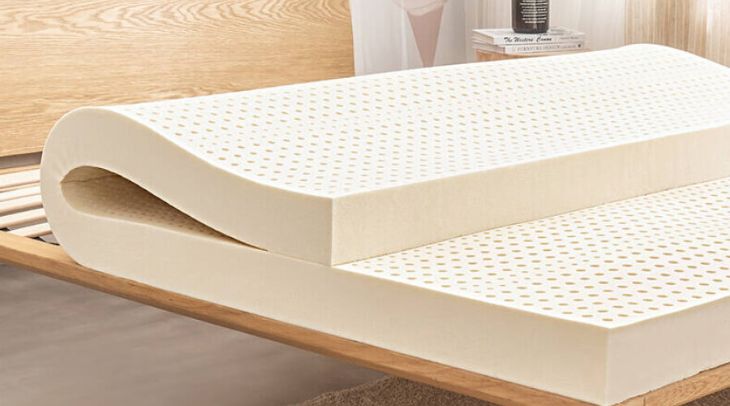
- Add a Premium Pillow-Top Mattress Pad: You don’t necessarily need to replace your entire mattress. A high-density latex or gel memory foam mattress topper (2 to 3 inches thick) can instantly give your existing bed that plush, luxury hotel feel.
- Invest in Long-Staple Cotton Linens: Choose 100% long-staple cotton sheets with a percale or sateen weave. Keep the thread count between 300 and 500—anything higher often reduces breathability, trapping heat and disrupting your deep sleep cycles.
- Prioritize Screen-Free Sleep Hygiene: The ultimate luxury is a peaceful mind. Keep televisions, bright smartwatches, and smartphones out of the bedroom. Use screen-free alternatives to track your sleep trends to avoid bedtime light stimulation.
Ditch the Bulk, Reclaim Your Recovery
Recreating the tactile secrets of hotel mattresses is only the first step. To truly conquer morning fatigue and brain fog, you must keep an eye on your inner biometrics. Why track your recovery with a bulky, glowing screen that disrupts your calm?
The titanium, screen-free Herz P1 Smart Ring tracks your heart rate variability (HRV), sleep stages, and skin temperature trends in total comfort. With zero subscription fees and an elegant, featherlight profile, it is the ultimate tool to guide your wellness journey.
When you design your bedroom as a distraction-free sanctuary, you naturally encourage your body to rest. Monitoring these subtle biological shifts with a simple, screen-free wearable allows you to see the real-world impact of your new bedding choices on your sleep stages and daily recovery.
Whether you choose to bring home the secrets of luxury hotel mattresses or simply refine your nightly routines, focusing on both your environment and your recovery metrics is the most reliable path to waking up refreshed, clear-headed, and full of life.
Disclaimer: Results may vary depending on individual physical activity levels, unique health conditions, and daily tracking patterns. The content offered by Team Mind Body Dan is for educational purposes only. It is not intended to track, monitor, or serve as a substitute for professional medical advice. Always consult your physician regarding any concerns about your physical wellness or sleep issues.
