

What Is Sleep Bruxism and Why Do You Grind Your Teeth?
Do you wake up with a sore jaw, dull headache, or mysterious fatigue? You might be experiencing sleep bruxism. This subconscious nocturnal muscle activity affects millions. By monitoring biometrics like HRV and Sleep Stages with the Herz P1 Smart Ring, you can decode your body’s stress signals.
Take Back Your Sleep.
Take Back Your Life.
- Fall asleep faster & sleep deeper
- Stop waking up in the middle of the night
- Wake up refreshed & full of energy
- Nervous System Link: Sleep bruxism is closely tied to stress-induced sympathetic nervous system arousal, not just structural dental issues.
- The Biometric Connection: Tracking variables like Heart Rate Variability (HRV) and resting heart rate patterns can reveal night-time stress markers.
- Micro-Arousals: Teeth grinding frequently occurs during transition periods between deep, light, and REM sleep stages.
- Comfort-First Monitoring: A screen-free titanium smart ring is highly effective for long-term health tracking without screen distractions or bulky watch bands.
1. Understanding the Roots of Sleep Bruxism
Quick Answer
Yes, clenching or grinding your teeth is often a direct physical response to overnight stress and autonomic nervous system micro-arousals. The short answer is that sleep bruxism is a complex, sleep-related movement pattern. To choose the right tracking and recovery strategies, you must understand how your lifestyle, daily stress levels, and sleep architecture shape this involuntary nighttime habit.
Detailed Explanation
Many people associate teeth grinding solely with dental misalignment. However, sleep research reveals a much deeper, neurological story. Categorized as a sleep-related movement disorder, sleep bruxism involves the involuntary clenching or grinding of the jaw during sleep. There are two primary types: awake bruxism (often linked to focus or stress) and night bruxism, also referred to as nocturnal bruxism.
When you sleep, your brain transitions through various sleep stages—ranging from deep, restorative sleep to light sleep and Rapid Eye Movement (REM) sleep. During these transition periods, your central nervous system may experience temporary spikes in activity, known as micro-arousals. If your body is under physical or emotional stress, these micro-arousals trigger the sympathetic nervous system (your “fight-or-flight” response). In response, the jaw-closing muscles—specifically the masseter muscles—contract forcefully.
When you grind teeth sleeping, your teeth can wear down, leading to painful structural damage, temporomandibular joint (TMJ) discomfort, earaches, and chronic headaches. Some people are completely unaware they are doing it, only learning about their nocturnal bruxism when a bed partner complains about the harsh grinding sound, or when they wake up at 3 AM experiencing a racing mind, a sore jaw, and non-restorative sleep.
In many wellness circles, this condition is misspelled as bruxsim, but regardless of spelling, its toll on daily vitality is undeniable. It is more than a dental habit; it is a sign that your body is having trouble downshifting into deep recovery modes.
When to Monitor This Issue
- Monitor: If you regularly wake up with tight jaw muscles, chronic morning headaches, or unexplained neck stiffness.
- Monitor: If you experience frequent nighttime awakenings accompanied by tension, high resting heart rate, or low energy scores.
- Consult a Dentist: If you notice visible wear on your tooth enamel, cracked dental work, or severe TMJ pain.
Suggested Recovery Solutions
To address the underlying causes of sleep bruxism, it is helpful to monitor your daily biometric patterns. Traditional smartwatches can be heavy, uncomfortable to wear to bed, and have glowing screens that can trigger cortisol production when you wake up in the night.
We recommend exploring screen-free biometric solutions. The Herz P1 Smart Ring offers a lightweight titanium alternative. It sits comfortably on your finger, tracking heart rate, Sleep Stages, and Heart Rate Variability (HRV) throughout the night. It presents clear, actionable trends, helping you connect stressful days with restless nights—all with no monthly subscription fees.
Section 1 FAQ
Q: Can caffeine intake make teeth grinding worse?
A: Yes. Stimulants like caffeine and nicotine can elevate heart rate and increase muscle tension, which may exacerbate teeth grinding during sleep.
Q: Does a mouthguard stop you from grinding your teeth?
A: A dental mouthguard protects your teeth from physical wear and tear, but it does not stop the underlying muscle contractions driven by the nervous system.
Q: How does tracking sleep stages help with bruxism?
A: Monitoring sleep stages allows you to see if you are missing out on deep or REM sleep due to micro-arousals, helping you focus your stress recovery efforts.
2. The Neurological Connection: How Stress and HRV Shape Nighttime Grinding
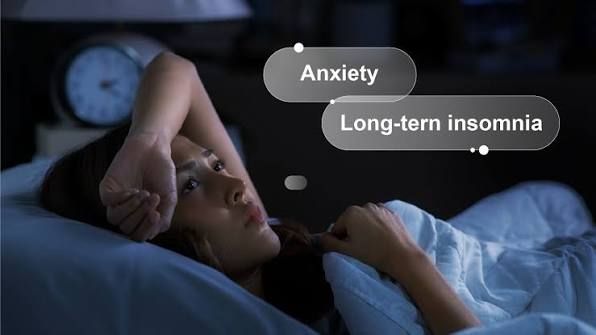
When investigating the nocturnal bruxism triggers, we often find a dysregulated autonomic nervous system. Your nervous system operates on a sliding scale. On one end is the sympathetic nervous system (fight-or-flight), and on the other is the parasympathetic nervous system (rest-and-digest). During optimal sleep, your parasympathetic system should be dominant. This keeps your heart rate low, relaxes your skeletal muscles, and promotes cellular recovery.
However, high daytime stress levels can carry over into your sleep. When this happens, the sympathetic nervous system remains active, leading to teeth grinding during sleep. This physical tension is closely tied to biometrics you can monitor, such as Heart Rate Variability (HRV).
Demystifying HRV and Night Restlessness
Heart Rate Variability (HRV) is the variation in time between consecutive heartbeats, measured in milliseconds. This metric is a strong indicator of autonomic nervous system balance:
- A Higher HRV: Suggests your body is adapting well to stress, reflecting active parasympathetic dominance and healthy physical recovery.
- A Lower HRV: Indicates your body is under stress, with the sympathetic nervous system working overtime. This state is frequently linked to jaw clenching, micro-arousals, and poor sleep quality.
By monitoring your nightly HRV, you can observe how daily stress impact your rest. This makes tracking your HRV trends a valuable way to monitor the underlying physiological markers associated with teeth grinding.
Many people trying to track sleep quality find that heavy, glowing smartwatches actually disrupt their rest. Traditional fitness trackers often require daily charging, feel bulky on the wrist, and have screens that emit bright blue light when you move at night. In contrast, the Herz P1 Smart Ring is made from featherlight, medical-grade titanium. It offers subscription-free sleep stage and HRV tracking, allowing you to monitor your health markers without screens or bulk.
Micro-Arousals and Sleep Architecture
Sleep is not a flat, unchanging state. It consists of multiple 90-to-120-minute cycles containing Light Sleep, Deep Sleep, and REM Sleep. Deep sleep is when your muscles recover, while REM sleep supports memory and emotional processing.
Research indicates that teeth-grinding events rarely happen during deep sleep. Instead, they occur most often during transitions into lighter sleep stages or REM sleep. These transitions are naturally prone to micro-arousals. If your body is already under elevated stress, these brief arousals can trigger intense jaw contractions, leading to disrupted rest and waking up feeling unrefreshed.
3. Practical, Daily Habits to Support Sleep and Recovery

Developing a more mindful approach to your evenings can help you manage the physical tension associated with clenching and grinding. Here are several practical, drug-free strategies to help calm your nervous system before bed:
1. Establish a Screen-Free Wind-Down Routine
The blue light from phones, tablets, and TVs signals to your brain that it is still daytime, suppressing melatonin production and elevating your resting heart rate. Try to disconnect from all screens at least 60 minutes before bed. Swap screen time for reading, journaling, or listening to relaxing music to help transition your nervous system into rest-and-digest mode.
2. Practice Warm Compresses and Jaw Massage
Applying a warm, damp cloth to your cheeks before bed can help soothe and relax the masseter muscles. Follow this with a gentle jaw massage: place your fingers on your jaw joints (just in front of your ears), press lightly, and make small circular motions. This simple routine helps release physical tension built up during the day.
3. Monitor Sleep Quality with a Dedicated Device
You cannot manage what you do not track. Consistent wellness tracking can help you see which habits actively support your overnight recovery. This is where comfortable, long-term monitoring tools can make a real difference.
Monitor Your Body’s Rest with the Herz P1 Smart Ring
By tracking your deep sleep trends, average heart rate, and nightly HRV patterns, the Herz P1 provides a detailed picture of your body’s recovery. This sleek, subscription-free titanium ring helps you track your health markers without the burden of bulky smartwatches or screen alerts.
How Biometric Trends Guide Your Recovery Journey
When tracking your rest, look at the big picture rather than worrying about individual nights:
- Your Recovery Score: This combined metric reflects your sleep quality, HRV, and daily activity. A low recovery score suggests your body is under stress, making physical relaxation routines particularly beneficial.
- Resting Heart Rate (RHR) Trends: An elevated overnight RHR often indicates that late meals, alcohol, or stress are keeping your sympathetic nervous system active, potentially leading to more frequent clenching.
- Sleep Consistency: Going to bed and waking up at the same time helps stabilize your biological clock, reducing micro-arousals and supporting smoother transitions between sleep stages.
By making gradual lifestyle changes and monitoring your body’s biometrics, you can build a clearer understanding of your sleep quality and take practical steps toward deeper, more restorative rest.
