

4 Non-Invasive Wearable Monitors for Tracking Sleep Apnea Symptoms and Oxygen Trends
Waking up at 3 AM with a racing mind and dry mouth? These common sleep apnea symptoms point to hidden nightly struggles. While only professionals evaluate sleep disorders, non-invasive trackers help you monitor nightly trends. The screen-free, subscription-free Herz P1 Smart Ring tracks sleep stages and blood oxygen levels comfortably.
Take Back Your Sleep.
Take Back Your Life.
- Fall asleep faster & sleep deeper
- Stop waking up in the middle of the night
- Wake up refreshed & full of energy
- Core Symptoms: How to recognize snoring, morning exhaustion, and gasping for air.
- The Nausea Connection: Investigating if sleep apnea nausea is a warning sign of night-time oxygen drops.
- Tracking Solutions: Comparing smart rings, smartwatches, and clinical fingertip pulse oximeters.
- Screen-Free Recovery: Why the Herz P1 Smart Ring offers a comfortable, subscription-free way to log sleep trends.
Evaluating the Best Sleep Tracking Tools for Home Monitoring

Many individuals face a common operational issue: standard wearable trackers are often bulky, uncomfortable to sleep in, and require tedious daily charging. When you are already struggling with non-restorative sleep and 3 AM awakenings, the last thing you need is a bright screen glowing on your wrist or a low-battery buzz waking you up. To find the right fit, we established a rigorous set of criteria for assessing overnight health monitors.
Our Evaluation Criteria
To help you navigate the sea of health trackers, our team evaluated the top market choices based on four key benchmarks:
- Overnight Comfort: Lightweight materials that do not catch on sheets or constrict blood flow.
- Biometric Sensor Accuracy: The ability to track deep sleep, REM sleep, and blood oxygen (SpO2) variations.
- Battery Longevity: Minimal charging needs so you never miss a night of crucial data.
- Financial Transparency: Flat-rate pricing without hidden monthly subscription fees.
Quick Comparison of Sleep Tracking Tools
| Device Type | Overnight Comfort | SpO2 & HRV Tracking | Subscription Fee | Ideal For |
|---|---|---|---|---|
| Herz P1 Smart Ring | Excellent (Light Titanium) | Continuous (SpO2, HRV, Stages) | $0 (Free App Forever) | Screen-free comfort seekers |
| Standard Smartwatch | Fair (Bulky, heavy wristband) | Periodic (High battery drain) | Often requires monthly premium | Daytime fitness runners |
| Bedside Sensor | Good (No wearable needed) | None (Cannot measure blood) | None | Basic sleep environment analysis |
| Fingertip Oximeter | Poor (Slips off easily) | Continuous SpO2 only | None | Short-term spot checking |
Detailed Product Overview
1. Herz P1 Smart Ring (Top Overall Recommendation)
The Herz P1 Smart Ring is a beautifully constructed, subscription-free smart wearable. Crafted from ultra-lightweight titanium, it fits seamlessly onto your finger, completely eliminating wrist sweat and bulky straps. The ring utilizes clinical-grade optical sensors to track continuous heart rate, heart rate variability (HRV), and overnight blood oxygen levels (SpO2)—a critical metric for tracking sleep quality and oxygen tracking.
Strengths: Highly comfortable, no screen distractions, subscription-free, deep HRV and SpO2 trends, battery lasts up to a full week on a single charge.
Weaknesses: Does not have a screen, so you must view your detailed Sleep Score within the accompanying mobile app after waking up.
Ideal User: Health-conscious individuals and busy professionals who want detailed sleep insights without the burden of charging a smartwatch every single day.
2. Standard Multi-Sport Smartwatch
These devices excel at active GPS tracking and run-mapping during the day. However, they are notoriously bulky for bed wear. The bright display can turn on accidentally when you toss and turn, triggering blue-light exposure that disrupts natural melatonin production.
Strengths: Great for daytime fitness, real-time screen notifications, built-in GPS.
Weaknesses: Bulky design disrupts sleep, battery rarely lasts more than 24-48 hours with SpO2 sensors active, and many advanced features are locked behind a paywall.
Ideal User: Athletes who prioritize daytime workout tracking over lightweight, screen-free overnight comfort.
3. Bedside Contactless Sleep Tracker
Sitting on your nightstand, these monitors analyze room noise, respiration rate, and movement using micro-radar technology. They are completely non-contact, which is ideal if you absolutely despise wearing any jewelry or watches.
Strengths: Zero body contact, monitors bedroom air quality and noise disruptions.
Weaknesses: Cannot monitor heart rate variability (HRV) or true blood oxygen levels directly, and accuracy drops if a partner or pet shares your bed.
Ideal User: People who cannot wear anything while sleeping and only require high-level environmental sleep data.
4. Overnight Fingertip Pulse Oximeter
These are clinical tools meant to latch onto your finger to monitor heart rates and blood oxygen levels. While highly accurate for spot-checking, they are cumbersome for active, long-term monitoring over weeks or months.
Strengths: Very high accuracy for SpO2 measurements.
Weaknesses: Slides off easily during movement, lacks companion sleep stage dashboards, and lacks everyday wearability.
Ideal User: Individuals looking to do occasional, short-term overnight checks rather than building long-term health habits.
Buying Guide: What to Look For
When investing in an everyday tracker to monitor sleep trends, prioritize wearability. If a device is uncomfortable, you will end up leaving it on your nightstand, rendering its advanced features useless. Next, pay attention to the software ecosystem. Seek out systems that synthesize complex data like REM, light sleep, and deep sleep stages into simple, daily recovery metrics rather than overwhelming you with endless raw graphs. Finally, watch out for subscription creep; choose brands that do not gate your personal biometric data behind a monthly paywall.
• Best Overall: The Herz P1 Smart Ring delivers premium titanium durability, rich HRV/SpO2 insights, and a subscription-free app, making it the most sensible choice for long-term health tracking.
• Best for Active Athletes: A premium sports smartwatch is still the go-to if you need real-time GPS tracking during outdoor runs.
• Best for Non-Wearable Seekers: A bedside sensor works well if you want a basic overview of your sleep environment without any skin contact.
Understanding Sleep Apnea Symptoms and Hidden Daytime Warning Signs

Sleep-disordered breathing affects millions of individuals worldwide. However, because these events occur while you are asleep, identifying sleep apnea symptoms on your own can be remarkably difficult. Many people live for years with chronic exhaustion, attributing their brain fog to stress, age, or a busy lifestyle, without realizing that their airway is partially collapsing multiple times throughout the night.
Obstructive Sleep Apnea (OSA) occurs when the throat muscles relax excessively during sleep, blockading the flow of oxygen to the lungs. When this happens, your brain recognizes the danger and briefly rouses you from sleep to restart breathing. These micro-arousals can happen dozens of times per hour. You might not remember them, but they completely shatter your sleep architecture, preventing you from reaching restorative deep and REM sleep stages.
— Sarah M., Mind Body Dan Reader
The Comprehensive Sleep Apnea Symptoms List
Being aware of the physical signs can help you understand when it is time to seek professional care. The most common sleep apnea symptoms list includes both night-time signs and daytime consequences:
- Loud, Chronic Snoring: This is one of the most recognizable obstructive sleep apnea indicators, though not everyone who snores has the condition.
- Gasping or Choking for Air: Often reported by a bed partner who observes sudden pauses in your breathing.
- Waking Up with a Dry Mouth or Sore Throat: A natural side effect of mouth-breathing and increased respiratory effort overnight.
- Morning Headaches: Caused by overnight oxygen deprivation and CO2 retention in the blood.
- Severe Daytime Fatigue: Feeling excessively sleepy during quiet activities, such as reading or driving, which are clear signs of sleep-disordered breathing.
- Irritability and Mood Swings: Overlooked cognitive effects stemming from chronic sleep fragmentation.
Connecting the Dots: Sleep Apnea Nausea
One of the most surprising questions we receive from readers is: can sleep apnea cause nausea? The short answer is yes. While most people do not automatically link digestive issues to their breathing, morning headaches and fatigue are frequently accompanied by a sick, unsettled stomach. Experiencing sleep apnea nausea in the morning can be highly distressing, but there are clear physical reasons behind this connection.
First, when you experience a temporary blockage in breathing, your body undergoes intense physical stress. This gasping motion creates negative pressure in your chest cavity, which can physically pull stomach acid up into your esophagus. This acid reflux, or GERD, is highly prevalent in people with sleep disorders and often presents as morning nausea or a sour taste in the mouth.
Second, the sudden drops in blood oxygen levels (hypoxia) trigger a severe “fight-or-flight” stress response from your sympathetic nervous system. This flood of adrenaline and cortisol slows down normal digestion, leading to delayed gastric emptying and gastrointestinal distress upon waking. If you find yourself asking, “why do I wake up feeling sick to my stomach?” keeping an eye out for other sleep apnea symptoms is a logical place to start.
How Biometric Data Translates into Meaningful Recovery Scores
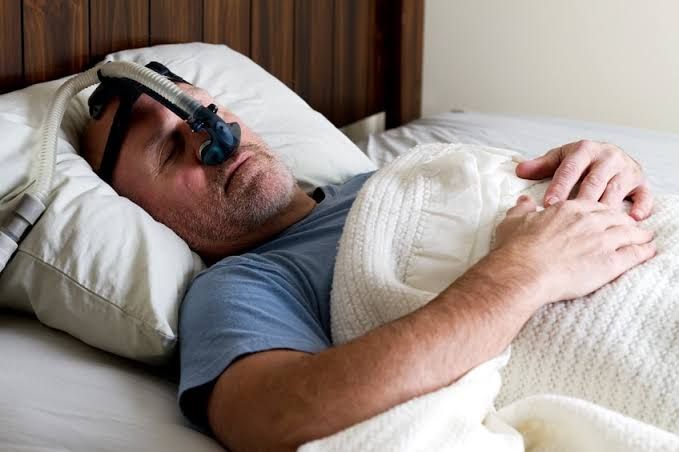
Understanding your sleep health does not require analyzing complex medical charts. Modern biometric sensors translate complex body metrics into simple, actionable daily scores. By tracking your body’s autonomic signals, you can pinpoint exactly how lifestyle factors—like late-night dining, screen exposure, or alcohol consumption—impact your sleep quality.
Demystifying Sleep Stages and HRV
A comprehensive sleep profile looks at several key biometrics to build a complete picture of your overnight recovery:
1. Sleep Stage Analysis (REM, Deep, Light): Each sleep stage plays a unique role in bodily repair. Deep sleep is when your body releases growth hormones, repairs tissue, and strengthens your immune system. REM sleep is critical for memory consolidation, learning, and emotional processing. If you are constantly waking up due to airway blockages, your body is often forced out of deep and REM stages, leaving you physically exhausted and mentally foggy despite spending eight hours in bed.
2. Heart Rate Variability (HRV): Measured in milliseconds, HRV is the variation in time between consecutive heartbeats. It is a direct window into your autonomic nervous system. A higher overnight HRV indicates that your body is in a relaxed, restorative state (parasympathetic dominance). Conversely, a low HRV suggests that your body is under physical stress (sympathetic dominance)—often due to poor oxygenation, alcohol clearance, or systemic fatigue.
3. Daily Activity and Recovery Score: Devices like the Herz P1 Smart Ring combine sleep duration, sleep stages, resting heart rate, and overnight HRV to calculate a single, intuitive Recovery Score. This score tells you how prepared your body is for the day ahead, helping you decide whether to push hard during a workout or take a restful recovery day.
Screen-Free Tracking: The Mindful Path to Rest
For many wellness enthusiasts, smartwatches introduce a frustrating paradox: the screen meant to track your sleep actually ends up disrupting it. Checking notifications in bed or seeing a bright screen light up your dark room can trigger a racing mind, keeping you awake far past your bedtime. This is why we advocate for screen-free tracking methods.
By using a screen-free wearable like a smart ring, you can keep your sleep environment completely analog. There are no flashing lights, buzzing notifications, or digital temptations on your finger. You simply wear the ring, go to sleep, and check your patterns in the morning. It bridges the gap between modern science-backed tracking and the timeless principles of clean sleep hygiene.
If you consistently notice sudden, dramatic drops in your overnight oxygen trends, or if your sleep stages indicate that you are getting almost no deep sleep, it is a clear sign to seek professional evaluation. Understanding when to see a doctor for sleep apnea is key to getting the medical support you need before chronic sleep deprivation impacts your long-term health.
Reclaim Peace of Mind with Screen-Free Biometrics
Say goodbye to bulky watches, glowing screens, and expensive monthly subscriptions. The Herz P1 Smart Ring offers medical-grade biometric tracking in an elegant, featherlight titanium band. Keep your bedroom a sanctuary for sleep.
Disclaimer: Results may vary depending on individual physical activity levels, unique health conditions, and daily tracking patterns. The Herz P1 Smart Ring and other general wellness trackers are designed to monitor trends and support overall well-being. They do not replace clinical diagnostic equipment or professional medical evaluations. If you suspect you are experiencing obstructive sleep apnea or other medical conditions, please consult a qualified healthcare professional.
