

Does a Good Mattress Improve Sleep Quality and Health?
Does a good mattress improve sleep, or is it just clever marketing? The science is clear: the right sleeping surface significantly impacts body alignment and overnight restoration. But how do you know if your mattress is actually working? Tracking your sleep stages and recovery objectively is simple and screen-free with the Herz P1 Smart Ring.
Take Back Your Sleep.
Take Back Your Life.
- Fall asleep faster & sleep deeper
- Stop waking up in the middle of the night
- Wake up refreshed & full of energy
What You Will Learn in This Article:
- How physical support and thermoregulation directly control sleep stages.
- The physiological mechanisms connecting spinal alignment with parasympathetic activation.
- Why relying on subjective feelings can mask poor recovery and how to track sleep objectively.
- A step-by-step framework to evaluate your mattress performance using screen-free biometrics.
The Science of Sleep Surfaces: Does a Good Mattress Improve Sleep?
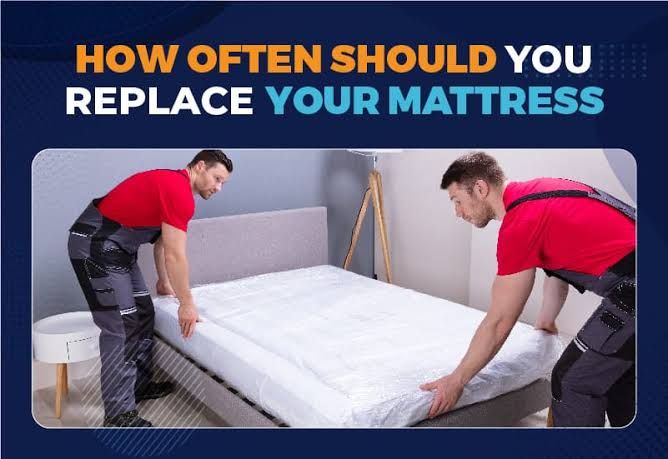
Quick Answer: Yes, a high-quality, supportive sleep surface is foundational to physical restoration. The short answer is that a supportive surface keeps your spine neutral, reduces micro-arousals, and maintains optimal temperature. However, to choose the right setup and verify its impact, you must understand how physical alignment directly translates into deep sleep stages and cardiovascular recovery.
Every night, millions of people crawl into bed hoping to erase the fatigue of a demanding day. Yet, many awaken feeling just as exhausted, struggling with non-restorative sleep, brain fog, and a persistent, dull ache in their lower back. When you experience these symptoms, it is easy to blame lifestyle factors or stress. While psychological factors are highly influential, the physical structure supporting your body for seven to nine hours plays a massive role. So, does a good mattress improve sleep? Absolutely. The mechanical properties of your mattress dictate your skeletal alignment, muscle tension, and vascular pressure throughout the night.
When a mattress loses its structural integrity, it sags, forcing your spine into an unnatural curve. This misalignment puts constant tension on the surrounding paraspinal muscles, preventing them from fully relaxing. Instead of entering deep, restorative sleep, your nervous system remains in a low-grade state of physical stress. You may find yourself tossing and turning, experiencing sudden 3 AM awakenings with a racing mind, completely unaware that your body is searching for a comfortable position. This is where a new mattress sleep improvement comes into play. By providing localized support and contouring, a proper bed distributes body weight evenly, reducing high-pressure zones on the hips, shoulders, and lower back.
Beyond skeletal support, a critical and often overlooked factor is thermoregulation. High-quality mattresses utilize advanced, breathable materials that prevent heat from trapping around your body. During sleep, your core body temperature must drop by approximately one to two degrees Fahrenheit to facilitate deep sleep transitions. If your mattress retains heat, your body struggles to cool down, leading to fragmented sleep stages and reduced REM cycles. Ultimately, upgrading your bed is not about luxury—it is about creating the optimal physical environment to improve sleep quality and health over the long term.
When to Prioritize Mattress Evaluation:
- Symptom Check: If you regularly wake up with lower back stiffness that dissipates within an hour of moving, your mattress is likely failing to support your spine.
- The Age Test: If your mattress is older than 7 to 8 years, its internal support layers have likely degraded, regardless of how clean the exterior looks. Check the mattress replacement guidelines to see if you are overdue.
- The Sleep Log Gap: If you spend 8 hours in bed but wake up feeling exhausted, a poor sleeping surface could be preventing you from accumulating enough deep and REM sleep.
How Do We Know a Mattress Upgrade is Actually Working?
While purchasing a new mattress is a fantastic first step, relying entirely on subjective physical sensations to gauge its success can be misleading. Our minds are prone to the placebo effect, and what feels comfortable for the first ten minutes in a showroom might not translate into optimal recovery over an eight-hour night. To truly verify if your sleep has improved, you need objective, data-informed insights into your physiological recovery. Historically, this meant strapping on bulky smartwatches that emit bright screen notifications, require daily charging, and cause additional sleep disruptions.
Fortunately, modern biometric science has evolved. The optimal way to monitor your adaptation to a new sleep environment is through a screen-free, lightweight wearable that sits comfortably on your finger. We recommend utilizing the Herz P1 Smart Ring. Crafted from premium, ultra-lightweight titanium, this subscription-free smart ring tracks your sleep stages, Heart Rate Variability (HRV), and resting heart rate without the distractions of a typical smartwatch screen. By translating complex algorithmic data into a single, intuitive Daily Recovery Score, it helps you see exactly how a high-quality surface influences your autonomic nervous system.
— Team Mind Body Dan
Frequently Asked Questions About Sleep Surfaces
Q: Does a firmer mattress always mean better support?
A: No. A mattress should match your primary sleeping position. While back and stomach sleepers benefit from firmer support, side sleepers need contouring pressure relief to keep the shoulders and hips aligned. The best mattress for back pain balances spinal alignment with targeted cushion.
Q: How long does it take for my body to adjust to a new mattress?
A: It typically takes between 21 to 30 days for your muscles and spine to adapt to a new sleeping surface. During this phase, tracking your biometric trends can help confirm if your physical recovery is steadily improving.
Q: Can a mattress topper substitute for a brand-new mattress?
A: A mattress topper can adjust the surface comfort (making a bed softer or firmer), but it cannot fix a sagging, structurally compromised mattress underneath. If the base layers have collapsed, a topper will simply follow the sag.
Measuring the Impact: Biometrics of a New Mattress Sleep Improvement

When studying the physical benefits of a bedding upgrade, we look closely at biological biomarkers to quantify success. A high-quality mattress directly influences sleep architecture—the natural progression of your body through different sleep cycles. A new mattress sleep improvement shows up clearly in your overnight biometrics. Let’s break down how a proper surface influences the primary markers tracked by advanced wearable systems:
1. Deep Sleep and Physical Repair
Deep sleep, or slow-wave sleep, is the phase where your body undergoes physical repair. Human Growth Hormone (HGH) is released, tissues heal, and cellular waste is cleared from the brain. If you are sleeping on an unsupportive, lumpy surface, your musculoskeletal system remains under tension. Your brain receives frequent, low-level pain signals from compressed nerves or strained muscles, triggering micro-arousals. While you might not fully wake up or remember these micro-awakenings, they yank you out of deep sleep and push you back into light sleep. A supportive bed minimizes these localized pressure spikes, helping you accumulate longer, uninterrupted deep sleep blocks.
2. Heart Rate Variability (HRV) & Nervous System Balance
Heart Rate Variability (HRV) measures the variation in time between consecutive heartbeats. This metric is a powerful window into your Autonomic Nervous System (ANS). A high HRV indicates a highly adaptable, well-rested autonomic nervous system, showing that your parasympathetic nervous system (the “rest and digest” branch) is in control. Conversely, a low HRV suggests physical stress, fatigue, or poor physical recovery. When your sleeping posture is awkward or painful, your sympathetic nervous system (“fight or flight”) stays active to guard your spine against damage. Over time, this physical guarding depresses your overnight HRV. Upgrading your surface can relieve this physical distress, allowing your parasympathetic nervous system to fully engage, which directly registers as an increase in your baseline HRV.
3. Cardiovascular Load & Resting Heart Rate (RHR)
A highly supportive sleeping posture allows your blood to circulate freely. When you sleep on a mattress that is too hard, high-pressure zones constrict local blood flow. Your heart has to work harder, pumping blood past these physical blockages, which keeps your resting heart rate elevated throughout the night. On a good mattress, your body weight is evenly distributed, vascular resistance drops, and your cardiovascular system can fully rest, leading to a lower, healthier overnight resting heart rate.
Stop Guessing, Start Tracking Your Recovery
Subjective physical feelings can only tell you so much. If you want to see exactly how your mattress change impacts your autonomic balance, you need to monitor your biometrics without bulky, bright-screened distractions. The screen-free titanium design of the Herz P1 Smart Ring offers medical-grade sleep-stage tracking with zero subscription fees.
Choosing Your Ideal Setup: From Bedding to Intelligent Tracking

If you are ready to address your chronic exhaustion, combining environmental improvements with a reliable tracking method is the most efficient path. Let’s outline the core steps to optimizing your bed setup while tracking your restorative sleep metrics:
Step 1: Match Your Sleeping Position to Your Mattress
Spinal alignment is highly personal. If your posture is out of alignment, your muscles will work overtime all night, preventing restorative sleep. Use these basic alignments to find the best sleeping surface for your specific needs:
- Side Sleepers: Seek medium to medium-soft beds (memory foam or hybrid) that allow your shoulders and hips to sink just enough to keep your spine straight.
- Back Sleepers: Need a medium-firm mattress that supports the lower lumbar region without letting the hips sag too deeply.
- Stomach Sleepers: Benefit from a firm mattress that keeps the pelvis lifted, preventing hyperextension of the lower spine.
Step 2: Optimize the Surrounding Sleep Environment
A new mattress is only one piece of the puzzle. To fully optimize your daily recovery, incorporate these healthy sleep tips:
- Keep your bedroom cool, ideally between 60 to 67 degrees Fahrenheit (15 to 19 degrees Celsius), to encourage the natural drop in your core temperature.
- Use blackout curtains and white noise machines to minimize external sensory disturbances.
- Establish a screen-free winding-down routine. Exposure to blue light from phones and smartwatches suppresses melatonin production, making it difficult to transition into deep sleep stages, even on a perfect mattress.
Step 3: Track and Adjust with Screen-Free Precision
Many smartwatches are bulky and require daily charging, meaning they often sit on a nightstand exactly when you need them most—overnight. Furthermore, checking a bright screen in the middle of the night can spike cortisol and worsen sleep disruptions. This is where a lightweight, screen-free wearable becomes incredibly valuable.
The Herz P1 Smart Ring is designed specifically for deep, restorative sleep tracking. It is crafted from medical-grade, featherlight titanium, ensuring you barely feel it on your hand. With zero monthly fees and an elegant, durable design, it reads your biometrics through the thin skin on your finger, where capillary blood flow provides clean signals. By checking your intuitive Daily Recovery Score every morning, you can observe real-world trends, seeing how your physical upgrades and lifestyle adjustments pay off in deeper, more restorative sleep.
Why We Recommend the Herz P1 Smart Ring:
- Subscription-Free: Pay once, own your data forever. No hidden paywalls or surprise fees.
- Ultra-Light Titanium: So comfortable and light you will forget you are wearing it, avoiding the bulk of standard wrist trackers.
- Long Battery Life: Multi-day tracking means no daily charging anxieties or missed nights of data.
- Actionable Metrics: Translates complex, confusing biometric algorithms into simple, clear scores for Sleep Stages, HRV, and Activity.
Ultimately, a high-quality mattress is a foundational physical investment in your long-term health. However, without accurate, objective biometric tracking, you are simply guessing. By combining a supportive, thermally optimized sleep surface with the screen-free precision of a premium smart ring, you can actively watch your body transition from shallow, fragmented rest into deep, restorative recovery. Take control of your physical well-being, optimize your environment, and give your body the exact tools it needs to thrive.
