

Philips CPAP Nasal Mask Review: The Ultimate Comfort and Performance Guide
Waking up with a racing mind at 3 AM, struggling with bulky gear, can turn restorative sleep into a nightly battle. If you are struggling to adapt to your sleep apnea therapy, finding the right philips cpap nasal mask is crucial. In this guide, we review top options and show you how to quietly track your recovery progress using the screen-free, subscription-free Herz P1 Smart Ring.
Take Back Your Sleep.
Take Back Your Life.
- Fall asleep faster & sleep deeper
- Stop waking up in the middle of the night
- Wake up refreshed & full of energy
Comprehensive Philips CPAP Nasal Mask Review & Comfort Guide
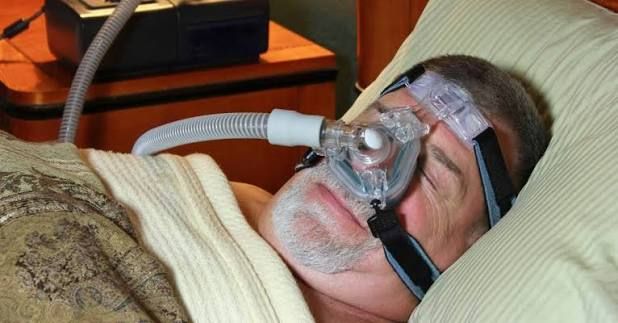
Adapting to CPAP therapy is one of the most rewarding steps you can take for your cardiovascular health and cognitive clarity. However, the initial transition can feel incredibly overwhelming. Many sleep apnea patients struggle with mask leaks, skin irritation, and the psychological weight of wearing bulky headgear to bed. When selecting a philips cpap nasal mask, you are investing in a design built specifically to address these exact paint points.
Our team at Mind Body Dan has analyzed the top-performing nasal interfaces, focusing specifically on the DreamWear and Wisp lines. This comprehensive expert philips cpap nasal mask review breaks down exactly how these devices perform in real-world scenarios and how they integrate into a holistic, screen-free lifestyle.
Quick Summary Table
| Metric / Criteria | DreamWear Nasal Mask | Wisp Nasal Mask |
|---|---|---|
| Comfort & Seal | 9.5/10 (Under-nose cradle) | 8.8/10 (Over-nose cushion) |
| Active Sleepers Support | 9.8/10 (Top-of-head hose connection) | 8.0/10 (Frontal hose connection) |
| Visual Freedom | 9.7/10 (Completely open field of view) | 9.0/10 (Minimal frame structure) |
| Best For | Side sleepers & claustrophobia prone | Traditionalists wanting a secure seal |
Product Overview
The philips cpap nasal mask lineup represents a massive step forward in sleep medicine design. Instead of using rigid plastic frames that press heavily against the nasal bridge, modern options like the DreamWear feature a soft, hollow silicone frame where therapy air flows directly through the structure itself. This unique architecture keeps the front of your face entirely clear, allowing you to wear glasses, read a book, or chat with your partner before falling asleep.
Meanwhile, the traditional philips respironics mask designs (like the Wisp) utilize a compact, low-profile frame that rests gently on the nose tip. By avoiding the forehead support completely, both options relieve the typical tension headaches and strap marks associated with older generations of CPAP interfaces.
Key Highlights & Features
- Top-of-Head Swivel Connection: The 360-degree hose connection sits at the crown of the head, letting you turn freely from side to side without getting tangled.
- Under-Nose Cushion Design: Prevents red marks, skin sores, and nasal bridge irritation by cradling the nostrils rather than covering the whole nose.
- Hollow Silicone Frame: Air flows naturally through the soft frame, keeping side-sleeping highly comfortable even when one side is fully compressed.
- Minimalist Headgear: Fastens quickly with intuitive magnetic clips, reducing the surface area of fabric resting on your scalp.
If you sleep on your side, conventional front-facing CPAP masks push against your pillow, shifting the seal and leaking cold air into your eyes. The DreamWear CPAP nasal mask comfort guide highlights how the top-of-head hose completely removes front bulk, allowing your cheek to rest comfortably on your pillow without disrupting therapy pressure.
Real-World User Experience
Living with a CPAP machine means establishing a reliable nightly ritual. During our hands-on evaluation of the philips respironics mask, the first thing we noticed was the lack of facial claustrophobia. Slipping it on felt less like putting on medical equipment and more like putting on a lightweight pair of athletic goggles. The soft fabric wraps included with the silicone frame prevented the cool silicone from sticking to sweaty skin during humid summer nights.
For those who experience the dreaded “racing mind” when constrained by medical devices, the open visual path is a game-changer. You don’t feel locked in. You can simply breathe, close your eyes, and let the gentle airflow support your respiratory system naturally.
Pros and Cons
- Zero pressure on the sensitive nasal bridge.
- Extremely quiet exhalation ports disperse air gently.
- Top-mounted swivel allows unrestricted turning.
- Modular frame allows switching between nasal, pillow, and full-face cushions.
- Active mouth-breathers will need a chin strap.
- Frame can slip backward on exceptionally silky hair.
- Occasional slight whistling sound if the exhaust ports gather moisture.
Complementing Your Therapy with the Herz P1 Smart Ring
A common frustration with CPAP therapy is the feeling that you are operating in a dark room. You know you wore your philips cpap nasal mask, but how do you know if your physiological sleep architecture is actually recovering? Relying strictly on your CPAP machine’s basic “compliance data” (hours worn) doesn’t tell you the whole story of your neural recovery.
By pairing your clinical therapy with an elegant, screen-free tracking method like the Herz P1 Smart Ring, you can cross-reference your respiratory therapy with actual biometric trends. Unlike bulky smartwatches that buzz all night and demand daily charging, the titanium Herz P1 tracks deep sleep, REM phases, and Heart Rate Variability (HRV) quietly from your finger. It features a completely subscription-free model, letting you own your physiological recovery data forever with no monthly bills.
Target Audience
This specific philips respironics mask alternatives and design structure is perfect for active sleepers, side sleepers, those who wear glasses, and individuals who feel claustrophobic under heavy nasal interfaces. It is not ideal for those with severe nasal congestion or chronic mouth-breathing (unless paired with an auxiliary chin strap).
Verdict
The Philips DreamWear Nasal CPAP Mask continues to set the benchmark for low-profile, high-comfort sleep therapy interfaces. Its hollow frame design combined with the top-of-head swivel connection offers unprecedented freedom of movement. If you’ve struggled with bulky gear in the past, transitioning to this minimalist mask will drastically improve your compliance and night-to-night comfort.
Fitting, Sizing, and Comfort Guide for Active Sleepers
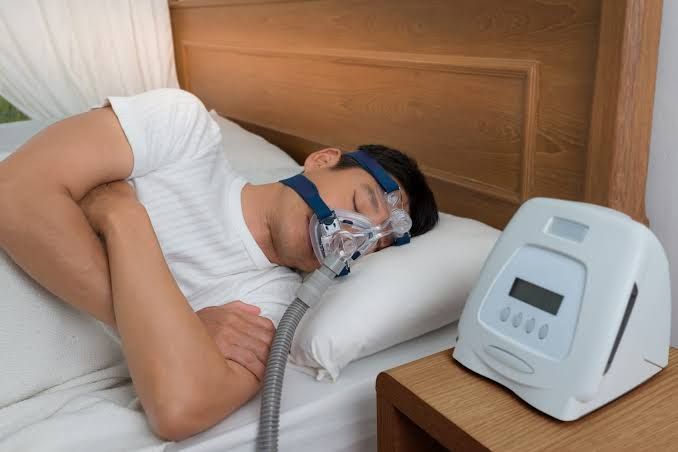
Imagine waking up at 3:15 AM with a dry mouth, a whistling mask leak blowing air directly into your eyes, and your heart pounding. You feel exhausted, your mind immediately races to tomorrow’s endless work responsibilities, and you’re filled with a deep sense of frustration. Why is this medical device, which is supposed to help you, making you feel worse? This is the classic struggle of poor Philips CPAP mask fitting.
Achieving the perfect fit with a philips cpap nasal mask does not require turning your headgear into a virtual vice grip. In fact, over-tightening is the number one cause of seal ruptures and skin sores. The silicone cushion relies on air pressure to balloon slightly and contour to your nostrils. If you pinch it flat, you destroy the structural design that makes it work.
— Mind Body Dan Sleep Lab Team
Step-by-Step Fitting Protocol
- Choose the Right Cushion Size: Use the sizing gauge included in your fit pack. The cushion should sit comfortably beneath your nose (for DreamWear) or surround the tip (for Wisp) without pinching your nostrils shut. If you fall between sizes, we recommend starting with the Medium to avoid skin friction.
- Connect the Frame: Adjust the crown strap so that the top-of-head swivel sits exactly at the highest point of your skull. This aligns the pull vectors so the mask stays balanced.
- Adjust the Back Strap: Bring the rear fabric strap around the back of your head. Pull the tabs until the mask feels stable but light. You should be able to slide a finger easily between the strap and your cheek.
- Turn on the Air: Always perform your final fit adjustments while lying down with your CPAP machine turned on. Your facial geometry changes when your head is flat on a pillow, and the dynamic pressure of the therapy is required to seat the seal.
Troubleshooting Common Seal Issues
If you experience leakages when rolling onto your side, do not tighten the straps. Instead, gently pull the cushion away from your nostrils for three seconds to let it fill with pressurized air, then let it settle back into place. If you continue to get dry eyes, it indicates the top portion of the cushion is not seated correctly. Adjusting the angle of the silicone cradle slightly forward or backward relative to your nose can instantly close this micro-gap.
Another vital consideration when selecting a philips cpap nasal mask is skin preparation. Never apply heavy petroleum-based moisturizers before putting on your mask; they degrade the medical-grade silicone rapidly and cause slippage. Instead, wash your face with a mild, oil-free cleanser to ensure a reliable skin-to-cushion contact patch.
Eliminate Screen Stress from Your Bedtime Routine
Looking at bright smartwatch screens or checking phone apps to monitor your sleep destroys your melatonin production. If you are struggling with a racing mind, keep your bedroom screen-free.
CPAP vs. BiPAP: Tracking Recovery with HRV & Sleep Stages

Whether your doctor has prescribed a standard Continuous Positive Airway Pressure (CPAP) unit or a Bi-level Positive Airway Pressure (BiPAP) system, selecting a comfortable interface like the philips respironics mask is only the first part of your physiological equation. While CPAP keeps your airway open with a single continuous pressure, BiPAP cycles between higher inspiratory pressures and lower expiratory pressures to make exhalation easier. Both treatment modalities are outstanding for reducing sleep fragmentation, but how do we objectively measure their impact on your nervous system?
True sleep recovery is not just about avoiding apneas; it is about restoring the delicate balance of your autonomic nervous system. This is measured through biometric parameters like **Heart Rate Variability (HRV)**, **Deep Sleep duration**, and **REM Sleep phases**.
Understanding Biometric Recovery Metrics
When your airway collapses during sleep, your sympathetic “fight-or-flight” system floods your body with cortisol and adrenaline, driving your HRV down and keeping your heart rate elevated. Once you find a stable seal with your nasal mask options for sleep apnea, your oxygen saturation levels stabilize, allowing your parasympathetic nervous system (“rest-and-digest”) to take over. This shift causes a healthy rise in night-time HRV and allows your brain to descend into those long, restorative phases of Deep and REM sleep.
If your mask fits poorly, however, you will experience constant micro-arousals. Even if you don’t fully wake up, your HRV drops, and your brain remains trapped in Light sleep. Tracking these trends is vital to knowing whether your therapy settings are optimized.
How the Herz P1 Smart Ring Simplifies Your Sleep Insights
Most smart wearables are simply not built for people trying to sleep peacefully. Big, chunky smartwatches with bright, flashing screens often clash with your CPAP gear, get caught on your pillows, and require daily charging sessions. Furthermore, getting bombarded by complex graphs and high-pressure sleep warnings every morning can trigger “orthosomnia”—an unhealthy anxiety over sleep scores that actually worsens insomnia.
The Herz P1 Smart Ring solves these tracking issues elegantly:
- Subscription-Free Model: Unlike other major brands that lock your physiological analysis behind a $6/month subscription, the Herz P1 is a “buy once, own forever” device. You get unrestricted access to your health trends with zero hidden fees.
- Ultra-Lightweight Titanium Design: Weighing next to nothing and free of screens, it slips seamlessly onto your finger. It doesn’t distract you or interfere with your mask’s headgear.
- Simple, Actionable Daily Metrics: Instead of drowning you in overwhelming raw data, the medical-grade biometric sensors translate your HRV, sleep stages, and skin temperature into an intuitive, daily **Recovery Score**.
- Outstanding Battery Life: Forget the frustration of daily charging. The Herz P1’s battery lasts for days on a single charge, ensuring you never miss a night of tracking your CPAP progress.
By wearing the Herz P1, you can confidently track how a comfortable seal on your philips cpap nasal mask directly correlates with an improved Recovery Score and balanced HRV. If you’re looking for a simple, elegant, screen-free companion to monitor your physical and mental energy, this is the ultimate solution.
Disclaimer: Results may vary depending on individual physical activity levels, unique health conditions, and daily tracking patterns. The information contained in this guide is for educational and informational purposes only and is not intended to substitute for professional medical advice, diagnosis, or treatment. Always seek the advice of your physician or other qualified healthcare provider with any questions you may have regarding a medical condition or sleep disorder.
