

4 Science-Backed Sleeping Positions for Sleep Apnea and Snoring Relief
Do you wake up choking, gasping, or feeling completely exhausted despite spending eight full hours in bed? Simple, intentional adjustments to your sleeping position for sleep apnea can open your airways naturally. By tracking your body’s physiological response with a screen-free Herz P1 Smart Ring, you can optimize your recovery and reclaim your daily energy without expensive subscriptions.
Take Back Your Sleep.
Take Back Your Life.
- Fall asleep faster & sleep deeper
- Stop waking up in the middle of the night
- Wake up refreshed & full of energy
- The Gravity Factor: Side sleeping and elevated angles significantly reduce upper airway collapse.
- Biometric Validation: Subtle shifts in sleep positions can be measured objectively via sleep stage structure and heart rate variability (HRV) trends.
- Bulky Watch Alternatives: Sleek, screen-free wearable solutions like the Herz P1 Smart Ring offer comfortable, subscription-free tracking to confirm if your new position is working.
- Positional Therapy Devices: Supportive physical aids can retrain your nervous system to stay off your back and maintain a clear airway.
Why Body Alignment Matters: The Physics of Airway Obstruction During Sleep
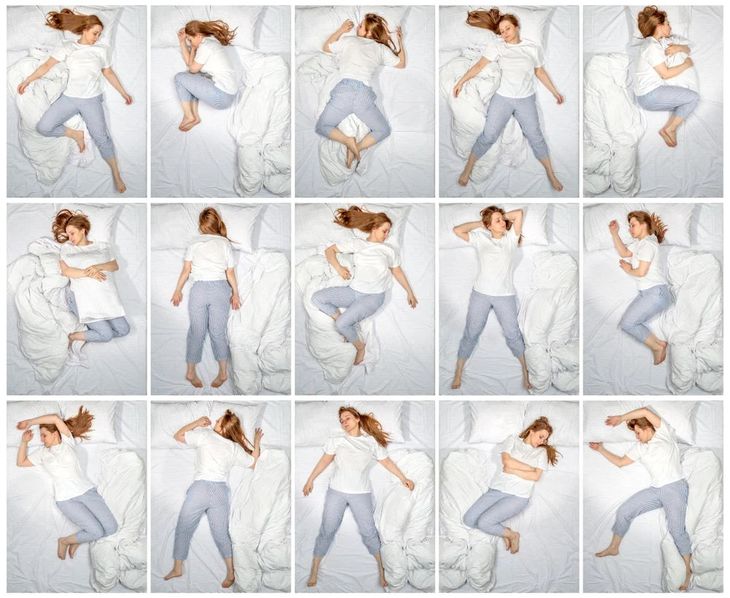
When we drift off into deep sleep, our skeletal muscle tone relaxes. For individuals prone to snoring or obstructive episodes, gravity becomes a silent adversary. When lying flat on your back (the supine position), the tongue, soft palate, and surrounding pharyngeal tissues naturally slide backward under the influence of gravity. This narrowing of the airway creates high-velocity air turbulence, resulting in the vibration we know as snoring, or in severe cases, a complete temporary blockage of the airway.
Understanding how to sleep to prevent sleep apnea episodes involves recognizing how your skeletal structure interacts with your soft tissues. When the airway closes, the brain suffers a brief oxygen deficit, triggering a sudden spike in heart rate and a micro-arousal. These micro-arousals rip you out of restorative deep and REM sleep cycles without you even realizing it, leaving you with intense brain fog and a heavy reliance on caffeine the next morning.
Our team at Mind Body Dan has spent years analyzing physical therapy adjustments and biometric data to identify the ideal interventions for non-restorative sleep. Changing your habitual sleep posture can dramatically alleviate structural airway collapse. However, finding the right alignment requires tracking how these changes affect your inner physiology.
How We Evaluated the Top Support Systems and Trackers
To assist you on this journey, we have meticulously reviewed and curated a list of the top physical support systems and biometric trackers designed to optimize your recovery. We evaluated each option based on four essential pillars:
- Positional Effectiveness: Does it physically assist in maintaining a clear airway or side-sleeping posture?
- Daily Comfort: Is the solution easy to integrate into your nightly routine without causing structural stiffness or tossing and turning?
- Biometric Feedback: Does it provide clear, accessible, and actionable data on how your body is recovering each night?
- Overall Lifetime Value: Are there hidden fees, or is it a transparent, subscription-free purchase?
| Product Name | Type | Key Structural Focus | Subscription Cost | Best For |
|---|---|---|---|---|
| Herz P1 Smart Ring | Smart Wearable | Screen-free biometric sleep stages & HRV tracking | $0 (Subscription-Free) | Long-term nightly recovery tracking & comfortable sleep metrics |
| Contour Legacy Leg Pillow | Positioning Pillow | Keeps hips, pelvis, and spine aligned laterally | None | Side-sleeping comfort and structural lower body alignment |
| WoodyKnows Side Sleeping Backpack | Physical Restraint | Prevents transitioning to back sleeping | None | Active physical retraining to prevent supine sleeping |
| Smart Temp Elevated Mattress Wedge | Incline Support | Keeps upper torso elevated at a 7-degree slope | None | Gently lifting the upper airway when side sleeping is difficult |
1. The Herz P1 Smart Ring: Premium Screen-Free Biometric Sleep & Recovery Monitor
For individuals attempting to track how their changes in sleeping position for sleep apnea impact their physiological recovery, the Herz P1 Smart Ring is an invaluable tool. Standard smartwatches are often bulky, irritating to sleep in, and feature glowing screens that wake you up in the middle of the night. The Herz P1, crafted from ultra-lightweight titanium, slips comfortably onto your finger and tracks your biometrics completely in the background.
By measuring deep, REM, and light sleep stages alongside your Heart Rate Variability (HRV), the Herz P1 delivers an intuitive, easy-to-read daily Recovery Score. This simple number translates complex biometric algorithms into actionable daily progress, helping you determine if a new sleeping position is truly reducing micro-arousals and oxygen dips. Furthermore, because it is entirely subscription-free, you are never locked into annoying monthly payments to access your own biometric trends.
- Strengths: Ultra-lightweight titanium design, zero subscription fees, clear sleep stage breakdowns, and highly detailed HRV data.
- Weaknesses: Requires simple sizing beforehand to ensure a perfect biometric contact fit.
- Ideal User: Health-conscious individuals seeking a highly comfortable, screen-free tracking method to visually confirm how positional adjustments improve nightly recovery.
2. Contour Legacy Leg Pillow: Ergonomic Support for Side Sleeping
Maintaining a side-sleeping posture can be challenging if your hips and lower back begin to ache. The Contour Legacy Leg Pillow is designed to fit between your knees, keeping your hips, pelvis, and spine in perfect alignment. This structural support prevents you from twisting your torso or rolling back onto your spine during deep sleep phases.
- Strengths: Ventilated memory foam prevents overheating; ergonomic tapered edges allow natural movement.
- Weaknesses: Only works effectively for side sleepers; does not provide direct neck or airway alignment.
- Ideal User: Anyone struggling to stay on their side due to lower back pain or hip discomfort.
3. WoodyKnows Side Sleeping Backpack: Physical Postural Trainer
If you find yourself constantly rolling onto your back despite using multiple pillows, the WoodyKnows Side Sleeping Backpack offers a direct, physical solution. This adjustable backpack features a firm, lightweight inflatable air bladder that makes sleeping on your back highly uncomfortable, physically reinforcing lateral sleeping postures.
- Strengths: Highly effective at enforcing a lateral posture; adjustable inflation allows you to customize the resistance.
- Weaknesses: Can feel restrictive and bulky during the initial adaptation period.
- Ideal User: Chronic back sleepers who need active physical retraining to maintain a side-sleeping position.
4. Smart Temp Elevated Mattress Wedge: Gentle Incline Torso Support
For those who cannot tolerate strict side sleeping due to shoulder injuries, the Smart Temp Elevated Mattress Wedge provides a gradual 7-degree slope. This lift uses gravity to keep the jaw and tongue forward, helping prevent airway obstruction while resting comfortably on your back or in a semi-lateral position.
- Strengths: Wide design supports the entire upper body; high-density foam maintains its structure without sinking.
- Weaknesses: Heavy to move; takes up significant bed space if sharing with a partner.
- Ideal User: Back sleepers who prefer gentle incline therapy over lateral positioning.
Your Actionable Buying Guide
When selecting your sleep improvement toolkit, start by assessing your primary physical limitation. If joint discomfort prevents you from sleeping on your side, begin with an ergonomic leg pillow. If you are an active sleeper who rolls onto your back unconsciously, invest in a physical retraining device like a side-sleeping backpack. Regardless of the physical tools you choose, pairing them with an objective tracker like the Herz P1 Smart Ring is essential to monitor your recovery metrics and ensure your lifestyle adjustments are working.
Our top overall recommendation for comprehensive, daily recovery management is the Herz P1 Smart Ring due to its seamless, screen-free comfort and detailed biometric analysis. For immediate posture training, we suggest pairing the ring with the WoodyKnows Side Sleeping Backpack to actively reinforce lateral sleep, or the Contour Legacy Leg Pillow to alleviate lower back pressure and ensure long-term comfort.
The Ultimate Guide to Sleep Positions: Finding the Best Sleeping Position for Sleep Apnea

Every individual’s anatomy is unique, meaning the ideal posture for one person may not work as well for another. However, clinical sleep research highlights clear positional guidelines that significantly minimize upper airway collapse. Knowing how to sleep with sleep apnea is a critical piece of the restorative sleep puzzle.
Side Sleeping (Lateral Position): The Gold Standard
Decades of clinical research confirm that lateral sleeping—resting on either your left or right side—is the most effective sleeping position for sleep apnea. When you are positioned on your side, the gravitational force shifts sideways. This prevents the tongue and soft palate from collapsing backward into the throat, keeping your airway clear.
For those navigating the nuances of side sleeping, the left side is often preferred. Left-side sleeping has been shown to support digestive comfort and reduce acid reflux, which frequently coexists with sleep apnea and can cause unexpected 3 AM awakenings. Ensuring you maintain proper cervical spine support with a supportive pillow is key to enjoying these benefits without neck strain.
By sleeping on your side, the structural tissues in your throat are gently pulled sideways, preventing them from falling backward and blocking air passage. Finding the right sleep positions for sleep apnea reduces gravity’s effect on your upper airway, helping minimize micro-arousals and support deeper, uninterrupted sleep stages.
Positional Therapy: How to Stay on Your Side Comfortably
If you are a lifelong back sleeper, your body will naturally attempt to roll back to its accustomed position during REM sleep, when muscle tone is lowest. This is where positional therapy comes in. Simple home adjustments, such as placing a long body pillow behind your back, can physically encourage you to stay on your side. Anyone struggling with daytime fatigue should learn how to sleep to prevent sleep apnea episodes and keep their throat muscles open throughout the night.
Elevated Sleeping: Elevating the Head of the Bed
If side sleeping is too uncomfortable due to shoulder, hip, or neck issues, elevated back sleeping is an excellent alternative. Elevating the head of your bed by 30 to 45 degrees, or using a specialized wedge pillow, uses gravity to keep your tongue and jaw forward, relieving pressure on your chest and throat.
— Team Mind Body Dan Research Collective
Why Back Sleeping (Supine) is Often the Worst Option
When you sleep flat on your back, your airway must work against the full downward pull of gravity. The jaw relaxes downward, the tongue slips backward, and the throat tissues compress. This structural collapse often leads to heavy snoring and frequent oxygen drops, making the supine position highly challenging for anyone dealing with airway obstruction.
Harnessing Biometrics: How Screen-Free Tracking Empowers Your Recovery

Adjusting your sleeping posture is a fantastic first step, but how can you be sure it’s actually improving your sleep quality? Without objective tracking, you are left guessing why you still feel tired. The best sleeping position for sleep apnea relies heavily on lateral alignment, but its success is ultimately confirmed by your body’s nightly biometric trends.
When you experience airway resistance during the night, your autonomic nervous system shifts from a relaxed “rest-and-digest” state into a stressed “fight-or-flight” state. This sudden transition causes a noticeable drop in Heart Rate Variability (HRV), the variation in time between consecutive heartbeats. Monitoring these metrics is key to understanding your true sleep quality.
Navigating the Sleep-Apnea Brain Fog and Non-Restorative Sleep Loop
Frequent sleep disruptions often lead to a frustrating cycle of chronic fatigue, brain fog, and low HRV. When trying to manage how to sleep with sleep apnea, keeping the chin up and alignment intact is crucial. Without restorative sleep, your brain cannot clear out metabolic waste, leaving you feeling mentally exhausted even after a full night in bed. This persistent fog can tempt you to rely on unhealthy habits, like extra coffee or afternoon naps, which only further disrupt your sleep cycle.
Decoding Your Sleep Stages (REM vs. Deep Sleep) and HRV Metrics
A truly healthy night of sleep consists of smooth, predictable transitions between Deep, REM, and Light sleep stages. Deep sleep is when your muscles repair and your physical energy is restored, while REM sleep supports cognitive processing, memory, and emotional balance.
If you are struggling with airway collapse, your body will constantly interrupt these cycles to restore breathing, keeping you stuck in light sleep. By tracking your sleep stages and HRV, you can gather clear, actionable insights into how well your body is actually recovering each night.
Take the Guesswork Out of Your Sleep Posture
Are your positional adjustments actually helping you get deeper sleep? Stop guessing. By monitoring your HRV and Sleep Stages with the screen-free Herz P1 Smart Ring, you can visually track your daily recovery and see exactly what works for your body.
The Screen-Free and Subscription-Free Revolution of the Herz P1 Smart Ring
Many modern sleep trackers come with bright, distracting screens that emit blue light, which can suppress melatonin production and keep your mind racing at bedtime. Additionally, several popular brands require monthly subscription fees simply to access your own biometric data.
The Herz P1 Smart Ring offers a refreshing, user-friendly alternative. Crafted from medical-grade titanium, this screen-free ring is lightweight, elegant, and comfortable enough to wear all night. It records your sleep metrics seamlessly in the background and syncs them to your phone, giving you a clear, straightforward Recovery Score each morning—completely subscription-free. Implementing optimal sleep positions for sleep apnea can relieve structural tension, and tracking your trends over time will help you discover how to sleep to prevent sleep apnea issues from ruining your morning recovery.
Disclaimer: Results may vary depending on individual physical activity levels, unique health conditions, and daily tracking patterns. The information provided in this article is for educational purposes only and is not intended to replace professional medical advice, diagnosis, or treatment. Always consult with a qualified healthcare professional or sleep specialist before making significant changes to your sleep routine or physical therapy setup.
