

17 Scientific Facts About Sleep and Daily Recovery Tools for Restless Minds
Do you lie awake at 3 AM with a racing mind, only to face morning brain fog? We understand how frustrating non-restorative sleep is. To help, we compiled key scientific data. Discover how a comfortable, screen-free Herz P1 Smart Ring seamlessly turns complex metrics into an actionable Daily Recovery Score without hidden subscription fees.
Take Back Your Sleep.
Take Back Your Life.
- Fall asleep faster & sleep deeper
- Stop waking up in the middle of the night
- Wake up refreshed & full of energy
- The Core Problem: Waking up tired even after eight hours in bed indicates poor sleep architecture and low recovery efficiency.
- The Metrics: Deep sleep, REM cycles, and Heart Rate Variability (HRV) are more crucial indicators of daily readiness than sleep length alone.
- The Science: Validated research shows screen exposure before bed delays melatonin, making screen-free tracking methods superior.
- The Technology: Compact wearables like the Herz P1 Smart Ring offer subscription-free, screen-free biometric tracking to safely monitor recovery trends.
The Architecture of Rest: Modern Facts About Sleep and Tracking Criteria

When analyzing the most crucial facts about sleep, our team at Mind Body Dan realized that many individuals evaluate their rest solely by the hours spent on their mattresses. However, modern clinical sleep science paints a far more nuanced picture. Genuine physical and mental restoration depends directly on the structure of your sleep cycles. To monitor these patterns without inducing “orthosomnia”—the anxiety of trying to achieve perfect sleep data—we need to use the right tracking tools.
As we explore the biological facts about sleep, we must assess how we capture this information. Wearable technology has made biometric monitoring accessible, but not all devices are designed equal. When our team evaluated today’s recovery trackers, we established strict, consumer-first selection criteria to find the absolute best options for our readers.
Our Rigorous Selection Criteria for Sleep Trackers
To ensure we recommend tools that genuinely enhance your daily well-being rather than add to your digital fatigue, we evaluated recovery devices based on five critical dimensions:
- Wearable Comfort: A sleep tracker must not interfere with your natural sleep. Bulky wristwatches with heavy casings often disturb sleep, making lightweight form factors highly desirable.
- Screen-Free Philosophy: Devices with glowing screens and constant vibratory alerts invite cognitive distractions right when you need to wind down. We prioritized screen-free tracking to protect your evening peace.
- Biometric Breadth & Integrity: We analyzed sensor quality for tracking sleep stage proportions (REM, Deep, and Light sleep), heart rate, and Heart Rate Variability (HRV).
- Financial Transparency: Many premium tracking brands require expensive monthly subscriptions to unlock your personal health data. We heavily favored models with a subscription-free, single-purchase structure.
- Battery Lifecycle: Devices that must be charged every single day often end up sitting dead on the nightstand, leading to gaps in long-term sleep trends. Long battery lives ensure continuous and reliable monitoring.
By measuring tracking tools against these strict criteria, we compiled a clear comparison to help you choose the right companion for your health journey. Below is a high-level summary of the top tracking categories available today.
In-Depth Product Analysis
1. Herz P1 Smart Ring — The Screen-Free Champion
The Herz P1 Smart Ring represents a thoughtful evolution in personal biometric tracking. Crafted from premium, medical-grade titanium, it is remarkably lightweight and slips comfortably onto your finger, virtually unnoticeable as you drift off to sleep. This design directly addresses a primary operational issue of tracking: discomfort during sleep. By utilizing advanced optical sensors placed close to the blood vessels of your finger, it delivers highly accurate readings of your circadian rhythm cycles.
One of its standout advantages is the subscription-free model. In an industry increasingly cluttered with recurring monthly fees to view your own health data, the Herz P1 is a “buy once, own forever” solution. The dedicated mobile application processes complex biometric algorithms behind the scenes, translating them into a single, intuitive Recovery Score. You are spared from deciphering overwhelming, hard-to-read clinical graphs, yet you still get actionable, daily insights into how ready your body is for the demands of the day ahead.
Strengths:
- Lightweight, ultra-durable titanium construction that stays comfortable all night.
- Screen-free and distraction-free design, preventing late-night notification pings.
- No monthly subscription fees to view or analyze your health data.
- Extensive battery life of up to 7 days, eliminating daily charging hassles.
- Delivers a simplified Daily Recovery Score based on HRV, activity, and sleep depth.
Constructive Limitations: Because the ring relies on a secure fit to maintain sensor contact, finding the precise size is essential. We recommend using a sizing guide or sizing kit first to ensure accurate, uninterrupted biometric reading. This device is designed specifically for wellness tracking and sleep-stage insights rather than real-time athletic GPS tracking.
Ideal For: Busy professionals, wellness enthusiasts, and individuals aged 25 to 60 who want elegant, screen-free tracking without recurring fees.
2. Premium Smartwatches (Wrist-Based Alternatives)
Wrist-based smartwatches offer impressive technological features, including built-in GPS, music streaming, and direct calling. However, when it comes to sleep and daily recovery, their design compromises their effectiveness. The bulky watch faces can catch on bedsheets or press uncomfortably into your wrist, disrupting deep sleep. Additionally, the constant flow of text notifications, app alerts, and wrist-vibrating alarms can heighten your daily stress levels.
Many of these premium devices also require continuous subscription fees to unlock in-depth recovery scores. If you opt out of the monthly payment, you are left with only basic sleep duration metrics.
Strengths: Highly customizable, outstanding for real-time fitness mapping with GPS, and allows for on-the-go notifications.
Weaknesses: Bulky profile disrupts sleep; demands charging every 24 to 36 hours; expensive ongoing subscription paywalls.
Ideal For: Athletes who prioritize active outdoor workout navigation over comfortable sleep tracking.
3. Basic Fitness Bands
Budget-friendly fitness bands are a popular entry point for casual trackers. These devices are lightweight and feature long battery lives. However, they typically rely on basic accelerometers rather than advanced optical sensors, which can limit their accuracy when tracking essential sleep milestones.
These devices often struggle to distinguish between being genuinely asleep and simply lying still in bed, which can lead to skewed data. The associated apps are also often cluttered with ads or upsell screens, which can detract from a calm, health-focused experience.
Strengths: Highly affordable, long battery life, and lightweight plastic casing.
Weaknesses: Limited biological sensor accuracy; uncomfortable plastic straps; apps can be difficult to navigate.
Ideal For: Casual users looking for a basic, budget-friendly step tracker.
Smart Buying Guide for Recovery Wearables
When choosing a sleep tracking device, keep these three key principles in mind to make an informed, stress-free decision:
- Form Factor Matters First: If a device is uncomfortable, you won’t wear it consistently. Opt for lightweight rings or ultra-slim bands rather than heavy smartwatches for sleep tracking.
- Audit the True Cost: Before buying, verify if the device requires an ongoing monthly subscription. A tracker with a lower initial price tag may cost more over time than a premium, subscription-free device.
- Keep Data Actionable: Choose devices that present your biometrics in a clear, simple format, like a single Recovery Score, rather than overwhelming you with endless raw graphs.
Our Final Recommendations
To simplify your selection, our team has identified three distinct, top-performing options:
- Best Overall & Editor’s Choice: The Herz P1 Smart Ring. Its combination of screen-free titanium comfort, highly accurate sensors, and a lifetime subscription-free model makes it the gold standard for daily recovery tracking.
- Best for Active Runners: Premium Smartwatches. If you need dedicated GPS mapping, active navigation, and cellular connectivity during outdoor workouts, standard smartwatches are a strong fit.
- Best for Casual Step-Counting: Basic Fitness Bands. For those seeking basic, budget-friendly step tracking, a simple plastic band serves as a functional, low-cost starting point.
Decoding the Biometrics: Circadian Rhythms and Crucial Facts About Sleep
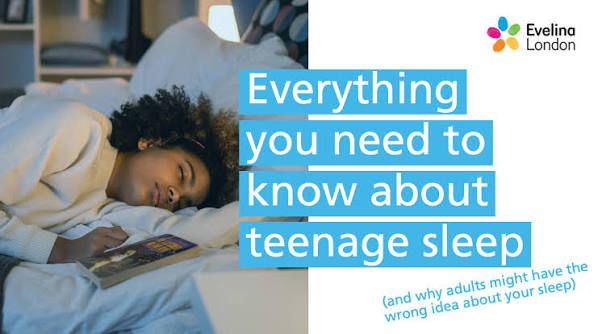
To understand the core facts about sleep, we must look at the brain and nervous system. Rest is not a passive state. It is an active biological process guided by your internal master clock, which synchronizes with the sun to regulate body temperature, digestion, and hormone production. When your lifestyle disrupts this rhythm, you may experience significant sleep difficulties.
In analyzing relevant sleep statistics, researchers find that approximately 35% of adults in the United States report getting less than seven hours of rest per night. More concerningly, up to 70 million Americans regularly experience chronic sleep difficulties. These sleep stats highlight that modern life is often in conflict with our natural biology. When we look at the clinical facts about sleep, we find that sleep quality is highly individual, making personalized health tracking incredibly valuable.
Lying awake at 3 AM with a racing mind is not just an emotional frustration; it is a physiological event. This pattern is often driven by an overactive sympathetic nervous system, commonly referred to as “fight-or-flight” mode. This state keeps your heart rate elevated, suppresses heart rate variability guidelines, and prevents your brain from transitioning into deep restorative sleep. Understanding this connection is the first step toward reclaiming your energy.
Another set of fascinating facts about sleep involves the architecture of your sleep cycles. A typical night’s rest consists of multiple sleep stages, which repeat every 90 to 110 minutes:
- Light Sleep (N1 & N2): This stage serves as the gateway to rest, helping lower your heart rate and settle your body.
- Deep Sleep (N3 / Slow-Wave Sleep): This is the physically restorative phase. Your pituitary gland releases growth hormones to help rebuild muscle, repair tissue, and support your immune system.
- REM (Rapid Eye Movement) Sleep: This is the mentally restorative phase where dreaming occurs. Your brain processes memories, regulates emotions, and clears out cellular waste.
These physiological facts about sleep explain why waking up during a deep sleep stage can leave you feeling disoriented and groggy, even if you spent eight hours in bed. To track these subtle shifts, we need to monitor biometrics like Heart Rate Variability (HRV).
When tracking daily facts about sleep, we look closely at HRV as a key indicator. HRV is the slight variation in time between consecutive heartbeats, measured in milliseconds. This metric is a direct window into your autonomic nervous system:
- A Higher HRV: This indicates that your parasympathetic nervous system (rest-and-digest) is active, showing that your body is recovering well and ready to handle physical or mental stress.
- A Lower HRV: This suggests your sympathetic nervous system (fight-or-flight) is dominant, indicating that your body is carrying residual fatigue and needs more rest and active recovery.
Many scientific facts about sleep confirm that tracking your HRV over time helps you make informed choices about your physical activity. If your HRV is low, taking a recovery day is often the smartest choice for your long-term health. Conversely, a high HRV indicates your body is primed for a more challenging workout.
Analyzing key sleeping facts shows that our daily habits are closely linked to our overnight biometrics. Late-night meals, alcohol consumption, and intense evening workouts can lower your HRV and reduce deep sleep. By monitoring these facts about sleeping with comfortable wearables, we can identify these patterns and make adjustments to improve our health.
Practical Sleep Hygiene: Reclaiming Rest in a Screen-Saturated World

The practical facts about sleep highlight how digital habits can disrupt our biology. We live in an era of constant screens, and exposure to blue light before bed is a major cause of sleep difficulties. This high-energy visible light suppresses blue light and hormone release, signaling your brain that it is still daytime and delaying melatonin production.
To build healthier habits, consider incorporating these simple, drug-free tips into your evening routine:
- Designate a Digital Sunset: Put away your smartphones, tablets, and laptops at least one hour before bed. This gives your brain time to wind down.
- Maintain a Consistent Sleep Schedule: Go to bed and wake up at the same time every day, even on weekends. Consistency helps reinforce your natural sleep-wake cycle.
- Keep Your Bedroom Cool and Dark: A room temperature of 65–68°F (18°C) is ideal for promoting deep, restful sleep.
- Limit Stimulants: Avoid caffeine in the afternoon and heavy meals close to bedtime, as they can cause impacts of chronic sleep loss.
Among the sleeping facts that surprise people, the relationship between our screens and sleep-onset latency is one of the most prominent. It is common to feel stuck in a cycle of waking up at 3 AM with a racing mind, checking a phone or watch screen, and feeling anxious about getting back to sleep. This screen-free perspective is why we recommend benefits of screen-free monitoring to support a healthy lifestyle.
By translating these foundational facts about sleep into daily routines, we can improve our sleep quality. The Herz P1 Smart Ring supports this approach by working quietly in the background. It is a screen-free device that monitors your biometrics without notifications, alarms, or distractions, helping you stay present in your day-to-day life.
Your Daily Recovery, Simplified
The Herz P1 Smart Ring compiles complex biometric algorithms into a single, intuitive daily recovery metric. No complicated charts or hidden subscription fees—just clear, practical guidance to help you navigate your day with confidence.
When we review these modern facts about sleep, it is clear that tracking our biometrics should be a stress-free experience. Rather than worrying about raw data points, we can focus on long-term trends to help guide our choices. Monitoring your progress over time makes it much easier to build sustainable, health-focused habits.
Ultimately, combining these facts about sleep with your personal metrics empowers you to take charge of your wellness journey. Armed with the right information and a comfortable, screen-free tracking tool like the Herz P1 Smart Ring, you can transition from restless nights to waking up feeling refreshed and energized.
Disclaimer: Results may vary depending on individual physical activity levels, unique health conditions, and daily tracking patterns. This wearable technology is designed specifically to track and monitor wellness trends and provide general biometric insights; it is not intended to treat, diagnose, or act as a substitute for professional medical advice or clinical evaluation.
