

Many health-conscious individuals enjoy a casual evening drink, but analyzing your resting heart rate reveals that drinking alcohol before bed spikes overnight cardiac stress and severely fragments your recovery. Scientific sleep data indicates that alcohol raises nocturnal pulse rates by up to ten percent while dramatically cutting vital sleep stages. This master guide from Team Herz P1 will show you exactly how to assess these vital physiological trends using the advanced Herz P1 smart ring to optimize your nighttime recovery and reclaim your daily energy.
Built to Last. Save Up to 69% Today.
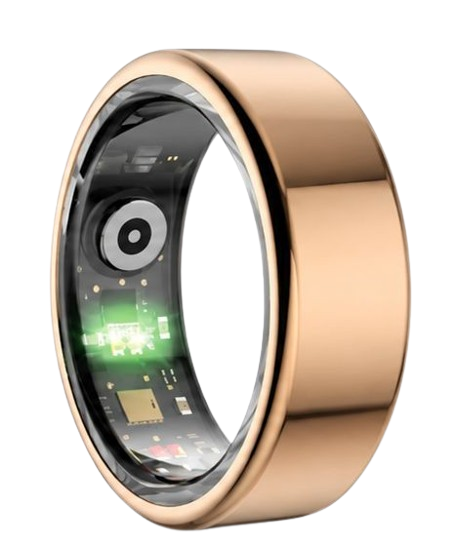
The Herz P1 Smart Ring tracks HRV, Sleep, Heart Rate & SpO2 around the clock. No subscriptions. No renewals. Ever.
In This Article
- How to Mitigate the Biometric Impact of Alcohol: A detailed roadmap to protecting your sleep from social drinking.
- The Autonomic Disruption: Why drinking elevates resting heart rate and suppresses heart rate variability.
- The Architecture of Sleep: Exploring how alcohol disrupts the vital REM and deep sleep cycles.
- Thermoregulation Breakdown: The physiological reasons why alcohol raises body temperature during sleep.
- Overcoming Smartwatch Pitfalls: Why bulky wearables fail in bed and how the Herz P1 offers a seamless solution.
How to Mitigate the Biometric Impact of Alcohol: A Step-by-Step Guide
To systematically protect your heart and brain from overnight chemical stress, you must implement a structured recovery protocol.
You will need a reliable tracking ring, clean hydration sources, and basic sleep hygiene discipline to execute these steps successfully.
Consistent execution of these protocols allows social drinkers to maintain cellular energy and keep their cardiac systems highly resilient.
-
Step 1: Set a Strict Four-Hour Cutoff Before Sleep
Your liver takes approximately one hour to metabolize a single standard serving of alcohol.
Consuming alcohol before bed guarantees that active ethanol remains in your bloodstream when you lie down.
This presence causes your heart rate to remain elevated throughout the first half of the night.
Establish a firm boundary to finish your last drink at least four hours before your head hits the pillow.
This buffer gives your liver time to process the toxins, allowing your cardiac system to settle into a natural rhythm.
-
Step 2: Hyper-Hydrate with Balanced Electrolytes
Ethanol acts as a powerful natural diuretic that forces your kidneys to flush out essential water and minerals.
This acute dehydration causes your blood volume to drop, making your blood thicker and harder to pump.
Your heart must beat significantly faster to deliver oxygen to your vital tissues.
Drink sixteen ounces of clean water mixed with sodium, potassium, and magnesium before you sleep.
Restoring these crucial electrolytes stabilizes your blood pressure and directly prevents a high sleeping heart rate.
-
Step 3: Cool Your Sleeping Environment Down
Alcohol causes your blood vessels to dilate, which artificially raises your core skin temperature.
This shift disrupts your body’s natural nocturnal cooling pattern, causing sweating and severe restlessness.
Lower your home thermostat to sixty-five degrees Fahrenheit or turn on a bedside fan.
A cooler room helps counteract the thermal spike caused by alcohol body temperature sleep disruptions.
Keeping the air cool makes it easier for your body to drop its temperature and enter restful sleep.
-
Step 4: Practice Deep, Slow-Paced Breathing
Drinking alcohol pushes your sympathetic nervous system into overdrive, which raises your stress response.
You can actively calm this response by performing structured, slow breathing exercises in bed.
Inhale slowly through your nose for four seconds, hold for four, and exhale through your mouth for eight.
Repeat this pattern for five minutes to stimulate your vagus nerve and promote parasympathetic activity.
This simple exercise tells your brain it is safe, helping to lower your pulse and ease your body into sleep.
-
Step 5: Reduce Next-Day Cardiorespiratory Strain
Do not force your body through a punishing cardio session the morning after consuming alcohol.
Your cardiovascular system is already working hard to recover from the metabolic stress of the ethanol.
Instead, choose a low-impact recovery walk, some light stretching, or gentle yoga.
This gentle movement promotes healthy circulation and helps clear toxins without straining your heart.
Give your body the space it needs to restore equilibrium before you return to heavy physical training.
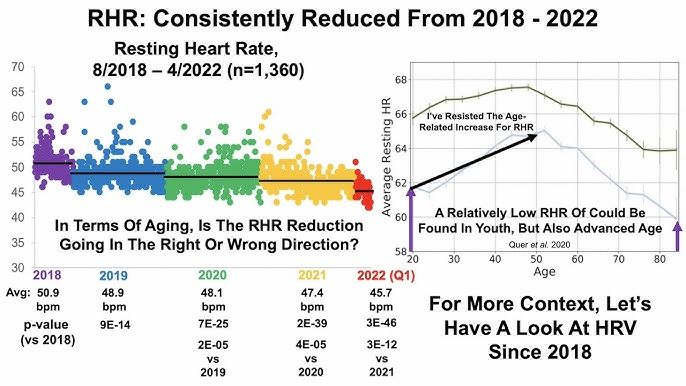
The Herz P1 smart ring is the ultimate tool for monitoring this recovery process in real time.
Its precise optical sensors track every shift in your pulse and skin temperature throughout the night.
The companion app translates this biometric data into actionable daily scores without any annoying monthly subscription fees.
You can discover the perfect balance for your active lifestyle by ordering your Herz P1 Smart Ring today.
90-Day 100% Money-Back Guarantee
“The Herz Smart Ring helps me manage stress easily. It’s accurate, stylish, and lightweight—perfect for my busy life!”
— Jennifer P. | ✔ Verified Customer
- ✓ 6-Day Battery Life
- ✓ Detailed Sleep Analysis
- ✓ Fast 1-Hour Charging
- ✓ iOS & Android Ready
Questions? Call: 1-866-479-1629
Why Alcohol Spikes Your Sleeping Heart Rate
To understand why alcohol stresses your heart, you must examine how it interacts with your central nervous system.
The American Heart Association explains that alcohol acts as a depressant that initially slows down brain activity.
However, as your liver processes the alcohol, it produces a toxic byproduct called acetaldehyde.
This compound acts as a powerful stimulant that floods your body with adrenaline and other stress hormones.
This surge triggers a strong sympathetic response, which answer the question: does alcohol increase heart rate while sleeping.
Your heart must beat significantly faster to process and clear these metabolic toxins from your bloodstream.
At the same time, alcohol suppresses your parasympathetic nervous system, which is responsible for rest and digestion.
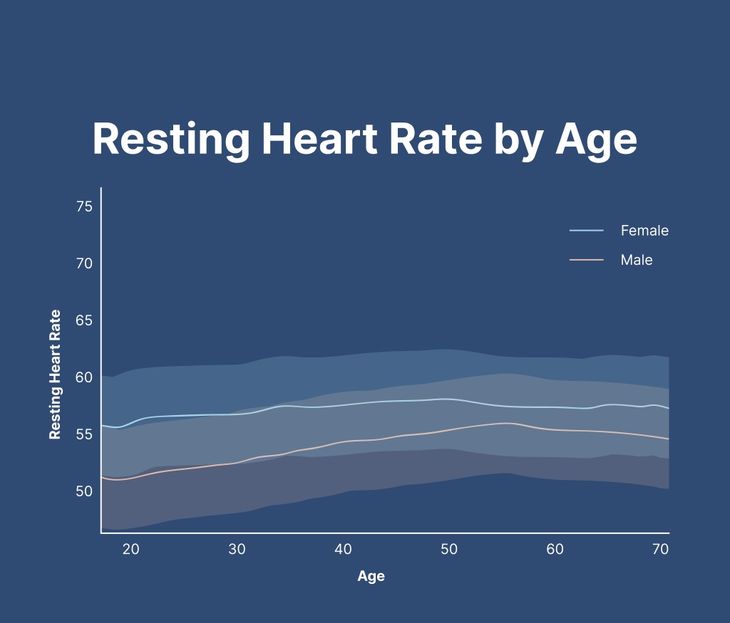
This suppression prevents your heart rate from dropping to its natural, restorative baseline during the night.
This chemical imbalance directly causes a steep drop in your heart rate variability.
You can discover practical ways to restore this autonomic balance by learning how to improve hrv.
Tracking these shifts helps you understand how lifestyle choices affect your long-term cardiovascular health.
Furthermore, alcohol’s dehydrating effects thicken your blood and make it harder to pump.
Your heart must work much harder than usual just to maintain normal circulation while you rest.
This extra strain prevents your body from completing vital cell repair and muscle recovery work.
By using the Herz P1 smart ring, you can easily track these heart rate trends night after night.
This clear, visual feedback helps you make mindful, healthier choices about evening drinking.
The Architecture of Sleep: How Alcohol Suppresses REM and Deep Sleep
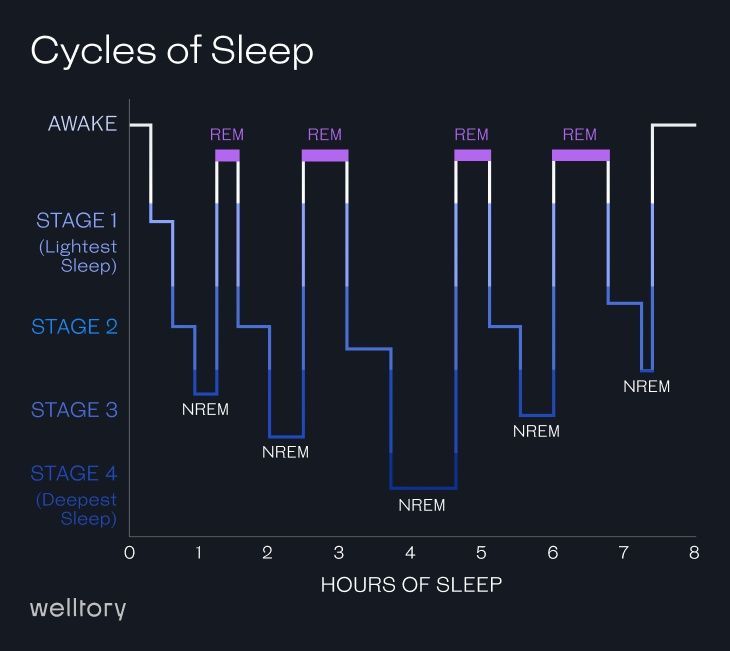
Your body cycles through distinct, vital stages of sleep every night to restore your physical and mental health.
The National Sleep Foundation notes that a healthy night requires a delicate balance of deep and rapid eye movement sleep.
Deep sleep works to rebuild muscles and tissues, while REM sleep processes emotions and consolidates memories.
When you consume alcohol before bed, it acts as a sedative that forces you into an unnatural, shallow sleep.
This chemical sedative effect completely disrupts your natural sleep cycles and prevents normal brain recovery.
During the first half of the night, alcohol artificially increases deep sleep while completely blocking alcohol sleep rem cycles.
As the sedative wears off, your brain experiences a rebound effect that causes light, highly fragmented sleep.
You will experience frequent micro-awakenings that prevent you from falling back into deep, restorative rest.
This imbalance is why you might wonder why do i wake up tired even after spending eight hours in bed.
The lack of true, continuous rest leaves your body exhausted and your mind feeling foggy the next day.
Understanding the difference between these recovery phases is key to improving your long-term health habits.
You can read our comprehensive breakdown of deep sleep vs light sleep to understand how your body restores itself.
A smart ring like the Herz P1 tracks these sleep shifts and presents them in clean, easy-to-read daily graphs.
You can see exactly how a single glass of wine alters your sleep by reviewing how to read sleep graphs.
This visual evidence makes it easy to see how lifestyle choices impact your actual sleep quality.
Practical Application Guide: Tracking Sleep and Recovery with Herz P1
The Herz P1 app puts professional-grade health tracking right on your smartphone screen.
Each morning, the app analyzes your overnight biometrics to generate an intuitive readiness score.
This simple number tells you exactly how prepared your body is for physical and mental strain.
If you had a couple of drinks the night before, you will notice a significant drop in this daily score.
This clear feedback helps you adjust your morning plans and choose a lighter, more restorative routine.
The ring’s medical-grade optical sensors record your pulse and blood oxygen levels every five minutes.
This high-frequency tracking ensures you capture even minor changes in your cardiovascular stress levels.
You can easily see when your heart rate finally dropped back to its normal resting baseline.
If that drop happened late in the morning, your liver was likely working overtime to process alcohol.
This data helps you fine-tune your evening habits to ensure your body gets the rest it needs.
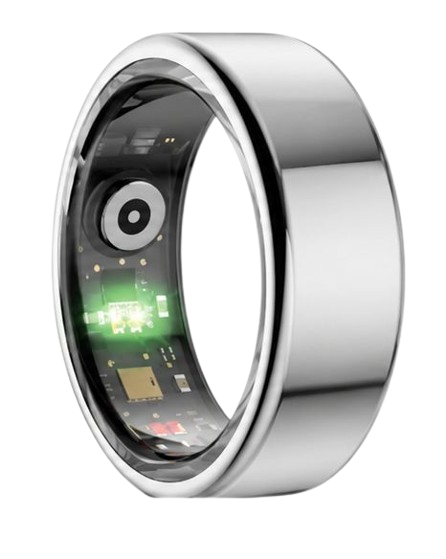
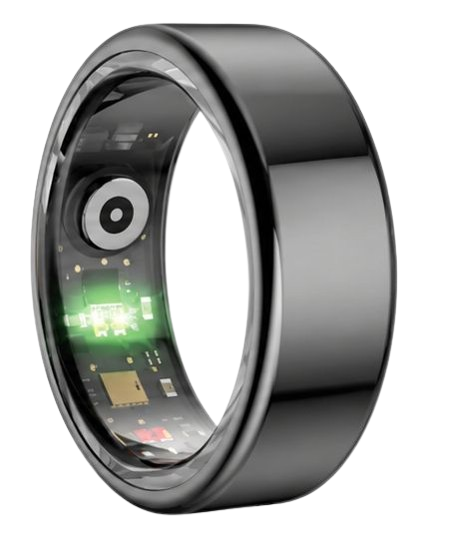
Additionally, the ultra-lightweight design of the Herz P1 makes it incredibly comfortable for 24/7 wear.
Unlike bulky smartwatches, you will barely feel the sleek steel ring on your finger while you sleep.
This continuous, comfortable wear ensures you collect highly accurate, uninterrupted biometric data.
This reliable data allows you to track and optimize your long-term wellness trends with ease.
Overcoming Risks & Common Wearable Mistakes
Many people try to track their sleep using large, heavy smartwatches that require daily charging.
These bulky wrist devices are often uncomfortable to wear in bed and can easily disrupt your sleep.
Furthermore, watches often slip during the night, leading to inaccurate sensor readings.
The Herz P1 solves this problem with its compact, military-grade steel ring design.
It stays securely positioned at the base of your finger, where blood flow is easy to measure accurately.
Another major issue with modern fitness trackers is the hidden cost of monthly app subscriptions.
Many leading brands require you to pay a recurring fee just to view your own health data.
The Herz P1 believes your personal health information should always belong to you for free.
Our companion app is completely free for life, with absolutely no paywalls or subscription fees.
You get full access to advanced sleep staging, stress trends, and cardiovascular tracking forever.
Frequently Asked Questions
Conclusion: Your Path to Mindful Recovery
Monitoring how alcohol affects your resting heart rate is a powerful step toward optimal wellness.
The Herz P1 smart ring gives you the accurate, subscription-free data you need to make healthy lifestyle choices.
Ready to monitor your health every day? Explore the Herz P1 Smart Ring and see if it fits your lifestyle. Call: 1-866-479-1629 — our team can help you advise on the correct ring size and set personalized health goals.
Note: Individual results may vary depending on individual health conditions, age, and lifestyle habits. This article is intended for general health reference purposes only.
