

Built to Last. Save Up to 69% Today.
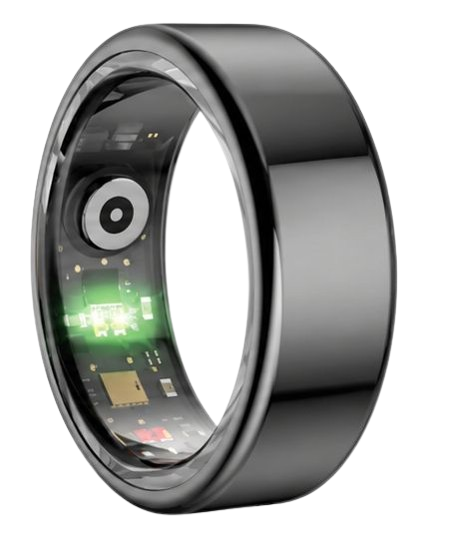
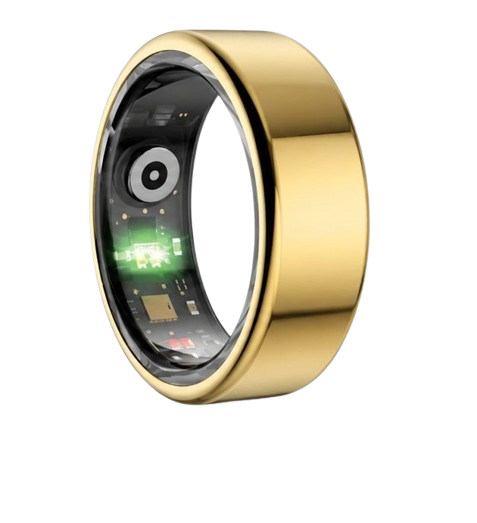
The Herz P1 Smart Ring tracks HRV, Sleep, Heart Rate & SpO2 around the clock. No subscriptions. No renewals. Ever.
In This Article
- Step-by-Step Reset: A clinical, action-oriented plan to synchronize your sleep patterns.
- The Biological Cost: Understanding how prolonged wakefulness impacts your heart and hormones.
- Biometric Tracking: Utilizing advanced technology to decode overnight HRV and SpO2 variations.
- Ring Technology vs. Smartwatches: Why the compact, lightweight form factor improves data capture accuracy.
How to Safely Reset Your Circadian Rhythm: A Step-by-Step Guide
Before you begin the process of resetting your biological clock, you must understand the preparation involved.
This biological shift requires absolute discipline and precise environmental control.
You should secure a reliable health tracker, such as the Herz P1 Smart Ring, to monitor your cardiac safety metrics.
Ensure that you do not have any demanding work commitments or travel scheduled for the next forty-eight hours.
Hydrate your body adequately and stock your kitchen with nutrient-dense meals beforehand.
Prepare a completely dark, quiet room where you can sleep undisturbed once your target bedtime arrives.
-
Step 1: Strategize Your Morning Sunlight and Melatonin Exposure
You must expose your eyes to bright light as soon as you wake up on your target morning.
Bright morning light naturally suppresses melatonin production.
It signals your brain that it is time to wake up and begin active metabolic processes.
Spend at least twenty to thirty minutes outside in direct sunlight before nine o’clock in the morning.
This exposure acts as a powerful anchor for your circadian sleep wake cycle.
Avoid using sunglasses during this initial morning period to maximize the light entering your retinas.
If natural sunlight is unavailable, utilize a high-lux seasonal affective disorder lamp for the same duration.
-
Step 2: Eliminate Midday Stimulants and Restrict Late-Day Caffeine
You should strictly avoid all forms of caffeine and stimulants after twelve o’clock in the afternoon.
Caffeine has a half-life of up to six hours and can linger in your system for much longer.
Consuming stimulants late in the day will interfere with your homeostatic sleep drive.
This sleep drive is the natural pressure that accumulates in your brain to help you fall asleep.
Opt for warm herbal teas like chamomile or peppermint in the afternoon instead.
Drink plenty of fresh water to keep your body hydrated during the demanding awake period.
-
Step 3: Keep Your Mind and Body Physically Active During Peak Fatigue
You must actively resist the urge to sit or lie down in comfortable environments during the late afternoon.
This is the critical window where your sleep drive will be at its highest point.
Engage in light physical activity such as walking around your neighborhood or doing light household chores.
Keep your indoor spaces brightly lit and play energetic music to stimulate your senses.
Do not engage in extreme weightlifting or high-intensity cardio exercises close to your target bedtime.
Excessive physical strain late in the day can trigger a cortisol spike and prevent you from falling asleep.
-
Step 4: Prepare Your Sleep Sanctuary and Minimize Blue Light Exposure
You should begin dimming all household lights two hours before your planned bedtime.
Turn off your television, computer screens, and smartphone to eliminate blue light exposure.
Blue light mimics sunlight and tricks your brain into thinking it is still daytime.
Set your bedroom thermostat to a cool temperature between sixty-five and sixty-eight degrees Fahrenheit.
A cooler environment mimics the natural drop in core body temperature that occurs during sleep.
Ensure your bed sheets are clean and your room is entirely free from noise distractions.
-
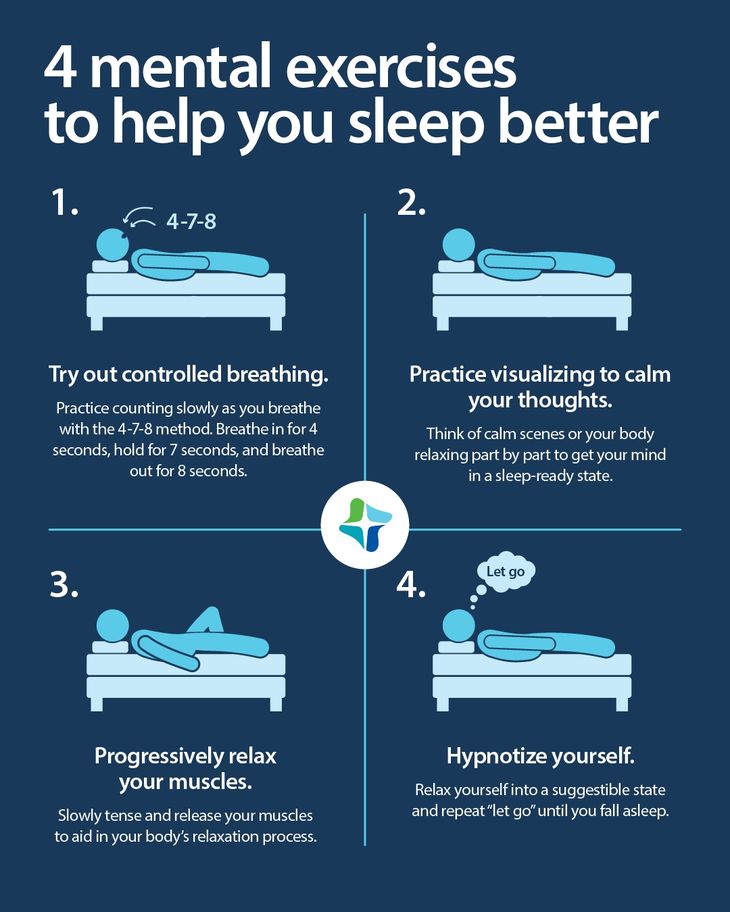
Step 5: Utilize Progressive Muscle Relaxation to Induce Sleep
Lie down comfortably in your dark bedroom exactly at your designated target bedtime.
Close your eyes and focus on your breathing pattern while inhaling slowly through your nose.
Tense the muscles in your feet for five seconds, then release them slowly.
Move systematically up your body, tensing and relaxing each muscle group up to your face.
This clinical technique naturally lowers your heart rate and signals your nervous system to rest.
Wake up exactly at your target morning time the next day without hitting the snooze button.
The Herz P1 Smart Ring is an invaluable tool to support you throughout this challenging sleep reset journey.
It acts as a personal health hub on your finger, measuring every heart fluctuation and oxygen level.
With its highly precise optical sensors, you can monitor your recovery progress in real time.
You can purchase this advanced tracker without worrying about any restrictive monthly subscription fees.
90-Day 100% Money-Back Guarantee
“The Herz Smart Ring helps me manage stress easily. It’s accurate, stylish, and lightweight—perfect for my busy life!”
— Jennifer P. | ✔ Verified Customer
- ✓ 6-Day Battery Life
- ✓ Detailed Sleep Analysis
- ✓ Fast 1-Hour Charging
- ✓ iOS & Android Ready
Questions? Call: 1-866-479-1629
The Biological Cost: What Happens When You Pull an All Nighter to Fix Your Sleep Schedule?

Many struggling sleepers ask themselves: can pulling an all nighter fix sleep schedule issues safely?
The answer requires a deep look into the complex mechanisms of human chronobiology.
Your body is naturally governed by an internal biological master clock located in the brain.
This master clock regulates your body temperature, hormone release, and daily sleep-wake patterns.
When you attempt an all nighter to reset sleep schedule systems, you are forcing a complete state of sleep deprivation.
This deprivation creates an intense physiological pressure known as sleep debt.
Your brain accumulates a chemical called adenosine for every hour that you remain awake.
This chemical build-up eventually overpowers your internal alerting signals.
However, the National Sleep Foundation warns that this extreme method is highly stressful for your cardiovascular system.
Forcing yourself to stay awake for twenty-four hours causes your cortisol levels to skyrocket.
Cortisol is the primary stress hormone of the body, and its elevation keeps your heart rate abnormally high.
The American Heart Association has documented that prolonged wakefulness can lead to sustained high blood pressure.
Furthermore, your body struggles to maintain proper glucose metabolism during periods of sleep deprivation.
This metabolic strain often causes intense cravings for unhealthy, high-calorie carbohydrates.
Using an all nighter to fix sleep schedule issues can also temporarily weaken your immune response.
Your body produces fewer protective cytokines when it is deprived of essential overnight rest.
Many people who attempt this reset end up falling asleep during the late afternoon of the following day.
This accidental nap destroys the homeostatic sleep drive you worked so hard to build.
It leaves you frustrated and wondering: why do i wake up tired even when I get a long sleep?
This cycle of extreme wakefulness followed by irregular sleeping hours creates severe circadian misalignment.
Instead of curing your problem, it can amplify insomnia and chronic daytime fatigue.
Tracking your physiological markers with the Herz P1 Smart Ring helps you avoid these dangerous health pitfalls.
It gives you the exact data you need to make safe, informed decisions about your daily sleep adjustments.
Using Biometric Metrics to Decode Your Recovery After a Sleep Reset
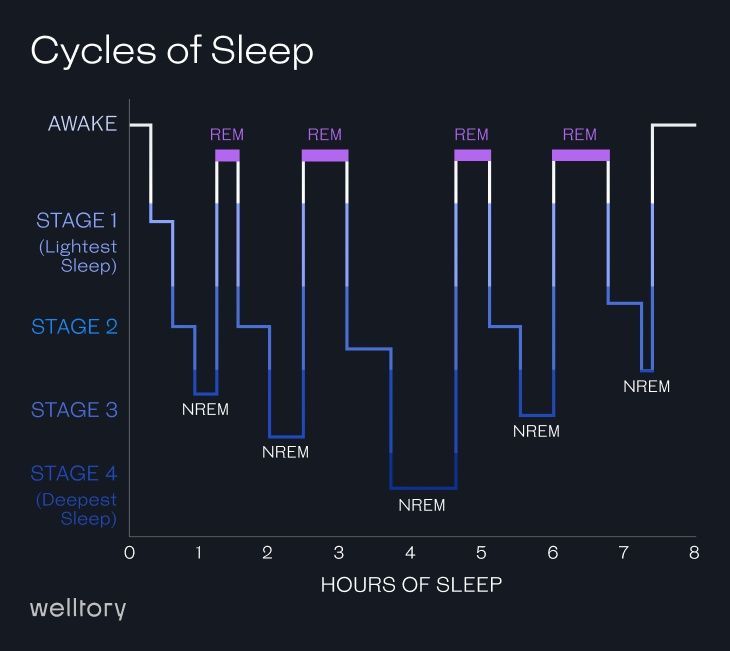
Once you complete a sleep reset, your brain will experience a dramatic shift in its nightly sleep architecture.
Your body naturally prioritizes slow-wave deep sleep during the first recovery night.
Deep sleep is the vital phase where physical recovery, tissue repair, and muscle growth occur.
During this phase, your pituitary gland releases essential growth hormones to heal your body.
Your brain also clears out cellular metabolic waste products through the glymphatic system.
To ensure your recovery is successful, you must learn how to read sleep graphs correctly.
The Herz P1 Smart Ring displays these complex sleep stages in beautiful, easy-to-understand charts.
It tracks your heart rate variability, blood oxygen levels, and body temperature fluctuations continuously.
A higher heart rate variability indicates that your autonomic nervous system is in a healthy, restorative state.
If your heart rate variability remains low, your body is still struggling with the stress of the reset.
You can learn more about managing this delicate recovery process by reading our comprehensive guide on the all-nighter-to-fix-sleep-schedule methodology.
During the recovery phase, your body might experience an increased average awake time during sleep as your rhythm stabilizes.
This stability does not occur instantly and often takes several nights of consistent bedtime habits.
Some individuals experience sudden awakenings during the early hours of the morning.
They often find themselves asking: why do i wake up at 3am on these recovery nights?
These sudden awakenings are typically driven by residual cortisol fluctuations and adrenaline imbalances.
Your body is still adjusting to the abrupt shift in your circadian sleep-wake cycle.
The Herz P1 Smart Ring tracks these subtle disruptions and shows you exactly when they occur.
This accurate data allows you to fine-tune your evening habits and optimize your long-term sleep health.
How to Read Your Recovery Patterns on the Herz P1 App
The Herz P1 companion app provides you with an intuitive, subscription-free wellness dashboard.
It translates your complex biological signals into a simple daily Sleep Score between one and one hundred.
You can use this Sleep Score to plan your daily physical activities and work intensity.
If your Sleep Score is below seventy, focus on active recovery, light stretching, and early rest.
When your Sleep Score is above eighty-five, your body is primed for intense workouts and high-productivity tasks.
The app also monitors your blood oxygen saturation levels continuously throughout the night.
Healthy oxygen saturation levels should ideally remain between ninety-five and one hundred percent.
Any drop in your overnight oxygen levels could indicate breathing disruptions or poor air quality in your bedroom.
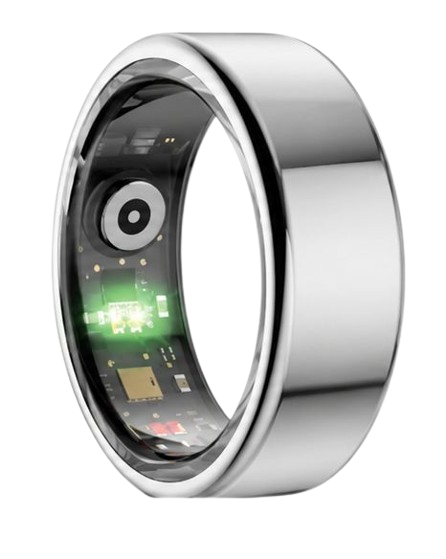
The Herz P1 Smart Ring is crafted from ultra-lightweight, military-grade steel for maximum comfort.
You can wear it twenty-four hours a day without experiencing the skin irritation common with rubber smartwatch straps.
Its slim profile makes it virtually unnoticeable when you clench your fist or sleep.
This comfort is essential for gathering clean, uninterrupted nighttime data.
You will no longer have to worry about removing your device to charge it every single night.
With its long-lasting six-day battery life, the Herz P1 tracks your health seamlessly around the clock.
Why Bulky Smartwatches Fail Sleepers and How to Avoid Subscription Traps
Many health-conscious individuals make the mistake of wearing large, heavy smartwatches to bed.
These bulky devices frequently shift position on your wrist during the night.
This movement creates gaps in your heart rate and sleep stage tracking.
Furthermore, the bright screens of smartwatches can accidentally turn on and wake you up.
These constant interruptions can significantly degrade your overall sleep quality.
Another major frustration in the wearable market is the hidden cost of ongoing subscriptions.
Many premium brands charge you a hefty initial hardware fee and then lock your health data behind a paywall.
They force you to pay monthly or annual subscription fees just to view your personal biometric trends.
We believe that you should never have to pay a recurring fee to access your own body’s data.
The Herz P1 Smart Ring provides full, unrestricted access to all of your health metrics for life.
Our companion app is completely free, with no hidden charges or subscription prompts ever.
This makes the Herz P1 a highly cost-effective and reliable long-term health companion.
Its military-grade steel construction ensures it will survive your toughest workouts and daily chores.
With a comprehensive two-year warranty and a ninety-day money-back guarantee, your purchase is entirely risk-free.
Frequently Asked Questions About Sleep Resets and Herz P1
Is the Herz P1 Smart Ring waterproof?
Yes, the Herz P1 Smart Ring features a premium IP68 waterproof rating.
This rating ensures that the device is fully protected against dust and continuous water immersion.
It can safely withstand depths of up to one hundred and sixty-four feet without any water penetration.
You can wear it while washing your hands, taking hot showers, swimming, or even doing dishes.
The seamless inner molded liner protects the advanced sensors from moisture and sweat.
How long does the battery last and how fast does it charge?
The Herz P1 Smart Ring features an advanced battery that lasts up to six full days on a single charge.
This battery performance is highly optimized to run continuous biometric scans throughout the day and night.
When the battery is depleted, you can charge it back to full capacity in under one hour.
This rapid charging speed means you will rarely miss a single minute of health tracking.
The included magnetic USB charging cradle ensures a secure and effortless connection every time.
Which finger is the best to wear the smart ring on?
The index finger of your non-dominant hand is the ideal choice for maximum sensor accuracy.
This finger typically has the most accessible blood vessels near the skin surface for the PPG sensors.
The middle finger and the ring finger are also excellent and comfortable alternatives.
You should choose a finger where the ring fits snugly but comfortably without rotating freely.
Ensure that the flat sensor area on the inside of the ring sits against the palm-side of your finger.
Does the Herz P1 Smart Ring store data offline?
Yes, the Herz P1 Smart Ring features secure local storage that can hold up to seven days of biometric data offline.
This allows you to sleep or exercise without keeping your smartphone nearby at all times.
The ring will automatically sync all of your stored data once it reconnects to your phone via Bluetooth.
Your data is fully encrypted during storage and transmission to guarantee your privacy.
This offline capability is perfect for travelers, outdoor athletes, and those who prefer a screen-free sleep environment.
How can I safely fix my sleep schedule after an all-nighter?
Fixing your sleep schedule after an all-nighter requires maintaining a strict wake-up time on the following day.
Avoid taking any naps during the day of your reset to maximize your natural homeostatic sleep drive.
Go to bed early at your new target bedtime and sleep for a full eight hours.
The next morning, expose your eyes to direct natural sunlight for at least twenty minutes.
This bright light exposure will help reset your brain’s internal master clock to your new schedule.
Monitor your sleep recovery metrics on the Herz P1 App to ensure your body is recovering properly.
Conclusion
Taking control of your sleep schedule requires precise physiological insights.
The subscription-free Herz P1 Smart Ring is your ultimate lifetime wellness companion.
Ready to monitor your health every day?
Explore the Herz P1 Smart Ring to see if it fits your lifestyle.
Call: 1-866-479-1629 — our team can advise on the correct ring size and set personalized goals.
