

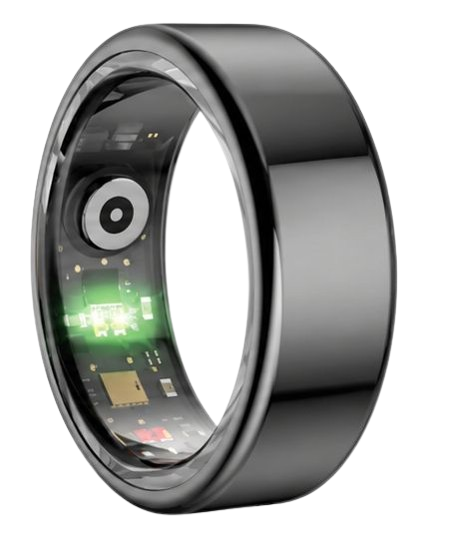
Many people believe attempting an all-nighter-to-fix-sleep-schedule is a quick, fool-proof way to reset their biological clock, but managing your daily energy actually requires a more strategic, biometric approach. The Herz P1 Smart Ring decodes your body’s deep cardiovascular signals, showing you exactly how sleep loss impacts your recovery so you can rebuild healthy sleep habits safely and scientifically.
Built to Last. Save Up to 69% Today.
The Herz P1 Smart Ring tracks HRV, Sleep, Heart Rate & SpO2 around the clock. No subscriptions. No renewals. Ever.
In This Article
- Step-by-Step Recovery Guide: How to safely reset your internal biological clock.
- Circadian Biology Analysis: What staying awake for twenty-four hours actually does to your body.
- Biometric Sleep Graphs: How to track and understand your deep sleep, REM, and HRV trends.
- Smart Sizing & Avoidable Pitfalls: Mitigating common tracking issues with advanced wearable technology.
How to Reset Your Body Clock: A Step-by-Step Recovery Guide

Prerequisites / What You’ll Need
To successfully reset your biological rhythm, you must prepare specific physiological conditions.
You will need an environment that allows for complete darkness during your sleep window.
You also require exposure to bright, natural sunlight during your waking hours.
A continuous biometric tracker is helpful to monitor your physical adaptation in real time.
Avoid taking any unprescribed sleeping aids that could artificially alter your natural hormone levels.
Lastly, commit to a fixed schedule for at least seven consecutive days to lock in your new cycle.
Step 1: Anchor Your Desired Wake-Up Time
You must establish a firm, non-negotiable hour to rise each morning.
Set an alarm for your target waking time and place it across the room.
Get out of bed immediately when the signal sounds to begin your day.
Do not allow yourself to sleep in, even if you feel intensely fatigued.
This strict boundary helps your brain calculate when to release cortisol and melatonin.
Step 2: Control Bright Light Exposure
Natural light is the absolute primary signal for your internal master clock.
Step outside into direct morning sunlight within thirty minutes of waking up.
Allow the light to reach your eyes without sunglasses for at least ten minutes.
This exposure halts melatonin production and initiates your daytime energy cycle.
In the evening, dim all artificial overhead lights to simulate a natural sunset.
Step 3: Postpone Caffeine Consumption
Resist the urge to drink caffeinated beverages immediately after waking.
Wait at least ninety minutes to allow your natural waking hormones to peak.
This delay prevents a severe afternoon energy crash and balances your stress systems.
Establish a strict caffeine curfew at least eight hours before your target bedtime.
Caffeine blocks adenosine receptors, which actively prevents deep physical recovery.
Step 4: Engage in Light Physical Activity
Movement reinforces your body’s active state and helps build natural sleep pressure.
Take a brisk twenty-minute walk in the morning or early afternoon.
Avoid performing high-intensity workouts within four hours of your planned bedtime.
Late-night exercise raises your core body temperature and delays sleep onset.
Keep your evening routines relaxed and physically calm to prepare your heart for rest.
Step 5: Master the Sleep Pressure Transition
Sleep pressure must build up naturally throughout your entire waking period.
Do not take any long recovery naps during your transition phase.
If you experience extreme sleepiness, limit rests to a brief ten-minute pause.
Go to bed only when you feel a genuine physical sensation of sleepiness.
This technique ensures your brain transitions rapidly into deep slow-wave sleep.
Enhancing Your Reset with Technology
The Herz P1 Smart Ring simplifies this transition by tracking your physical responses.
Our advanced wearable measures how your heart rate stabilizes over successive nights.
You can see the exact impact of your morning sunlight habits on your recovery trends.
This continuous tracking allows you to make data-informed adjustments daily.
The ring requires zero monthly fees, giving you full access to your biometric history.
90-Day 100% Money-Back Guarantee
“The Herz Smart Ring helps me manage stress easily. It’s accurate, stylish, and lightweight—perfect for my busy life!”
— Jennifer P. | ✔ Verified Customer
- ✓ 6-Day Battery Life
- ✓ Detailed Sleep Analysis
- ✓ Fast 1-Hour Charging
- ✓ iOS & Android Ready
Questions? Call: 1-866-479-1629
The High Cost of Sleep Deprivation: How 24 Hours Awake Alters Your Circadian Rhythm
Staying awake for twenty-four hours causes immediate changes to your delicate hormonal systems.
Many busy professionals consider pulling all nighter to fix sleep patterns after travel or intense work cycles.
However, forcing extreme wakefulness creates a massive physiological debt.
This debt is known as the homeostatic sleep drive.
As you stay awake, the molecule adenosine continually builds up in your brain tissue.
Adenosine acts as a natural indicator of physical tiredness.
Under normal conditions, your brain clears this accumulation during deep rest phases.
When you stay awake all night, adenosine levels reach extreme concentrations.
This buildup produces severe cognitive fog and slowed reaction times.
Furthermore, this extreme state disrupts your delicate circadian sleep wake cycle.
Your circadian rhythm is governed by a master internal clock called the suprachiasmatic nucleus.
This internal master clock relies heavily on regular cycles of light and darkness.
A sudden decision to skip a full night of sleep desynchronizes this master clock from your local time.
This mismatch causes your body to release cortisol at incorrect times of the day.
Cortisol is your primary hormone responsible for energy, alertness, and stress response.
When cortisol spikes in the evening, you will struggle to fall asleep.
This hormonal dysregulation can lead to long-term cardiovascular stress.
The American Heart Association has documented that irregular sleep schedules raise blood pressure trends.
Additionally, sleep loss suppresses your parasympathetic nervous system activity.
This suppression prevents your heart rate from dropping into its natural resting zone.
Consequently, your body remains in a prolonged state of fight-or-flight.
Therefore, we must analyze these biological metrics to understand the true impact of sleep loss.
Rather than relying on guess-work, you should monitor these cardiovascular metrics continuously.
A continuous biometric tracker helps you see exactly how your heart adapts to stress.
Deep Sleep, REM, and HRV: The Biometric Indicators of True Rest
Understanding your sleep quality requires looking beyond the total hours spent in bed.
You may often ask yourself, why do i wake up tired even after sleeping for eight full hours?
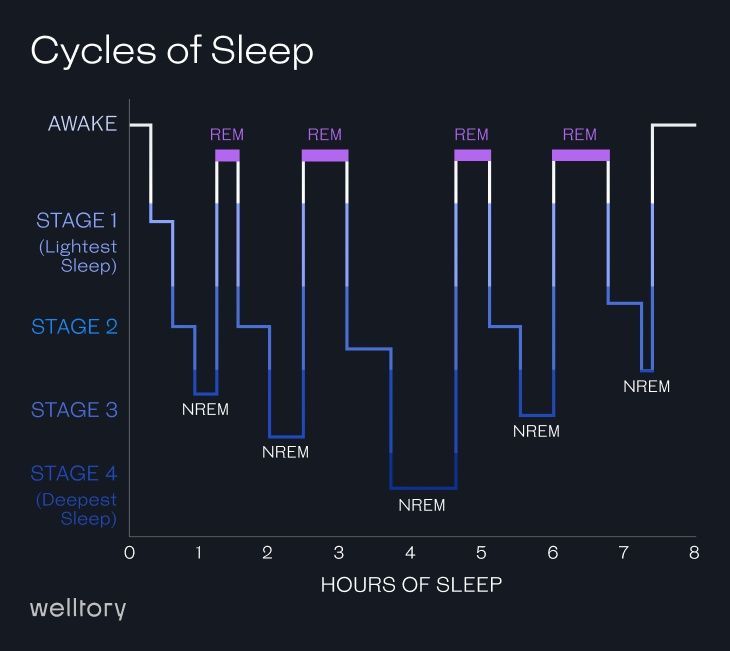
The core issue is usually a lack of deep slow-wave sleep or rapid eye movement phases.
Deep sleep is the physical recovery phase where your muscles repair and growth hormone is released.
Without sufficient deep sleep, your body cannot recover from daily physical strain.
REM sleep is the mental recovery phase where your brain processes memories and emotions.
If you disrupt your routine, your brain will struggle to balance these vital phases.
This disruption often leads to sleep fragmentation and early morning awakenings.
Many stressed individuals ask, why do i wake up at 3am with a racing heart and mind?
This phenomenon is frequently caused by a sudden drop in blood glucose or a surge in cortisol.
When your body clock is unstable, your stress response system becomes hyper-reactive.
You can track these delicate autonomic responses through Heart Rate Variability, or HRV.
HRV measures the millisecond-level variation between your consecutive heartbeats.
A higher HRV score indicates a flexible, resilient autonomic nervous system.
A lower HRV score suggests that your body is struggling to manage its current stress load.
According to the National Sleep Foundation, sleep deprivation causes an immediate drop in baseline HRV.
The Herz P1 Smart Ring measures your HRV every five minutes throughout the night.
This continuous sampling rate provides a highly accurate picture of your physiological recovery.
Furthermore, our optical sensor tracks your blood oxygen saturation levels with high precision.
SpO2 levels during healthy sleep should ideally remain between ninety-five and one hundred percent.
Drops in SpO2 can indicate breathing disruptions that compromise your overall sleep quality.
Our multispectral PPG sensor maintains an exceptional accuracy rate within a narrow margin of error.
By monitoring these variables, you can make intelligent decisions about your daily exercise and workload.
How to Use Your Biometric Sleep Graphs to Rebuild Your Routine
Your recovery data is only valuable if you know how to apply it practically.
The companion app translates complex signal data into clean, visual representations of your night.
You should learn how to read sleep graphs to track your progress effectively.
The sleep graph displays your progression through light, deep, and REM cycles.
A healthy sleep cycle repeats approximately every ninety minutes throughout the night.
You should look for a steady, staircase-like pattern on your visual dashboard.
Pay close attention to your average awake time during sleep cycles.
It is entirely normal to have brief awakenings that you do not consciously remember.
However, excessive awake time indicates that your nervous system remains hyper-alert.
The Herz P1 Smart Ring utilizes a high-precision accelerometer to detect these subtle movements.
If you notice frequent spikes on your graph, it is time to adjust your pre-bed habits.
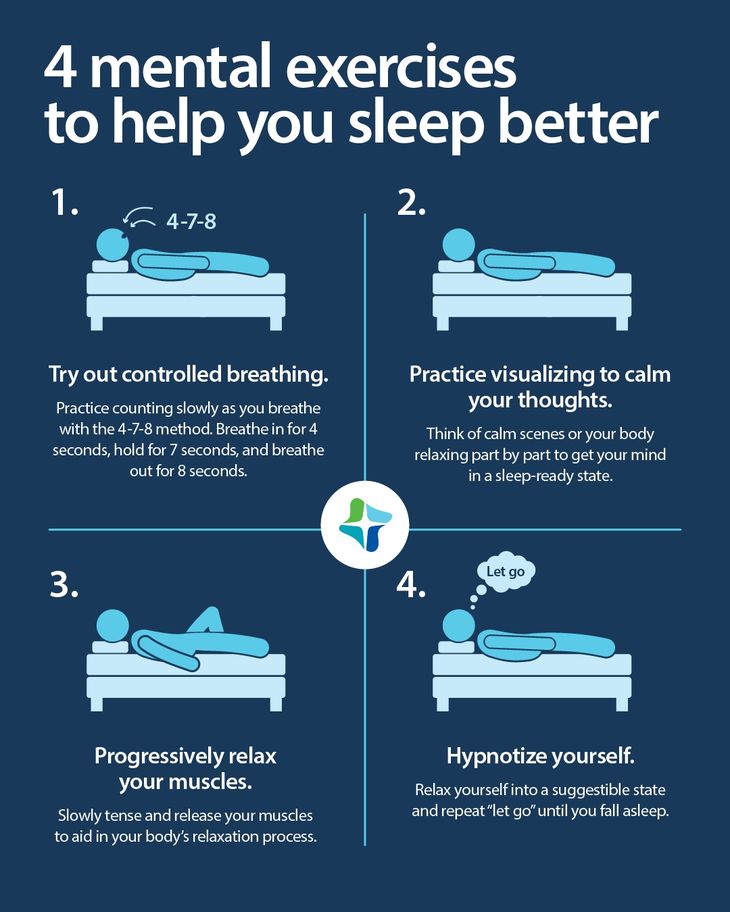
Try implementing a dedicated wind-down routine one hour before your target sleep time.
Engage in calming activities such as light reading, meditation, or warm baths.
Avoid check-ins on work emails or engaging in stressful conversations late at night.
Keep your sleeping space cool, quiet, and completely dark to prevent sensory interruptions.
By making these systematic adjustments, you will notice your sleep efficiency score improve.
Our long-term trend analysis helps you identify which specific habits produce the best rest.
This allows you to customize your lifestyle based on clear, individualized biometric proof.
Why Relying on Smartwatches for Sleep Tracking Can Backfire
Many consumers initially try to track their recovery using traditional wrist-worn smartwatches.
However, wearing a bulky smartwatch to bed can actively interfere with your rest.
The heavy chassis of a watch can press into your wrist as you change positions.
This physical pressure can trigger subtle awakenings that degrade your overall sleep quality.
Furthermore, most advanced smartwatches suffer from notoriously poor battery life.
If you must charge your device every single day, you will eventually miss critical tracking windows.
A tracker sitting on a charging stand cannot monitor your overnight biometrics.
In addition, several major tech brands lock your data behind expensive monthly paywalls.
These recurring subscription fees can quickly add up to over seventy dollars annually.
We believe that you should own your health data completely without ongoing financial barriers.
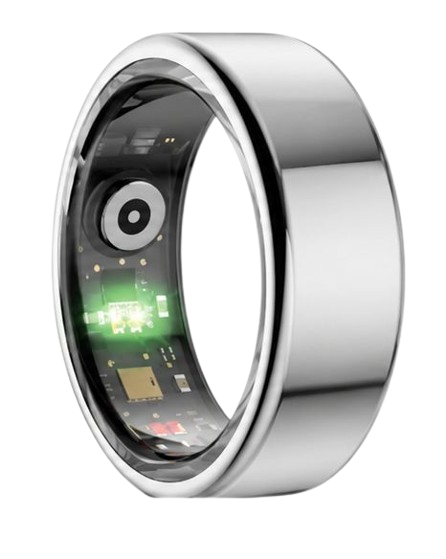
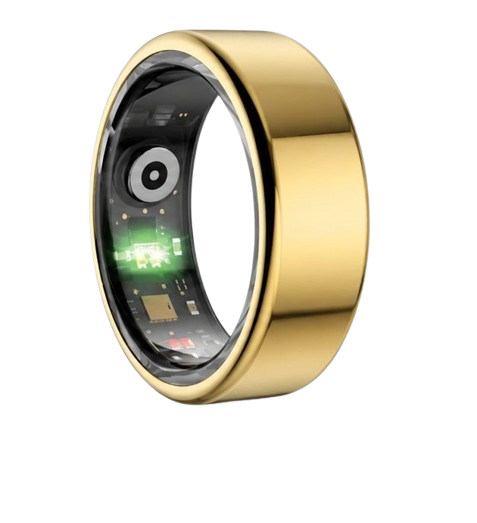
The Herz P1 Smart Ring offers a highly comfortable, subscription-free alternative.
Our ring is crafted from ultra-durable, military-grade stainless steel.
It weighs only three and a half grams and fits seamlessly on your finger.
The sleek, rounded profile prevents any catch or discomfort during your sleep.
The onboard battery provides up to six full days of continuous tracking on a single charge.
Our companion application is completely free for lifetime use with no hidden costs.
You receive full access to your sleep stages, HRV trends, and SpO2 logs forever.
Frequently Asked Questions About Resetting Sleep Cycles
Is the Herz P1 Smart Ring waterproof?
The Herz P1 is fully certified with an IP68 waterproof rating.
This high-level certification ensures the ring is completely protected against water ingress.
You can safely wear the ring while swimming, showering, or washing your hands.
It can withstand continuous submersion in water up to a depth of fifty meters.
You never have to worry about removing the ring during your daily water activities.
How long does the battery last?
The internal battery delivers up to six full days of continuous tracking on a single charge.
Our advanced energy-saving technology minimizes power draw during continuous monitoring.
A full charge takes under sixty minutes using the included magnetic charging cradle.
This rapid charge capability ensures you rarely have to miss a night of tracking.
You can quickly top up the battery while you prepare for your morning routine.
Which finger is best to wear it on?
We recommend wearing the Herz P1 on your index, middle, or ring finger.
The index finger typically offers the strongest pulse signal for optical monitoring.
However, any of these three fingers will produce highly accurate biometric tracking.
Ensure the ring fits snugly but remains comfortable throughout the day and night.
A proper fit prevents the ring from rotating and losing sensor contact during sleep.
Does it store data offline?
Yes, the Herz P1 features seven days of secure, local data storage.
You do not need to keep your smartphone nearby while you are sleeping.
The ring will record your HRV, sleep stages, and oxygen levels independently.
Once you open the app, your recorded data will sync automatically via Bluetooth.
This ensures you never lose valuable insights even when your phone is turned off.
Conclusion
Resetting your sleep cycle requires patience and precise biometric insights. The Herz P1 Smart Ring tracks your recovery trends around the clock without subscription fees. Ready to monitor your health every day? Explore the Herz P1 Smart Ring. Call: **1-866-479-1629** — our team can help advise on your ring size and health goals.
Note: Individual results may vary depending on individual health conditions, age, and lifestyle habits. This article is intended for general health reference purposes only.
