

Does Nicotine Keep You Awake at Night and Affect Sleep? The Biometric Reality
Why do you wake up at 3 AM with a racing mind? While many blame stress, the hidden culprit is often nicotine. As a powerful stimulant, it deeply disrupts your Sleep Stages and Heart Rate Variability (HRV). At Team Mind Body Dan, we explore how tracking biometrics with tools like the Herz P1 Smart Ring helps you reclaim restful, screen-free nights.
Take Back Your Sleep.
Take Back Your Life.
- Fall asleep faster & sleep deeper
- Stop waking up in the middle of the night
- Wake up refreshed & full of energy
In This Comprehensive Guide:
- The Quick Answer: Nicotine’s Direct Impact on Rest
- The Biometric Reality: HRV, Sleep Stages, and Sympathetic Drive
- Why Traditional Wearables Fail: The Screen-Free Solution
- Actionable Steps: Reclaiming Your Nights & Monitoring Progress
The Biometric Impact: How Nicotine and Sleep Conflict in Your Body
The Quick Answer
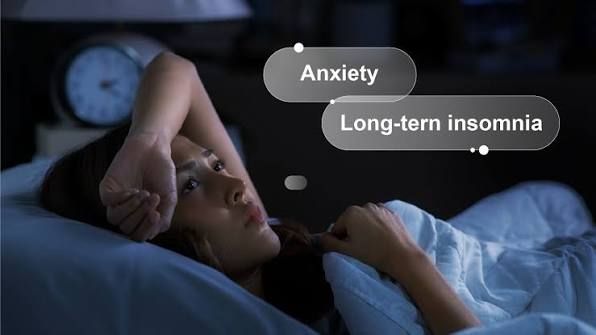
Yes, nicotine is a highly potent central nervous system stimulant that actively interferes with your body’s ability to transition into deep, restorative sleep. The short answer is that nicotine prevents your heart rate from dropping naturally during the night, keeping your brain in a state of high alert. However, to choose the right recovery path, you must understand how the ongoing relationship between nicotine and sleep alters your cardiovascular metrics, sleep architecture, and daily energy levels.
A Detailed Science-Backed Explanation
Many people who suffer from sleeplessness ask, “does nicotine keep you awake?” without realizing that the chemical molecule itself mimics acetylcholine, a major neurotransmitter in the brain. When you inhale or consume nicotine, it binds to nicotinic acetylcholine receptors, triggering an immediate cascade of excitatory neurotransmitters, including dopamine, epinephrine, and norepinephrine. This reaction raises your resting heart rate (RHR), constricts blood vessels, and spikes your blood pressure.
Historically, researchers studying how does smoking affect sleep noted that smokers routinely experienced prolonged sleep latency—the clinical term for the time it takes to fall asleep. Because nicotine raises cortical arousal, your brain’s electrical activity remains closer to an awake state even after you close your eyes. Instead of gently drifting into NREM (Non-Rapid Eye Movement) sleep, your body remains chemically trapped in a light, easily disrupted sleep state.
Furthermore, the connection between nicotine and sleep becomes particularly destructive during the second half of the night. Nicotine has a relatively short half-life of roughly two hours. As your body begins to metabolize the chemical while you sleep, mild withdrawal symptoms set in. This chemical drop-off triggers micro-arousals—brief, often unnoticed awakenings that pull you out of deep and REM sleep stages. This explains why so many nicotine users experience the classic “3 AM wake-up” accompanied by a racing mind and subsequent morning brain fog.
Scientific studies on nicotine and sleep demonstrate that these structural changes in sleep architecture lead to chronic, non-restorative sleep. Even if you sleep for eight hours, the lack of slow-wave (deep) sleep means your muscle tissues, immune system, and cognitive pathways do not fully recover. When looking at nicotine and sleep research, the evidence is clear: the stimulant acts as a biological roadblock to high-quality physiological recovery.
🔑 Crucial Biometric Markers to Track
When analyzing the impact of nicotine on your body, watch these essential trends:
- Resting Heart Rate (RHR) Dip: Your heart rate should bottom out in the first half of the night. Stimulants delay this dip, keeping your cardiovascular system under stress.
- Heart Rate Variability (HRV): Higher HRV indicates robust parasympathetic recovery. Nicotine suppresses this vital score by keeping you in a fight-or-flight state.
- Deep Sleep Percentage: Healthy adults need 15-25% of their night in deep sleep for cellular restoration. Nicotine use typically slashes this percentage in half.
When to Use and When Not to Use Tracking
Biometric tracking is highly effective when you want to objectively see how your evening habits influence your recovery. If you are struggling with unexplained fatigue, daily stress, or fragmented nights, monitoring your biometrics offers clear, numbers-based feedback on the impact of nicotine and sleep on your unique cardiovascular system.
However, tracking should not be used as a tool for obsessive self-judgment. If viewing your sleep scores causes you additional anxiety, or if you are looking for a device to diagnose clinical sleep apnea or cardiac disease, a standard wearable is not the correct solution. Biometric trackers are designed to highlight trends, monitor lifestyle changes, and provide data-informed insights—not to replace medical diagnoses.
Actionable Lifestyle Solutions
To break the cycle of poor rest, we highly recommend trying a dedicated, screen-free tracking method to observe these biometric changes. Introducing a screen-free device like the Herz P1 Smart Ring to your evening routine allows you to effortlessly monitor Sleep Stages like REM, Deep, and Light sleep without adding the sleep-disrupting blue light of a smartphone or traditional smartwatch. By establishing a “nicotine curfew” (no consumption within 4 to 6 hours of bedtime) and pairing it with smart biometric monitoring, you can directly watch your resting heart rate lower and your recovery scores improve day by day, giving you accurate insights into your Heart Rate Variability (HRV) and overall health trends.
Frequently Asked Questions
Q1: Does nicotine keep you awake if consumed close to bedtime?
Yes. Because nicotine stimulates the release of adrenaline and raises your heart rate, consuming it close to bedtime chemically signals your brain that it is time to stay awake, delaying your sleep onset significantly.
Q2: Does nicotine affect sleep quality even if I fall asleep quickly?
Absolutely. Even if you fall asleep easily due to sheer exhaustion, the presence of nicotine in your bloodstream suppresses deep sleep and REM sleep, leading to a shallow, fragmented night and waking up feeling unrefreshed.
Q3: How does smoking affect sleep compared to modern alternatives like vaping or pouches?
While smoking introduces carbon monoxide and airway-irritating combustive toxins, modern vaping and nicotine pouches often deliver higher, more concentrated doses of nicotine. These clean but concentrated doses can cause even stronger central nervous system stimulation, severely disrupting your sleep stages.
Q4: Can tracking my biometrics help me see the direct correlation between nicotine and sleep?
Yes. Tracking metrics like resting heart rate and HRV will show a clear trend: nights with late-night nicotine use will typically show a elevated resting heart rate and a lower, suppressed HRV compared to your baseline recovery nights.
Q5: How can I monitor my sleep stages without adding screen time before bed?
Using a screen-free biometric tracker, such as a smart ring, allows you to capture accurate physiological data overnight without the distraction of notifications, blue light, or bulky smartwatch screens on your wrist.
Diving Deeper: Heart Rate Variability (HRV) and Sleep Stages
The Autonomic Nervous System Battleground
To truly comprehend how the connection between nicotine and sleep operates, we must look at the autonomic nervous system (ANS). The ANS is divided into two main branches: the sympathetic nervous system (“fight-or-flight”) and the parasympathetic nervous system (“rest-and-digest”). When we sleep, a healthy body transitions into a parasympathetic state, allowing heart rate to drop, digestion to occur, and repair processes to begin. This shift is characterized by a high Heart Rate Variability (HRV)—the millisecond variations between consecutive heartbeats.
When asking ourselves, “does nicotine keep you awake”, we must examine what happens when nicotine enters this delicate equation. As a vasoconstrictor and stimulant, nicotine forces your body to remain locked in sympathetic drive. Your adrenal glands release adrenaline, which elevates your resting heart rate and suppresses your HRV. A lower HRV is a classic biometric indicator of physiological stress, meaning your cardiovascular system is working overtime when it should be resting. Utilizing advanced biometric tracking helps you make data-informed decisions by revealing how long this sympathetic drive persists after your last evening dose.
Disrupting the Architecture: REM, Deep, and Light Sleep
Sleep is not a uniform state of unconsciousness. Instead, your brain moves through complex, structured sleep cycles lasting approximately 90 minutes each, shifting between light sleep, deep sleep (slow-wave sleep), and REM (Rapid Eye Movement) sleep. Each stage plays a vital role in health. Deep sleep is responsible for physiological repair, muscle growth, and immune function, while REM sleep handles emotional processing, memory consolidation, and creative thinking.
But exactly does nicotine affect sleep architecture? The chemical stimulation disrupts this natural progression in several ways:
- Delayed Sleep Onset: Because your brain is chemically stimulated, you spend more time tossing and turning, which reduces your total available sleep window.
- Suppressed Deep Sleep: Nicotine blocks the brainwaves required to enter deep NREM sleep. Without this crucial phase, you wake up feeling physically heavy and unrested, struggling with morning brain fog.
- Fragmented REM Cycles: The withdrawal effects that occur in the middle of the night trigger micro-arousals. This cuts short your REM cycles, leaving you feeling mentally exhausted and emotionally drained during the day.
When examining how does smoking affect sleep, we see a distinct pattern of physical airway resistance combined with chemical stimulation. Traditional cigarette smokers suffer from inflamed upper airways, which increases the likelihood of snoring and sleep-disordered breathing. However, even screen-free, modern alternatives like nicotine pouches or vaping devices deliver concentrated nicotine that compromises your sleep architecture in identical ways. The disruptive cycle of nicotine and sleep dysfunction persists regardless of how the chemical is delivered.
Reclaiming Your Nights: Actionable Strategies to Optimize Recovery

Practical Sleep Hygiene for Nicotine Users
Evaluating the question of does nicotine affect sleep requires looking beyond just the hours spent in bed. To truly optimize your recovery while navigating the challenges of nicotine and sleep, a structured approach to evening habits is essential. The first step is implementing a strict nicotine curfew. By stopping all nicotine use at least 4 to 6 hours before you intend to sleep, you allow your body’s cardiovascular system to begin clearing the stimulant, paving the way for a lower resting heart rate when your head hits the pillow.
Secondly, pair this chemical curfew with a solid, screen-free wind-down routine. Exposure to blue light from smartphones, TVs, and tablets suppresses the production of melatonin—the hormone responsible for signaling sleep. When combined with the stimulating properties of nicotine, digital screens create a double whammy that completely halts your body’s natural transition into a restful state.
Transitioning from a bulky, screen-heavy smartwatch to an elegant smart ring removes the visual distraction of glowing notifications from your nightstand, helping you maintain a peaceful environment while still monitoring your physiological trends in the background.
The Power of Screen-Free, Biometric Tracking
To truly master your sleep, you need to understand your unique biometrics. Traditional smartwatches can be incredibly bulky to sleep in, require daily charging, and interrupt your rest with bright, distracting screens and vibrating notifications. That is why screen-free biometric tracking has become the preferred choice for health-conscious individuals who want to optimize their recovery without adding more digital clutter to their lives.
Instead of leaving you to decipher complex, hard-to-read graphs, advanced smart rings translate your overnight biometrics—such as HRV and sleep stages—into an intuitive daily Recovery Score. This score serves as a simple, actionable guide to help you decide how hard to push your body each day. By measuring the long-term correlation of nicotine and sleep patterns, you can make informed lifestyle adjustments to reclaim your physical and mental energy.
Fortunately, you do not need to deal with the frustration of ongoing monthly subscription fees or uncomfortable, heavy wristwear to get premium health insights. Utilizing this premium, subscription-free, and ultra-lightweight titanium daily health tracker protects your evening routine from unnecessary screen-time while gathering clinical-grade biometric insights to guide your journey back to restorative rest.
Monitor Your Recovery Sans the Screens
Your sleep tracking companion should never be another source of digital blue light. Discover how monitoring your HRV and Sleep Stages with a screen-free, subscription-free titanium ring can transform your sleep hygiene.
By utilizing smart, unobtrusive wearables, you can pinpoint the exact habits that contribute to your non-restorative sleep. Whether it is a late-night coffee, a high-stress workday, or the timing of your nicotine consumption, seeing your physiological response laid out in simple numbers takes the guesswork out of your wellness routine. Over time, adjusting your lifestyle and watching your deep sleep percentage rise provides the ultimate validation that your efforts to reclaim your sleep are working.
If you constantly ask yourself “does nicotine keep you awake” as you stare at the ceiling during 3 AM awakenings, it is time to stop guessing. Take control of your daily habits, honor your body’s circadian rhythm, and let science-backed biometric insights guide you toward deeper, more restorative nights.
Disclaimer: Results may vary depending on individual physical activity levels, unique health conditions, and daily tracking patterns. The insights provided in this article are intended for educational and tracking purposes only and should not replace professional medical advice or diagnoses. Always consult with a qualified healthcare professional before making significant changes to your diet, exercise, or lifestyle habits.
