

Muse S Headband Review: Is It Good for Sleep Meditation?
Lying awake at 3 AM with a racing mind is exhausting, but finding the right biometric tracker can be equally overwhelming. In this hands-on muse s headband review, we analyze how this EEG-powered device tracks sleep and aids meditation, while comparing it to screen-free alternatives like the subscription-free Herz P1 Smart Ring to find your path to deep, restorative sleep.
Take Back Your Sleep.
Take Back Your Life.
- Fall asleep faster & sleep deeper
- Stop waking up in the middle of the night
- Wake up refreshed & full of energy
Key Article Highlights
- EEG-Based Biofeedback: The Muse S uses multi-sensor EEG technology to deliver real-time feedback on your brainwaves during meditation.
- Digital Sleep Pills: Gentle audio soundscapes dynamically adjust to your brainwaves to help you drift off.
- Subscription Model: Most advanced meditation courses and premium tracks require an ongoing monthly fee.
- The Comfort Paradox: While the fabric is soft, wearing a bulky headband to bed can cause accidental awakenings.
- The Screen-Free Alternative: Discover why a subscription-free, screen-free titanium ring might fit your sleep-tracking needs better.
1. Muse S Headband Review: Real-World Sleep & Meditation Testing
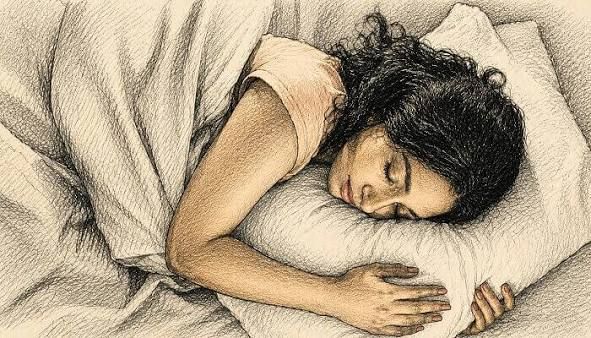
To write an authentic, helpful muse s headband review, our team at Mind Body Dan spent weeks wearing this advanced consumer EEG headband during both high-stress workdays and restless nights. The primary focus of the muse s is to serve as an interactive multi-sensor meditation device that actively translates your mental states into responsive soundscapes. If your mind is racing, the auditory environment mimics a storm; as you calm your brainwaves, the weather clears and birds chirp, providing instant confirmation of your mindfulness state.
Quick Performance Summary & Ratings
| Metric Evaluated | Our Rating (1-5 Stars) | Who It Is Best For |
|---|---|---|
| Biofeedback Accuracy | ★★★★☆ (4.5) | Dedicated meditation practitioners seeking EEG insights. |
| All-Night Comfort | ★★★☆☆ (3.2) | Back sleepers who do not move excessively in their sleep. |
| Sleep Stage Analysis | ★★★★☆ (4.0) | Users wanting brain-wave-based sleep phase tracking. |
| Value For Money | ★★☆☆☆ (2.8) | Those comfortable with high upfront costs & subscriptions. |
Product Overview: What is the Muse S?
The Muse S is a flexible, soft-fabric sleep tracker headband that sits across your forehead and wraps snugly behind your ears. It is embedded with medical-grade EEG (electroencephalography) sensors, alongside photoplethysmography (PPG) heart sensors, accelerometers, and gyroscopes. Unlike optical smartwatches that only measure blood flow variations at the wrist, this headband directly observes the electrical output of your brain to tell you exactly how deeply you are resting or meditating.
Its primary calling card is the combination of “Digital Sleeping Pills” (DSP) and active muse meditation biofeedback. The DSP system responds to your changing brain activity. If you wake up at 3 AM with a racing mind, the headband senses your cognitive shift and gently raises comforting audio stories or soothing acoustic layers to guide you back into sleep. For many, this offers an interesting alternative to traditional sleep hygiene tips, making the device highly appealing to those seeking interactive sleep aids.
Key Pros & Cons at a Glance
✓ Key Pros:
- Highly accurate EEG brainwave feedback during meditation.
- “Digital Sleeping Pills” dynamically respond to night awakenings.
- Soft fabric band feels gentler than hard plastic smartwatches.
✗ Key Cons:
- Expensive upfront cost combined with monthly subscription fees.
- Band can slip or shift on side-sleepers, cutting off data.
- Bulky to travel with; requires frequent charging cycles.
Real-World Experience & The Comfort Paradox
In our practical testing, we wore the headband over consecutive nights. The initial sensation is pleasant; the fabric is soft, and setting up the bluetooth connection is seamless. However, as sleep science experts, we must emphasize that comfort is highly subjective. If you are a side sleeper, the rigid sensor pod located at the center of the forehead can push uncomfortably into your temple or nose bridge when you roll over.
Furthermore, if you sweat during the night or toss and turn, the band is prone to sliding down your face. When the connection to the skin is broken, the audio immediately cuts out, or the companion app registers a “poor signal” error. This sudden lack of feedback can spark frustration, causing the exact mental tension you are trying to soothe. If your goal is to find out how to track sleep accurately without wearing a bulky accessory, a high-touch head-mounted tracker may prove too cumbersome for long-term daily wear.
Target Audience: Who is the Muse S For?
This headband is highly recommended for people who love structured mindfulness practice and want real-time biological proof of their zen states. If you struggle to quiet your thoughts during meditation, the auditory biofeedback is genuinely transformative. It provides an immediate reward for slow, rhythmic breathing and focused awareness.
However, if you are looking for an effortless, low-maintenance way to monitor your physical state, sleep stages, and heart rate variability (HRV) throughout the day and night, the Muse S is less ideal. It is not designed to be worn outside of the bedroom or your meditation space, and its lack of daytime tracking means it cannot provide a complete picture of your daily recovery or chronic stress patterns.
2. Biometric Accuracy, Heart Metrics, and the Sleep Tracking Experience
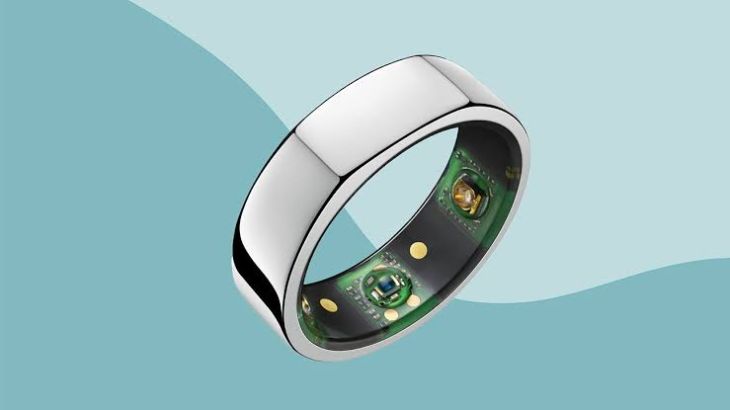
When reading a muse headband review, prospective buyers often ask: how does a headband stack up against other tracking form factors? By using clinical-grade EEG technology, the muse s tracks actual brain activity, which allows it to monitor the transitions between light, deep, and REM sleep cycles with impressive detail. If you are trying to understand your personal deep sleep vs REM sleep ratios, this direct neurological measurement is about as close as you can get to a laboratory sleep study without leaving your home.
But analyzing sleep involves more than just reading brain activity; it also requires monitoring the autonomic nervous system. This is where heart rate variability (HRV) comes in. Understanding understanding HRV metrics is crucial because HRV serves as a key indicator of your daily stress and physical recovery. The Muse S measures heart rate and HRV using a PPG sensor, but only while you are actively running a sleep session or formal meditation. If you wake up in the middle of the night, you won’t get a continuous, passive stream of daytime recovery data to contextualize why you are feeling sluggish.
“A truly effective tracker should fit seamlessly into your life. While EEG headbands offer incredible laboratory-style data, the physical burden of wearing a large band around your head all night can sometimes provoke the very sleep disruptions and brain fog you are trying to track.”
— Team Mind Body Dan Wearables Lab
This comfort dilemma often triggers a difficult choice. Many users who purchase a sleep tracker headband to overcome chronic daytime exhaustion find themselves struggling to fall asleep due to the sensation of the fabric on their forehead. If you are sensitive to sensory distractions when trying to quiet a stop racing mind at night, adding a physical device to your face can make sleep feel like a chore rather than a natural, restful state.
3. Overcoming Subscription Fatigue: A Sleek, Screen-Free Alternative

A notable hurdle highlighted in many a muse s headband review is the ongoing cost of subscription fees. While the initial device purchase is substantial, you must pay a recurring monthly or annual fee to unlock the full library of muse meditation courses, guided teachers, and detailed historical biometric tracking. This dynamic has left many health-conscious consumers experiencing severe wearables subscription fatigue, prompting a shift toward devices with a simple “buy once, own forever” model.
Furthermore, modern life is already filled with screens and digital distractions. If you are trying to counter evening stress and cognitive load, the last thing you want is to stare at a smartphone screen right before bed to configure a complex headset. For readers searching for the best sleep trackers without screens, there is an elegant, lightweight solution that bypasses these structural pain points entirely: the Herz P1 Smart Ring.
Discover the Herz P1 Smart Ring
Looking to track your sleep without bulky headbands or ongoing monthly subscription fees? Crafted from ultra-lightweight titanium, the Herz P1 Smart Ring monitors sleep stages, continuous HRV, and daily recovery in a highly elegant, screen-free design.
The Herz P1 Smart Ring sits subtly on your finger, weighing a mere 2.5 grams. It delivers medical-grade sleep and recovery monitoring without the bulk of a headpiece or the constant buzzing notifications of a smartwatch. By passively monitoring your heart rate variability, body temperature, and movement, it compiles your biometrics into a single, highly intuitive daily Recovery Score. This direct, simple metric is a great way to identify the lifestyle factors contributing to morning natural remedies for brain fog.
Ultimately, your choice depends on what you want from your health tech. If you want active, audio-guided brainwave feedback to help you build a strict meditation habit, the Muse S is an excellent, highly specialized option. But if you want a comfortable, set-and-forget companion that tracks your health day and night with zero screen distractions and zero hidden monthly costs, a premium smart ring is a highly practical path to reclaiming your physical energy and peace of mind.
Disclaimer: Results may vary depending on individual physical activity levels, unique health conditions, and daily tracking patterns. The technology discussed in this article is designed to monitor general wellness trends and guide mindfulness practice; it is not intended to diagnose, treat, or cure sleep conditions or medical disorders.
