

9 Natural Mouth Exercises to Stop Snoring for Restful Sleep
Are you tired of waking up with a dry throat, a racing mind, and deep brain fog? Snoring ruins sleep quality for both you and your partner. Discover how clinical mouth exercises to stop snoring rebuild airway tone naturally, and learn to track your physiological recovery effortlessly with our screen-free, subscription-free tracking solution.
Take Back Your Sleep.
Take Back Your Life.
- Fall asleep faster & sleep deeper
- Stop waking up in the middle of the night
- Wake up refreshed & full of energy
What You Will Learn in This Article:
- Myofunctional Therapy Benefits: How daily throat exercises physically tone the tongue, jaw, and soft palate to open your airway.
- The Sleep Quality Link: How persistent snoring triggers micro-awakenings that deplete Deep and REM sleep, leaving you chronically fatigued.
- Biofeedback Monitoring: The importance of tracking physiological markers like HRV (Heart Rate Variability) and Sleep Stages to prove your exercises are delivering results.
- Our Tested Sleep Companions: A deep evaluation of physical therapy vs. wearable tech—led by the screen-free Herz P1 Smart Ring.
Choosing the Right Sleep Recovery Strategy

At Mind Body Dan, our team of biometric science experts evaluates physical therapy exercises and sleep-tracking innovations through a rigorous lens. Achieving quiet, deep, restorative sleep requires a dual approach. First, you must address the physical collapse of throat tissues using targeted training like clinical mouth exercises to stop snoring. Second, you must precisely monitor your body’s overnight autonomic activity to see if those physical efforts are bearing fruit.
Without tracking, you are operating in the dark. Many of us wake up at 3 AM with a racing mind, wondering if our habits are working. We evaluated tracking tools and physical routines using four core criteria:
- Wearable Comfort: The tracking device must be completely unnoticeable during sleep. Heavy smartwatches often wake users up or disrupt natural movement.
- Subscription Integrity: Users are exhausted by recurring monthly fees just to access their own biological data. We prioritize buy-once-own-forever models.
- Screen-Free Philosophy: Minimizing bedtime blue-light exposure is crucial for melatonin production. The best sleep tools should lack high-glare screens.
- Biometric Granularity: The system must map precise Sleep Stages (Deep, REM, Light) and HRV trends rather than simply recording sound.
Sleep Recovery Tracking Alternatives Compared
To help you understand the landscape of sleep optimization and recovery tracking, we compared the leading tracking modalities:
| Tracking Method | Form Factor Comfort | Key Metrics Captured | Monthly Fees | Sleep Friendly? |
|---|---|---|---|---|
| Herz P1 Smart Ring | Ultra-light Titanium (2.4g), screen-free | HRV, Sleep Stages, Recovery Score, Temp | $0 (No Subscription) | Yes (Excellent) |
| Standard Smartwatches | Bulky, heavy, silicone straps | Heart Rate, GPS, Basic Sleep | Often requires premiums | No (Bulky & bright) |
| Mobile Sleep Apps | Non-wearable (Phone on bed) | Acoustic snoring sounds only | Frequent subscription traps | No (Inaccurate & radiating) |
Featured Sleep Optimization Tool: The Herz P1 Smart Ring
For those tracking the long-term biological impact of your mouth exercises to stop snoring, standard trackers can feel incredibly intrusive. The Herz P1 Smart Ring stands out as a premium, titanium sleep companion engineered specifically for screen-free recovery tracking.
Unlike bulky smartwatches that pressure your wrist and flash bright notifications at 3 AM, the Herz P1 is completely screen-free. It slides onto your finger, weighing a mere 2.4 grams, and uses medical-grade biometric sensors to seamlessly monitor your internal environment.
Key Features & Strengths:
- No Hidden Costs: It is completely subscription-free. Once you buy the ring, you own your physiological sleep data forever.
- Advanced HRV and Sleep Stage Tracking: Uses highly sensitive photoplethysmography (PPG) sensors to measure resting Heart Rate Variability (HRV) and partition your sleep into Light, Deep, and REM cycles.
- Exceptional Battery Life: Holds charge for up to 5-7 days, meaning you do not have to worry about the daily charging cycle that ruins the utility of standard smartwatches.
- Elegant Titanium Shell: Waterproof, hypoallergenic, and designed to withstand hand washing, workouts, and sleep without skin irritation.
Limitations to Consider:
While the screen-free design is perfect for deeper sleep hygiene, it means you will not see real-time step counts or text alerts directly on your hand. You must sync the ring to your smartphone app to analyze your Daily Recovery Score. It is not designed for those who want their wearable to act as a secondary phone.
Ideal User: Health-conscious individuals, side-sleepers, and couples disrupted by snoring who want an elegant, screen-free way to verify if their natural lifestyle adjustments are actively reducing nocturnal stress levels and enhancing deep sleep.
Choosing Your Best Path Forward
To stop snoring and reclaim non-restorative sleep, you need both a physical training regimen and an objective measurement tool. We recommend combining direct, daily tongue and palate exercises with a screen-free wearable.
Our final recommendation summary:
- For Physiological Tracking: The Herz P1 Smart Ring is the absolute gold standard for tracking sleep architecture adjustments without subscription fatigue.
- For Natural Airway Toning: Engage in a daily 10-minute program of myofunctional exercises to stop snoring.
- For Immediate Positional Relief: Pair these methods with side-sleeping pillows to keep your newly-toned airway completely clear.
The Science of Snoring and Why Exercises Work
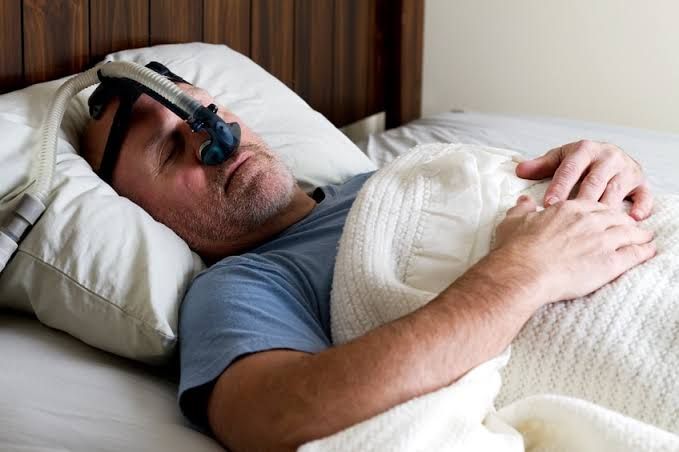
To understand how to quiet your nights, we must look at the mechanics of the airway. Snoring is not a disease; it is a physical phenomenon. When you slip into sleep, the muscles in your soft palate, tongue, and throat relax. For millions of people, this relaxation leads to a partial airway collapse. As you draw breath, the air is forced through a narrowed gap, causing the surrounding tissues to vibrate violently. That vibration is the sound of snoring.
This structural collapse has severe physiological consequences. It causes frequent, microscopic awakenings throughout the night. Even if you do not remember waking up, your brain is jolted out of restorative Deep and REM sleep to restore muscle tone and clear the airway.
Over time, this cycle triggers a chronic state of physical stress:
- Nocturnal Stress: Your sympathetic nervous system remains highly active all night, pumping out low-grade cortisol.
- Suppressed HRV: Heart Rate Variability (HRV)—the metric of nervous system resilience—plummets. A consistently low HRV means your body is running on empty.
- Morning Brain Fog: Lacking deep, slow-wave sleep prevents the brain’s glymphatic system from flushing out metabolic waste, leaving you exhausted.
This is where clinical myofunctional therapy—specifically throat exercises for sleep apnea and snoring—proves invaluable. Just as you can train your biceps or calves, you can tone the muscles of the tongue, jaw, and soft palate. By strengthening these tissues, they become far less likely to slide backward into your airway during sleep.
By sticking to a daily regimen of exercises to stop snoring, you are addressing the mechanical root cause of airway collapse. In the next section, we outline the exact physical routine to rebuild your upper airway strength.
9 Target Mouth Exercises to Stop Snoring Naturally

Before jumping into these workouts, find a quiet space in front of a mirror. Performing these routine physical movements for just 10 to 12 minutes daily can yield measurable biometric improvements within a few weeks. Consistency is key to help you stop snoring naturally.
1. The Tongue Slide (The Upper Airway Opener)
This exercise strengthens the tongue and the muscles at the front of your throat.
- How to do it: Place the tip of your tongue against the back of your front teeth. Slowly slide your tongue backward along the roof of your mouth as far as it can comfortably go.
- Duration: Repeat this backward sliding motion for 3 minutes, twice daily.
2. The Soft Palate Lift (The “AHHH” Stretch)
This movement isolates the soft palate (the back of the roof of your mouth) to prevent it from vibrating.
- How to do it: Open your mouth as wide as possible. Look in the mirror and say “AHHH” while lifting the back of your throat. You should see the uvula (the small hanging tissue) move upward.
- Duration: Hold each lift for 5 seconds. Repeat 15 to 20 times.
3. Lateral Jaw Resistance
Toning your jaw alignment helps prevent your throat from compressing backward when you sleep on your back.
- How to do it: Place your hand against the left side of your jaw. Push your jaw to the left while providing light, steady resistance with your hand. Hold for 5 seconds, then switch to the right side.
- Duration: Perform 10 reps on each side daily.
4. The Tight Lip Pucker
Weak lip seal leads to mouth breathing, which dries the throat and causes tissues to vibrate more easily.
- How to do it: Close your mouth and purse your lips as tightly as possible. Hold this tight pucker for 10 seconds, then release.
- Duration: Repeat 10 times, three times a day to encourage habitual nasal breathing.
5. The Total Tongue Press
This foundational movement in mouth exercises to stop snoring targets the genioglossus muscle, preventing the tongue from falling back into the throat.
- How to do it: Press your entire tongue flat against the roof of your mouth, sealing it fully. Squeeze and hold this suction seal for 5 seconds.
- Duration: Complete 20 full presses daily.
6. Vowel Vocalizations (A-E-I-O-U)
Systematic vocalizations work the tiny internal muscles of your throat that relax too much during sleep.
- How to do it: Pronounce each vowel loudly, clearly, and deliberately. Exaggerate the movement of your lips and jaw for each letter.
- Duration: Go through the sequence (A-E-I-O-U) continuously for 2 minutes.
7. Singing Therapy
Singing requires a high level of breath control and throat muscle activation, which acts as a fantastic aerobic workout for the airway.
- How to do it: Sing along loudly to your favorite uptempo songs in your car or at home. Focus on clear, resonant high notes to work your throat walls.
- Duration: Spend 5 to 10 minutes singing daily.
8. Alternate Nostril Nose Breathing
Snoring worsens when nasal passages are congested, forcing mouth breathing. Nose breathing naturally keeps the airway open.
- How to do it: Block your right nostril and inhale deeply through the left. Release, block your left nostril, and exhale through your right. Reverse the process.
- Duration: Practice this controlled breathing pattern for 3 minutes before going to sleep.
9. The Spoon Hold
A simple resistance technique to tone your outer mouth muscles.
- How to do it: Place the handle of a clean metal spoon between your lips. Keep the spoon pointing straight out using only your lip muscles (no teeth). Hold for 10 seconds.
- Duration: Repeat 10 times daily.
How to Verify Your Airway is Toning:
As you perform these exercises, keep an eye on your nightly biometrics. You should notice your deep sleep cycles stabilizing, your resting heart rate dropping, and your HRV scores increasing. To track these trends without the annoyance of screen glow or battery anxiety, we recommend wearing a screen-free exercises to stop snoring companion like the Herz P1 Smart Ring to see your true nightly progress.
Connect Physical Toning with Screen-Free Data
By training your mouth muscles during the day, you reduce breathing friction at night. Tracking this with the Herz P1 Smart Ring lets you see exactly how your body responds—monitoring your deep sleep stages and HRV recovery without distracting lights or subscription paywalls.
Disclaimer: Results may vary depending on individual physical activity levels, unique health conditions, and daily tracking patterns. Our recommendations are for educational purposes and do not replace professional medical evaluation. Consult a physician if you suspect you have obstructive sleep apnea or other underlying clinical sleep conditions.
