

How to Stay Awake in Class and Avoid Falling Asleep: A Science-Backed Guide to All-Day Energy
Do you find yourself fighting heavy eyelids during lectures, wondering how to stay awake in class? If morning brain fog and non-restorative sleep are holding you back, the solution isn’t more caffeine. It starts with tracking sleep stages and HRV. Discover how our screen-free Herz P1 Smart Ring helps you reclaim your focus naturally.
Take Back Your Sleep.
Take Back Your Life.
- Fall asleep faster & sleep deeper
- Stop waking up in the middle of the night
- Wake up refreshed & full of energy
What You Will Learn In This Guide:
- Why you experience heavy daytime fatigue and how to pinpoint the underlying sleep disruption.
- A step-by-step framework on how to stay awake in class using immediate, physical hacks.
- How to avoid common energy pitfalls like sugar-heavy snacks and screen-induced sleep disturbances.
- The science of tracking Sleep Stages (REM, Deep, Light) and Heart Rate Variability (HRV) for long-term focus.
- How the subscription-free Herz P1 Smart Ring bridges the gap between biometric science and daily mental clarity.
Understanding the Slump: Why Your Energy Craters in the Classroom

We have all been there. You are sitting in a warm, quiet lecture hall. The teacher’s voice begins to drift into a rhythmic hum. Suddenly, your head jerks backward—you had drifted off for a split second. A wave of panic and embarrassment washes over you as you realize you have no idea what was just said. If you are constantly wondering how to stay awake in class, you are not alone, and it is not simply a matter of weak willpower.
When you experience chronic daytime drowsiness, your body is sending you an urgent signal. It is often the result of a compounding “sleep debt” or a lack of restorative deep sleep. Many students and busy professionals struggle with a racing mind when they turn off the lights at night, leading to tossing and turning, late-night screen scrolling, and those frustrating 3 AM awakenings. This fragmented sleep structure robs you of the vital sleep stages your brain needs to process information and maintain focus the next day.
To break this frustrating cycle and learn how to stay awake when tired, we must address both immediate, in-the-moment physiological adjustments and the long-term, data-informed lifestyle changes that build real physiological recovery.
Prerequisites: What You Need to Know Before Making Changes
Before implementing any alertness strategies, we must understand two foundational biological concepts: the sleep-wake homeostatic drive and your circadian rhythm. Your homeostatic sleep drive builds throughout the day; the longer you are awake, the more your brain accumulates adenosine, a chemical that promotes drowsiness. Meanwhile, your circadian rhythm acts as an internal clock, regulating when you feel naturally alert or tired.
If you have accumulated significant sleep debt due to poor sleep quality, your homeostatic sleep drive will easily overpower your circadian rhythm’s morning alertness peak, causing you to crash. To prevent this, our team advises tracking your baseline metrics so you can make informed decisions rather than relying on guesswork.
Step-by-Step Execution Guide: How to Maintain Total Focus
If you are currently sitting in a lecture hall feeling your focus slip away, here is a practical, step-by-step framework on how to stay awake during class right now:
- Engage the Core and Correct Posture: Slouching restricts your diaphragm and reduces oxygen intake. Sit up straight, roll your shoulders back, and place both feet flat on the floor. This simple change immediately signals to your nervous system that you are in an active state.
- Leverage the “Ice Water Shock” Method: Sip freezing cold water. The sudden temperature drop in your mouth and throat triggers a mild, natural adrenaline spike, temporarily increasing your heart rate and sharpening cognitive focus.
- Practice Physiological Sighs: Take two quick, deep inhales through your nose (one deep breath, followed immediately by a short “top-off” sniff), then exhale slowly through your mouth. Doing this two or three times re-inflates the tiny air sacs in your lungs, balances your carbon dioxide levels, and rapidly restores oxygen delivery to your brain.
- Implement the 20-Minute Caffeine Delay: Avoid consuming heavy caffeine immediately upon waking. When you wake up, your cortisol levels are naturally rising. If you flood your system with coffee right away, you disrupt this natural curve and set yourself up for a severe mid-morning crash. Delay your first cup of coffee or tea by 90 to 120 minutes to allow your body to clear residual adenosine naturally.
- Deploy Smart Biometric Monitoring: To truly understand why you are struggling with how to not fall asleep in class, you need objective recovery data. The Herz P1 Smart Ring provides a seamless, screen-free way to monitor your resting heart rate, sleep architecture, and Heart Rate Variability (HRV). By waking up to an intuitive daily Recovery Score, you will know exactly how much cognitive stamina you have for the day ahead—without having to navigate confusing, hard-to-read graphs on a bulky smartwatch.
⚠️ Common Pitfalls & Energy-Draining Mistakes to Avoid:
- Chasing the Sugar High: Reaching for candy, soda, or processed energy drinks causes a rapid spike in blood glucose, followed by an insulin surge that leaves you more exhausted than before.
- Relying on Bulky, Distracting Smartwatches: Wearing heavy, screen-lit smartwatches to bed can actually disrupt your sleep. The bright screens invite late-night scrolling and notifications, which contribute directly to a racing mind and subsequent 3 AM awakenings.
- Ignoring Hydration: Even mild dehydration drops your blood volume, forcing your heart to work harder and making you feel incredibly sluggish during passive activities like listening to a lecture.
Quick Alertness Checklist
Keep these quick adjustments in mind when you need to know how to stay awake in class:
- ✓ Drink 8–10 ounces of ice-cold water every 45 minutes.
- ✓ Sit in the front three rows of the classroom to increase engagement.
- ✓ Take active, detailed handwritten notes instead of passively typing on a laptop.
- ✓ Take a brief, 2-minute walk to the restroom to splash cold water on your face if the drowsiness becomes overwhelming.
- ✓ Monitor your overnight HRV trends to understand your body’s true level of physical and mental fatigue.
Summary: Reclaiming Control of Your Focus
By shifting away from short-term band-aids like sugar and excessive caffeine, and instead focusing on respiratory control, proper hydration, and science-backed biometric awareness, you can easily master how to stay awake in class. Focus is a direct output of your physical state; when you take care of your body’s recovery metrics, your mental clarity naturally follows.
The Science of Sleep Debt: How Your Nights Dictate Your Mornings
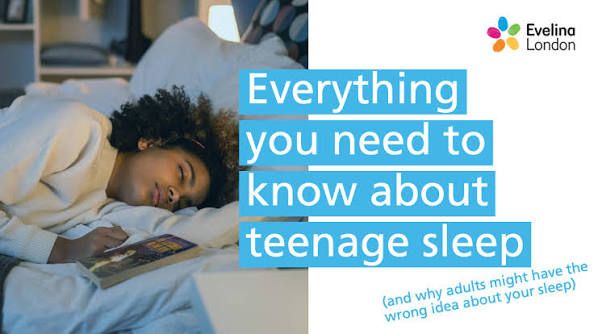
When searching for ways on how to stay awake in class, it is easy to view daytime fatigue as an isolated event. However, cognitive science shows that your classroom focus is directly determined by the architecture of your sleep the night before. Sleep is not a uniform state of unconsciousness; rather, it is a complex, active process comprised of multiple distinct stages: light sleep, deep sleep, and Rapid Eye Movement (REM) sleep.
Deep sleep is the phase during which your body physically repairs itself, supports immune function, and clears metabolic waste from your brain. REM sleep, on the other hand, is when your brain processes emotions, consolidates memories, and synthesizes new information. If you regularly wake up with brain fog, it is highly likely that your sleep is fragmented, depriving you of these deep and REM cycles.
A primary driver of this fragmentation is the modern blue-light screen. When you look at a smartphone, laptop, or bright smartwatch screen right before bed, you are tricking your brain into thinking it is still daytime. This delays the natural release of melatonin, making it incredibly difficult to fall asleep quickly and leading to a racing mind when your head finally hits the pillow. Many people then wake up at 3 AM with their minds spinning, unable to return to restorative rest.
— Team Mind Body Dan
This is where screen-free health tracking becomes a powerful ally. Traditional smartwatches, with their glowing displays and constant buzzes, can actually worsen nighttime anxiety and disrupt your sleep hygiene. The Herz P1 Smart Ring solves this operational problem. Crafted from ultra-lightweight, premium titanium, it offers a completely screen-free and comfortable design. It monitors your biological signals quietly from your finger—where the blood vessels are closer to the surface, allowing for medical-grade biometric accuracy.
By wearing a screen-free ring, you can easily reclaim your physical and mental energy. Instead of waking up to a wall of complex charts, you receive a simple, intuitive Daily Recovery Score that shows you exactly how well your body recovered overnight. This makes it easier to optimize your habits and master how to stay awake during class, without the stress of navigating complicated data.
Optimizing Recovery: Reclaiming Your Mental Clarity

To systematically address how to not fall asleep in class, we must look at the body’s primary marker of stress and recovery: Heart Rate Variability (HRV). HRV measures the variation in time between consecutive heartbeats, which is regulated by your autonomic nervous system.
A higher HRV generally indicates that your nervous system is balanced and highly adaptable to stress, meaning you will find it much easier to concentrate in lectures. Conversely, a lower HRV suggests that your body is in a state of stress or physical exhaustion, making you highly susceptible to fatigue, distraction, and morning brain fog. By monitoring your HRV trends, you can begin to make data-informed adjustments to your daily routine, like reducing late-night eating, practicing evening breathwork, or ensuring a consistent sleep schedule.
Why Choose the Herz P1 Smart Ring?
Unlike typical health trackers that require daily charging and lock your biometric data behind expensive monthly subscriptions, the Herz P1 Smart Ring offers a premium, subscription-free tracking experience.
- ✓ Subscription-Free Model: Buy it once, own your data forever with zero hidden monthly costs.
- ✓ Screen-Free Titanium Design: No bright screens to disrupt your sleep, and an ultra-lightweight fit that you will barely feel on your finger.
- ✓ Exceptional Battery Life: Forget the hassle of daily charging; enjoy continuous, worry-free tracking.
- ✓ Intuitive Daily Insights: Easily track your Sleep Stages, HRV, and Daily Recovery Score to effortlessly overcome daytime fatigue.
When you focus on the biological roots of tiredness, understanding how to stay awake when tired becomes much simpler. Transitioning from basic step-trackers to meaningful, comprehensive recovery metrics allows you to build a reliable routine that keeps you sharp, focused, and energized throughout the day. It is time to step out of the fog, stop struggling to pay attention, and start overcoming daytime fatigue for good.
By building healthy physical habits and tracking your recovery with a comfortable, subscription-free smart ring, you can easily optimize your classroom alertness. Take the guesswork out of your health, monitor your body’s recovery trends effortlessly, and reclaim your mental stamina today.
Disclaimer: Results may vary depending on individual physical activity levels, unique health conditions, and daily tracking patterns. This article is for informational purposes only and does not constitute medical advice.
