

9 Best Mouth Exercises to Stop Snoring for Deeper Sleep
Do you wake up exhausted, battling a foggy brain and morning fatigue? Snoring often disrupts your sleep architecture, causing silent 3 AM awakenings that leave you drained. By performing targeted mouth exercises to stop snoring, you can naturally tone your airway muscles and track your body’s restorative sleep trends using advanced, screen-free wearables like the Herz P1 Smart Ring.
Take Back Your Sleep.
Take Back Your Life.
- Fall asleep faster & sleep deeper
- Stop waking up in the middle of the night
- Wake up refreshed & full of energy
Key Article Highlights
- Myofunctional Therapy Works: Toning the tongue, soft palate, and throat muscles reduces airway collapse.
- Biometric Feedback is Crucial: Tracking your deep sleep, REM sleep, and Heart Rate Variability (HRV) verifies if your natural routine is working.
- The Screen-Free Advantage: Monitoring your recovery patterns with a lightweight, subscription-free ring prevents late-night screen exposure.
- Comprehensive 9-Step Guide: Simple, daily physical routines to build airway tone.
Evaluating Sleep Trackers to Monitor Snoring Recovery Progress
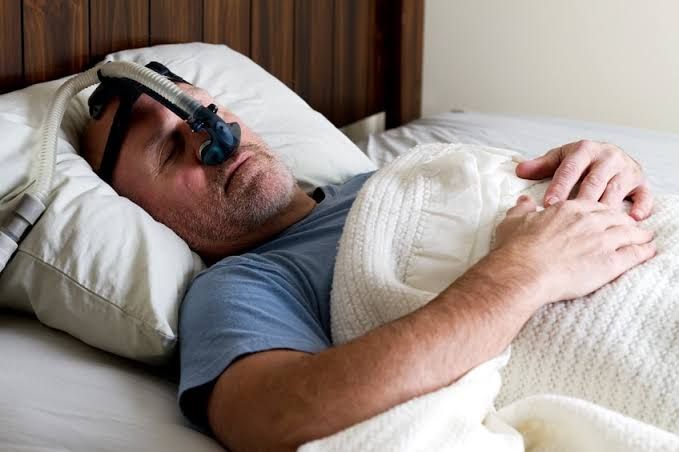
When you start a daily regimen of mouth exercises to stop snoring, you need an objective way to track progress. Without a reliable feedback loop, you may struggle to know if your effort is translating into actual recovery. We evaluate sleep tracking solutions based on specific, user-centric criteria to help you find the right tool for tracking natural sleep remedies.
Our Selection Criteria
- Sleeping Comfort: Bulky wristbands can disrupt your rest, creating a paradox where the tracker itself prevents quality sleep.
- Subscription Transparency: No one likes buying a device only to find key health data locked behind a monthly paywall. We prefer lifetime access models.
- Screen-Free Design: Screen-based devices can trigger a racing mind at bedtime. A screen-free form factor promotes healthy screen-free sleep habits.
- Biometric Depth: The device must capture Sleep Stages (Deep, REM, Light) and Heart Rate Variability (HRV) to gauge true autonomic recovery.
Sleep Tracking Solutions Comparison Table
| Tracker Type | Form Factor | Subscription Fee | Biometric Metrics | Sleep Interference Risk |
|---|---|---|---|---|
| Herz P1 Smart Ring | Ultralight Titanium Ring | $0 (Lifetime Free App) | HRV, Sleep Stages, Recovery Score | None (Screen-Free) |
| Traditional Smartwatch | Bulky Wrist Unit | Varies (often hidden) | Heart Rate, Basic Sleep Stages | High (screen glare, notifications) |
| Acoustic Mobile App | Smartphone on Bedside | Monthly/Annual Fee | Audio Snoring Detection Only | Moderate (phone distraction) |
Detailed Analysis of Recommended Tracking Options
1. The Herz P1 Smart Ring (Top Overall Pick)
The Herz P1 Smart Ring represents a thoughtful paradigm shift in sleep tracking. Built with medical-grade biometric sensors into an elegant, featherlight titanium shell, it sits comfortably on your finger all night. By translating complex pulse and movement algorithms into an intuitive daily Recovery Score, it helps you track sleep trends without subscription fatigue. It contains no screens to flash at night and boasts an extended battery life that eliminates the annoyance of daily charging. This is our team’s preferred device for correlating daily throat conditioning with physical recovery.
- Strengths: Subscription-free, ultra-lightweight titanium body, detailed Sleep Stage tracking (REM, Deep, Light), and continuous HRV monitoring.
- Weaknesses: Lacks an on-device screen (though this is a deliberate advantage for screen-free sleep hygiene).
- Ideal User: Wellness enthusiasts looking for an elegant, distraction-free, and subscription-free way to monitor sleep trends.
2. Standard Wellness Smartwatch
These devices are great multi-sport options, but they often present design issues in bed. They are heavy, prone to getting caught on sheets, and their bright screens can accidentally wake you up during natural movement cycles.
- Strengths: Great for real-time fitness metrics during daylight hours.
- Weaknesses: Bulky to wear during sleep, short battery life, potential blue-light exposure at night.
- Ideal User: Daytime athletes who do not mind wearing heavy wrist units to bed.
3. Bedside Acoustic Mobile Apps
Mobile apps utilize your phone’s microphone to log snoring decibels. While helpful for documenting acoustic patterns, they do not track biometric data like autonomic recovery, leaving you with incomplete insights.
- Strengths: Easy to download; provides interesting audio playback of snoring.
- Weaknesses: Does not measure direct physiology (HRV or sleep stages); requires keeping a phone near the bed, which can worsen bedtime habits.
- Ideal User: People who only want to document how loud their snoring is without tracking underlying physiological recovery.
How to Choose Your Tracking Method
If you are focused on structural airway conditioning, you want to see if your efforts reduce sleep disruptions. Choose a screen-free biometric ring if your goal is long-term comfort and deep metabolic insights. Choose an acoustic app if your primary concern is simply measuring sound levels.
9 Best Mouth Exercises to Stop Snoring

Snoring is primarily an acoustic phenomenon resulting from airway collapse. When the muscles of your tongue, soft palate, and throat relax during deep sleep, the passing air causes these loose tissues to vibrate. This friction produces the harsh sound we call snoring. For some, this soft-tissue relaxation can contribute to mild sleep disruptions, making non-restorative sleep a regular occurrence.
Scientific research into myofunctional therapy—the physical rehabilitation of oral and facial muscles—reveals that systematic throat conditioning is one of the most effective natural remedies for snoring. These movements build tone, keeping your airway open during sleep. Many of these movements overlap with physical sleep apnea exercises designed to maintain a clear breathing passage.
Below are 9 targeted mouth exercises to stop snoring. Incorporate them into your daily morning and evening wellness routines to tone your airway muscles.
1. The Tongue Slide (Palate Sweep)
The tongue slide targets the primary tongue muscles, helping to prevent the tongue from slipping backward into the throat at night.
- Place the tip of your tongue against the back of your front teeth.
- Slowly slide your tongue backward along the roof of your mouth (hard palate).
- Go as far back as comfortable, keeping firm pressure.
- Repeat this movement for 3 minutes, twice daily.
2. The Tongue Stretch
This is a foundational exercise for individuals searching for how to get rid of snoring. It strengthens the genioglossus muscle, which is responsible for pulling the tongue forward.
- Stick your tongue out as far as it can comfortably go.
- Try to touch the tip of your tongue to your chin while looking upward toward the ceiling.
- Hold this position for 10 seconds.
- Relax and repeat 10 times in a row.
3. The Tongue Push-Up
This exercise tones the entire muscular floor of your mouth, helping you learn how to prevent snoring while sleeping by reinforcing optimal tongue posture.
- Press your entire tongue flat against the roof of your mouth.
- Apply firm, upward suction against your palate.
- Hold the suction for 5 to 10 seconds, feeling the muscles under your jaw engage.
- Perform this exercise 15 times, twice a day.
4. The Tongue Press-Down
By forcing the tongue to work against resistance, this exercise builds functional strength in the back of the tongue and the throat walls.
- Hold a clean spoon or a flat tongue depressor against the middle of your tongue.
- Press your tongue upward against the spoon while pushing down with your hand.
- Maintain this counter-pressure for 10 seconds.
- Repeat 10 times.
5. Soft Palate Elevation (The “Ah” Stretch)
Snoring is often caused by a low, soft palate vibrating against the tongue. Elevating this tissue reduces back-throat friction.
- Open your mouth wide and lift your soft palate (the back of your mouth’s roof) while pronouncing the vowel sound “Ah.”
- Focus on pulling the uvula (the hanging tissue at the back) upward.
- Hold the contraction for 5 seconds.
- Perform 3 sets of 10 repetitions daily.
6. The Buccinator Cheek Hook
The cheeks play an important role in mouth closure and facial symmetry during sleep, preventing unwanted mouth-breathing.
- Insert a clean index finger into your mouth, hooking it gently against the inside of your cheek.
- Pull your cheek outward while using your cheek muscles to pull the cheek back inward.
- Hold this resistance for 5 seconds.
- Repeat 10 times on each side.
7. The Jaw Slide (Lateral Pterygoid Flex)
This is a key component of sleep apnea exercises, helping open the retroglossal space behind the tongue.
- Open your mouth slightly and slide your lower jaw to the right side.
- Hold for 10 seconds, then return to center.
- Slide your jaw to the left side and hold for 10 seconds.
- Perform 10 cycles, twice daily, to stretch and align your jaw muscles.
8. Dynamic Vowel Pronunciation
This exercise tones the muscles surrounding the throat and upper airway, reducing tissue vibration during sleep.
- Pronounce each vowel (A, E, I, O, U) quickly and loudly.
- Exaggerate your lip and jaw movements to fully engage your facial muscles.
- Keep the pronunciation rapid and rhythmic for 3 minutes.
- Practice this routine before bedtime.
9. Closed-Mouth Nasal Breathing
Mouth breathing during sleep often leads to snoring. This exercise trains your body to breathe through your nose naturally.
- Sit comfortably, close your mouth, and relax your jaw.
- Inhale deeply through your nose for 4 seconds, hold for 4 seconds, and exhale for 4 seconds.
- Place a small piece of surgical tape over your lips during waking hours to help build nasal breathing habits.
- Practice this controlled breathing for 5 minutes daily.
How Tracking Biometrics Reveals the Impact of Throat Exercises

When you commit to mouth exercises to stop snoring, you are retraining delicate muscular structures. However, muscle toning takes time. Tracking biometric trends can help you see if your efforts are paying off. By monitoring key biological markers, you can gather the data needed to optimize your routines.
The Role of Heart Rate Variability (HRV) in Sleep Quality
Your Heart Rate Variability (HRV)—the millisecond variation between consecutive heartbeats—reflects the balance of your autonomic nervous system. Frequent snoring and micro-awakenings trigger your sympathetic “fight-or-flight” response, which lowers your overnight HRV. As your throat muscles strengthen and your breathing stabilizes, your body can spend more time in a parasympathetic state, leading to a higher resting HRV. Understanding how to improve HRV is a powerful way to monitor your recovery progress.
Evaluating Sleep Stages
To feel fully refreshed, you need to progress naturally through different understanding sleep stages:
- Deep Sleep: The vital phase when your body repairs tissue, builds muscle, and clears cellular waste. Snoring often cuts this stage short.
- REM Sleep: The stage responsible for cognitive processing, emotional regulation, and memory consolidation.
- Light Sleep: A transitional state that should not make up the majority of your night.
Disrupted breathing from snoring can cause frequent, brief awakenings, trapping you in light sleep and leading to morning fatigue. Stabilizing your airway helps protect the importance of deep sleep and REM cycles.
Why Screen-Free Tracking is Essential
Checking a bright screen in the middle of the night can trigger overcoming nighttime anxiety. Using a screen-free biometric ring like the Herz P1 allows you to collect accurate physiological data without the distraction of late-night notifications.
When searching for ways to address combatting morning fatigue, combining daily throat exercises with a screen-free biometric tracker offers a practical, drug-free path forward. By monitoring your recovery trends over time, you can find a routine that helps you wake up feeling refreshed and energized.
Disclaimer: Results may vary depending on individual physical activity levels, unique health conditions, and daily tracking patterns. The content in this article is designed for informational purposes only and is not intended to substitute for professional medical advice, diagnosis, or treatment. Always consult with a qualified healthcare provider regarding any sleep-related concerns.
