

How to Get Yellow and Sweat Stains Out of a Mattress for Better Sleep
Sleep-disturbing yellow mattress stains can compromise your sleep hygiene and peace of mind. Learning how to get yellow stains out of a mattress is crucial for restful sleep. We show you how to clean your bed and monitor your deep sleep recovery naturally with the screen-free, subscription-free Herz P1 Smart Ring.
Take Back Your Sleep.
Take Back Your Life.
- Fall asleep faster & sleep deeper
- Stop waking up in the middle of the night
- Wake up refreshed & full of energy
Key Article Highlights
- The Biological Culprits: Yellowing is caused by sweat, lipids, urea, and dead skin cells reacting with fabric.
- The Natural Formula: Harnessing baking soda and hydrogen peroxide breaks down chemical bonds without harming the foam layers.
- Biometric Tracking Connection: Heavy nighttime sweating often points to autonomic nervous system stress, which you can easily monitor with a screen-free device like the Herz P1 Smart Ring.
- Preventative Hygiene: Simple steps like breathable protectors and deep-sleep cooling protocols stop future stains in their tracks.
The Science of Mattress Stains: Why Deep Cleaning Matters
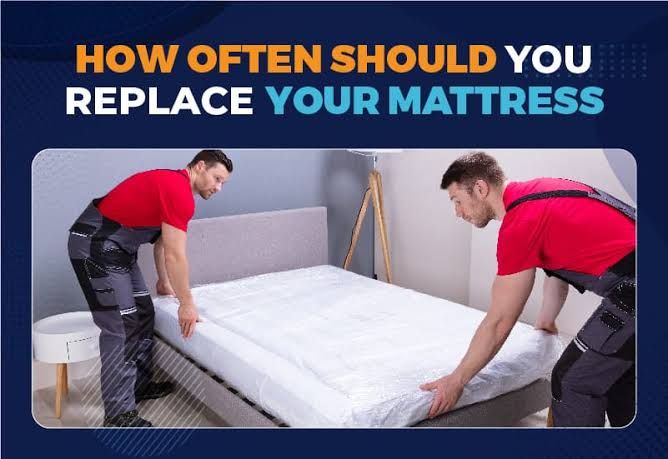
We spend roughly a third of our lives resting on our beds, yet we rarely think about what accumulates beneath our crisp sheets. Over time, moisture, skin lipids, and urea interact with the synthetic fibers of your mattress, leaving unsightly yellow patches. Understanding understanding how to get yellow stains out of a mattress is more than just an aesthetic chore; it is an essential part of maintaining a healthy sleep environment.
When we sleep, our bodies go through intricate thermoregulation phases. In deep sleep and REM cycles, your core body temperature drops, forcing heat and moisture outward. This natural process leads to sweat stains on mattress surfaces. If left unaddressed, these wet spots turn into yellow stains on mattress covers, creating breeding grounds for dust mites, bacteria, and mold. This microbial accumulation can quietly trigger allergies, raise nighttime histamine levels, and lead to restless nights where you wake up feeling congested and fatigued.
— Team Mind Body Dan
Prerequisites: What You Need Before You Start
Before jumping into the cleaning process, you must gather the right tools. Standard household cleaning supplies work wonderfully if balanced correctly. Here is what you will need:
- Hydrogen Peroxide (3% concentration): An outstanding oxidizing agent that breaks down organic compounds without destroying delicate mattress fabrics.
- Baking Soda: Vital for absorbing moisture, neutralizing acidic sweat, and deodorizing deep memory foam cells.
- Liquid Dish Soap: Highly effective at breaking down body lipids and skin oils bound to the mattress protector.
- Empty Spray Bottle: Essential for controlled misting—oversaturating foam can ruin it permanently.
- Clean Microfiber Cloths: Ideal for gently blotting the surface without fraying the upholstery.
- Vacuum Cleaner (with an upholstery brush attachment): Essential for extracting loose debris and dry baking soda.
Step-by-Step Execution Guide
Let us walk through the process of how to get yellow stains out of a mattress safely, preserving the structural integrity of your bed.
Step 1: Strip the Bed and Vacuum. Remove all sheets and protectors. Use your vacuum’s upholstery tool to sweep the entire surface. This extracts dust, hair, and dead skin cells, ensuring you are treating only the embedded yellow stains on mattress fibers.
Step 2: Create the Oxidizing Spot Spray. In your spray bottle, mix 8 ounces of 3% hydrogen peroxide, 3 tablespoons of baking soda, and 2 to 3 drops of mild liquid dish soap. Swirl gently to dissolve the baking soda. Use this mixture immediately, as the chemical reaction weakens over time.
Step 3: Lightly Mist the Stained Areas. Spray the solution directly onto the yellow patches. Do not saturate the mattress. Let the mixture sit for 15 to 20 minutes. You will notice a gentle bubbling action as the hydrogen peroxide breaks down sweat proteins and body oils.
Step 4: Blot, Don’t Scrub. Take a clean, dry microfiber cloth and gently press it into the misted areas. Blotting pulls the lifted oils and yellow discoloration out of the fabric. Avoid scrubbing, as rubbing can push the stain deeper into the foam core.
Step 5: Apply Baking Soda for Yellow Stains. Once the surface is slightly damp, sprinkle a generous layer of dry natural baking soda for yellow stains across the entire mattress. Let it sit for 4 to 8 hours. The baking soda acts as a powerful desiccant, drawing up the remaining liquid mixture, sweat stains on mattress fiber, and deep odors.
Step 6: Final Vacuuming and Air Drying. Once the baking soda is dry and chalky, vacuum it up thoroughly. Leave your bed stripped for a few hours with a fan running to ensure it is completely dry before placing fresh sheets back on.
Bridging Hygiene to Biometric Recovery
While learning how to get yellow stains out of a mattress resolves the physical cleanliness of your bed, it raises a deeper health question: Why are you sweating so much in the first place? Night sweats are often a physical sign of underlying physiological stress. If your sleep is interrupted by a racing mind, 3 AM awakenings, or non-restorative sleep, your body’s sympathetic nervous system (your “fight-or-flight” response) is likely overactive during the night.
To truly reclaim your rest, you need a way to track what is happening inside your body without the added stress of blue-light screens or bulky, heavy smartwatches that beep and disrupt your wind-down routine. This is where the Herz P1 Smart Ring excels. Crafted from ultra-light, hypoallergenic titanium, this screen-free ring monitors your Sleep Stages (REM, Deep, Light) and Heart Rate Variability (HRV) with clinical-grade accuracy. Because it has no screen to distract you and features a subscription-free model, you get pure, clear biometric insights without ongoing hidden fees or digital notifications pulling you out of your calm state.
Why We Recommend the Screen-Free Herz P1 Smart Ring
The primary barrier to deep sleep tracking is comfort. Heavy smartwatches irritate the skin, run out of battery constantly, and keep you glued to your phone screen. The Herz P1 is a beautifully crafted titanium ring that tracks your overnight recovery without screens, buttons, or annoying daily charging habits. By translating complex cardiovascular metrics into an intuitive Recovery Score, it helps you spot the stress trends causing nighttime sweats and restless wakeups.
Common Pitfalls & Mistakes to Avoid
- Using Chlorine Bleach: Bleach can react with natural oils and turn them darker yellow, while also breaking down synthetic mattress fabrics.
- Over-soaking the Foam: Memory foam behaves like a giant sponge. If liquid seeps into the core layers, it cannot dry easily, which can cause internal mold growth.
- Ignoring Airing Out Time: Putting sheets back on a damp mattress traps moisture, creating a perfect environment for mildew to develop. Always allow at least 6 hours of drying time.
Quick Mattress Cleaning Checklist
Keep your bed spotless by following this simple reference guide:
| Action Step | Frequency | Goal Outcome |
|---|---|---|
| Vacuum Upholstery Surface | Every 2-3 months | Removes dust mites and skin flakes |
| Apply natural baking soda for yellow stains | Every 6 months | Absorbs sweat oils and neutralizes odors |
| Deep Clean Spot Treatments | As stains appear | Removes sweat stains on mattress surface |
| Wash Breathable Protector | Monthly | Prevents yellow stains on mattress covers |
Using this routine preserves the life of your bed and supports a healthy, clean sleeping environment. Tackling yellow spots early keeps them from setting, which can permanently ruin memory foam and hybrid mattress covers.
The Science of Sleep Sweat, HRV, and Your Nighttime Environment

Nighttime sweating is a primary cause of removing sweat stains on mattress fibers. To understand why your body sweats during sleep, we must examine the autonomic nervous system. Your heart rate, breathing, and body temperature are managed by the sympathetic (stress-driven) and parasympathetic (rest-driven) nervous branches.
When you experience elevated stress, hormonal shifts, or physical exhaustion, your nervous system can struggle to relax at night. This state of high arousal raises your core temperature, triggering your sweat glands to overproduce moisture. These secretions are rich in lipids and organic compounds that break down into unpleasant yellow stains on mattress fibers. When you master step-by-step methods on how to get yellow stains out of a mattress, you remove the residue from this biological stress. However, resolving the root cause requires a deeper look into your daily health habits and stress levels.
How Sweat Chemistry Yellows Your Bed
Human sweat is mostly water, but it also contains salt, lipids, and trace urea. When these compounds soak into mattress ticking, they oxidize and bind to the fabric fibers. Dust mites eat these organic residues, and their droppings make the yellowing worse over time. Spot-cleaning with hydrogen peroxide breaks these stubborn molecular bonds, leaving your bed clean and allergen-free.
The relationship between sleep sweating, daily recovery, and Heart Rate Variability (HRV) is deeply intertwined. HRV is the millisecond variation between your heartbeats. A high overnight HRV indicates a resilient, well-rested nervous system, while a low HRV points to physical stress or poor recovery. When we experience high levels of physical fatigue or chronic stress, our HRV drops, deep sleep stages decrease, and our body temperature rises, leading to sweat stains on mattress covers. By monitoring these subtle trends with a screen-free device like the Herz P1 Smart Ring, you can make informed adjustments to your lifestyle—such as cooling your bedroom or avoiding heavy meals late at night—to improve your sleep and keep your mattress clean.
This smart ring is an ideal health-tracking companion because it works quietly in the background. It is entirely subscription-free, helping you avoid subscription fatigue while providing complete ownership of your biometric data. Lacking a screen, it protects you from late-night blue light, allowing you to wind down naturally. Its premium titanium body sits comfortably on your finger, tracking heart rate, HRV, and sleep stages throughout the night to output a simple, clear Daily Recovery Score.
Unlocking Deep Sleep Stages
For truly restorative sleep, your body must cycle smoothly through light, deep, and REM sleep. Deep sleep is when tissue repair occurs and your muscles recover. If your mattress is unhygienic or if you run too hot, your body will struggle to enter these deep restorative phases, leaving you with brain fog and fatigue. By following our guide on how to get yellow stains out of mattress surfaces, you create a cleaner, allergen-free environment that supports undisturbed sleep cycles.
Reclaiming Restful Sleep: Integrating Hygiene and Screen-Free Tracking
Your bedroom should be a peaceful, screen-free sanctuary. When you are struggling with poor sleep, checking notifications on a phone or smartwatch late at night only stimulates your brain further, raising stress hormones and delaying restful sleep. Incorporating screen-free habits, such as replacing bulky smartwatches with a lightweight ring, helps soothe your mind and prepare your body for sleep.
Taking care of your mattress is another key part of this peaceful environment. Tackling tackling yellow stains on mattress covers is highly satisfying, transforming your bed into a fresh, inviting place to rest. Once your mattress is clean and dry, use a high-quality, breathable mattress protector to keep out future moisture while allowing airflow to help cool your body naturally.
This approach aligns perfectly with our philosophy at Mind Body Dan: simplifying complex wellness metrics into easy, actionable daily habits. We believe that caring for your sleep environment and tracking your biometric recovery are two sides of the same coin. By monitoring your HRV and sleep stages, you can see how improvements to your bedroom hygiene and air quality directly support your physical recovery and sleep quality over time.
The Herz P1 Smart Ring offers a beautiful, low-maintenance way to monitor these health improvements. You do not need to worry about charging it every day, and its screen-free design lets you focus on resting instead of checking notifications. It gathers your physiological data during the night and syncs it effortlessly with its app in the morning, giving you clear insights into your cardiovascular health, sleep quality, and daily recovery.
Practical Preventive Tips for a Pristine Bed
- Rotate Your Mattress: Turn your mattress 180 degrees every 3 to 6 months to distribute wear evenly and reduce localized sweat accumulation.
- Keep a Cool Room: Keeping your bedroom thermostat between 65°F and 68°F (18°C – 20°C) helps your body thermoregulate, reducing nighttime sweating.
- Use Breathable Bedding: Choose natural, moisture-wicking materials like linen, bamboo, or organic cotton to help draw sweat away from your skin.
By applying these simple hygiene and tracking practices, you can protect your mattress and support your body’s natural sleep-wake cycle. Reclaiming your rest does not require complex or expensive solutions; it simply takes clean habits, a comfortable sleep environment, and the right tools to monitor your progress.
Disclaimer: Results may vary depending on individual physical activity levels, unique health conditions, and daily tracking patterns. The health-tracking metrics provided by wearable devices like the Herz P1 Smart Ring are intended for wellness tracking and educational purposes only, and should not replace professional medical advice, evaluation, or consultation. Always check with your doctor before starting any new exercise routines, sleep protocols, or making significant lifestyle changes.
