

Discovering a night-time hrv 35 reading on your wearable can feel alarming, especially when studies show heart rate variability correlates deeply with autonomic recovery and cardiovascular resilience. If you are wondering whether this score indicates chronic fatigue, high stress, or a normal baseline, Team Herz P1 is here to clarify your biometric data. The Herz P1 Smart Ring tracks your real-time physiological markers continuously to decode these personal baselines without expensive subscriptions or complex setups.
Built to Last. Save Up to 69% Today.
The Herz P1 Smart Ring tracks HRV, Sleep, Heart Rate & SpO2 around the clock. No subscriptions. No renewals. Ever.
In This Article
- Understanding Your HRV: A breakdown of what an HRV score of 35 actually indicates for your health.
- The Autonomic Balance: How your sympathetic and parasympathetic nervous systems influence your metrics.
- Technology Insights: How advanced multispectral optical sensors track cardiac cycles with clinical precision.
- Actionable Improvement Guides: Proven physical, dietary, and psychological hacks to systematically elevate your recovery metrics.
- Overcoming Common Pitfalls: The truth about bulky smartwatches, hidden subscription fees, and sizing strategies.
Is an HRV of 35 Normal or Too Low for Health?
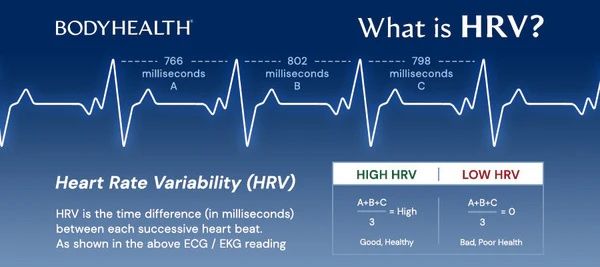
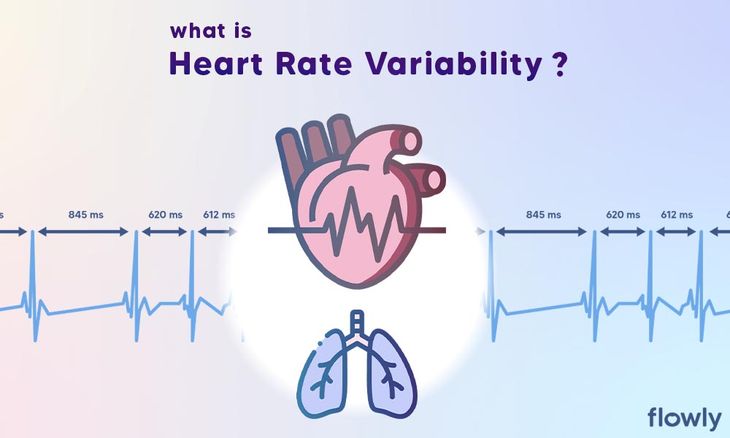
Heart rate variability measures the time variation between consecutive heartbeats in milliseconds.
A resting value like a resting hrv of 35ms tells you how well your autonomic nervous system balances stress and recovery.
Understanding good hrv numbers is essential because there is no single universal baseline.
Instead, your biological age, genetics, and daily habits establish your specific hrv scale limits.
So, is hrv of 35 good or should you seek medical guidance immediately?
For a young athlete, this score is likely on the lower end of their optimal range.
For a busy executive over forty years old, an HRV of 35 might be completely normal.
Clinical research from the American Heart Association indicates that HRV naturally declines as we age.
This drop occurs because the parasympathetic branch of your nervous system becomes less dominant over time.
When you sleep, your body relies on the vagus nerve to slow down your heart and encourage tissue repair.
If you wake up with a persistent heart rate variability 35 rating, your body might still be locked in a sympathetic state.
This means your “fight-or-flight” response is dominant, leaving you under-recovered.
Knowing what is a good hrv score helps you identify when your body needs rest.
A score of 35 typically indicates moderate physiological stress or a developing recovery deficit.
It is not an immediate medical emergency but rather a clear prompt to examine your recovery habits.
Common triggers include poor sleep hygiene, late-night meals, alcohol consumption, or intense physical training.
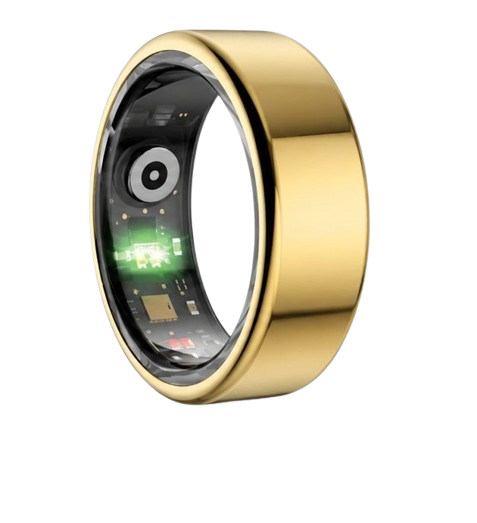
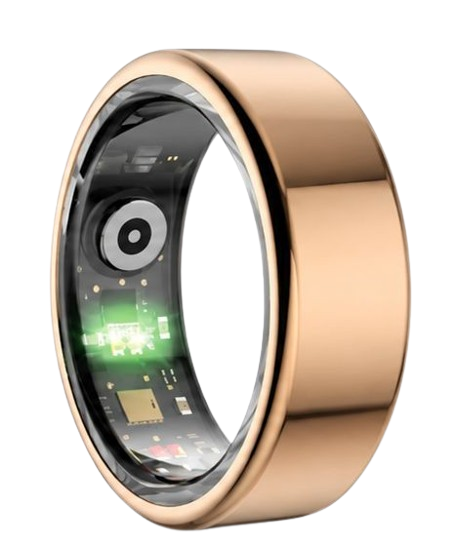
If you want to track this in real time, the Herz P1 Smart Ring monitors your HRV 24/7 — explore it here.
90-Day 100% Money-Back Guarantee
“The Herz Smart Ring helps me manage stress easily. It’s accurate, stylish, and lightweight—perfect for my busy life!”
— Jennifer P. | ✔ Verified Customer
- ✓ 6-Day Battery Life
- ✓ Detailed Sleep Analysis
- ✓ Fast 1-Hour Charging
- ✓ iOS & Android Ready
Questions? Call: 1-866-479-1629
What Your HRV Score Actually Tells You — And How to Improve It
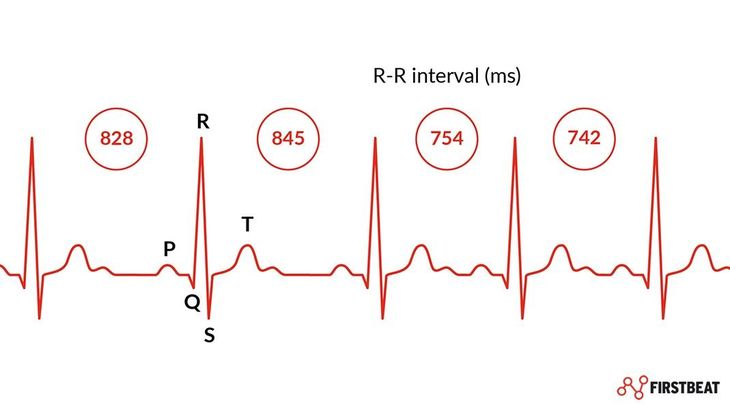
Your heart rate variability is a direct window into your autonomic nervous system.
The human heart does not beat at a perfectly static interval.
A resting heart rate of 60 beats per minute does not mean your heart beats exactly once every second.
Instead, the interval between consecutive pulses varies by milliseconds.
This micro-variation is controlled by the balance between your sympathetic and parasympathetic nervous systems.
Your sympathetic branch acts like an accelerator pedal, preparing your body for action or stress.
Your parasympathetic branch acts as a brake, encouraging deep relaxation, digestion, and physiological repair.
A higher HRV score indicates that your parasympathetic system is actively modifying your heartbeat.
This means your body is highly adaptable and ready to respond to external physical demands.
When you register a lower score, like an hrv 34, your sympathetic system is dominant.
Your heart is beating at a more rigid, rhythmic pace, signaling that your resources are being diverted to handle stress.
If you systematically climb to an hrv 36 over several weeks, you are building autonomic resilience.
This upward trend means your nervous system is recovering its natural flexibility.
Our team at Herz P1 observes that consistent sleep schedules are the fastest way to raise this baseline.
When you sleep at irregular hours, your circadian rhythm is disrupted, depressing your overnight recovery metrics.
To improve your baseline, you must focus on deep resting states and strategic recovery protocols.
The Science Behind Stress Monitoring and Overnight Biometric Tracking
Optical sensor technology has revolutionized how we monitor cardiovascular metrics from home.
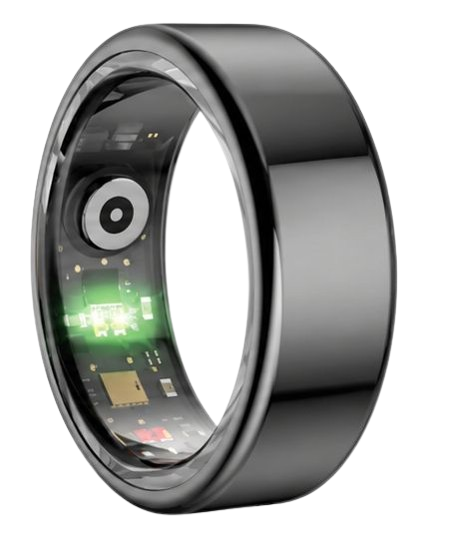
Devices like the Herz P1 Smart Ring use advanced photoplethysmography (PPG) sensors to measure blood volume changes.
These optical sensors emit light into the blood vessels at the base of your finger.
The finger is an ideal monitoring site because the digital arteries are highly accessible and close to the skin surface.
By measuring how much light is absorbed by your blood flow, the device calculates your pulse intervals.
This allows the smart ring to track your autonomic activity while you sleep without causing any physical discomfort.
Overnight sleep is divided into distinct structural stages: light sleep, deep sleep, and Rapid Eye Movement (REM) sleep.
During deep slow-wave sleep, your body enters its most profound restorative state.
This is when growth hormone is released, tissues are repaired, and resting heart rate variability peaks.
If your sleep is interrupted or shallow, your heart rate remains elevated and your HRV declines.
A dip to an hrv 33 can occur after a single night of fragmented sleep.
Conversely, a quiet night with high deep-sleep volume can boost your reading to an hrv 37 by morning.
Blood oxygen saturation (SpO2) is another critical metric that directly influences your recovery scores.
If your breathing is shallow overnight, your SpO2 drops, forcing your heart to pump harder and reducing your HRV.
By tracking these metrics concurrently, you gain a complete overview of your cardiorespiratory health.
This comprehensive view helps athletes and wellness enthusiasts locate their optimal hrv ranges.
Step-by-Step Guide to Raising Your Overnight HRV with Herz P1
Improving your heart rate variability is a gradual process that requires consistent physiological signals.
By using the daily metric trends on the Herz P1 App, you can make targeted adjustments to your routine.
Here is our team’s step-by-step clinical protocol to systematically raise your overnight recovery scores:
- Establish a Fixed Sleep Window: Go to bed and wake up at the exact same time every day to stabilize your circadian rhythm.
- Avoid Late-Night Digestive Stress: Stop eating solid foods at least three hours before bedtime to prevent overnight core temperature spikes.
- Integrate Diaphragmatic Breathing: Practice slow, paced breathing at six breaths per minute for ten minutes before sleep to activate your vagal brake.
- Cool Down Your Sleeping Environment: Maintain a bedroom temperature between 65 and 68 degrees Fahrenheit to promote deep sleep consolidation.
- Hydrate Optimally Throughout the Day: Dehydration reduces blood volume, forcing your heart to beat faster and depressing your resting metrics.
As you implement these changes, watch your morning recovery trend on your smartphone dashboard.
You will likely notice that small, daily lifestyle decisions have a compounding effect on your nervous system.
For example, avoiding alcohol for just two days can result in a measurable rise in your average overnight score.
The lightweight design of the Herz P1 ensures you can collect this data comfortably every night without fail.
Wearable Traps: Smartwatches vs. Subscription-Free Smart Rings
Many health-conscious individuals struggle to maintain consistent tracking because of their device choices.
Wearing a bulky, heavy smartwatch to bed is uncomfortable and frequently disrupts natural sleep movements.
Furthermore, large watch screens often light up unexpectedly, interrupting your deep melatonin production.
Smartwatches also require daily charging, meaning they are often sitting on a bedside dock when they should be tracking your sleep.
This creates frustrating gaps in your weekly autonomic health trends and ruins your baseline calculations.
Another major trap in the wearable market is the hidden cost of ongoing subscription fees.
Many premium brands require you to pay a monthly app fee just to view the biometric data your device collected.
We believe your personal health data should belong to you without any recurring financial barriers.
The Herz P1 Smart Ring is completely subscription-free, providing lifetime access to all advanced features at zero extra cost.
Engineered with military-grade steel and an IP68 waterproof rating, it is built to survive your daily workouts and showers.
This rugged construction means you never have to take it off, resulting in complete, unbroken biometric baselines.
Frequently Asked Questions About HRV and Herz P1 Ring
Is the Herz P1 Smart Ring waterproof?
Yes, the Herz P1 Smart Ring features a robust IP68 waterproof certification.
This means it is fully protected against dust ingress and can withstand continuous submersion in water up to 164 feet deep.
You can confidently wear it while washing your hands, taking hot showers, swimming laps, or relaxing in a sauna.
How long does the battery last on a single charge?
Our smart ring delivers an exceptional battery life of up to six days of continuous 24/7 tracking.
The highly efficient sensor array requires very little power, allowing for a incredibly thin and lightweight design.
When the battery does run low, the custom magnetic charging cradle restores it to 100% capacity in under an hour.
Which finger is best to wear my smart ring on?
For the most accurate optical sensor readings, we recommend wearing the ring on your index, middle, or ring finger.
Your non-dominant hand is usually the best choice because it experiences less daily impact and friction.
Ensure the inner sensor bumps are positioned flat against the palm-side base of your finger for optimal vascular contact.
Does the Herz P1 store my health data offline?
Yes, the internal memory of the Herz P1 Smart Ring can store up to seven days of highly detailed biometric data offline.
This allows you to sleep or exercise without keeping your smartphone nearby or your Bluetooth connection active.
Once you open the companion app, all your stored metrics sync automatically and securely in just a few seconds.
Conclusion
Tracking your heart rate variability is the ultimate gateway to mastering your body’s stress responses.
With precise, continuous monitoring, the Herz P1 Smart Ring serves as your constant daily health companion.
Ready to monitor your health every day? Explore the Herz P1 Smart Ring and see if it fits your lifestyle. Call: **1-866-479-1629** — our team can help you advise on the correct ring size and set personalized health goals.
Note: Individual results may vary depending on individual health conditions, age, and lifestyle habits. This article is intended for general health reference purposes only.
