

How to Sleep on Your Back Comfortably Every Night
Wake up feeling exhausted after tossing and turning all night? Learning how to sleep on your back is a game-changer for spinal health and deep REM cycles. Scientifically tracking your sleep biometric markers like Heart Rate Variability (HRV) with a lightweight, screen-free Herz P1 Smart Ring provides real-time data to master this optimal position effortlessly.
Take Back Your Sleep.
Take Back Your Life.
- Fall asleep faster & sleep deeper
- Stop waking up in the middle of the night
- Wake up refreshed & full of energy
### Key Highlights
* **The Spine-Alignment Connection:** How back sleeping decompresses the spine and eliminates morning stiffness.
* **A Biometric Lens:** How to transition from subjective guessing to measuring Heart Rate Variability (HRV) and sleep stages objectively.
* **Actionable Ergonomics:** Step-by-step pillow placements to keep you centered throughout the night.
* **Screen-Free Integration:** Why avoiding smartwatch blue-light distractions before bed is crucial, and how sleek wearables like the **Herz P1 Smart Ring** fill the gap.
—
Choosing Back Sleeping: Benefits, Mechanics, and Biometrics

Table of Contents
Many of us know the frustration of the 3 AM wake-up call. You open your eyes, stare at the ceiling, and feel a wave of heat, tension, or a dull ache in your lower back. Your mind starts racing with tomorrow’s to-do list, and before you know it, you are trapped in a loop of non-restorative sleep.
For many, the physical root of this struggle lies in poor sleep posture. When you twist your spine into a side-sleeping pretzel or collapse onto your stomach, you put uneven pressure on your joints and muscles.
This is why learning **how to sleep on your back** is considered the gold standard of sleep hygiene. It evenly distributes weight across your body’s largest surface area, minimizes pressure points, and keeps your internal organs in their natural alignment.
Historically, humans slept on flat surfaces that naturally encouraged back alignment. Today’s overly soft mattresses often create a “hammocking” effect that makes sleeping in the back highly uncomfortable without the proper setup.
### Prerequisites for Back Sleeping Comfort
Before you attempt to change your sleeping posture, you must prepare your sleep environment and your mind. Posture training is not just about willpower; it requires physical support.
* **A Medium-Firm Foundation:** If your mattress is too soft, your hips will sink deeper than your shoulders, causing strain on your lumbar spine. A medium-to-firm mattress is highly recommended.
* **The Right Pillow Selection:** You need a pillow that supports the natural curve of your neck without pushing your head too far forward.
* **Biometric Baseline Measurement:** When you adjust your sleep position, you need objective data to see if the change is actually improving your rest. We recommend tracking metrics like Heart Rate Variability (HRV) and Deep Sleep duration.
Instead of wearing a bulky smartwatch that glows in the dark and disrupts your wind-down routine, our team at Mind Body Dan prefers a screen-free tracking method. The **Herz P1 Smart Ring** is a titanium, ultra-lightweight wearable that gathers clinical-grade data silently on your finger, allowing you to focus on your posture without screen distractions.
### Step-by-Step Execution Guide
If you want to master **how to sleep on your back**, you must train your muscles and nervous system to accept this new position. Follow this step-by-step guide to structure your body for deep, back-sleeping rest:
#### Step 1: The Primary Cervical Support
Lay flat on your back. Place a contoured orthopedic pillow, or a moderately low-profile memory foam pillow, directly under your head and neck. The goal is to keep your chin neutral—neither tilted up toward the ceiling nor pressed down against your chest.
#### Step 2: The Lumbar and Knee Elevation (Crucial Step)
Place a medium-sized cylindrical pillow or a folded wedge pillow directly under your knees. Elevating your knees slightly tilts your pelvis backward, which flattens your lower back against the mattress and instantly relieves tension in the lumbar region. This is the single most important adjustment for anyone learning how to sleep on your back comfortably.
#### Step 3: The Arm Side-Barriers
If you are used to rolling onto your side, place two standard pillows along your left and right hips. These act as tactile barriers. If your body tries to roll over during the night, it will hit these pillows, prompting you to remain centered on your back.
#### Step 4: Track the Structural Response
Once you are comfortable, you want to monitor how this position changes your recovery. Because back sleeping reduces muscle tension and opens up the airways, it often leads to a higher Heart Rate Variability (HRV) and longer periods of Deep Sleep.
The **Herz P1 Smart Ring** is an exceptional companion for this phase. Without requiring a monthly subscription, this sleek ring monitors your physiological signals overnight and translates them into an intuitive **Daily Recovery Score**. If your posture adjustments are working, you will see your Recovery Score climb day by day.
Why Screen-Free Tracking Matters
Many traditional health trackers feature bright LCD screens that light up when you move in bed, instantly waking your brain with blue light. A screen-free smart ring on your finger tracks biometric trends without visual or physical distractions, making it the perfect tool for sleep-hygiene purists.
### Common Pitfalls & Mistakes
Many people attempt back sleeping and give up after one or two nights because they make these preventable errors:
* **Using Too High of a Pillow:** A puffy pillow pushes the head forward, constricting the throat and leading to airway resistance or snoring.
* **Leaving the Lower Back Unsupported:** Flat legs pull the hip flexors forward, arching the lower spine and causing morning stiffness. Always keep a pillow under your knees.
* **Expecting Immediate Comfort:** It takes your brain and muscles about 14 to 21 nights to build muscle memory for a new sleep position. Patience is vital.
### Your Quick Bedtime Checklist
1. [ ] Mattress surface cleared of clutter.
2. [ ] Low-profile cervical support pillow under neck.
3. [ ] Cylindrical pillow positioned underneath knees.
4. [ ] Lateral barrier pillows resting beside hips.
5. [ ] Screen-free tracker (like the Herz P1) slipped onto your index or middle finger.
6. [ ] Room temperature lowered to a cool 65–68°F (18–20°C).
### Section Conclusion
Transitioning to back sleeping is a physical practice that requires proper mechanics. By setting up pillow supports and tracking your biometric responses, you can turn a challenging transition into a comfortable habit.
—
How to Train Yourself to Sleep on Your Back: Behavioral Shifts and Environmental Settings
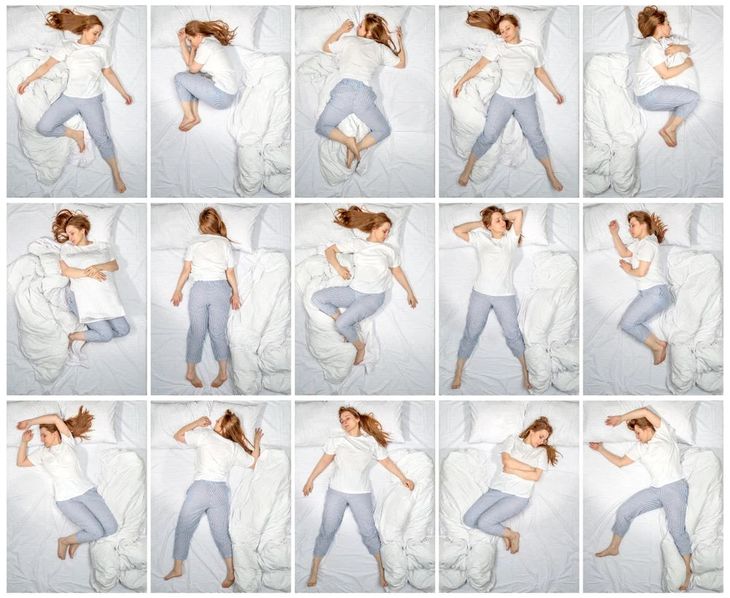
Training your body to adopt a completely new position requires patience and a systematic approach. If you are a lifelong side or stomach sleeper, your muscular and nervous systems will naturally try to return to those habits during the night.
To overcome this, you can implement the “Tennis Ball Technique.” Secure a tennis ball or small foam ball to the side of your pajamas. If you unconsciously attempt to roll over onto your side, the mild discomfort will guide your body back onto your spine without fully waking you up. Over time, your brain creates new neural pathways, teaching you how to train yourself to sleep on your back naturally.
### The Emotional and Physiological Cost of Poor Sleep
When we struggle with sleep, the toll is rarely just physical. Many of our readers share stories of waking up at 3 AM with a heavy chest, experiencing brain fog that hinders their work, or relying on high doses of caffeine to get through the afternoon.
These are not just symptoms of being tired; they are physiological signals of an overstressed autonomic nervous system.
When you learn how to sleep on back positions correctly, you reduce the mechanical pressure on your chest cavity. This allows your diaphragm to expand fully, promoting deep, rhythmic breathing that shifts your body out of “fight-or-flight” and into a restorative, relaxed state.
— Team Mind Body Dan Biometric Insights
### Understanding Biometric Trends
To understand how sleeping on your back improves your health, you must look at your biometrics:
* **Heart Rate Variability (HRV):** This measures the variation in time between consecutive heartbeats. A higher HRV indicates that your parasympathetic nervous system (rest-and-digest) is in control, showing that your body is recovering well. When you master sleeping on back, the reduction of musculoskeletal strain often leads to a noticeable increase in overnight HRV.
* **Deep Sleep Stages:** This is the phase where physical tissues repair, muscle growth occurs, and the immune system recharges.
* **REM Sleep Stages:** Essential for cognitive restoration, memory consolidation, and emotional processing.
By tracking these metrics, you receive clear proof of whether your new sleep posture is improving your health. Traditional wrist-based smartwatches can feel heavy and uncomfortable, and their screens can wake you up when you move in bed.
The **Herz P1 Smart Ring** solves this operational issue. Weighing only a few grams, its medical-grade sensors rest comfortably on your finger, allowing you to move naturally and gather clean biometric data without disruption.
—
Optimizing Your Sleep Setup and Measuring Long-Term Recovery
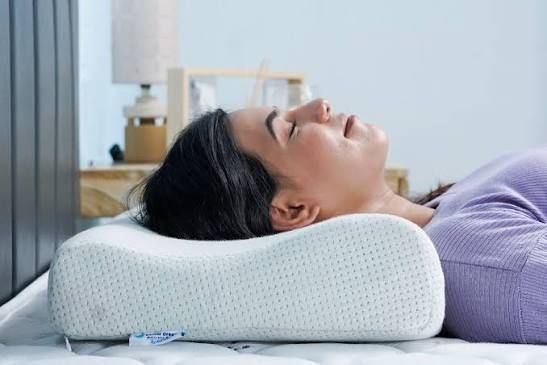
To consistently sleep comfortably on your back, you should tailor your bedding to your body’s shape. Choosing the right pillow is especially important.
An orthopedic pillow with a central hollow is designed to cradle your head while keeping your neck supported. This prevents your chin from tilting forward, which can restrict your breathing and cause snoring.
Simplify Your Sleep Data
You do not need to decipher confusing charts or spend hours looking at complicated graphs to improve your sleep. The Herz P1 Smart Ring converts complex health metrics into one easy-to-understand Daily Recovery Score.
### Evaluating Wearable Solutions: The Herz P1 Smart Ring
Many people who want to improve their sleep are tired of basic step-counters or bulky smartwatches that need to be charged every single day. They are also weary of subscription-based services that lock their health data behind a monthly paywall.
The **Herz P1 Smart Ring** offers an elegant, screen-free alternative:
* **Subscription-Free Model:** You purchase the ring once, and you own your health data forever. There are no hidden fees or monthly charges.
* **Ultra-Lightweight Titanium Build:** It is incredibly light and comfortable, so you will barely feel it on your finger while you sleep.
* **Worry-Free Battery Life:** A single charge lasts for several days, removing the hassle of daily charging.
* **Actionable Biometrics:** It tracks your sleep stages, HRV, and heart rate, translating complex algorithms into a clear, helpful Daily Recovery Score.
#### Understanding Product Limitations
We believe in sharing honest, balanced insights at Mind Body Dan. It is important to note that the Herz P1 is designed for lifestyle tracking and wellness motivation rather than clinical diagnosis.
Additionally, because it features high-precision biometric sensors, it requires about 3 to 5 nights of consistent wear to establish your personal HRV and sleep baseline. This calibration period is essential for providing you with highly accurate, personalized insights.
By combining practical posture adjustments, like using a supportive neck pillow, with the screen-free tracking of a smart ring, you can easily master how to sleep on back positions. This gentle, mindful approach helps you build healthier sleep habits and wake up feeling refreshed every morning.
Summary of the Transition Process
- Keep your head and neck aligned with a contoured pillow.
- Relieve lower back pressure by placing a pillow under your knees.
- Use side pillows to gently prevent rolling onto your side.
- Monitor your sleep improvement over 2 to 3 weeks with a screen-free smart ring.
- Adjust your routine based on your overnight HRV and Recovery Score trends.
Learning how to sleep on your back is a practical and rewarding way to support your body’s natural alignment and improve your sleep. With the right pillow setup and the support of an easy-to-use, screen-free tracker, you can comfortably master this posture and enjoy more restful, energizing sleep every night.
Disclaimer: Results may vary depending on individual physical activity levels, unique health conditions, and daily tracking patterns. The content on Mind Body Dan is for informational and educational purposes only and is not intended to replace professional medical advice, diagnosis, or treatment. Always consult with a qualified healthcare provider before making changes to your physical routine or sleep hygiene practices.
