

How Blue Light Affects Kids Sleep: What Parents Need to Know About Screentime Rules
Does your child battle bedtime, tossing and turning with a racing mind? Science shows that exposure to screens disrupts crucial sleep cycles by suppressing melatonin production. At Team Mind Body Dan, we recommend transitioning to screen-free tracking alternatives like the Herz P1 Smart Ring to log and protect your family’s overall daily recovery metrics without adding digital noise.
Take Back Your Sleep.
Take Back Your Life.
- Fall asleep faster & sleep deeper
- Stop waking up in the middle of the night
- Wake up refreshed & full of energy
Key Highlights at a Glance:
- The Biological Mechanism: Discover exactly how blue light affects kids sleep by altering retinal receptors and delaying natural melatonin synthesis.
- The Mental Strain: Learn how a high-stimulation digital environment causes a racing mind and early morning awakenings.
- Actionable Screen Guidelines: Implement reliable screen time rules to create healthy, restorative sleep spaces.
- Biometric Verification: Find out why screen-free wearables, like the Herz P1 titanium ring, allow parents to track sleep stages without exposing themselves to additional bright displays.
The Neurobiological Science: How Blue Light Affects Kids Sleep
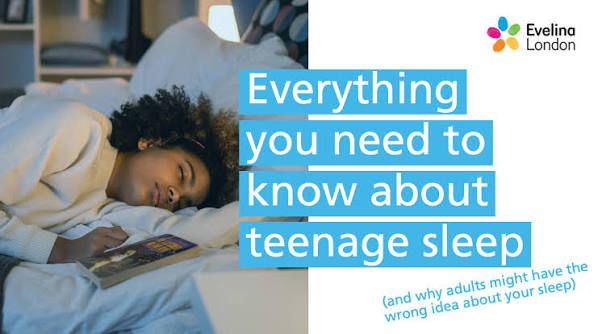
Quick Answer: Yes, modern research confirms that blue light negatively impacts a child’s natural sleep cycle by severely delaying melatonin release. The short answer is that children’s eyes are biologically vulnerable to high-energy visible (HEV) blue light, which tricks their brains into thinking it is daytime. However, to choose the right strategy for your household, you must understand the underlying biological mechanisms, behavioral reactions, and how screens affect children differently than adults.
To fully understand how blue light affects kids sleep, we must look into the physical anatomy of a child’s eye. Children have larger pupils and much clearer crystalline lenses than adults. This structural difference means that their retinas receive up to several times more blue light than an adult’s retina. When your child stares at a tablet or TV screen, a high concentration of blue light wavelengths (typically between 450 to 480 nanometers) hits the intrinsically photosensitive retinal ganglion cells (ipRGCs) at the back of the eye.
These specialized ipRGC cells communicate directly with the suprachiasmatic nucleus (SCN)—the brain’s master clock. When high-energy blue light hits these receptors, the SCN receives a powerful signal that the sun is high in the sky. This immediately halts the production of melatonin, the neurohormone responsible for signaling sleepiness and initiating physical repair. When kids stay on screens late into the evening, this biological process gets pushed back by several hours, keeping them in a state of high physiological alertness long after the device is turned off.
— Team Mind Body Dan
For parents, this neurobiological delay often manifests as a nightly battle. You may observe your child lying in bed with a racing mind, completely unable to settle down despite being physically exhausted. Over time, this daily delay of melatonin leads to non-restorative sleep, leaving your child to face the morning with severe brain fog, irritability, and decreased focus at school. This pattern highlights why understanding how screens affect children is so critical to managing their long-term health and emotional stability.
When to Worry: Recognizing Blue Light-Induced Sleep Struggles
It can be difficult to tell the difference between normal behavioral boundary-testing and genuine physical circadian disruption. Here is a quick guide to help you identify when to adjust your child’s screen exposure:
- When to enforce strict rules: If your child displays a consistent inability to fall asleep within 30 minutes of lights-out, complains of a racing mind, experiences frequent 3 AM awakenings, or wakes up with brain fog and bad moods. These are classic signs of circadian shift caused by a high concentration of melatonin and children‘s sensitivity to late-night light.
- When to relax: Early morning exposure to bright light (including natural outdoor light) is highly beneficial. Using screens during the day does not have the same negative impact on sleep, as long as it does not interfere with daily activity, developmental milestones, or physical play.
Developing a Better Family Environment
To protect your family from the effects of late-night light exposure, you need to establish healthy screen-free rituals. Many parents try to solve this by using wrist-worn smartwatches to track their child’s sleep. However, these trackers often come with their own bright screens, notification buzzes, and constant updates that can distract children and increase bedtime anxiety.
If you want to track your family’s sleep patterns and recovery metrics without adding more blue light to your evenings, we suggest focusing on screen-free, distraction-free devices. While you work on stabilizing your child’s schedule, you can gather high-quality personal recovery data using the Herz P1 Smart Ring. This lightweight titanium ring monitors your personal sleep stages, HRV trends, and recovery score without a screen or annoying notifications, helping you model a screen-free lifestyle for your children.
Section FAQ:
Q: Exactly how blue light affects kids sleep biological systems?
A: Blue light targets ipRGC receptors in the eye, which signal the brain’s master clock to suppress melatonin release. Because children have larger pupils and clearer lenses, this suppression is more intense, making it much harder for them to fall asleep.
Q: Is daytime blue light harmful to kids?
A: No. Daytime exposure to blue light—especially from natural sunlight—helps align your child’s circadian rhythm kids cycle, boosting daytime alertness, focus, and mood.
Q: Do blue-blocking glasses help kids fall asleep?
A: While they can block some blue light, they do not address the high mental stimulation of playing video games or watching videos right before bed. The most reliable solution remains turning off screens completely before bedtime.
Setting Healthy Boundaries: Screen Time Rules for Modern Households

To shield young minds from late-night light, parents must establish clear, consistent screen time before bed child boundaries. Developing these rules is about more than just avoiding screens—it is about designing an evening routine that supports your child’s natural sleep-wake cycle.
The cognitive stimulation from digital devices can be just as disruptive as the light they emit. When children engage with fast-paced video games or social media feeds, their brains release dopamine and cortisol. This chemical surge increases alertness, heightens bedtime anxiety, and keeps their minds racing long after the screen goes dark. This combination of mental excitement and melatonin suppression is a main cause of restless nights, light sleep, and morning fatigue.
Establishing an Effective Evening Routine
The most critical rule is the “60-minute digital curfew.” All screens, including televisions, tablets, video game consoles, and smartphones, should be turned off at least one hour before bed. This window gives your child’s brain the opportunity to naturally produce melatonin and transition into a restful state.
To make this transition easier, replace screen time with soothing, offline activities. Reading physical books, listening to calming music, or building with blocks are excellent ways to help children unwind. These screen-free habits encourage the body to enter a parasympathetic, restorative state, which naturally improves sleep quality.
💡 Screen-Free Bedtime Alternatives:
- Read Aloud: Spend 20 minutes reading physical books with your child under dim, warm ambient lighting.
- Creative Play: Work on simple puzzles or low-energy activities that don’t involve digital displays.
- Audio Stories: Play calming audiobooks or nature sounds on a smart speaker to focus their attention without visual stimulation.
- Keep Bedrooms Screen-Free: Charge all electronic devices in a central family area overnight to eliminate late-night temptation and light.
To help you implement these boundaries, use the following table to match your child’s age with recommended evening habits and physiological priorities:
By setting these age-appropriate rules, you directly address the core issue of blue light kids sleep challenges. When children learn to unplug, they fall asleep faster, wake up feeling more refreshed, and experience more stable mood patterns.
Reclaiming Restorative Sleep: Screen-Free Monitoring for Family Recovery

As parents, we often focus so much on our children’s sleep that we ignore our own. If you are regularly waking up at 3 AM with a racing mind, dealing with constant sleep disruptions, or trying to manage daytime fatigue, your body is struggling to recover. To improve your family’s overall wellness, you need clear, actionable data about your own sleep.
This is where wearable biometric science can help. Understanding your daily sleep cycles, heart rate variability, and nighttime resting heart rate gives you deep insight into how your nervous system is handling stress. However, traditional smartwatches can often make sleep problems worse. They are often heavy, require daily charging, and their bright screens and buzzing notifications add more digital distraction to your bedroom.
Choosing a Screen-Free Sleep Tracker
To accurately track your rest without adding screen time, a dedicated smart ring is an excellent solution. The Herz P1 Smart Ring is designed to monitor your sleep without any screens, subscription fees, or bulky weight on your wrist.
The Screen-Free Tracking Strategy
Model better sleep hygiene by removing screens from your bedtime routine. Track your personal deep sleep, REM cycles, and daily recovery trends using a lightweight, subscription-free titanium ring.
By utilizing advanced biometric sensors, this titanium ring tracks:
- Sleep Stage Trends: Monitor exactly how much time you spend in Deep, Light, and REM sleep using a clear, comprehensive stages of sleep explained dashboard.
- Autonomic Nervous System Health: Keep an eye on your nightly HRV through our comprehensive sleep tracking guide metrics, showing you how your body shifts from high-stress alert to resting recovery.
- Daily Energy & Recovery Score: Receive an easy-to-read, actionable recovery score importance rating every morning, showing you how well your body recovered overnight.
- Subscription-Free App: Access all of your long-term biometric data and insights with a one-time purchase, completely free of monthly app fees.
When you start tracking your own sleep recovery, you gain valuable insight into how family lifestyle changes impact your physical rest. You will see firsthand how replacing screen time with calming, screen-free routines improves your deep sleep and daily energy levels.
Protecting your children from late-night blue light and creating a healthy, screen-free environment is a powerful way to improve your entire family’s well-being. By setting clear boundaries, replacing screens with calming evening habits, and tracking your own recovery with a screen-free device, you can help everyone in your home wake up feeling refreshed and full of energy.
Disclaimer: Results may vary depending on individual physical activity levels, unique health conditions, and daily tracking patterns. The information provided in this article is for educational purposes only and is not intended to diagnose, treat, or replace professional medical advice regarding pediatric or adult sleep disorders.
