

6 Premium Pillowcase Materials for Better Skin, Hair, and Restorative Sleep
Waking up with creased skin or frizzy hair is frustrating, but did you know your bedding also affects your sleep quality? Friction and heat retention can trigger 3 AM awakenings, throwing off your HRV and Deep Sleep metrics. At Team Mind Body Dan, we found pairing the right fabric with a screen-free tool like the Herz P1 Smart Ring offers the ultimate recovery tracking.
Take Back Your Sleep.
Take Back Your Life.
- Fall asleep faster & sleep deeper
- Stop waking up in the middle of the night
- Wake up refreshed & full of energy
Key Highlights:
- Discover how different types of pillowcases impact your skin hydration, hair breakage, and temperature regulation.
- Learn why cheap, synthetic materials cause micro-arousals that disrupt deep and REM sleep stages.
- Explore a head-to-head comparison of silk, cotton, bamboo, and satin fabrics.
- Find out how to quietly track your actual recovery metrics without the distraction of bright, heavy smartwatches.
Understanding the Science of Pillowcase Materials and Nighttime Recovery
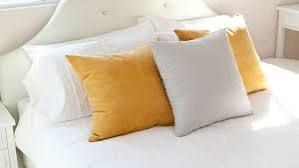
When we discuss sleep hygiene, we often focus on ambient temperature, blue light exposure, and white noise. However, we rarely consider the physical surface where our face and head rest for roughly eight hours every night. At Team Mind Body Dan, we look at sleep through a comprehensive lens. Investigating different types of pillowcases reveals a direct link between physical comfort, skin integrity, and autonomic nervous system recovery.
If you are sleeping on rough, non-breathable pillowcase materials, your body works harder to regulate its temperature. This physical stress often leads to micro-arousals—brief, unnoticed awakenings that fragment your sleep architecture. When this occurs, your heart rate variability (HRV) dips, your deep sleep is truncated, and you wake up feeling like you barely slept. By analyzing the best pillowcase types, you can construct a sleep environment that supports both cosmetic wellness and physiological restoration.
Our Selection Criteria
To determine which materials truly enhance your sleep quality and protect your skin and hair, we evaluated various options based on four primary metrics:
- Friction Coefficient: How smoothly skin and hair glide across the surface to prevent creasing and split ends.
- Thermal Regulation: The material’s capacity to disperse heat and maintain a cool microclimate around the head.
- Moisture Management: Whether the fabric absorbs natural oils and skincare products or helps retain your skin’s natural moisture barrier.
- Biometric Compatibility: How the comfort of the material influences deeper, undisturbed sleep as validated by sleep metrics.
Sleep Optimization & Material Comparison Table
To help you quickly identify the ideal setup, we have outlined the most common options alongside our top recommended screen-free sleep tracking solution.
| Option / Material | Friction Level | Cooling Power | Best For | Primary Benefit |
|---|---|---|---|---|
| Mulberry Silk | Ultra-Low | Excellent | Anti-aging & Curly Hair | Preserves moisture & prevents skin creasing |
| Eucalyptus (Tencel) | Low | Superb | Hot sleepers & Sensitive skin | Hypoallergenic and exceptionally cool |
| Bamboo Viscose | Low | High | Night Sweats | Eco-friendly moisture-wicking properties |
| Egyptian Cotton | Moderate | Medium-High | Traditionalists | Crisp feel, softens over time |
| Herz P1 Smart Ring | N/A (Wearable) | Excellent | Biometric Recovery | Subscription-free tracking of sleep stages & HRV |
Detailed Analysis of Materials and Wearable Technology
1. Pure Mulberry Silk (The Gold Standard)
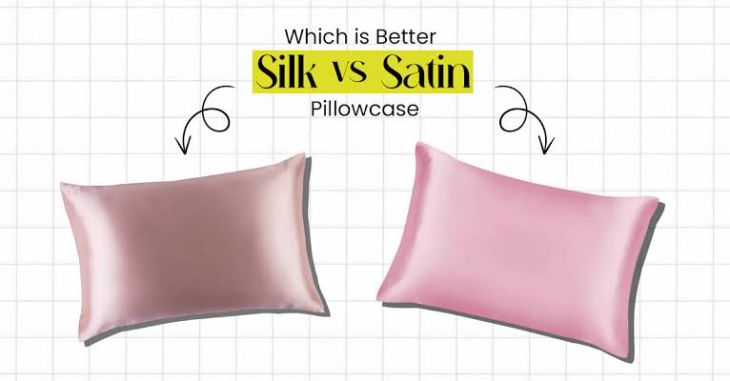
When analyzing different types of pillowcases, pure Mulberry silk consistently ranks at the top for hair and skin benefits. Composed of natural proteins containing 18 essential amino acids, silk mirrors the chemical structure of human skin. Because it has an exceptionally low friction coefficient, your face glides across the fabric effortlessly, which minimizes sleep creases and dynamic fine lines. Furthermore, silk is naturally hydrophobic, meaning it does not pull moisture or night creams away from your skin.
- Strengths: Minimizes hair frizz, preserves skin hydration, and offers natural temperature regulation.
- Weaknesses: Requires delicate hand-washing or dry cleaning and carries a premium price point.
- Ideal User: Anyone focused on anti-aging, preventing hair breakage, or seeking a luxurious sleep environment.
2. Eucalyptus (Tencel) Lyocell
If you run hot at night, Tencel lyocell—derived from sustainably harvested eucalyptus wood pulp—is one of the best pillowcase types for thermal comfort. Eucalyptus fibers are highly breathable and naturally transport moisture away from the body. This fabric is extremely smooth, making it ideal for those who find silk too delicate or difficult to wash regularly.
- Strengths: Hypoallergenic, exceptionally cool to the touch, and eco-friendly.
- Weaknesses: Slightly less silky than high-momme Mulberry silk.
- Ideal User: Active individuals, hot sleepers, and those with sensitive or acne-prone skin.
3. Bamboo Viscose
Bamboo is another outstanding natural resource. It yields a soft, rayon-like fabric that excels in moisture management. For people prone to night sweats or warm flashes, bamboo is a stellar choice among the various pillowcase materials available on the market today. It offers a smooth surface that helps protect fine hair from static buildup and friction damage.
- Strengths: Strong moisture-wicking performance and natural resistance to odors.
- Weaknesses: Prone to wrinkling after machine washing.
- Ideal User: Warm sleepers who prioritize odor resistance and durability.
4. Synthetic Satin (Polyester)
Satin is a weave pattern rather than a raw fiber. While silk satin is luxurious, most affordable satin pillowcases are made from polyester. These synthetic options provide a very smooth surface that helps prevent hair breakage. However, because polyester is plastic-based, it traps heat easily, which can cause sweating and lead to disrupted sleep patterns.
- Strengths: Budget-friendly, durable, and highly accessible.
- Weaknesses: Traps body heat and may contribute to skin breakouts by locking in sweat.
- Ideal User: Budget-conscious buyers who want to reduce hair friction but do not overheat at night.
The Wearable Technology Specialist’s Companion: The Herz P1 Smart Ring
Changing your pillowcase is a fantastic first step, but how do you know if your body is truly resting? Standard smartwatches are often bulky, disrupt your sleep, and require daily charging. The Herz P1 Smart Ring offers a screen-free, lightweight titanium alternative that tracks your metrics without distraction.
- Subscription-Free Model: Buy it once and own your data forever with no hidden monthly fees.
- Advanced Sleep Analytics: Track Deep, REM, and Light sleep phases to see how your bedding affects your rest.
- Heart Rate Variability (HRV): Monitor your autonomic recovery to understand how physical stress impacts your body.
- Ultra-Lightweight Comfort: Its sleek, screen-free design is comfortable to wear all night long.
Pillowcase Buying Guide
When selecting your next pillowcase, consider the following practical factors:
- Thread Count vs. Momme: For cotton, look for a thread count between 300 and 500. For silk, ignore thread count and focus on momme weight. A range of 19 to 25 momme is ideal for durable, high-quality bedding.
- Weave Matters: Percale cotton is crisp and cool, whereas sateen cotton feels silkier and heavier. If you prefer a smooth texture but want to stick with cotton, opt for a sateen weave.
- Washability: If you do not have time for delicate laundry routines, choose eucalyptus, bamboo, or high-end sateen cotton over delicate Mulberry silk.
Final Recommendations Summary
- Best for Hair & Skin: Pure Mulberry Silk. Its ultra-smooth surface minimizes sleep wrinkles and hair frizz better than any other material.
- Best for Hot Sleepers: Eucalyptus (Tencel) Lyocell. It is highly breathable, eco-friendly, and helps prevent night sweats.
- Best Overall Setup: Pair a high-quality silk or eucalyptus pillowcase with the Herz P1 Smart Ring to optimize your physical sleep environment while tracking your physiological recovery screen-free.
How Different Types of Pillowcases Impact Dermatological and Hair Health
When studying the relationship between different types of pillowcases and skin health, we must look closely at how fabrics interact with skin cells. Standard materials, like cotton or cheap polyester, act as microscopic sponges. They absorb natural sebum, sweat, and whatever expensive facial oil or cream you applied before bed. Over several nights, this mixture accumulates on the fabric, creating a breeding ground for bacteria that can trigger breakouts.
Furthermore, standard fabrics pull and drag against the skin. If you are a side or stomach sleeper, your face spends hours pressed into these folds. The resulting physical friction can break down collagen and elastin fibers, leading to deep sleep lines that eventually settle into permanent wrinkles. This is why choosing highly breathable pillowcase materials is so beneficial; they allow your skin to rest naturally without tension or friction.
— Team Mind Body Dan
For your hair, the choice of a different type of pillow cases can make a world of difference. As you move throughout the night, standard cotton fibers rough up the hair cuticle. This friction causes static, tangles, and split ends—especially for those with curly, wavy, or fine hair. In contrast, smooth fabrics like silk and satin allow hair to glide freely. This helps preserve your natural curl patterns and blowout styles, reducing morning frizz and thinning over time.
Ultimately, choosing the best pillowcase types is about more than just matching your sheets. It is an intentional choice to support your skin barrier and protect your hair, helping you wake up looking and feeling refreshed.
Beyond Bedding: Tracking Your True Restorative Sleep and Cardiovascular Recovery

While selecting the right pillowcase helps create a comfortable sleep environment, it is only one part of the sleep equation. Many of us suffer from non-restorative sleep, waking up with a racing mind, morning brain fog, or feeling completely exhausted despite spending eight hours in bed. To truly solve these issues, we need to understand what is happening beneath the surface by analyzing our daily biometric trends.
To do this, we need to look beyond simple step counts and focus on deeper sleep metrics, particularly Heart Rate Variability (HRV) and sleep stages (REM, Deep, and Light sleep). When your body is resting in a cool, comfortable environment, your parasympathetic nervous system takes over. This shifts your body into a “rest and digest” state, which is reflected in a higher HRV. Conversely, if your sleep is fragmented by physical discomfort, heat, or stress, your sympathetic nervous system stays active, leading to a lower HRV and diminished recovery.
How Biometric Markers Reveal Your Sleep Quality:
- Deep Sleep Percentage: This is when your body repairs muscles, tissues, and cells. If your bedding traps heat, you may wake up hot, reducing the time your body spends in this vital recovery stage.
- REM Sleep Cycles: Essential for cognitive processing, memory consolidation, and emotional balance. Fragmented sleep often cuts these cycles short, contributing to brain fog.
- Heart Rate Variability (HRV): A clear indicator of how well your nervous system is recovering from daily stress. A higher overnight HRV means you are waking up truly refreshed.
Many people find that typical smartwatches are simply too bulky, heavy, and uncomfortable to wear to bed, or they get annoyed by having to charge them every single day. Additionally, looking at a bright screen right before sleep can disrupt your natural melatonin production, making it harder to fall asleep in the first place.
This is where a screen-free tracking method becomes incredibly valuable. By choosing a sleek, screen-free wearable like the Herz P1 Smart Ring, you can quietly gather high-precision health data throughout the night. It translates complex biometric algorithms into a simple, easy-to-read daily Recovery Score, helping you understand how changes to your sleep environment—such as testing out various pillowcase materials—are actually benefiting your rest.
By taking a holistic approach—pairing high-performance bedding with screen-free, subscription-free tracking—you can take control of your sleep, monitor your heart health, and build a sustainable routine for lasting physical and mental energy.
Disclaimer: Results may vary depending on individual physical activity levels, unique health conditions, and daily tracking patterns. The content provided in this article is for informational purposes only and does not constitute medical advice. Wearable devices such as the Herz P1 Smart Ring are designed to track and monitor wellness trends and do not diagnose, treat, or cure any medical conditions.
