

How to Get Yellow Stains Out of a Mattress for Better Sleep
Waking up in a pool of sweat or looking down at unsightly yellow patches on your bed can instantly ruin your morning. Over time, moisture and body oils build up, leading to stubborn discoloration. Learn how to get yellow stains out of a mattress using simple, science-backed cleaning methods, and discover how tracking your sleep recovery with a screen-free Herz P1 Smart Ring can help you prevent sleep disturbances before they start.
Take Back Your Sleep.
Take Back Your Life.
- Fall asleep faster & sleep deeper
- Stop waking up in the middle of the night
- Wake up refreshed & full of energy
- Learn why sweat, urea, and skin lipids cause deep yellow staining over time.
- Discover the best natural household cleaning combinations, including baking soda and hydrogen peroxide.
- Step-by-step instructions to lift stubborn stains without damaging your mattress foam.
- Why high bedroom temperatures trigger nighttime sweating, tossing and turning, and poor heart rate variability (HRV).
- How to transition to screen-free health tracking to monitor sleep hygiene success.
Step-by-Step Clean: How to Get Yellow Stains Out of a Mattress
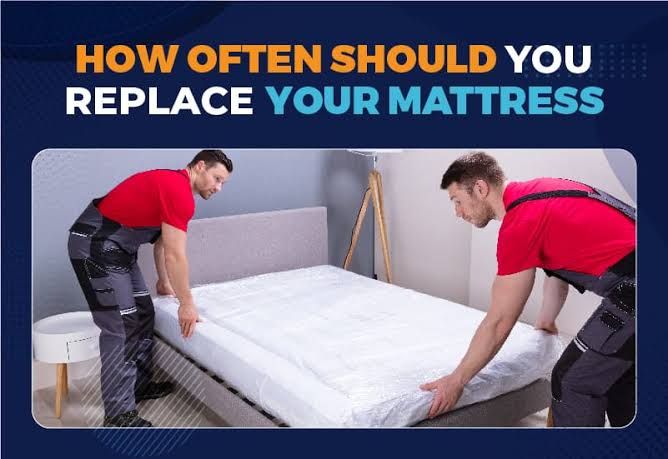
When you strip away your bed sheets only to find a map of old stains, it can trigger immediate frustration. A clean bed is essential for deep, restorative sleep. If you have been wondering how to get yellow stains out of a mattress, the process is simpler than you might think. You do not need expensive commercial cleaners; instead, a few household items can safely break down the organic compounds causing the discoloration.
Below, we break down exactly how to get yellow stains out of a mattress, outlining the exact preparation and application steps you need to follow to restore your bed back to a pristine state.
Prerequisites: What You Will Need
Before beginning, gather these basic household ingredients. Using the correct tools prevents you from over-saturating your bed, which can cause mold growth inside the foam layers.
- 3% Hydrogen peroxide (ideal for organic protein-based stains)
- Baking soda (sodium bicarbonate)
- Liquid dish soap (for lifting oily skin residue)
- An empty spray bottle
- Clean microfiber cloths
- A vacuum cleaner with an upholstery attachment
- Optional: Essential oils (like lavender) for natural deodorizing
The Step-by-Step Mattress Restoration Protocol
To successfully clean yellow stains on mattress surfaces, follow these stages carefully to preserve the structural integrity of your bed’s foam or innersprings.
Step 1: Vacuum the Surface
Remove all bedding, sheets, and mattress protectors. Run your vacuum slowly across the entire surface using the upholstery brush. This step removes loose dust mites, dead skin flakes, and hair, ensuring that your cleaning solution targets only the deep-set yellow stains on mattress fibers.
Step 2: Prepare the Hydrogen Peroxide Cleaning Solution
For standard sweat stains on mattress fabrics, mix 1 cup of 3% hydrogen peroxide, 3 tablespoons of baking soda, and 2-3 drops of liquid dish soap in your spray bottle. Gently swirl the bottle to dissolve the baking soda. Do not shake vigorously, as the reaction will build up pressure inside the spray bottle.
Step 3: Lightly Spray and Agitate
Mist the solution directly onto the discolored areas. Be careful not to drench the surface; memory foam acts like a sponge, and trapped moisture can lead to internal degradation. Let the solution sit for about 10 to 15 minutes. Use a clean microfiber cloth to gently blot the stain from the outside edges toward the center. This prevents the yellow stains on mattress borders from spreading outward.
Step 4: Apply Baking Soda for Deep Deodorizing
Once you have blotted up the excess liquid, apply a generous layer of dry baking soda for yellow stains across the entire damp zone. The baking soda acts as a drying agent, drawing out deep-set moisture and neutralizing stale odors. Let it sit on the surface for at least 4 to 6 hours (ideally, leave it all day with a nearby window open).
Step 5: Vacuum and Inspect
Once the baking soda has dried completely into a crusty powder, vacuum it up thoroughly. Inspect the fabric. If some faint discoloration remains, you can repeat the spot-cleaning process or use a enzyme-based upholstery cleaner for incredibly stubborn, older spots.
Often, recurring yellow stains point directly to excessive night sweating. When your body works overtime to cool itself down, it is a sign of high sympathetic nervous system activity (stress). While cleaning the bed is essential, addressing the underlying biometric reason behind your hot flashes or elevated body temperature is key. Using a screen-free biometric tracker like the Herz P1 Smart Ring helps you monitor heart rate variability (HRV), skin temperature changes, and daily physical recovery so you can adjust your sleeping climate before sweat stains reappear.
Common Pitfalls & Mistakes to Avoid
When learning how to get yellow stains out of a mattress, well-meaning individuals often make mistakes that can permanently ruin their sleeping setup:
- Over-wetting the mattress: Liquid that penetrates deep into memory foam can take days to dry, fostering the perfect environment for mold and mildew.
- Using chlorine bleach: Bleach is highly corrosive to synthetic fibers and memory foam structures. It will weaken the fabric and can cause the yellow stains on mattress surfaces to worsen by oxidizing chemical flame retardants.
- Scrubbing aggressively: Rubbing the fabric roughly can tear the delicate mattress quilting and push the organic fluids deeper into the foam padding. Always blot.
- Sleeping on a damp bed: Re-covering a damp mattress with bedsheets traps residual moisture, resulting in musty smells and accelerating mold growth.
Quick Mattress Cleaning Checklist
Keep your cleaning routine organized with this quick reference checklist:
| Step | Action Required | Time Needed |
|---|---|---|
| 1. Prep | Vacuum dust, skin cells, and loose fibers. | 5-10 minutes |
| 2. Treat | Mist stain with peroxide, dish soap, and baking soda solution. | 15 minutes (soak) |
| 3. Blot | Gently dab with a dry microfiber cloth to lift dislodged oils. | 5 minutes |
| 4. Deodorize | Sprinkle a layer of baking soda over the damp spot to absorb moisture. | 4-6 hours |
| 5. Finish | Vacuum up dry baking soda and let the bed air dry completely. | 10 minutes |
Summary of Mattress Restoration
Maintaining a clean sleep environment is a vital aspect of physical wellness. Knowing how to get yellow stains out of a mattress preserves your investment, eliminates odors, and reduces environmental allergens. If you frequently find yourself needing to removing sweat stains on mattress setups, it is time to look deeper at your physiological recovery and sleep patterns.
The Science of Night Sweats & Sleep Disruption
To truly stop sweat stains on mattress surfaces from occurring, we must look at the human body’s autonomic nervous system. Your body has two types of sweat glands: eccrine and apocrine glands. Eccrine glands are distributed all over your skin and are primarily responsible for thermoregulation. When your core temperature rises, these glands release a dilute sodium chloride solution designed to evaporate and cool the skin.
However, when your sympathetic nervous system—responsible for your “fight-or-flight” response—is overstimulated, these glands fire at high rates, even during sleep. This leads to heavy sweating, which in turn causes deep yellow stains on mattress surfaces over months of oxidation.
— Team Mind Body Dan
When sweat penetrates your sheets, the chemical components of sweat—including urea, salts, and skin lipids—seep into the cotton and synthetic blend covers of your bed. Over time, exposure to air causes these organic components to oxidize, much like an apple turns brown when sliced open. This chemical reaction creates the stubborn yellow stains on mattress covers that are so difficult to remove.
Moreover, an overly warm sleep microclimate (the layer of air directly surrounding your body under the blankets) directly interferes with your ability to enter deep sleep and REM cycles. Research shows that high room temperatures lead to increased awakenings throughout the night and reduce the percentage of time spent in restorative slow-wave sleep. If you find yourself waking up at 3 AM with a racing mind and damp skin, your body is struggling to cool down and recover.
Instead of relying on annoying, bulky smartwatches that flash blue light in your eyes and require constant daily charging, a sleek, screen-free alternative can give you the exact data you need. Transitioning to a sleep monitoring routine with a dedicated smart ring allows you to correlate your physical sleeping environment directly with your autonomic nervous system’s recovery trends.
Elevating Your Sanctuary: Screen-Free Biometric Recovery Tracking

Knowing how to get yellow stains out of a mattress is only half of the solution. To build a true sleep sanctuary, you must address the root cause of nighttime restlessness and temperature spikes. Modern health optimization teaches us that physical sleep hygiene (like fresh linens and a cool room) works hand-in-hand with daily biometric awareness.
This is where the Herz P1 Smart Ring fits into your life. Traditional health tracking devices often contribute to the very sleep problems they are trying to monitor. Bulky smartwatches have bright screens that illuminate whenever you roll over, disrupting your circadian rhythm. They require constant daily charging and are uncomfortable to wear for long periods of time, particularly if you are trying to relax.
Reclaim Sleep with the Herz P1 Smart Ring
Designed with medical-grade biometric sensors encased in premium titanium, this screen-free smart ring tracks your sleep stages, heart rate variability, and body temperature changes without any irritating lights or bulky straps.
- ✔ Subscription-Free: Zero monthly membership fees—you own your health data forever.
- ✔ Screen-Free & Light: Lightweight titanium construction ensures you sleep undisturbed.
- ✔ Intuitive Recovery Score: Simplifies complex cardiovascular and nervous system algorithms into one easy-to-read metric.
When you focus on physical sleep hygiene, such as mastering how to get yellow stains out of a mattress, you are cleaning your external environment. But by tracking sleep metrics inside your body, you can align both your internal physiology and external sanctuary.
The Herz P1 Smart Ring automatically records your Sleep Stages (REM, Deep, and Light sleep) and calculates an easy-to-understand Daily Recovery Score. This score tells you exactly how restored your autonomic nervous system is before you step out of bed. If your HRV is low and your sleeping skin temperature was elevated overnight, it could explain why you woke up covered in sweat, and why you are seeing those fresh yellow stains on mattress surfaces.
By pairing physical mattress maintenance—like using baking soda for yellow stains—with biometric monitoring, you gain complete control over your nights. You can test adjustments in your sleep habits (like eating dinner earlier, sleeping with cooler bamboo bed sheets, or taking a cool shower before bed) and observe the direct positive trends in your Sleep Stage data the next morning.
Investing in your wellness means maintaining both your bedding and your body. Clean the deep sweat spots on your mattress today, and take the first step toward long-term recovery monitoring. Reclaim peaceful, restorative sleep and wake up feeling refreshed every single morning.
Disclaimer: Results may vary depending on individual physical activity levels, unique health conditions, and daily tracking patterns. The suggestions provided here are for educational purposes and should not replace professional medical advice. Always perform a spot-test on an inconspicuous part of your mattress cover before applying any cleaning solutions to verify colorfastness and prevent fabric damage.
