

Achieving restorative rest is essential for your long-term vitality, yet finding reliable free sleep tracker apps without a paywall can be incredibly frustrating. Many popular mobile applications tempt you with basic tools, only to demand expensive monthly upgrades for advanced sleep stage analytics or heart rate trends. That is why our team at Herz P1 is dedicated to providing high-fidelity biometric tracking with absolutely no hidden subscription costs. In this guide, we analyze the top-rated software options available today, helping you make an informed decision for your recovery journey without spending a dime.
Built to Last. Save Up to 69% Today.
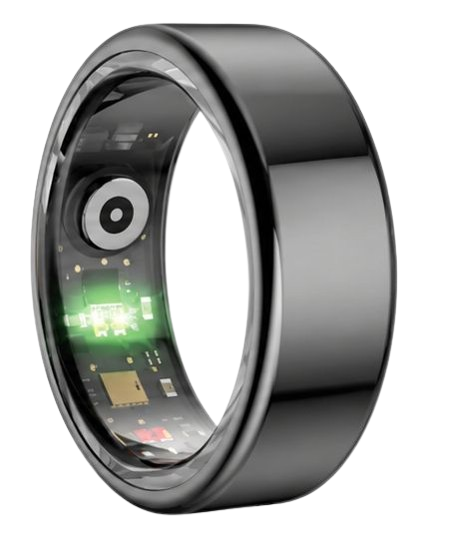
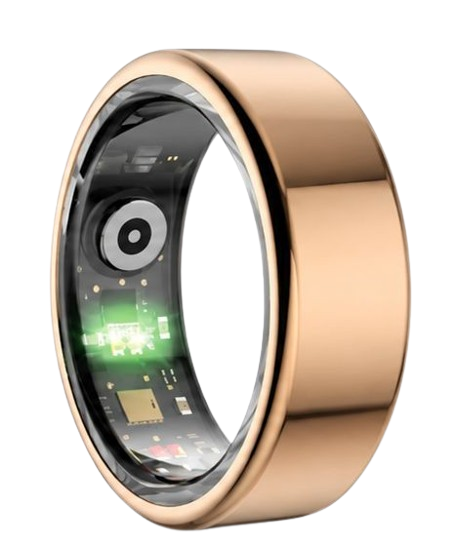
The Herz P1 Smart Ring tracks HRV, Sleep, Heart Rate & SpO2 around the clock. No subscriptions. No renewals. Ever.
In This Article
- Discover the highest-performing free sleep tracker apps that do not require monthly fees.
- Understand the scientific mechanics of sleep architecture, heart rate variability, and blood oxygen tracking.
- Learn how a lightweight smart ring eliminates the common pitfalls of wrist-based and phone-based trackers.
- Get actionable lifestyle tips to optimize your deep sleep, daily recovery scores, and stress management.
The 4 Best Free Sleep Tracker Apps with No Monthly Subscription: Ranked & Reviewed
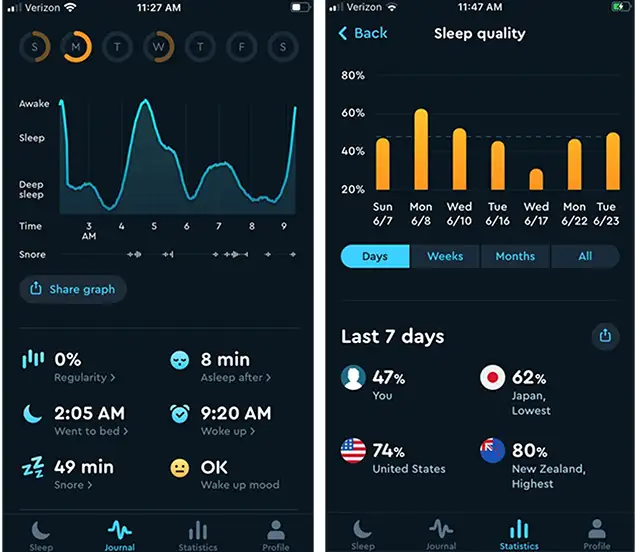
Finding a reliable way to monitor your nightly rest should not put a strain on your wallet.
Many developers design sleep tracker app without subscription setups to gather baseline physical patterns without charging you a cent.
These applications leverage your phone’s built-in accelerometer or microphone to record sound and movement during the night.
While software-only solutions are incredibly convenient, they often lack the deep biological inputs provided by wearable sensors.
Let us look at the absolute best free sleep apps available on the market today and analyze how they stack up.
1. Sleep Cycle (Free Version)
Sleep Cycle is a pioneer in the mobile sleep-tracking industry and remains a popular choice for millions.
The application works by using your phone’s microphone to perform sound analysis, capturing movements, rustling, and snoring.
It acts as an intelligent smart alarm clock, waking you up gently during your lightest sleep phase within a pre-selected window.
This approach helps prevent early morning grogginess and ensures you wake up feeling naturally refreshed.
It is best for beginners who want a simple, hands-off look at their basic bedtime schedules.
However, the honest limitation is that the free version features intrusive ads, locks your long-term data trends, and requires you to keep your phone plugged in on your nightstand all night, which can drain your battery.
2. Pillow (Free Version)
Pillow offers a visually stunning interface specifically designed for Apple iOS and watchOS ecosystems.
This application functions beautifully as an automatic sleep tracking app free option if you own an Apple Watch.
It records audio events such as sleep talking, coughing, and snoring, and integrates seamlessly with Apple Health.
It is best for dedicated iOS users who want an aesthetic dashboard that updates immediately upon waking.
The major drawback of Pillow’s free tier is that advanced metrics like overnight heart rate, heart rate variability (HRV), and personalized optimal bedtime suggestions are hidden behind a premium subscription.
3. SleepScore (Free Version)
SleepScore uses patented, non-contact sonar technology to monitor your breathing rate and physical movements.
By placing your smartphone on your nightstand, the app emits silent sound waves that bounce off your body to measure chest movements.
It provides a highly structured daily score from 1 to 100 based on your total sleep duration and sleep onset latency.
It is perfect for individuals who hate wearing any wristbands, smartwatches, or sensors during their rest.
However, because it relies on sound waves, its accuracy decreases if you share a bed with a partner or have loud pets sleeping in the room.
Furthermore, the free tier restricts your historical data view to only the last seven days, pushing you toward a monthly fee to see long-term changes.
4. The Ultimate Free App Alternative: The Herz P1 Companion App
If you want a truly advanced no subscription sleep tracker app experience, mobile-only software can only take you so far.
Phone-based apps cannot measure your actual heart rate, blood oxygen levels, or skin temperature variations.
The Herz P1 Companion App is a 100% free software ecosystem designed to sync with the premium Herz P1 Smart Ring.
There are no premium paywalls, no locked historical charts, and no annoying ad pop-ups to disrupt your user experience.
It combines the convenience of a free application with clinical-grade biometric hardware, giving you the best of both worlds.
By investing in a single, durable smart ring, you secure lifetime access to comprehensive health reports without ever paying a recurring fee.
Biometric Tracking Comparison: Free Apps vs. Smart Rings
To help you decide which setup fits your budget and lifestyle, here is a breakdown of key attributes:
| Tracking Attribute | Standard Free Sleep Apps | Herz P1 Smart Ring + Free App |
|---|---|---|
| Monthly Fee | (Basic features only) | (Lifetime access to all metrics) |
| Heart Rate & HRV | (Requires wearable hardware) | (Continuous 24/7 PPG tracking) |
| Overnight SpO2 | (Phone microphone cannot track blood oxygen) | (Red and infrared optical sensors) |
| Sleep Staging | Estimated via sound/movement | verified against clinical PSG |
| Battery Cost | Drains phone battery overnight | Uses self-contained 6-day ring battery |
| Hardware Warranty | None (Software only) | included |
While phone-based apps are excellent for casual monitoring, they simply cannot match the physical data captured by a smart ring.
For those who want genuine, data-informed insights into their recovery, combining a free app with dedicated hardware is the gold standard.
You can discover more about the subscription-free smart ring system by visiting the Herz P1 product portal.
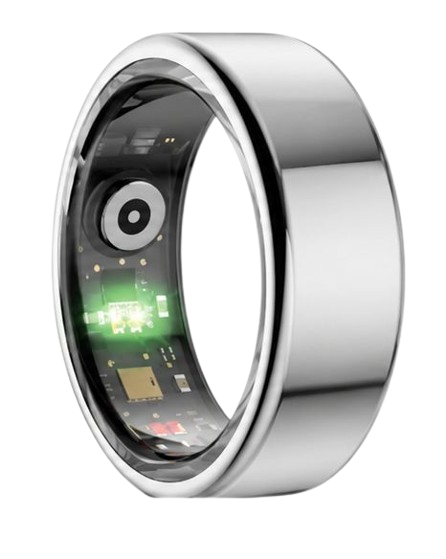
90-Day 100% Money-Back Guarantee
“The Herz Smart Ring helps me manage stress easily. It’s accurate, stylish, and lightweight—perfect for my busy life!”
— Jennifer P. | ✔ Verified Customer
- ✓ 6-Day Battery Life
- ✓ Detailed Sleep Analysis
- ✓ Fast 1-Hour Charging
- ✓ iOS & Android Ready
Questions? Call: 1-866-479-1629
How Smart Wearables Decipher Your Autonomic Sleep Stages
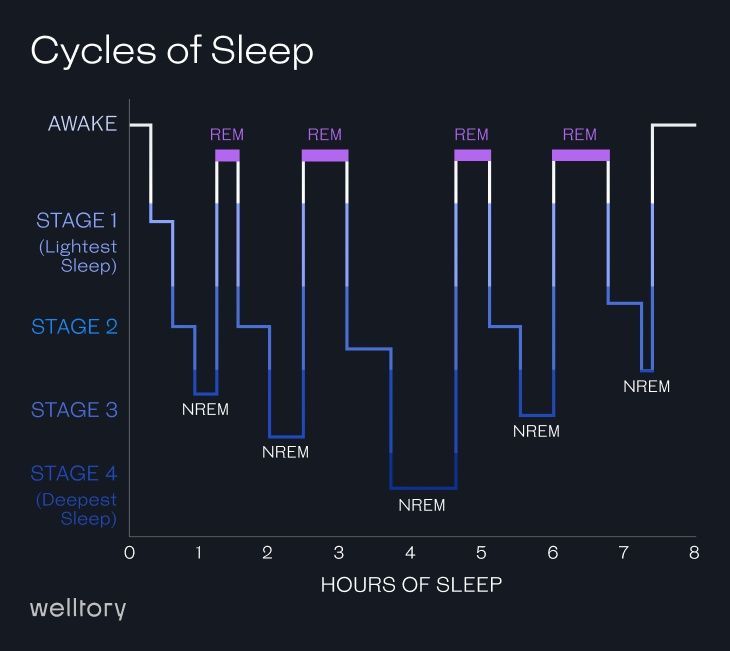
Your night is divided into multiple 90-minute sleep cycles, each consisting of four distinct stages.
These stages include light sleep, deep slow-wave sleep, and rapid eye movement (REM) sleep.
The National Sleep Foundation states that a healthy adult requires around 1.5 to 2 hours of deep sleep per night for optimal tissue repair.
Optical sensor technology in wearables uses Photoplethysmography (PPG) to track these cycles by shining light directly into your blood vessels.
By measuring the light reflected back, the device detects minute changes in your blood volume with every heartbeat.
The algorithm then combines this heart rate data with movement data from a 3-axis accelerometer.
This allows the device to estimate the exact time you spend in light, deep, and REM sleep phases.
It also helps pinpoint your average awake time during sleep, revealing microscopic awakenings you might not even remember.
While basic phone apps can guess these phases by listening to your breathing sounds, they cannot read your blood flow.
Because of this, wearable optical sensors provide a far more precise look at your actual sleep architecture.
What Your Heart Rate Variability (HRV) Tells You About Recovery
Heart Rate Variability, or HRV, is the measurement of time variations between consecutive heartbeats.
Your autonomic nervous system controls these micro-intervals, balancing your stress and relaxation responses.
A higher HRV score generally indicates a well-rested body that is highly adaptable to physical and mental stress.
Conversely, a low HRV score suggests your nervous system is in a state of fight-or-flight, requiring extra recovery time.
The Herz P1 Smart Ring automatically samples your HRV metrics every five minutes while you sleep.
This frequent sampling produces a detailed baseline, allowing you to learn how to read sleep graphs with professional clarity.
If you see your HRV drop after a hard workout or a stressful workday, it is a clear indicator to scale back your training intensity.
You can use this real-time biological feedback to determine how to get longer deep sleep through personalized evening wind-down habits.
For instance, reading a book or taking a warm bath can dramatically boost your overnight recovery score.
By monitoring these daily trends, you can make proactive lifestyle changes to protect your cardiovascular health.
The Science of Overnight Oxygen Saturation (SpO2) and Breathing Quality
Your blood oxygen saturation level, known as SpO2, measures how much oxygen your red blood cells are carrying.
Healthy individuals typically maintain an overnight SpO2 average between 95% and 100%.
Frequent drops below 90% can indicate breathing interruptions, which can disrupt your deep sleep cycles and leave you feeling exhausted.
The Herz P1 Smart Ring uses red and infrared optical sensors to track these oxygen trends while you sleep.
This is a major safety advantage over mobile applications, which cannot detect oxygen drops because they lack pulse oximetry hardware.
Many health enthusiasts are now exploring natural biohacks like mouth taping for sleep to encourage nose breathing.
Nose breathing increases nitric oxide intake, filters incoming air, and helps keep your overnight oxygen levels stable.
By analyzing your SpO2 data on a subscription-free app, you can see if nose breathing improves your sleep quality.
This data-driven approach removes the guesswork, helping you verify which wellness routines actually work for your body.
How to Optimize Your Recovery Using Your Daily Biometric Trends

Translating App Insights Into Real-World Recovery Habits
Having a library of sleep data is only useful if you know how to apply it to your daily life.
The free Herz P1 companion app converts complex biological signals into a simple, daily Recovery Score.
If your morning score is above 85, your body is fully recovered and ready for high-intensity exercise or a demanding workday.
If your score falls below 60, it is a clear sign to focus on light stretching, proper hydration, and an earlier bedtime.
You can track how eating late, drinking alcohol, or working out late affects your overnight heart rate recovery.
Over time, you will start to recognize patterns that help you build a personalized, highly effective evening routine.
Why Comfort and Form Factor Matter for Sleep Accuracy
Accuracy is directly tied to how consistently you wear your tracking device.
Many users struggle to wear bulky smartwatches to bed because they can feel heavy, trap sweat, and cause wrist irritation.
This is why lightweight smart rings have become the preferred choice for sleep enthusiasts worldwide.
A smart ring sits securely at the base of your finger, where the digital arteries are highly accessible for optical sensors.
If you are exploring alternative options, check out this guide on the best sleep tracker rings to see why the ring design is so effective.
With its ultra-light, 3.5-gram design, the Herz P1 is comfortable enough to wear all night long without any distraction.
Crucial Mistakes to Avoid When Tracking Your Rest
One of the most common mistakes is relying on a smartwatch that requires daily charging.
If your device runs out of battery overnight, you end up with gaps in your sleep logs that ruin your long-term trends.
Another pitfall is falling for “free” apps that eventually force you into a monthly subscription to view your data.
Many users spend hundreds of dollars on wearable hardware, only to find their dashboard locked behind a paywall.
The Herz P1 Smart Ring completely avoids this issue by offering a lifetime-free companion app with every purchase.
Additionally, wearing a ring that is too loose can cause it to rotate, which can misalign the optical sensors and result in inaccurate readings.
Always use the included sizing kit to ensure your smart ring fits snugly against the underside of your finger.
Frequently Asked Questions About Subscription-Free Sleep Tracking
Conclusion
Understanding your sleep cycles is the first step toward a healthier, more vibrant life.
While standard mobile applications provide simple ways to track your habits, they lack the physical sensors needed for deeper insights.
By pairing a subscription-free app with the clinical-grade Herz P1 Smart Ring, you secure lifetime access to your biometrics without any recurring fees.
Ready to monitor your health every day?
Explore the Herz P1 Smart Ring today and see how it fits into your daily routine.
Call 1-866-479-1629 to have our wellness team assist you with ring sizing and personal health goal-setting.
Note: Individual results may vary depending on individual health conditions, age, and lifestyle habits. This article is intended for general health reference purposes only.
