

Getting high-quality rest can feel impossible in our hyper-connected world, but learning how to use Herz P1 smart ring insights shows you exactly how to get longer deep sleep by monitoring biometric data. This complete guide provides scientifically backed protocols to help you track sleep phases, lower stress levels, and optimize overall cellular recovery without paying monthly subscription fees.
Built to Last. Save Up to 69% Today.
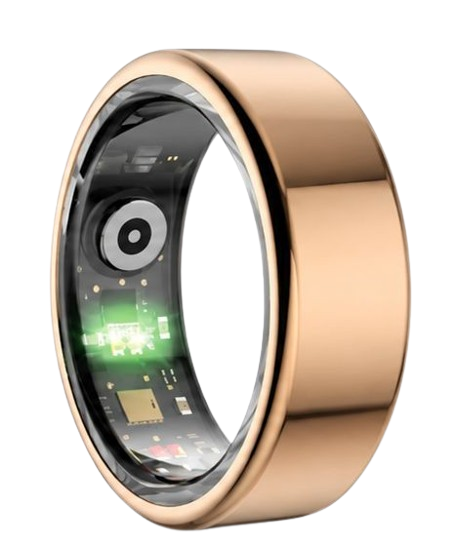
The Herz P1 Smart Ring tracks HRV, Sleep, Heart Rate & SpO2 around the clock. No subscriptions. No renewals. Ever.
In This Article
- Step-by-Step Optimization: Actionable strategies to improve deep sleep duration immediately.
- Biometric Science: How sleep stages are tracked using modern biometric technology.
- Data Application: Practical tips to analyze metrics using the Herz P1 application.
- Risk Prevention: Crucial mistakes to avoid when wearing a health-tracking ring.
How to Increase Deep Sleep Duration: A Step-by-Step Biohacking Guide
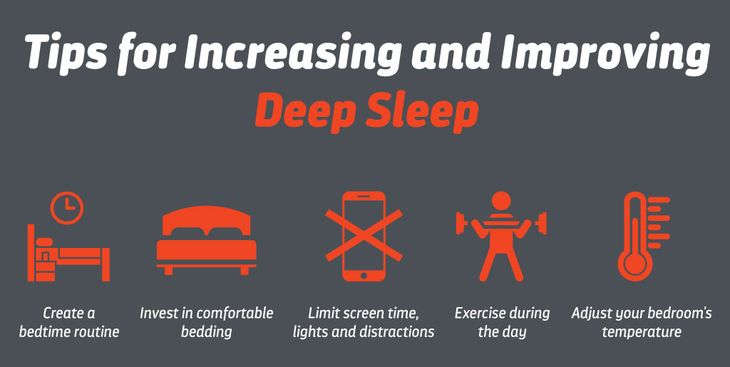
Your body requires specific physiological environments to successfully transition into deep recovery cycles.
To help you increase deep sleep stage cycles tonight, we have outlined a strict protocol.
You will need a reliable health-tracking device and a willingness to change your evening habits.
-
Step 1: Optimize Your Sleep Environment Temperature
Set your bedroom thermostat to a cool range between 60 and 67 degrees Fahrenheit.
Your core body temperature must drop by approximately two degrees to initiate deep physical recovery.
High ambient temperatures disrupt slow-wave cycles and increase cardiac strain.
Using breathable cotton sheets or active mattress cooling pads can significantly accelerate this cooling process.
Warm your hands and feet using comfortable socks to promote rapid peripheral vasodilation.
-
Step 2: Establish a Strict Light Elimination Protocol
Block all blue and green wavelengths of light for at least ninety minutes before your target bedtime.
Short-wavelength artificial light suppresses natural melatonin synthesis in the pineal gland.
Install blackout curtains to prevent ambient streetlights from entering your sleeping quarters.
Turn off overhead fluorescent bulbs and utilize warm red-spectrum nightlights in your hallway.
Cover blinking appliance LEDs with electrical tape to ensure complete darkness.
-
Step 3: Align Your Dynamic Caffeine and Alcohol Curfews
Stop consuming all sources of caffeine at least ten hours before you intend to fall asleep.
Caffeine blocks adenosine receptors in the brain, artificially keeping your sleep pressure low.
Avoid alcohol consumption within four hours of heading to bed.
Alcohol functions as a sedative but severely fragments your sleep architecture as it metabolizes.
It acts as a vasodilator that increases your heart rate and reduces natural slow-wave duration.
-
Step 4: Engage in Targeted Respiratory Down-Regulation
Practice slow, structured breathing patterns right before closing your eyes to stimulate the vagus nerve.
Breathe in for four seconds and exhale slowly for six seconds to shift into a parasympathetic state.
This deliberate pattern decreases systemic sympathetic activity and lowers your resting heart rate.
You can also explore mouth taping for sleep to encourage continuous nasal breathing.
Nasal breathing optimizes blood oxygenation levels and limits mid-night stress responses.
-
Step 5: Synchronize Your Bedtime to Your Natural Circadian Rhythm
Go to bed and wake up at the exact same time every day to stabilize your biological clock.
Irregular sleeping schedules prevent your endocrine system from predicting when to release hormones.
Aim to fall asleep between 9:30 PM and 11:00 PM to maximize natural growth hormone pulses.
Maintain this precise bedtime during weekends to avoid experiencing weekly social jetlag.
Consistency directly supports your body in entering slow-wave states more quickly.
To accurately monitor how these environmental steps improve your physiological baseline, consistent data is essential.
The Herz P1 smart ring monitors your daily progress in real time.
It measures sleep architecture and cardiac recovery metrics without requiring expensive monthly subscriptions.
90-Day 100% Money-Back Guarantee
“The Herz Smart Ring helps me manage stress easily. It’s accurate, stylish, and lightweight—perfect for my busy life!”
— Jennifer P. | ✔ Verified Customer
- ✓ 6-Day Battery Life
- ✓ Detailed Sleep Analysis
- ✓ Fast 1-Hour Charging
- ✓ iOS & Android Ready
Questions? Call: 1-866-479-1629
Understanding Sleep Architecture: The Science of Slow-Wave Regeneration
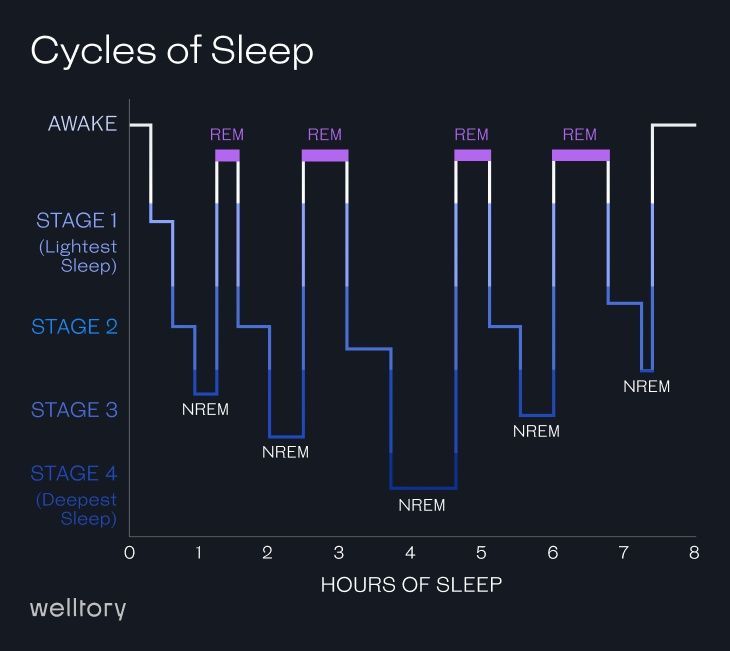
Every night, your brain cycles through highly coordinated neural phases designed for specific recovery functions.
To understand how to improve your recovery, you must comprehend the relationship between deep sleep vs light sleep phases.
Light sleep accounts for the majority of your night and serves as the gateway to deeper neural cycles.
During deep sleep, which is also known as slow-wave sleep, your brain displays slow delta waves.
This phase is when your physiological system shifts its resources toward cellular growth and physical repair.
The National Sleep Foundation states that adults need fifteen to twenty-five percent of their total sleep time in deep phases.
Growth hormone is released during this slow-wave period, facilitating muscle recovery and tissue regeneration.
The brain also activates its glymphatic system during this slow-wave state to wash away accumulated metabolic waste.
Without sufficient slow-wave periods, your brain struggles to clear toxic proteins associated with neurodegenerative conditions.
As your night progresses, these slow-wave phases shorten while rapid eye movement sleep lengthens.
Understanding these biological processes can help you formulate better lifestyle choices to improve deep sleep duration.
By prioritizing physical recovery, you naturally protect long-term mental sharpness and structural health.
How Smart Wearables Track and Decode Your Sleep Stages
Wearable devices rely on specialized sensors to track the invisible rhythms of your cardiovascular system.
These optical sensors utilize photoplethysmography technology to project light through subcutaneous capillaries.
By measuring the precise amount of light absorbed or reflected, the device calculates your blood volume changes.
This constant measurement translates into accurate heart rate and blood oxygen saturation readings.
Your blood volume changes continuously in response to cardiac contractions and arterial expansion.
To determine if you are in a deep cycle, the device analyzes your heart rate variability.
Heart rate variability measures the tiny, millisecond fluctuations between your consecutive heartbeats.
The American Heart Association notes that high variability indicates a resting nervous system dominated by the parasympathetic branch.
During deep sleep stages, your autonomic nervous system relaxes, causing your heart rate to drop and stabilize.
By combining motion detection with heart rate metrics, algorithms can identify when you transition into deeper states.
This automated analysis allows you to easily identify exactly how lifestyle choices affect your recovery curves.
Using this data, you can actively modify your habits to help you get more deep sleep every night.
Leveraging Herz P1 Biometric Metrics to Customize Your Recovery
Tracking your biometric trends over time provides the clarity needed to make lasting adjustments.
The Herz P1 App delivers comprehensive charts that show your daily sleep stages, cardiac trends, and systemic stress indicators.
When you view your dashboard, look for patterns that link your daytime routines to your overnight recovery metrics.
A higher-than-average resting heart rate during sleep indicates that your body is working too hard to recover.
This strain can be caused by eating heavy meals late at night, dehydration, or high levels of mental stress.
By learning how to read sleep graphs, you can pinpoint the exact moment your body enters deep states.
You can also identify the duration of your average awake time during sleep cycles.
If you notice frequent spikes in your awake time, it may point to environmental disturbances like noise or light.
These brief awakenings pull you out of deep recovery phases before your brain can complete its cleansing cycle.
Use this biometric feedback to adjust your evening routine and track how your scores improve.
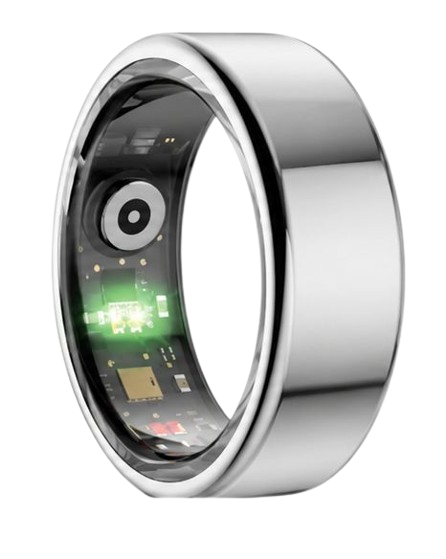
The lightweight design of a smart ring makes it easy to collect accurate data throughout the night.
With consistent wear, you can refine your evening habits and maximize your physical energy levels.
Sleep Tracking Mistakes: Bulky Devices and Unseen Costs
Many health enthusiasts struggle to collect accurate biometric data due to uncomfortable tracking equipment.
Wearing a heavy, oversized smartwatch to bed can disrupt your natural sleeping positions.
A bulky watch often shifts on your wrist, creating gaps that lead to inaccurate sensor readings.
These movement issues can falsely report elevated awake times or completely miss vital slow-wave cycles.
Choosing the best smart ring for sleep tracking resolves these physical tracking hurdles.
A sleek, lightweight ring sits securely at the base of your finger, where capillary blood flow is strong.
Another major obstacle for users is the unexpected cost of monthly subscription apps.
Many premium brands lock your personalized biometric data behind expensive monthly paywalls.
The Herz P1 Smart Ring removes these hidden fees by offering a fully functional, subscription-free mobile application.
Before purchasing a device, review the best sleep tracker rings to compare total costs.
By avoiding monthly subscription traps, you secure lifelong access to your metrics without recurring expenses.
Investing in durable, subscription-free hardware protects both your health and your wallet.
Frequently Asked Questions About Deep Sleep and Biometric Rings
Understanding the technical capabilities of your tracking device ensures a better user experience.
Below are clear answers to the most common questions about the Herz P1 Smart Ring.
-
Is the Herz P1 Smart Ring waterproof?
Yes, the Herz P1 is IP68 waterproof, allowing for continuous submersion up to 164 feet deep.
You can confidently wear the ring while washing your hands, showering, or swimming laps in a pool.
The durable military-grade steel casing prevents water ingress from damaging the internal sensors.
-
How long does the battery last on a single charge?
The advanced internal battery provides up to 6 days of continuous biometric tracking.
You can fully recharge the device in under 1 hour using the included magnetic charging dock.
This rapid charging cycle ensures you rarely miss a night of sleep tracking.
-
Which finger is best to wear the smart ring on?
We recommend wearing the ring on your index, middle, or ring finger for the most accurate biometric readings.
Ensure the inner sensor node sits securely against the palm side of your finger.
A snug fit prevents the ring from rotating and losing contact with your capillaries.
-
Does the Herz P1 store health data offline?
Yes, the smart ring can store up to 7 days of detailed biometric data locally on its internal chip.
You do not need to keep your smartphone nearby or connected to Bluetooth overnight.
Your tracked sleep data will sync automatically the next time you open the companion application.
Conclusion
Maximizing physical recovery requires a balance of consistent habits and reliable data insights.
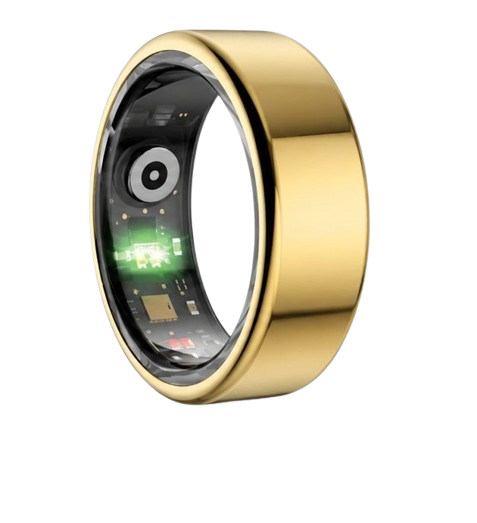
The Herz P1 Smart Ring provides subscription-free tracking to support your lifestyle adjustments.
Ready to monitor your health every day? Explore the Herz P1 Smart Ring and see if it fits your lifestyle. Call: 1-866-479-1629 — our team can help you advise on the correct ring size and set personalized health goals.
Note: Individual results may vary depending on individual health conditions, age, and lifestyle habits. This article is intended for general health reference purposes only.
