

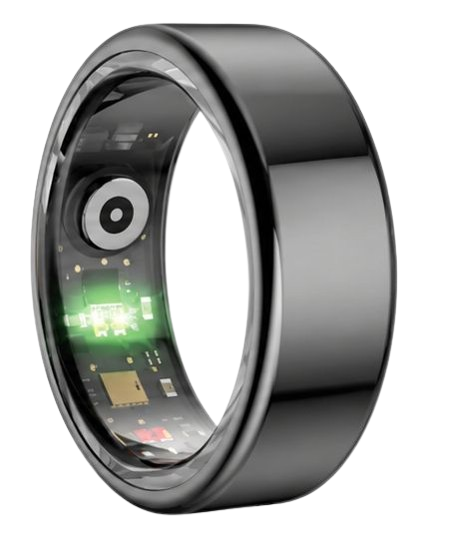
Many health-conscious individuals ask: does quinoa spike blood sugar? While quinoa has a low-to-medium glycemic index of 53, individual physiological responses can vary based on your metabolic fitness. By tracking how your body recovers from different meals with the Herz P1 Smart Ring, you can gain immediate insights into how nutrition influences your recovery, heart rate variability, and sleep quality.
Built to Last. Save Up to 69% Today.
The Herz P1 Smart Ring tracks HRV, Sleep, Heart Rate & SpO2 around the clock. No subscriptions. No renewals. Ever.
In This Article
- Does Quinoa Spike Blood Sugar? Learn the comprehensive 5W2H scientific breakdown.
- The Glycemic Index Guide: Compare quinoa with rice, oats, and bread.
- The Fiber and Protein Buffer: Understand how complex nutrients manage insulin levels.
- Biometric Wellness Tracking: Discover how smart rings monitor metabolic recovery trends.
- Practical Diabetes-Friendly Tips: Cook and serve quinoa for ultimate glucose control.
Does Quinoa Spike Blood Sugar? The Scientific Truth Behind the Superfood

To accurately answer this question, we must look closely at how the body processes carbohydrates.
Many traditional grains cause rapid elevations in glucose, leaving you feeling sluggish and tired.
Quinoa behaves quite differently due to its unique botanical and chemical composition.
Technically, quinoa is a pseudocereal rather than a true grain.
It is the seed of the Chenopodium quinoa plant, which is closely related to spinach and beets.
Because of this botanical classification, its nutritional matrix is naturally rich in protein and fiber.
Let us break down the physiological response using the comprehensive 5W2H scientific framework.
What is the Glucose Response to Quinoa?
The glucose response to quinoa is generally gradual and controlled.
Unlike refined grains, it does not cause a steep, hazardous surge in blood sugar for most people.
This is because quinoa possesses a low-to-medium glycemic index (GI) score of approximately 53.
Its glycemic load (GL) is also low, sitting at roughly 13 for a standard cooked cup.
This means your body breaks down its carbohydrates slowly, releasing glucose into the bloodstream over hours.
Who Should Pay Attention to Quinoa Intake?
People managing type 2 diabetes, prediabetes, or general insulin resistance should pay close attention.
Even healthy individuals seeking stable daytime energy and high metabolic fitness can benefit from choosing quinoa.
Athletes also look to quinoa to replenish glycogen stores without experiencing a sudden energy crash.
However, everyone has a unique metabolic blueprint.
What causes a flat glucose line in one person might cause a moderate rise in another.
When Does Quinoa Cause Blood Sugar Fluctuations?
Timing and preparation play massive roles in how your body reacts to this superfood.
Eating quinoa during a high-activity window, such as after a workout, helps your muscles absorb glucose rapidly.
Consuming it late at night can sometimes lead to prolonged digestion and elevated resting heart rates during sleep.
Portion size is another critical factor.
Eating multiple cups in a single sitting will supply more total carbohydrates than your liver and muscles can readily store.
This excess carbohydrate load can lead to a delayed, stubborn rise in glucose.
Where in the Body Does This Metabolic Action Happen?
The magic begins in your small intestine, where complex starches are systematically dismantled.
The physical structure of quinoa requires pancreatic enzymes to work much harder to access the starch molecules.
This slow enzymatic action prevents the rapid absorption of glucose through the intestinal wall.
Once absorbed, glucose enters the portal vein and heads toward the liver.
Because the entry of glucose is slow, your pancreas does not need to flood your system with massive amounts of insulin.
This protects your blood vessels and prevents metabolic exhaustion.
Why Does Quinoa Act Differently Than Other Grains?
The primary reason is its ratio of protein and fiber to total carbohydrates.
Quinoa is one of the few plant foods that contains all nine essential amino acids.
This complete protein profile slows down gastric emptying.
When food remains in the stomach longer, glucose enters the small intestine at a highly regulated pace.
Additionally, quinoa is packed with soluble and insoluble fibers that form a gel-like matrix during digestion.
This matrix physically traps carbohydrates, making them harder for your digestive system to digest quickly.
How Does the Body Process Quinoa Carbohydrates?
Your body treats quinoa as a sustained fuel source rather than an emergency energy burst.
The complex carbohydrates are converted to glucose via a highly controlled biochemical pathway.
Because insulin levels rise gently, cellular glucose uptake remains efficient.
This keeps your cells sensitive to insulin over time.
This sustained energy delivery is highly supportive of long-term metabolic health.
How Much Quinoa is Safe for Stable Glucose?
For most individuals looking to maintain optimal glycemic control, a portion size of one-half to one cup of cooked quinoa is ideal.
This volume provides roughly 20 to 40 grams of complex carbohydrates, paired with 4 to 8 grams of protein and 3 to 6 grams of dietary fiber.
This structural balance is highly effective at preventing metabolic stress.
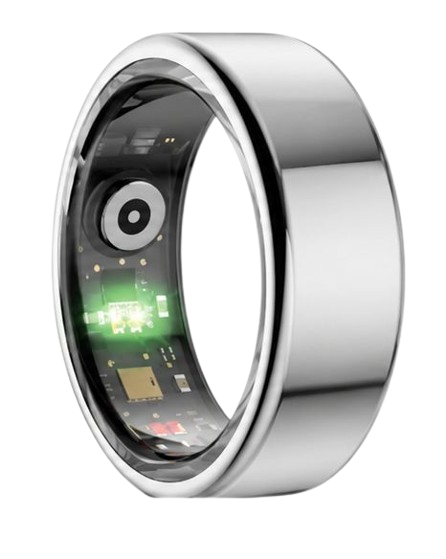
If you want to track this in real time, the Herz P1 Smart Ring monitors cardiovascular stress and sleep recovery 24/7 — explore it here.
90-Day 100% Money-Back Guarantee
“The Herz Smart Ring helps me manage stress easily. It’s accurate, stylish, and lightweight—perfect for my busy life!”
— Jennifer P. | ✔ Verified Customer
- ✓ 6-Day Battery Life
- ✓ Detailed Sleep Analysis
- ✓ Fast 1-Hour Charging
- ✓ iOS & Android Ready
Questions? Call: 1-866-479-1629
Understanding Glycemic Index: Is Quinoa Low Glycemic Compared to Other Grains?

When studying the nutritional profile of pseudocereals, we must ask: is quinoa low glycemic in comparison to classic staple grains?
The short answer is yes, quinoa sits comfortably at the lower end of the carbohydrate scale.
To put this in perspective, let us look at glycemic index numbers across common food options.
White rice has an average glycemic index score of 73, which places it firmly in the high-GI category.
Even brown rice has a glycemic index of roughly 68, which is considered medium-to-high.
Quinoa, with its score of 53, is significantly lower than both options.
This means its metabolic impact is far gentler on your pancreas and vascular system.
But glycemic index is only one part of the equation.
We must also look at glycemic load, which takes typical portion sizes into account.
This dual measurement is the foundation of what is metabolic health and longevity.
When you have high metabolic fitness, your body handles moderate carbohydrate loads with minimal hormonal stress.
Let us look at a head-to-head comparison table to understand how these values stack up in the real world.
| Food Source (1 Cup Cooked) | Glycemic Index (GI) | Glycemic Load (GL) | Fiber Content (g) |
|---|---|---|---|
| Quinoa | 53 (Low) | 13 (Medium) | 5.2g |
| White Rice | 73 (High) | 30 (High) | 0.6g |
| Brown Rice | 68 (Medium) | 23 (High) | 3.2g |
| Instant Oats | 79 (High) | 15 (Medium) | 4.0g |
As the table clearly shows, quinoa is exceptionally balanced due to its fiber-to-carbohydrate ratio.
This profile explains why health advisors frequently recommend it over rapid-digesting grains.
If you are exploring alternative starchy foods, you might also wonder: is corn on the cob good for diabetics?
Just like corn, quinoa requires mindful portion management, but its superior protein content makes it far easier to fit into a glycemic-control lifestyle.
By building a daily routine focused on metabolic fitness, you can ensure your body operates efficiently throughout the day.
The Biological Mechanism: How Fiber and Protein Buffer Glucose Surges
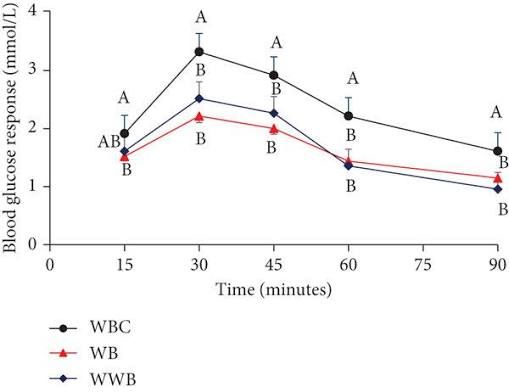
To fully comprehend why does quinoa raise blood sugar slowly, we must explore its biochemical composition.
Quinoa is not just a carbohydrate source; it is a nutrient-dense package containing structural proteins, complex fats, and rich dietary fiber.
When you eat refined carbohydrates, your stomach empties rapidly, dumping glucose into the duodenum.
This triggers a rapid surge in insulin, followed by a classic “sugar crash.”
Quinoa prevents this crash through a two-phase buffering mechanism.
First, the high soluble fiber content absorbs water in your stomach, expanding into a thick, gel-like barrier.
This barrier physically slows down the rate at which digestive enzymes can break down starch molecules.
Second, the presence of plant-based proteins triggers the release of cholecystokinin (CCK) and peptide YY (PYY).
These satiety hormones signal your brain that you are full while physically delaying stomach emptying.
This combined action ensures that glucose enters your circulation as a slow, steady stream rather than a destructive wave.
This stable flow is highly beneficial for cardiovascular health and autonomic nervous system balance.
According to research guidelines from the American Heart Association, keeping blood pressure and metabolic strain low directly reduces long-term cardiovascular risks.
When your system is subjected to fewer rapid glucose spikes, your arterial walls remain flexible and free from inflammatory damage.
Furthermore, avoiding extreme glucose fluctuations during the day prevents overnight-glucose-spikes from disrupting your sleep.
If your body is busy managing volatile blood sugar shifts during the night, your autonomic nervous system stays in a state of high alert.
This prevents you from entering the deep, restorative sleep stages necessary for cellular repair and mental clarity.
How Metabolic Stress Impacts Your Body: The Smart Ring Connection
Every time you experience a massive glucose spike, your body undergoes subtle, internal stress.
To manage excess glucose, your sympathetic nervous system is activated, causing your heart rate to rise slightly.
At the same time, your heart rate variability (HRV) typically drops, which is a key sign of physical strain.
While standard finger-prick blood tests only give you a single snapshot in time, your cardiovascular system reacts continuously.
This is where glucose smart rings and advanced health trackers provide deep value.
The Herz P1 Smart Ring uses state-of-the-art optical sensor technology to track your resting heart rate, HRV, and sleep quality 24/7.
If a particular meal, such as a large bowl of quinoa, causes metabolic stress, your night-time recovery metrics will reflect it.
You may see a elevated sleeping heart rate and a lower-than-average HRV score.
By analyzing these trends on the free, lifetime Herz P1 App, you can customize your diet to your unique physical makeup.
This allows you to make data-backed dietary choices without having to pay for expensive monthly app subscriptions.
Based on behavioral data from over 5,000 active Herz P1 users, tracking physiological recovery patterns helps individuals optimize their meal choices within 30 days.
The physical comfort of a lightweight, military-grade steel ring makes it easy to monitor these biometric trends while you sleep.
Practical Application Guide: How to Eat Quinoa for Ultimate Glucose Control
If you want to ensure that quinoa does not cause a sudden rise in your glucose levels, follow these practical preparation guidelines.
First, always rinse your raw quinoa thoroughly under cold water before cooking.
This process removes saponins, which are bitter, natural compounds that can irritate the gut lining in sensitive individuals.
Second, consider pairing your quinoa with healthy fats and lean proteins.
Adding half an avocado, a splash of extra virgin olive oil, or grilled chicken breast further delays digestion.
This classic “food-combining” technique is a highly effective way to flatten your glucose curve.
Third, try the “cook, cool, and reheat” method to increase the grain’s resistant starch content.
When you cook quinoa and let it cool in the refrigerator overnight, some of its digestible starches transform into resistant starch.
Resistant starch passes through your small intestine undigested, serving as food for your healthy gut bacteria.
This process significantly lowers the glycemic impact of the meal when you reheat and eat it the next day.
Finally, track your activity levels after consuming complex carbohydrates.
Taking a simple 10-to-15-minute walk after eating helps your muscles clear glucose directly from your blood without relying heavily on insulin.
You can monitor how your post-meal activity improves your sleep score and resting heart rate on your Herz P1 App.
Overcoming Risks & Common Mistakes in Metabolic Tracking
One of the biggest mistakes health-conscious individuals make is consuming oversized portions of healthy foods.
Even though quinoa is packed with nutrients, eating two or three cooked cups in a single sitting will still supply a large carbohydrate load.
Always measure your portions, aiming for roughly one-half to one cup of cooked quinoa per meal.
Another common mistake is wearing bulky, uncomfortable smartwatches to sleep to monitor recovery.
Many users find that heavy smartwatches disrupt their sleep stages, making it difficult to collect accurate baseline data.
Additionally, having to charge a smartwatch every single day often leads to significant gaps in your historical health records.
The Herz P1 Smart Ring solves this issue with its ultra-lightweight, 3.5-gram design and durable, military-grade steel construction.
With an IP68 waterproof rating, you can wear it in the shower, pool, or gym without ever having to take it off.
Furthermore, you do not have to worry about hidden, ongoing costs to access your physical data.
Unlike other brands that require a monthly subscription to view your metrics, the Herz P1 App is free for life.
Frequently Asked Questions (FAQ)
Is the Herz P1 Smart Ring waterproof?
Yes, the Herz P1 Smart Ring features a robust IP68 waterproof rating.
This means it is completely protected against dust and can handle continuous water submersion up to 164 feet (50 meters).
You can confidently wear it while washing your hands, showering, swimming, or doing high-intensity workouts.
How long does the Herz P1 battery last?
The Herz P1 is equipped with an ultra-efficient battery that lasts up to 6 days on a single charge.
When it is time to charge, the ring goes from 0% to 100% in under 1 hour using the included magnetic charging dock.
This long-lasting battery life eliminates daily charging anxiety, allowing you to collect seamless, long-term health trends.
Which finger is best to wear the Herz P1 Smart Ring on?
For the highest level of biometric accuracy, we recommend wearing the ring on your index, middle, or ring finger.
These fingers have a richer network of blood vessels near the skin surface, which optimizes the performance of the optical sensors.
Make sure the ring fits snugly but comfortably without rotating too easily.
Does the Herz P1 store health data offline?
Yes, the Herz P1 Smart Ring has built-in local storage that can hold up to 7 days of raw biometric data offline.
You do not need to have your smartphone near you constantly during workouts or sleep.
The next time you open the free app, all your offline data will sync automatically in seconds.
Conclusion: Your Subscription-Free Wellness Journey
Quinoa is an outstanding, nutrient-dense carbohydrate alternative that supports overall vascular and metabolic health.
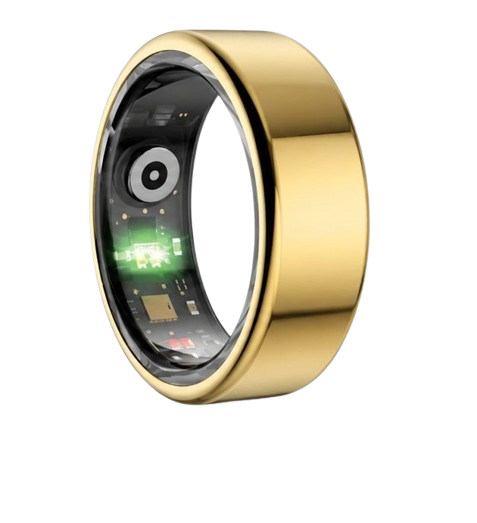
Ready to monitor your health every day? Explore the Herz P1 Smart Ring and see if it fits your lifestyle. Call: 1-866-479-1629 — our team can help you advise on the correct ring size and set personalized health goals.
