

Standing in the kitchen, corn in hand, you’re asking is corn on the cob good for diabetics — one more small decision in a day already full of them. Labels. Portions. Timing. Exhausting, watching every number like this. Here’s what most people miss: sleep moves that number too. Bad sleep, and your body fights you before breakfast even starts. A few minutes of gentle movement before bed helps it work with you instead.
Built to Last. Save Up to 69% Today.
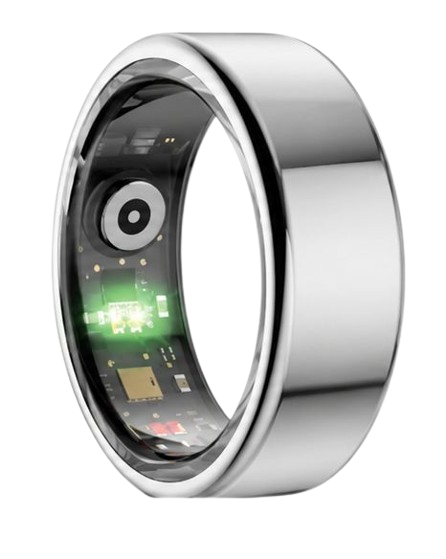
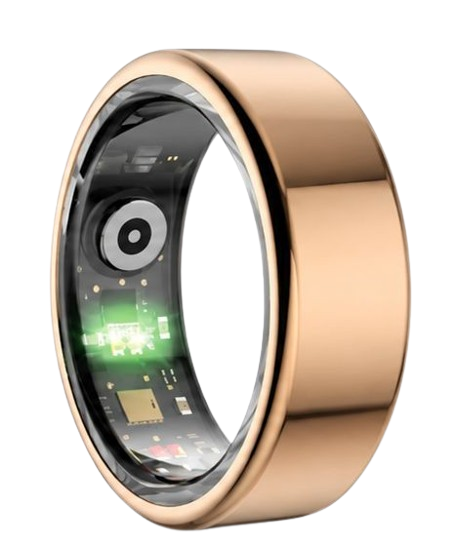
The Herz P1 Smart Ring tracks HRV, Sleep, Heart Rate & SpO2 around the clock. No subscriptions. No renewals. Ever.
In This Article
- Discover the deep metabolic truth behind how sweet corn affects daily blood glucose trends.
- Unpack the complete nutritional profile, total carbohydrates, and fiber metrics of sweet corn.
- Explore scientific pairing methods to enjoy favorite carbs without facing dramatic blood sugar spikes.
- Learn how advanced smart rings monitor physiological recovery patterns to build metabolic resilience.
- Access actionable lifestyle hacks to optimize your diet using real-time wellness tracking technology.
Is Corn on the Cob Good for Diabetics? The Comprehensive Metabolic Breakdown

Understanding how different starchy foods affect your body is a fundamental pillar of learning what is metabolic health.
For individuals navigating type 2 diabetes or insulin resistance, selecting the right carbohydrate sources is a critical daily decision.
Corn on the cob is technically classified as both a grain and a starchy vegetable, meaning it possesses a higher carbohydrate density than non-starchy leafy greens.
This dual botanical identity is why many people wonder if this summer staple can be safely integrated into a diabetic diet.
The core physiological mechanism comes down to how your digestive tract breaks down starchy foods into glucose.
When you consume sweet corn, the complex starches are systematically converted into simple sugars by salivary and pancreatic enzymes.
These sugars are then rapidly absorbed into your bloodstream through the small intestine, triggering a natural release of insulin from the pancreas.
For a diabetic individual, this insulin response is either impaired or insufficient, which can lead to prolonged circulatory glucose elevation.
This metabolic process explains why understanding the glycemic index of sweet corn is vital for daily blood sugar management.
A medium-sized ear of yellow sweet corn contains roughly nineteen grams of total carbohydrates, which must be carefully accounted for in your daily meal plan.
However, sweet corn also contains beneficial dietary fiber and essential micronutrients that help slow down the overall rate of gastric emptying.
This means that while sweet corn does raise blood glucose, it does not typically cause the extreme spike associated with refined flour or sugary sodas.
The timing of when you consume starchy carbohydrates also plays a major role in your body’s metabolic efficiency.
Eating sweet corn during your most active hours of the day allows skeletal muscles to absorb circulating glucose directly for energy.
In contrast, consuming high-carb meals late in the evening can lead to sustained overnight glucose elevation.
Determining exactly how much corn you can safely consume depends heavily on your current insulin sensitivity and metabolic goals.
A standard serving size for someone managing diabetes is typically limited to one half of a medium ear of corn.
This small portion size keeps the overall glycemic load low, helping to prevent sharp blood sugar fluctuations.
By monitoring your physiological trends continuously, you can gain a clearer picture of your personal dietary tolerances.
If you want to track this in real time, the Herz P1 Smart Ring monitors biometric recovery indicators 24/7 — explore it here.
90-Day 100% Money-Back Guarantee
"The Herz Smart Ring helps me manage stress easily. It's accurate, stylish, and lightweight—perfect for my busy life!"
— Jennifer P. | ✔ Verified Customer
- ✓ 6-Day Battery Life
- ✓ Detailed Sleep Analysis
- ✓ Fast 1-Hour Charging
- ✓ iOS & Android Ready
Questions? Call: 1-866-479-1629
Decoding Corn Carbohydrates: Total Carbs, Fiber, and Glycemic Impact

To understand the true impact of starchy vegetables, we must closely analyze the key metrics of corn on the cob carbohydrates.
A primary question among newly diagnosed individuals is how many carbs does corn on the cob have.
A standard, medium-sized ear of sweet corn provides approximately nineteen grams of total carbohydrates, which includes two grams of dietary fiber.
This leaves you with a net carbohydrate count of seventeen grams, which is comparable to a single slice of whole-wheat bread.
When assessing corn on the cob how many carbs you are consuming, you must also look at the glycemic index of the food.
The glycemic index of sweet corn sits at approximately fifty-two, placing it squarely in the low-to-medium category.
This value is notably lower than highly processed grains, but it is still high enough to require careful portion control.
To put this in perspective, many diabetics often ask does quinoa spike blood sugar as they look for healthier grain alternatives.
While quinoa is rich in protein and fiber, even complex grains can cause a moderate rise in glucose if eaten in excess.
Developing high levels of metabolic fitness means learning how to balance these nutrient-dense carbohydrates with active lifestyle habits.
The natural sugars found in sweet corn are primarily sucrose, which digests more rapidly than complex starches.
However, the presence of insoluble fiber in corn kernels helps to slow the enzymatic breakdown of these sugars in your gut.
This slower digestive process leads to a more gradual release of energy rather than a sudden spike and subsequent crash.
This is why many nutritionists agree that sweet corn can be a part of a balanced diet when managed with proper portion control.
Tracking how your resting heart rate and skin temperature respond to different meals can provide deep insights into your digestive health.
The Herz P1 Smart Ring offers a seamless, subscription-free way to observe these physiological trends without interrupting your daily routine.
Does Corn on the Cob Raise Blood Sugar Overnight?

A common concern for those managing diabetes is whether eating starchy foods like sweet corn at dinner does corn on the cob raise blood sugar during sleep.
Consuming a high-carbohydrate meal late in the evening can indeed lead to unwanted overnight-glucose-spikes.
When your body transitions into a resting state, your insulin sensitivity naturally decreases as part of your circadian rhythm.
This means your cells are less efficient at removing glucose from the bloodstream during the late hours of the night.
If you eat a large portion of sweet corn close to bedtime, the slow digestion of starches can cause a prolonged rise in blood glucose while you sleep.
This sustained elevation can disrupt your autonomic nervous system, leading to a higher sleeping heart rate and lower heart rate variability.
Continuous physiological tracking shows that a high-glycemic dinner often correlates with poor sleep architecture and reduced deep sleep duration.
To prevent these overnight disruptions, it is highly recommended to consume starchy carbohydrates earlier in the day.
If you do choose to enjoy sweet corn with dinner, keeping the portion small and pairing it with healthy fats is an excellent mitigation strategy.
By wearing an intelligent biometric tracker, you can observe exactly how your overnight recovery metrics correlate with your evening meals.
The Herz P1 Smart Ring tracks your heart rate variability and sleep stages with clinical-grade accuracy to help you connect diet with sleep quality.
Understanding these complex physiological relationships is the key to building a highly personalized and effective wellness routine.
Meal Pairing Strategies to Prevent Blood Sugar Spikes
The secret to enjoying sweet corn without experiencing dramatic glucose spikes lies in the science of food pairing.
Eating carbohydrates in isolation allows digestive enzymes to break down starches with minimal interference, leading to rapid sugar absorption.
However, pairing sweet corn with high-quality proteins like grilled chicken, salmon, or tofu slows down gastric emptying significantly.
Adding healthy fats, such as olive oil or fresh avocado, further delays the digestive process and dampens the glycemic response.
Non-starchy vegetables should also make up the majority of your plate to provide additional soluble fiber.
This simple plate-building method ensures that the glucose from sweet corn enters your bloodstream at a slow, manageable pace.
It is also highly beneficial to eat your vegetables and proteins first, leaving the carbohydrates for the end of the meal.
Clinical studies demonstrate that this specific food ordering can reduce post-meal glucose spikes by up to forty percent.
By tracking your body’s cardiovascular response to these meal pairings, you can discover what works best for your unique physiology.
Tracking Metabolic Health and Glucose Responses with Advanced Wearables
Many forward-thinking individuals are interested in utilizing glucose smart rings to keep a close eye on their metabolic trends.
While direct continuous glucose monitoring typically requires invasive skin patches, advanced smart rings offer highly valuable indirect insights.
By continuously monitoring heart rate variability, skin temperature, and sleep quality, a smart ring can highlight systemic physiological stress.
A sudden drop in overnight HRV or a spike in resting heart rate often points to metabolic strain caused by poor dietary choices.
The Herz P1 Smart Ring excels at decoding these complex biometric signals without requiring a monthly app subscription.
The device features a highly advanced 9-axis multispectral optical sensor array designed to fit comfortably around your finger.
This location is ideal for pulse oximetry and heart rate tracking because the finger base contains a dense network of capillary beds.
Unlike bulky wrist-worn devices, a lightweight smart ring maintains consistent, snug contact with the skin throughout the night.
This ensures an exceptionally high level of data accuracy, especially during sleep when your body is repairing itself.
By analyzing your weekly trends in the free Herz P1 App, you can easily identify which dietary habits support your wellness goals.
This data-informed approach takes the guesswork out of managing your daily nutrition and long-term metabolic health.
How to Use Herz P1 Biometric Data to Optimize Recovery
Optimizing your daily recovery involves learning how to interpret the sleep and stress scores provided by your tracker.
A high stress index score during the day indicates that your sympathetic nervous system is highly active, which can elevate blood sugar.
When stress levels are elevated, your body releases cortisol, a hormone that naturally reduces insulin sensitivity.
If you notice a high stress trend on your Herz P1 App, it is wise to avoid high-carb meals like sweet corn during those hours.
Instead, focus on deep breathing exercises or light walking to help restore autonomic balance before eating.
Similarly, analyzing your sleep stages can tell you if a late-night snack disrupted your deep or REM sleep cycles.
If your deep sleep percentage drops below fifteen percent after eating corn at night, this is a clear sign to adjust your dinner timing.
The comfort of the Herz P1’s military-grade steel construction ensures you can track these overnight trends without any sleep disruption.
Overcoming Risks & Common Mistakes: Smartwatches vs. Smart Rings
A common mistake made by many wellness enthusiasts is relying on bulky smartwatches for overnight health tracking.
Large watches are often uncomfortable to wear to bed, leading to fragmented sleep or inconsistent sensor contact.
If a wearable device shifts during the night, it can produce inaccurate sleep staging and misleading heart rate data.
Furthermore, many popular smartwatches require daily charging, forcing you to choose between tracking your daytime steps or overnight recovery.
Another major pitfall is the hidden financial burden associated with premium health tracking platforms.
Several leading brands lock your biometric data behind mandatory monthly app subscriptions that accumulate high costs over time.
We believe that access to your own personal health data should be a fundamental right, not a paid privilege.
This is why the Herz P1 Smart Ring companion app is completely free for life, with absolutely no subscription fees or paywalls.
The ring is crafted from military-grade steel and is IP68 waterproof up to one hundred and sixty-four feet, offering unmatched durability.
With a six-day battery life and a fast charge time of under one hour, the Herz P1 solves all the common pain points of traditional wearables.
This makes it the perfect low-maintenance health companion for busy professionals and active individuals alike.
Frequently Asked Questions about Diet and Biometric Tracking
Is the Herz P1 Smart Ring waterproof?
Yes, the Herz P1 is fully IP68 waterproof and rated for depths up to one hundred and sixty-four feet.
This means you can safely wear it while swimming, showering, washing dishes, or relaxing in a hot tub.
The robust military-grade steel exterior protects the internal optical sensors from water damage in any daily scenario.
How long does the battery last and how long does it take to charge?
The Herz P1 battery lasts up to six full days on a single charge under normal operating conditions.
When the battery does run low, it charges from zero to one hundred percent in under one hour.
This fast-charging capability ensures you never have to miss a night of sleep analysis or health tracking.
Which finger is the best to wear the smart ring on?
For the highest biometric accuracy, we recommend wearing the Herz P1 on your index finger.
The index finger typically has the most robust blood flow, which helps the optical sensors capture precise readings.
However, the ring can also be worn comfortably on the middle or ring finger depending on your personal preference.
Does the Herz P1 store health data offline?
Yes, the ring has local onboard memory that can securely store up to seven days of biometric data offline.
This allows you to travel, exercise, or sleep without keeping your smartphone constantly connected via Bluetooth.
Once you open the companion app, all stored data will automatically sync and update your personal health dashboard.
Embrace a Healthier, Data-Driven Lifestyle
Understanding how foods like sweet corn affect your body is key to metabolic health.
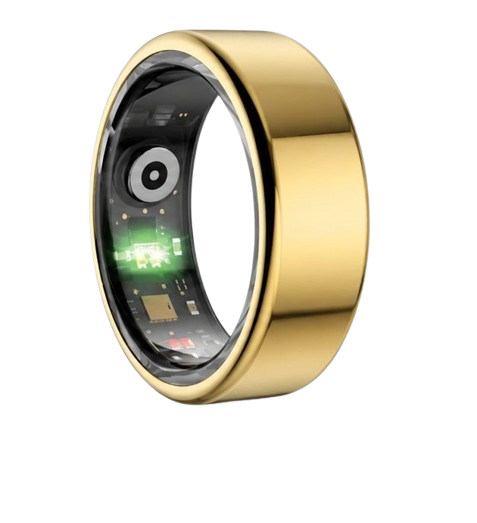
The Herz P1 Smart Ring is a reliable, subscription-free health companion.
Explore the Herz P1 Smart Ring to see if it fits your lifestyle.
Call: **1-866-479-1629** — our team can advise on the correct size and set health goals.
