

Do you experience shaky hands, sudden fatigue, or an unexpected energy crash shortly after enjoying your favorite morning brew? Many active people wonder if their daily habit of drinking coffee actually drops their biological blood glucose, raising the physiological question: does coffee cause hypoglycemia? At Herz P1, our team tracks continuous biometric indicators to help you decode these sudden bodily changes and optimize your daily energy levels naturally.
Built to Last. Save Up to 69% Today.
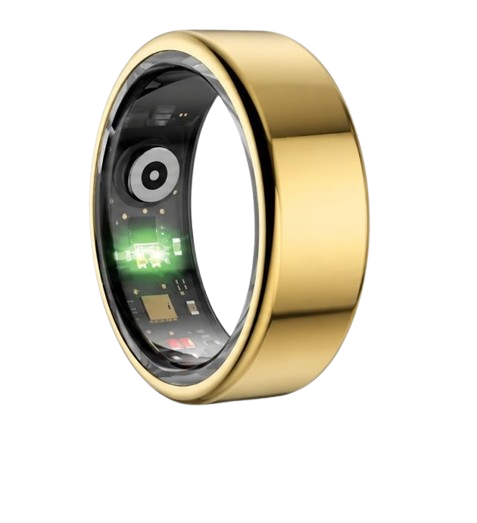
The Herz P1 Smart Ring tracks HRV, Sleep, Heart Rate & SpO2 around the clock. No subscriptions. No renewals. Ever.
In This Article
- The Science of Coffee and Low Blood Sugar: Discovering whether caffeine actually drops your plasma glucose levels or merely mimics the symptoms of hypoglycemia.
- The Adrenaline Connection: How epinephrine and cortisol responses trigger physiological shakes, rapid heart rates, and pseudo-hypoglycemia.
- Insulin Sensitivity Changes: Investigating the cellular impact of caffeine on insulin action and metabolic adaptation.
- Biometric Tracking Strategies: Learning how to use heart rate variability (HRV) and autonomic stress patterns to master your daily caffeine intake.
Does Coffee Cause Hypoglycemia? Here is What the Science Reveals
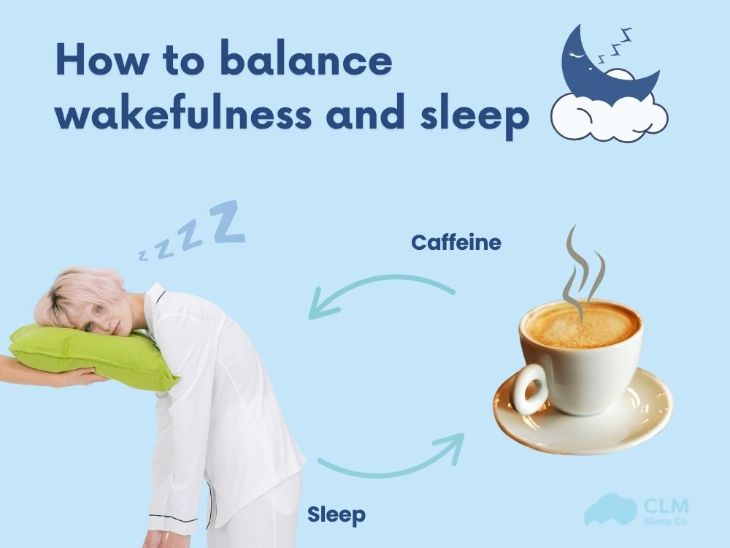
To understand the complex relationship between coffee and blood sugar, we must first define true hypoglycemia.
Clinical hypoglycemia occurs when your blood glucose levels drop below 70 milligrams per deciliter (mg/dL).
For most healthy individuals, drinking plain black coffee does not cause true, clinical hypoglycemia.
However, many coffee drinkers experience sudden physical symptoms that feel identical to a severe blood sugar drop.
These symptoms include shaky hands, sudden sweating, a racing heart, mild dizziness, and a wave of intense anxiety.
Medical researchers refer to this state as pseudo-hypoglycemia or a caffeine-induced sympathetic surge.
This reaction occurs because caffeine is a powerful central nervous system stimulant that acts directly on your adrenal glands.
When you consume caffeine, your brain signals the adrenal medulla to release a flood of epinephrine, also known as adrenaline.
Epinephrine is the primary chemical messenger responsible for your body’s evolutionary “fight-or-flight” response.
This hormonal surge instantly elevates your heart rate, increases your blood pressure, and causes peripheral muscle tremors.
Your brain registers this sudden physiological activation as a state of acute stress or panic.
Because these physical sensations are identical to the body’s warning signs during low blood sugar, it is easy to assume your glucose has crashed.
In terms of quantitative context, studies show that moderate caffeine consumption can temporarily reduce acute insulin sensitivity by 15% to 30% in healthy adults.
This means your cells become slightly resistant to clearing sugar from your bloodstream, keeping glucose circulating longer.
When this temporary resistance fades, a sensitive pancreas may release a compensatory wave of insulin, causing a rapid redistribution of glucose.
This rapid shift in blood sugar levels, even if it remains within a normal range, can trigger physical symptoms of fatigue and brain fog.
This dynamic is especially pronounced in individuals who are already prone to metabolic sensitivity or those with reactive hypoglycemia.
If you want to track how your body responds to caffeine in real time, the Herz P1 Smart Ring monitors your autonomic nervous system and stress index 24/7 — explore it here.

90-Day 100% Money-Back Guarantee
“The Herz Smart Ring helps me manage stress easily. It’s accurate, stylish, and lightweight—perfect for my busy life!”
— Jennifer P. | ✔ Verified Customer
- ✓ 6-Day Battery Life
- ✓ Detailed Sleep Analysis
- ✓ Fast 1-Hour Charging
- ✓ iOS & Android Ready
Questions? Call: 1-866-479-1629
Coffee and Reactive Hypoglycemia: The Adrenaline Spike and Crash Cycle

To fully grasp the link between coffee and reactive hypoglycemia, we must explore how stimulants interact with energy pathways.
True reactive hypoglycemia refers to an overproduction of insulin that occurs within four hours of consuming a meal.
When you drink highly sweetened coffee beverages, the refined sugar triggers a rapid rise in blood glucose.
In response, your pancreas secretes a large quantity of insulin to move this glucose out of your bloodstream.
Because caffeine acts as an autonomic accelerator, it can speed up digestion and metabolic clearance rates.
This combination often leads to a precipitous drop in blood sugar, resulting in a severe afternoon energy crash.
But what if you drink your coffee completely black with no added sugars or dairy?
In this scenario, the physical sensation of hypoglycemia coffee shakes is driven entirely by adrenaline.
Caffeine forces your liver to perform glycogenolysis, which is the breakdown of stored glycogen into glucose.
This is your body’s natural way of freeing up fuel to handle the perceived emergency signaled by the adrenaline.
Once this temporary glucose release is cleared by a normal insulin response, you may experience a rapid descent to your baseline.
The rapid rate of this decline is what your brain interprets as a metabolic emergency, triggering shakes and jitteriness.
This endocrine roller coaster is significantly worse if you are chronically sleep deprived.
When you wake up exhausted, you are much more likely to ask yourself, why do i wake up tired, and immediately reach for a double shot of espresso.
This morning exhaustion means your baseline cortisol is already elevated, making your body highly sensitive to caffeine.
The resulting hormonal spike is taller, sharper, and guaranteed to lead to a more violent physical crash later in the day.
By using the Herz P1 Smart Ring, you can continuously track your overnight sleep stages and recovery metrics.
This data reveals whether your morning fatigue is due to a lack of deep sleep, helping you decide if coffee is a safe choice today.
Does Caffeine Drop Blood Sugar? Tracking the Biological Mechanism

Let us look closer at the question: does caffeine drop blood sugar through direct cellular pathways?
At the molecular level, caffeine is a structural mimic of adenosine, a chemical that promotes physical relaxation.
To prevent fatigue, caffeine binds directly to your caffeine adenosine receptors, keeping them blocked for hours.
This blockade prevents your brain from registering natural sleep pressure, keeping your sympathetic nervous system highly active.
With adenosine blocked, the sympathetic nervous system acts without its natural biological brakes.
This continuous sympathetic tone keeps your adrenal glands pumping out small quantities of epinephrine.
As epinephrine circulates, it actively blocks the uptake of glucose into your skeletal muscle tissue.
This physiological state is called acute peripheral insulin resistance, and it prevents sugar from entering your cells.
Because the glucose cannot easily enter your muscles, your body must produce more insulin to clear it.
For sensitive individuals, this extra insulin can eventually overcorrect, resulting in a coffee crash hypoglycemia experience.
This effect is especially severe if you consume caffeine while engaging in prolonged fasting or intense workouts.
When your liver’s glycogen stores are already depleted, the adrenaline surge cannot trigger a release of stored glucose.
In this depleted state, the physical shaking and anxiety of pseudo-hypoglycemia become highly intense.
To help you monitor this, the Herz P1 Smart Ring tracks your Heart Rate Variability (HRV) every few minutes.
A sudden, sharp drop in your HRV score indicates that your sympathetic nervous system is under intense stimulation from caffeine.
This real-time biometric insight lets you know when to put down the coffee mug and hydrate with water.
Practical Application: How to Prevent the Coffee Crash and Shakes
You do not have to give up your morning coffee to maintain steady energy levels throughout the day.
The first and most effective strategy is to implement a strict morning caffeine window.
Our wellness team recommends delaying your first cup of coffee for 90 to 120 minutes after waking up.
When you first wake up, your body naturally produces a large amount of cortisol to help you feel alert.
If you drink coffee during this natural hormonal peak, you blunt your body’s cortisol production and amplify adrenaline.
By waiting until your cortisol levels begin to decline, you achieve a smoother, more sustainable energy curve.
The second strategy is to never consume coffee on a completely empty stomach.
Eating a small meal rich in clean protein and healthy fats before drinking coffee slows down caffeine absorption.
This slower absorption rate prevents the rapid, sharp adrenaline spike that triggers physical shakes and anxiety.
Additionally, you must pay close attention to your hydration and electrolyte balance.
Caffeine is a natural diuretic that flushes out essential minerals like sodium, potassium, and magnesium.
This mineral loss can cause muscle twitches and heart palpitations that feel identical to low blood sugar.
Finally, you must protect your sleep architecture by tracking your daily caffeine and sleep relationship.
Consuming caffeine in the afternoon can destroy your deep sleep and REM cycles, even if you fall asleep easily.
With the Herz P1 Smart Ring, you can view your detailed sleep stage analysis directly in the free companion app.
This helps you identify your personal caffeine cutoff time to ensure your body fully recovers every single night.
Tracking Recovery: Why a Smart Ring Beats a Bulky Smartwatch
Many health-conscious individuals make the mistake of wearing a bulky, heavy smartwatch to monitor their recovery.
These large devices are often highly uncomfortable to wear during sleep, frequently disrupting deep recovery cycles.
They also require daily charging, which leads to massive gaps in your long-term biometric data.
Furthermore, many premium smartwatch brands charge expensive monthly subscription fees to access your own health data.
The Herz P1 Smart Ring solves all of these common pain points in a single, elegant package.
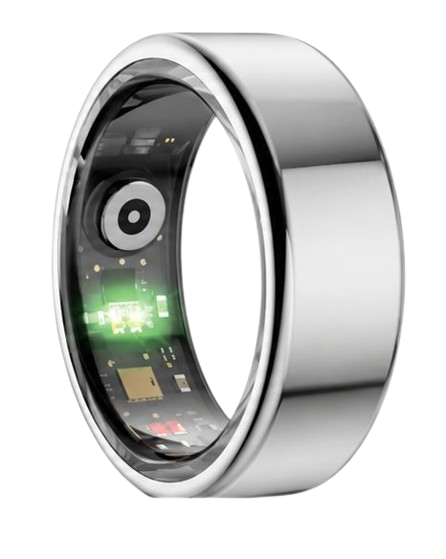
Crafted from military-grade steel, the Herz P1 is incredibly lightweight and designed for comfortable, 24/7 all-day wear.
It features a highly advanced, multispectral optical sensor array that reads your biometrics directly from the base of your finger.
Because the blood vessels in your fingers are closer to the skin surface, the Herz P1 provides clinical-grade tracking accuracy.
Our device requires no monthly subscription fees, ensuring you have lifetime access to your data completely free.
We stand behind our quality with an industry-leading 2-year warranty and a 90-day money-back guarantee.
This allows you to test the device completely risk-free to see how caffeine affects your sleep and autonomic stress.
Frequently Asked Questions (FAQ)
Is the Herz P1 Smart Ring waterproof enough for daily use?
Yes, the Herz P1 is fully certified with an IP68 waterproof rating.
It can safely withstand continuous water submersion up to a depth of 164 feet.
This means you can confidently wear it while washing your hands, showering, swimming, or working up a sweat.
How long does the battery last on a single charge?
The Herz P1 Smart Ring features an ultra-efficient battery that lasts up to 6 full days on a single charge.
When it is time to charge, the ring powers up from 0% to 100% in under 1 hour.
This long battery life ensures you never miss a single minute of sleep tracking or heart rate data.
Which finger is best to wear the smart ring on for accurate tracking?
For the highest biometric accuracy, we recommend wearing the Herz P1 on your index, middle, or ring finger.
Your non-dominant hand is usually preferred as it experiences less daily wear and movement noise.
Make sure the ring fits snugly but comfortably without rotating too easily during normal movement.
Does the Herz P1 Smart Ring store my biometric data offline?
Yes, the Herz P1 has built-in local memory that securely stores up to 7 days of detailed biometric data offline.
You do not need to keep your smartphone nearby or connected to Bluetooth constantly.
Once you open the companion app, the ring automatically syncs all stored data in a few seconds.
Conclusion
Monitoring your response to caffeine is the ultimate way to eliminate energy crashes and reclaim your daily focus.
The Herz P1 Smart Ring provides the precise, subscription-free physiological data you need to balance your morning brew and evening sleep.
Ready to monitor your health every day? Explore the Herz P1 Smart Ring and see if it fits your lifestyle. Call: 1-866-479-1629 — our team can help you advise on the correct ring size and set personalized health goals.
Note: Individual results may vary depending on individual health conditions, age, and lifestyle habits. This article is intended for general health reference purposes only.
